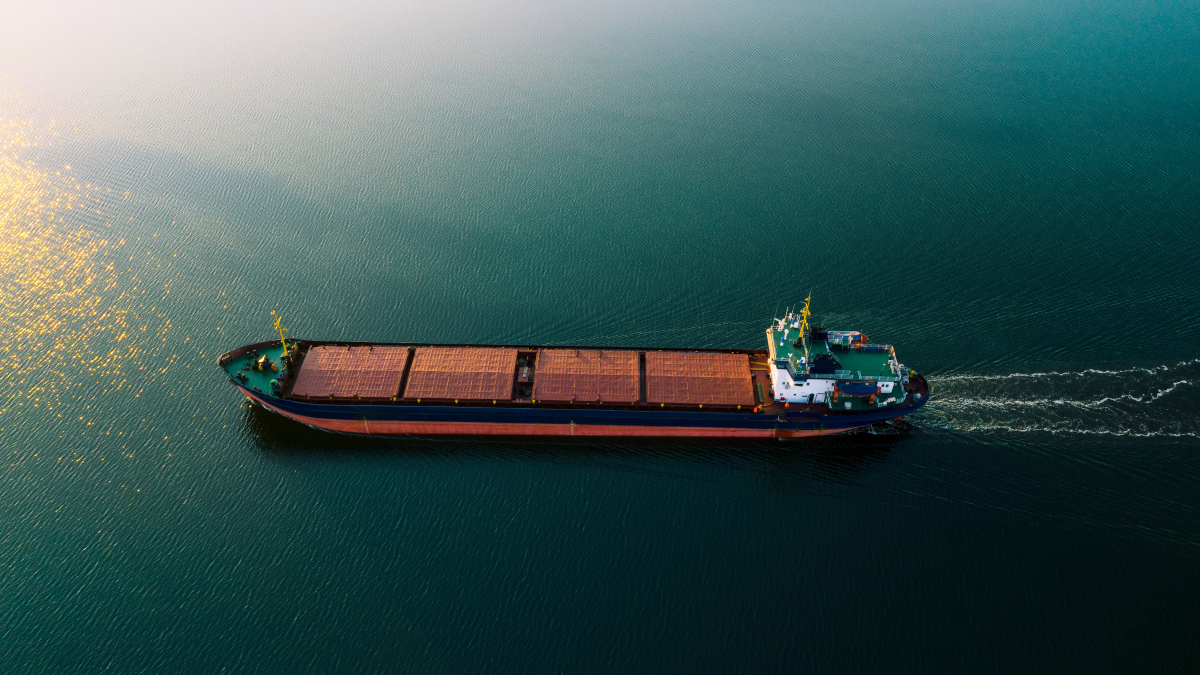
The European Union is preparing new measures against the so-called “shadow fleet” of vessels transporting oil in breach of international requirements, EU foreign policy chief Kaja Kallas said after a meeting of the EU Foreign Affairs Council in Brussels.
According to Kallas, existing restrictions have already had a significant impact on such carriers. More than 550 vessels have been added to the sanctions list, and data from European intelligence services indicate a further decline in seaborne oil exports. EU officials note that even the first weeks of the restrictions led to a noticeable drop in revenues from export routes through the Baltic and Black Seas.
The bloc is now discussing a mechanism for preliminary agreements with flag states that would allow inspections of their vessels. This arrangement, Kallas said, is intended to make oversight of oil shipments more predictable and more firmly grounded in legal procedures.
Ministers also backed a shift to “rolling” updates of the sanctions list, under which new vessels and related companies would be added as violations are identified, without waiting for another large sanctions package. In parallel, the EU is holding consultations with partners, including the United States and the United Kingdom, to align measures and increase their overall impact.
According to the European side, a range of instruments is under consideration, from environmental requirements to insurance and registration procedures that could slow the operations of vessels operating outside international norms.