Recently, Greek ship operation and management company Heidmar announced the completion of its first vessel acquisition since its establishment, officially becoming a shipowner.
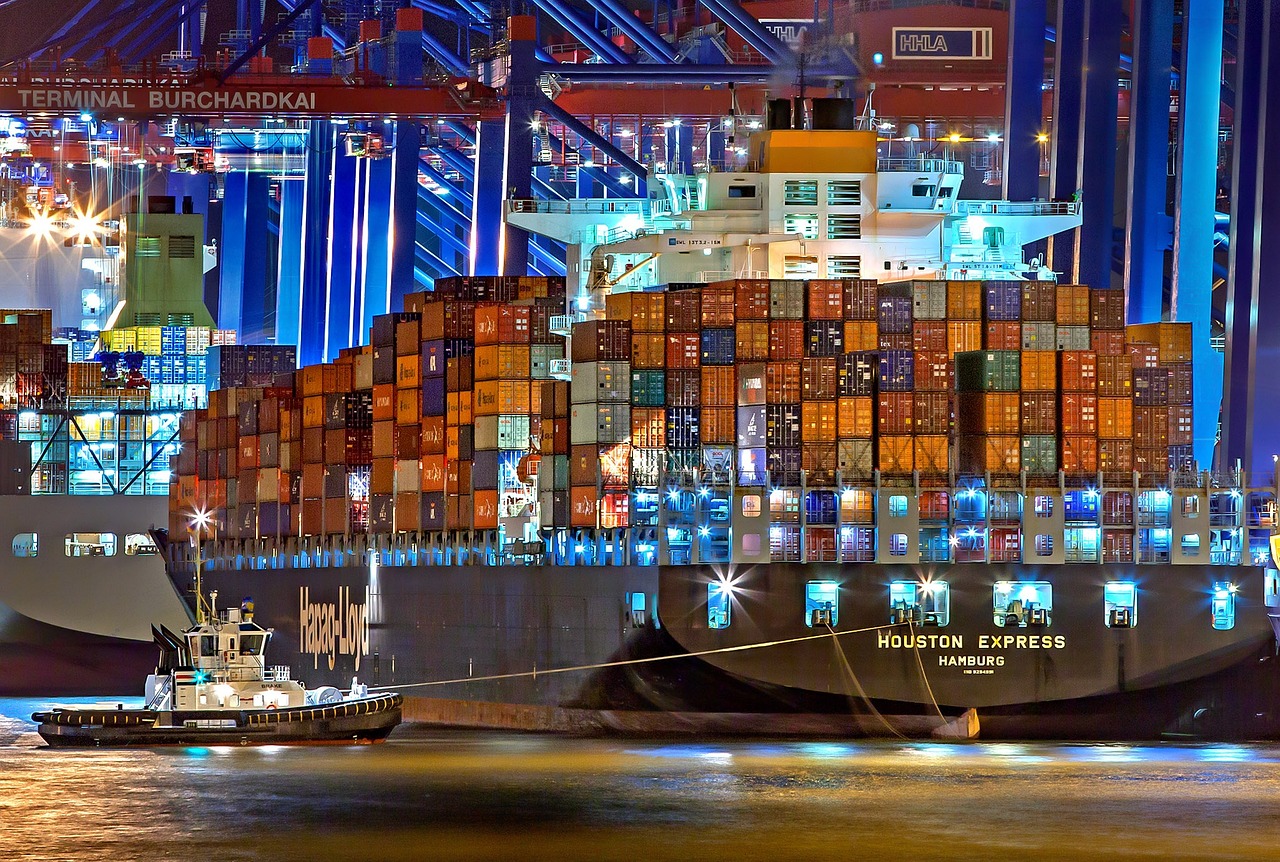
The acquired vessel is a 2008-built feeder container ship, the *A Obelix*, with a capacity of 1,702 TEU. The total transaction price was $25.25 million, with the seller being Capital Ship Management, owned by Evangelos Marinakis. Heidmar plans to take delivery of the vessel between August and September 2025.
The *A Obelix* comes with a time charter of approximately two and a half years from a leading global shipping operator. Heidmar revealed that the charter is expected to generate $17–20 million in EBITDA over the lease period, providing stable cash flow expectations for the investment. The company emphasized that, under favorable EBITDA conditions, future rental income and the vessel’s residual value are projected to cover the entire acquisition cost.
This transaction also marks Heidmar’s official entry into the previously untapped container shipping sector. Particularly in the current feeder container market, where the average vessel age exceeds 15 years and the orderbook coverage is only about 4%, this segment faces structural supply constraints and offers significant growth potential.
Heidmar CEO Pankaj Khanna stated, “This transaction is a key milestone in Heidmar’s development, marking the extension and upgrade of our platform while providing investors with direct access to high-return shipping projects.” He further noted that the feeder container market has strong fundamentals, with slow fleet growth, weak orderbooks, and severe vessel aging—all factors supporting market charter rates.
Notably, Heidmar continued its “light-capital co-investment model” for this transaction, where Heidmar and selected investors jointly fund vessel acquisitions while Heidmar handles commercial operations and technical management. This expands revenue streams from traditional management services and vessel pools to asset returns, enhancing platform profitability.
Khanna stressed, “There are still time-chartered container ships with two to three-year contracts available for investment—assets with strong returns that are hard to find in today’s dry bulk and tanker markets.” Previously, Heidmar had publicly expressed interest in container shipping investment opportunities. Interestingly, Maistros Shipinvest Corp, controlled by Evangelos Marinakis’ son Miltiadis Marinakis, is one of Heidmar’s shareholders, adding a layer of intra-capital network dynamics to the deal.
This acquisition not only represents Heidmar’s first substantial vessel asset investment since going public but also signals a strategic shift from a “pure management platform” to a diversified “management + asset” model. As a 40-year-old shipping management company, Heidmar previously focused on crude and product tanker pools and management services. Now, leveraging capital market financing, the company is accelerating strategic expansion.
Currently, Heidmar commercially manages a fleet of 42 vessels, including 4 VLCCs, 5 Suezmax tankers, 9 MR product tankers, and 9 dry bulk carriers—some operated through joint pools, with an additional 5 vessels managed solely for chartering brokerage.
In a June announcement, Heidmar stated it was actively seeking M&A opportunities to significantly expand its technical management fleet and strengthen its dry bulk commercial operations. Khanna noted in the latest earnings call, “Our February IPO has provided Heidmar with ample ‘ammunition,’ equipping us to drive more M&A deals.” He revealed that while Heidmar has 40 years of experience in the tanker market with a mature commercial management system, it is still in the early stages in dry bulk and is accelerating evaluations of related M&A and partnership projects.
Beyond dry bulk, technical management has become a new growth engine for Heidmar. The company currently has a technical management team in Hong Kong overseeing 4 VLCCs, with eight years of experience in this field. Khanna acknowledged that the next step is “scaling up,” with the goal of acquiring a technical management platform overseeing 50 to 100 vessels. “Such opportunities exist in the market, and we now have the capability to acquire these platforms.”