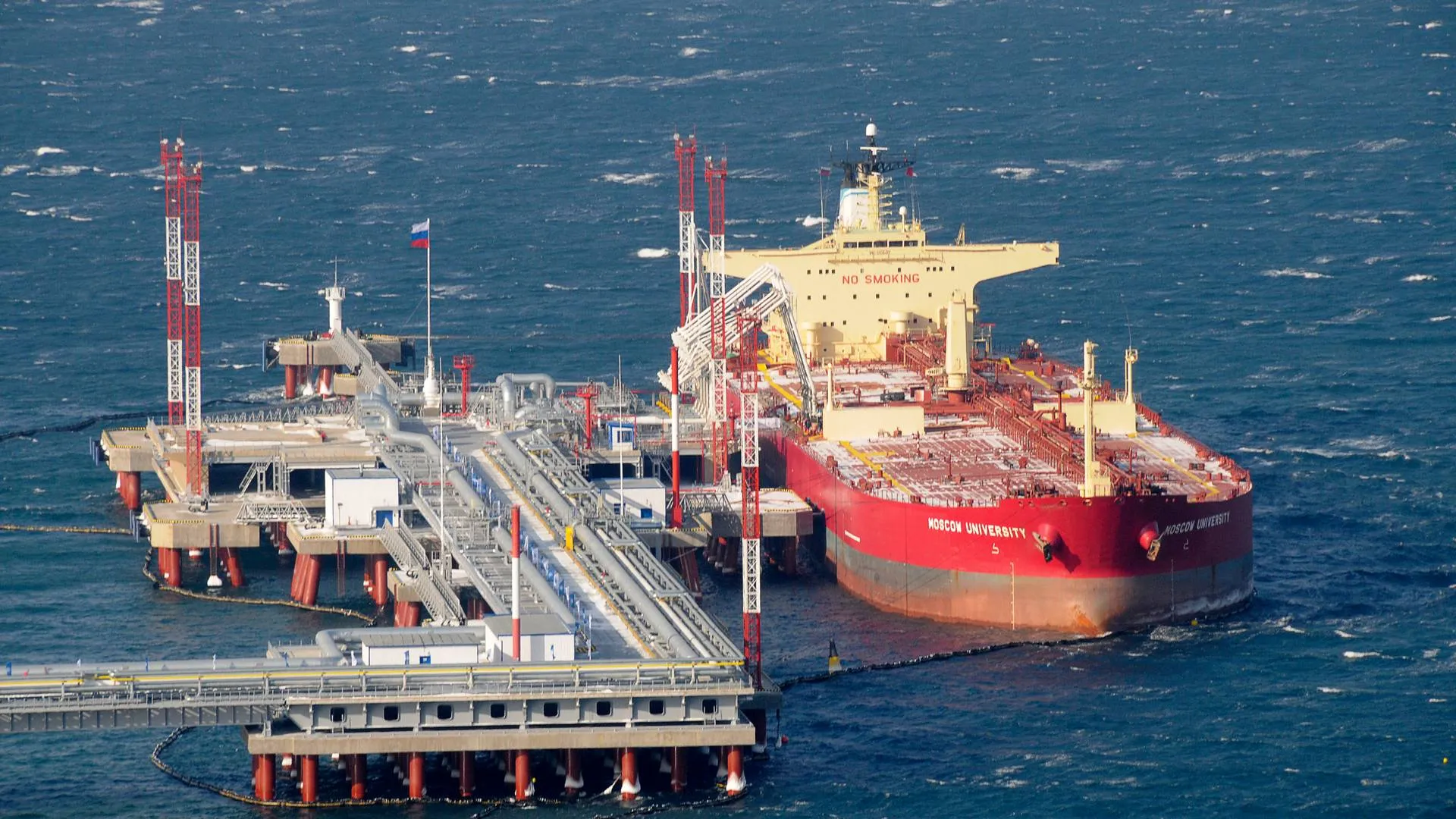
A report by “The Signal Group” highlights that the recent EU sanctions against Nayara Energy, the Indian refining company linked to Russia’s Rosneft, are beginning to visibly affect exports of clean petroleum products from the Vadinar terminal in India. Nayara’s refinery, which handles approximately 10.5% of India’s total seaborne clean product exports, has now become a focal point of concern for international charterers, traders, and regulatory authorities.
Analysis of export data shows a sharp decline from March to May, a period coinciding with the usual refinery maintenance season in India. The largest reduction was observed in middle distillates, which accounted for nearly 79% of clean cargoes during this period. Beyond maintenance, additional pressures arise from the recent caution of charterers and commercial partners toward oil flows of Russian origin.
Speaking to “N,” Senior Market Analyst at “The Signal Group,” Maria Berzeletou, emphasized that not all refined petroleum product exports from India have been affected, as only the Nayara refinery has been targeted at this time. “A refinery that is not in the front line is being impacted. Europe wants to send a message to Russia to disrupt relations, but not so forcefully as to completely cripple exports. If this continues as a trend, the data may change. It is a message, but not the loudest,” she notes, adding that what emerges is that “they want to hit Russia, but it is not in their interest to do so too forcefully.”
It is worth noting that, according to AIS monitoring data around Vadinar, clear signs of disruption are evident. A tanker chartered by BP for a voyage to Africa canceled the trip and returned to the Persian Gulf. Other vessels altered destinations, suggesting loading difficulties or commercial realignments.
Although naphtha represents just 3% of India’s clean product exports, particular concern surrounds diesel, jet fuel, and gasoil, which are frequently loaded from Vadinar. Key export destinations include the UAE (22%), South Africa (16%), Malaysia (13%), and the UK (6%), via hubs such as Fujairah and Durban. The reduced supply of naphtha, a critical feedstock for petrochemical industries, may lead to adjustments in refining units in countries like Malaysia and the UAE.
At the same time, as noted, despite accounting for just 10.5% of Indian exports, Nayara’s Vadinar refinery has become a symbol of the challenges facing oil flows of Russian origin, which now carry high reputational, compliance, and commercial management risks. Buyers relying on European insurance, banking, or shipping services are turning to alternative suppliers from the Middle East and Southeast Asia.
The Nayara case reinforces the broader perception that sanctions enforcement has global repercussions, causing realignments in international energy trade, though these are not yet overwhelmingly strong.
Certainly, the operational changes observed at Vadinar may herald a broader geopolitical isolation for any enterprise connected to Russian production or capital.
It is noted that currently, various analyses are being recorded which speak of more serious consequences from the new implementation of the price cap on Russian crude (starting at $47.60/barrel and adjusted every six months). Indicatively, Vortexa estimates that Greek shipowners, who transported nearly 40% of Urals-type oil volume in June, may withdraw from the Russian market after the end of the adjustment period (October 2025), causing capacity shortages and an increase in freight rates in mainstream segments.
However, Ms. Berzeletou emphasizes to “N” that at this moment, there are some significant Western shipowners, foreign and Greek, who choose to abstain from trade linked to Russia—but, according to her, this situation is dynamic and may change depending on the prevailing circumstances.
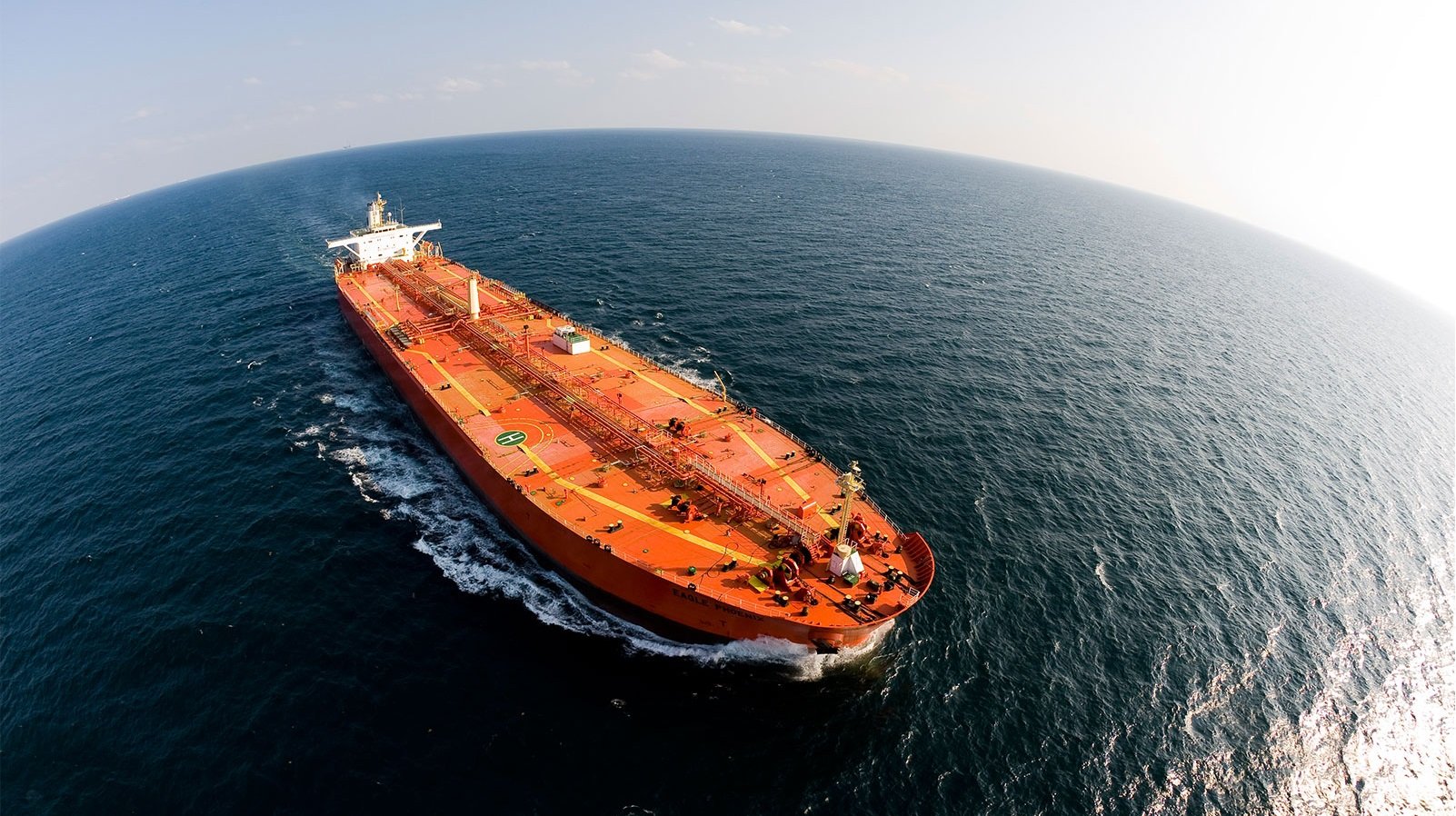
At the same time, a new report from the Oxford Institute for Energy Studies (OIES) challenges the effectiveness of the upcoming European measures, noting that the European Commission has become politically trapped after pledging to terminate Russian energy flows. This is against the backdrop of the impressive growth of the “shadow fleet.” According to Allied QuantumSea data, by mid-2025, more than 3,150 tankers (≥27,000 DWT) had been involved in transporting Russian oil—a share now equivalent to 48% of the global tanker fleet in service—up from 1,800 vessels in 2024. Additionally, the “core” of the shadow fleet, i.e., high-risk vessels, increased by 45% in one year, from 650 to 940 ships.