India’s ambitious bid to expand its presence at Iran’s Chabahar Port has been thrown into turmoil after the sudden resignation of all government-appointed directors from the board of India Ports Global Ltd (IPGL), the state-owned company managing the project. The move comes in the wake of renewed US sanctions, which have forced New Delhi to reassess its commitments to the strategically vital but geopolitically fraught venture.
Mass Resignations Ahead of Sanctions
According to sources, the IPGL board convened on September 28—just a day before the US sanctions came into effect. In that meeting, all government-nominated directors tendered their resignations, citing the risk of being personally exposed to punitive measures.
“Because of the sanctions, individuals too would have come under the scanner, which would have caused embarrassment. Hence, all government nominees stepped down, and the website has been taken offline,” one source familiar with the matter explained.
The US sanctions, effective September 29, give Indian entities including IPGL a 30-day window to withdraw from Chabahar or face asset freezes and exclusion from the American financial system. The US Treasury’s Office of Foreign Assets Control (OFAC) has provided India with a temporary comfort letter, extending limited protection until October 28. India is required to submit a detailed exit or compliance plan by October 22.
Legal and Contractual Dilemma
The Attorney General has advised the government to seek counsel from specialists in sanctions law before deciding on its next move. The situation is complicated by India’s long-term contractual commitments.
In March 2024, India signed a 10-year agreement with Iran’s Ports and Maritime Organisation (PMO) to operate the Shahid Beheshti terminal at Chabahar, expanding its financial commitment to $120 million, including major equipment procurement. Crucially, the contract does not include sanctions under its force majeure clause—meaning India cannot automatically withdraw without facing financial penalties.
If New Delhi opts to terminate the deal, it could trigger compensation claims from Tehran, straining bilateral ties. On the other hand, staying the course would mean risking secondary sanctions and jeopardising Indian entities’ access to global banking systems.
“The government will now have to take a call on whether to risk penalties under the contract or find a negotiated settlement with Iran,” said a second source, describing the situation as one of the most challenging tests of India’s sanctions diplomacy.
Strategic Stakes
For India, Chabahar has long been more than a commercial project. Located in Iran’s Sistan-Baluchistan province, outside the congested waters of the Persian Gulf, the port provides a rare strategic gateway. It offers India a direct sea–land trade corridor into Afghanistan and Central Asia while bypassing Pakistan, which has consistently blocked Indian access through its territory.
Chabahar also plays a central role in the International North-South Transport Corridor (INSTC), a multi-nation initiative designed to link India with Russia, Central Asia, and Europe. By reducing transport times and costs, INSTC has the potential to rival traditional maritime trade routes.
Chabahar’s operationalisation was therefore seen as a linchpin in India’s efforts to strengthen connectivity with Eurasia.
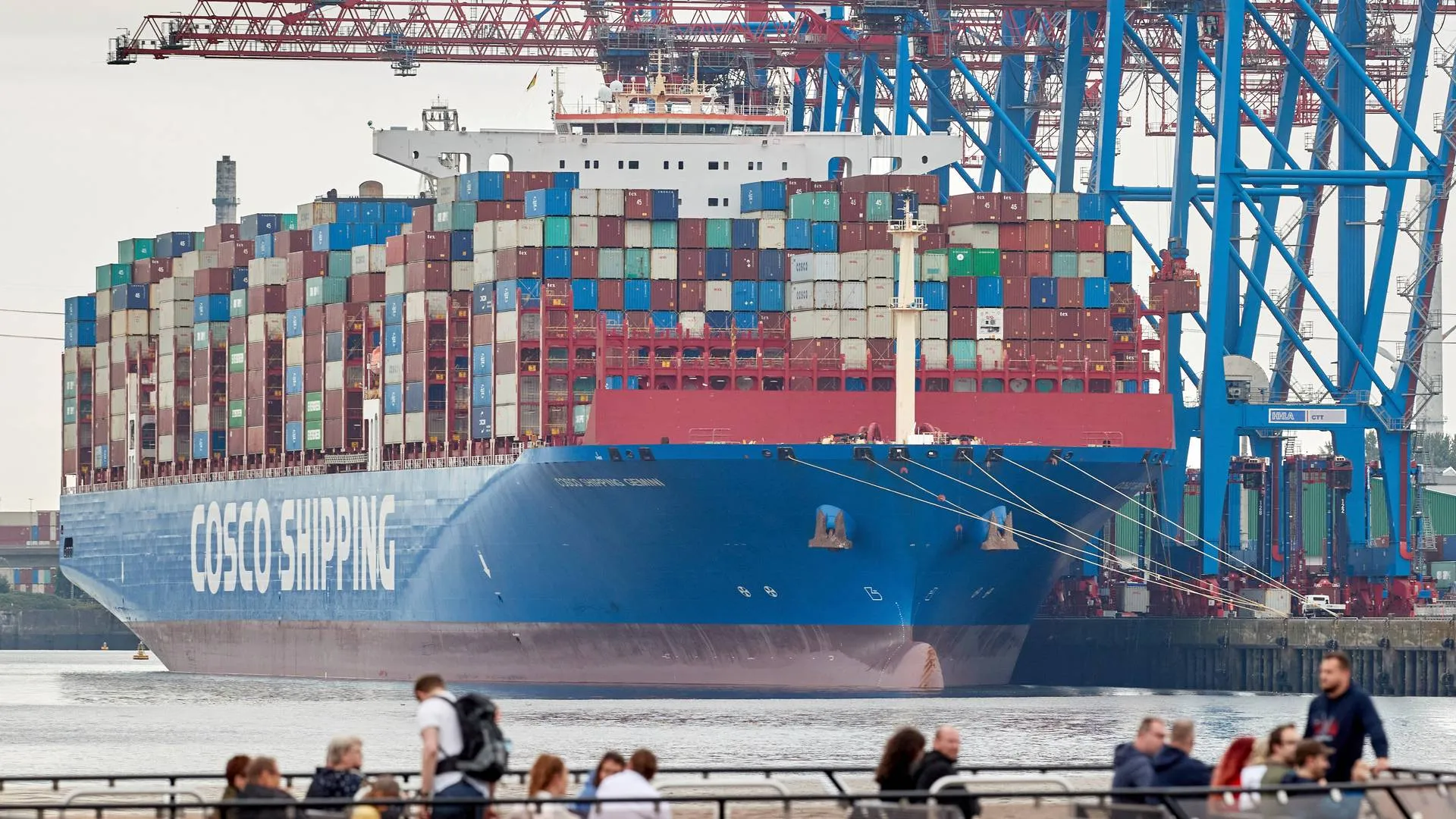
India Ports Global Chabahar Free Zone (IPGCFZ), IPGL’s Iranian subsidiary, has been operating the Shahid Beheshti terminal, where India already invested around $85 million in cranes and handling equipment. Six mobile harbour cranes purchased under the plan are currently deployed at the port.
Changing US Policy
Chabahar had previously enjoyed a unique status under US sanctions. In 2018, the Trump administration granted India a rare waiver, recognising the port’s role in facilitating humanitarian cargo shipments to Afghanistan. However, with the US withdrawal from Afghanistan and waning interest in supporting infrastructure there, Washington quietly rolled back the waiver.
The re-imposition of sanctions has left New Delhi squeezed between its strategic interests and its financial exposure to US restrictions. For a country deeply integrated into the global financial system, losing access to US dollar transactions or banking networks would have severe consequences.
New Delhi now faces three difficult options
Exit the project—accept penalties, walk away from Chabahar, and risk losing a strategic foothold in Iran.
Renegotiate with Tehran—seek a temporary suspension or restructuring of the contract to avoid financial liabilities.
Defy sanctions—continue operations despite US pressure, a course that would risk secondary sanctions on Indian companies and banks.
Each option carries geopolitical and financial risks. With the October deadlines approaching, Indian officials are scrambling to balance strategic imperatives with compliance pressures.
For now, the resignations of IPGL directors underscore the immediate uncertainty. What was once hailed as a flagship of India’s regional connectivity vision is now at risk of becoming a casualty of shifting global power dynamics.