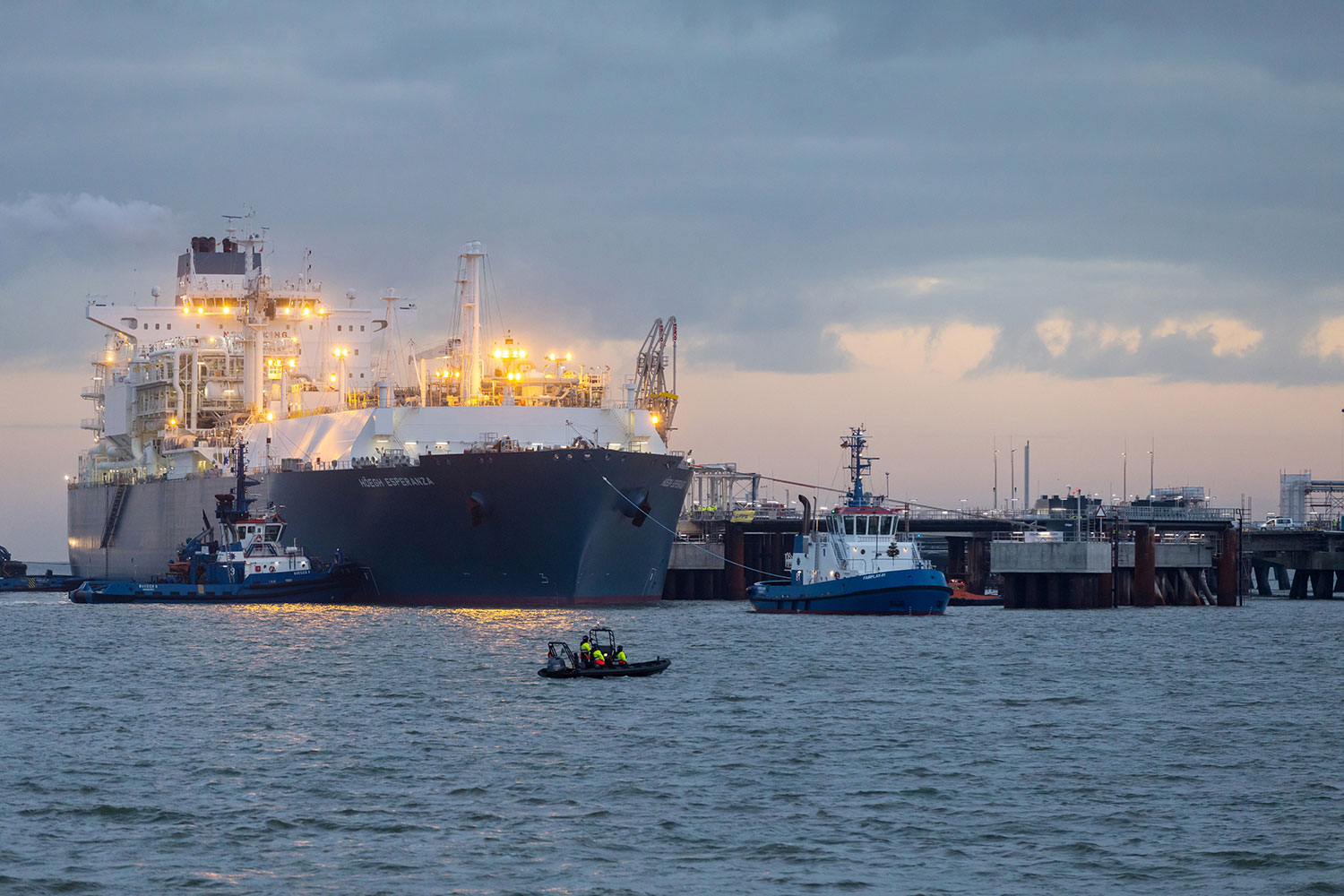
Greek shipping companies calling at Russian ports are stepping up vessel security following a series of mysterious blasts in recent months that have damaged tankers linked to Moscow’s oil trade.
According to Reuters, these precautionary measures include underwater inspections by divers to detect any foreign objects, as confirmed by two Greek sources familiar with the strategy.
Although no official conclusions from ongoing investigations have been released, security sources believe that limpet mines were likely responsible for some of the incidents.
What are limpet mines?
A limpet mine is a type of naval mine typically attached manually by a swimmer, diver, or frogman to the underside of a ship’s hull, using magnets to adhere firmly to their targets. Unlike larger sea mines placed on the seafloor or tethered by chains, limpet mines are not usually meant to sink a ship. Instead, they are designed to cause a “mission kill”, disabling and immobilizing the vessel to take it out of action.
A limpet mine is a type of naval mine typically attached manually by a swimmer, diver, or frogman to the underside of a ship’s hull, using magnets to adhere firmly to their targets. Unlike larger sea mines placed on the seafloor or tethered by chains, limpet mines are not usually meant to sink a ship. Instead, they are designed to cause a “mission kill”, disabling and immobilizing the vessel to take it out of action.
Meanwhile, three security experts advising the shipping industry, though not directly involved in the probes, said they are considering the possibility of sabotage.
The most recent incident occurred on 6 July, when the Eco Wizard, an LPG tanker, was rocked by explosions at Russia’s Ust-Luga port. Moscow’s transport ministry reported a minor liquid ammonia leak during loading operations and stated that divers would inspect the vessel.
Although the vessel’s Greek-based operator declined to comment, several sources indicated that the damage appeared consistent with the use of an explosive device.
According to Skuld Club, maintaining heightened situational awareness, reviewing routing protocols, minimising port call exposure in high-risk zones and ensuring crew preparedness is essential.