First domestic approval for eco-friendly ship technology, reducing reliance on foreign patents.
HD Hyundai Heavy Industries has been confirmed to be the first domestic company to secure technology for ammonia ship cargo tanks, which are considered next-generation eco-friendly vessels. In the case of liquefied natural gas (LNG) ship cargo tanks, massive royalties are paid each time to overseas companies that monopolize the original technology.
According to industry sources on Nov. 25, HD Hyundai Heavy Industries recently received “Design Approval,” a pre-commercialization technology verification process, from Korean Register (KR) for pump tower technology, which is the core of ammonia ship cargo tanks. Cargo tank pumps are devices that play a role in loading and unloading liquid cargo on ships. An HD Hyundai Heavy Industries official explained, “The design includes structural integrity and safety considerations that take into account ammonia characteristics.”
Key technologies for ammonia ships are still in their early stages globally. HD Hyundai Heavy Industries is the first in Korea to officially receive technology certification for ammonia ship cargo tank technology.
In eco-friendly ships, cargo tanks are essential technology for safely transporting fuel that is difficult to handle. Particularly, ammonia fuel is highly toxic and can cause suffocation if leaked, and there is also a risk of corroding equipment inside the ship. In the case of LNG, natural gas must be transported at an extremely low temperature of minus 162°C, making it crucial to properly maintain internal temperature.
Cargo tank technology is considered a vulnerability for domestic shipbuilders, requiring massive annual investments. The government and private sector have been cooperating for 20 years since the past to develop independent technology for LNG ship cargo tanks, but ultimately failed to achieve domestic production. As a result, they still depend on overseas technology. Domestic shipbuilders pay usage fees of about 5% of the ship price, approximately 10 billion to 20 billion won, to French engineering company GTT, which monopolizes cargo tank technology, each time they win LNG ship orders. According to Rep. Kim Jeong-ho’s office from the Democratic Party of Korea, the total cargo tank royalties paid by domestic shipyards to GTT over the past 30 years amount to 7.4 trillion won.
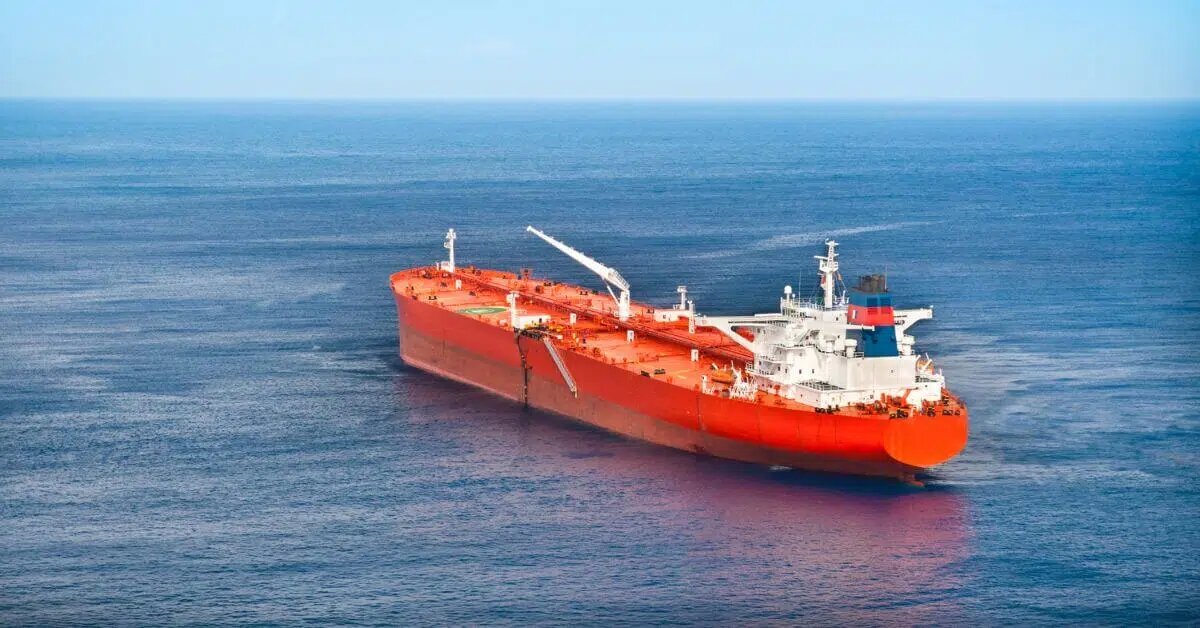
Ammonia ships are next-generation eco-friendly vessels designed to respond to environmental regulations in the maritime industry. Unlike LNG fuel, which emits a certain amount of carbon, ammonia produces no carbon emissions at all. HD Hyundai Heavy Industries started early in developing ammonia ship technology. HD Korea Shipbuilding & Offshore Engineering, the holding company of HD Hyundai Heavy Industries, won orders for ammonia carriers worth a total of 616.8 billion won in 2023 and is currently building them. In September, the company also developed a wastewater treatment system for ammonia-powered ships and received Approval in Principle (AiP) from ABS.
Other domestic shipbuilders are also accelerating the development of ammonia ship-related technologies this year. Samsung Heavy Industries received basic design certification from French classification society Bureau Veritas (BV) in September for an ammonia-based hydrogen fuel cell-powered crude oil carrier. Hanwha Ocean is developing an ammonia gas turbine capable of combustion using ammonia alone.
The industry expects ammonia ships to be fully commercialized in the market around 2030. According to global market research firm Lucintel, the global ammonia ship market is expected to show an average annual growth rate of 17.6% from 2024 to 2030.
Source: BusinessKorea