The temporary agreement reached last week between the US and Iran, which opened up commercial traffic in the Strait of Hormuz, is rapidly resolving the logistics crisis in the waterway.
As of Tuesday morning, according to data reflected in conventional and open tracking signals, seven large tankers were clearly reporting their positions in the strait.
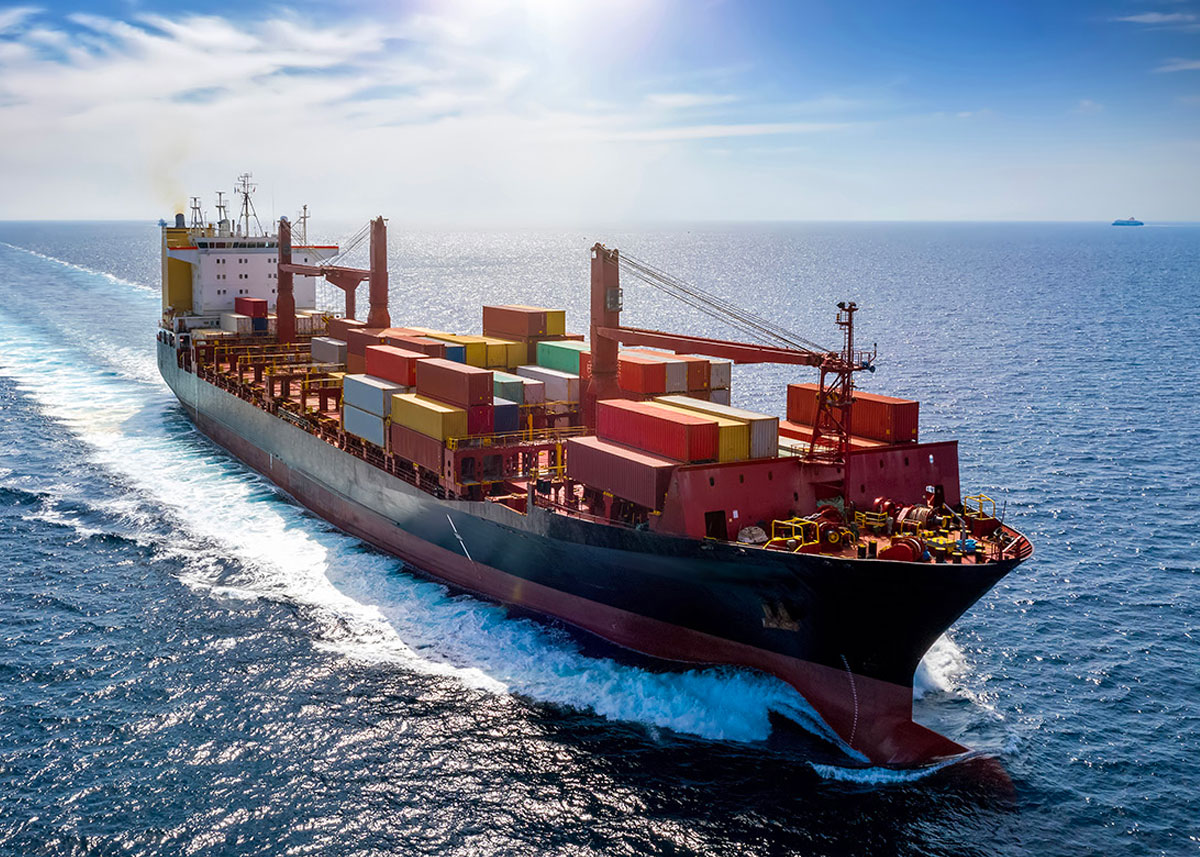
Among these vessels are two non-Iranian supertankers departing the Persian Gulf sailing fully loaded, and three product tankers on export routes. On the other side of the strait, two Iranian-flagged Suezmax-type vessels were observed approaching the passage.
The fact that the ships are openly transmitting signals without needing to conceal their identities and routes is considered the most concrete indicator that maritime trade security has been reestablished.
In recent days, it has been observed that millions of barrels of crude oil, as well as natural gas tankers entering the region, are safely transiting this strategic waterway that connects the Gulf with global buyers.
Alongside the positive picture in the Strait of Hormuz, the diplomatic talks being conducted in Switzerland aimed at reaching a lasting peace foundation between the Washington and Tehran administrations have brought about sharp sell-offs in global energy markets.
Under the influence of this geopolitical decompression, the price of Brent crude oil fell below 77 dollars per barrel on Tuesday.