Following the International Maritime Organization’s (IMO) failure to timely adopt a global regulatory framework for shipping emissions, Andrea Olivi, Global Head of Shipping at Trafigura, recently stated that in the face of the current fragmented regulatory landscape, the company has planned to incorporate multiple types of marine alternative fuels into its bunker fuel portfolio.
As one of the world’s largest commodity trading companies, Trafigura currently operates approximately 400 tankers, dry bulk carriers, and gas carriers through time charters to meet its own business and external clients’ energy and commodity transportation needs.
It is understood that Trafigura has set clear emission reduction targets: referencing the 2019 baseline set by the IMO, it aims to reduce the greenhouse gas emission intensity of its shipping operations by 25% by the end of fiscal year 2030 (i.e., October 2029 to September 2030). As of fiscal year 2024, the company has already achieved a 23% reduction.
In a recent interview with Platts, part of S&P Global Commodity Insights, Andrea Olivi revealed that in the decarbonization process, Trafigura will transition to multiple alternative fuels to gradually replace traditional petroleum-based bunker fuels. He said: “If I were to describe the Trafigura fleet in five to seven years, I can certainly say we will have dual-fuel LNG vessels, dual-fuel ammonia vessels, and dual-fuel methanol vessels.”
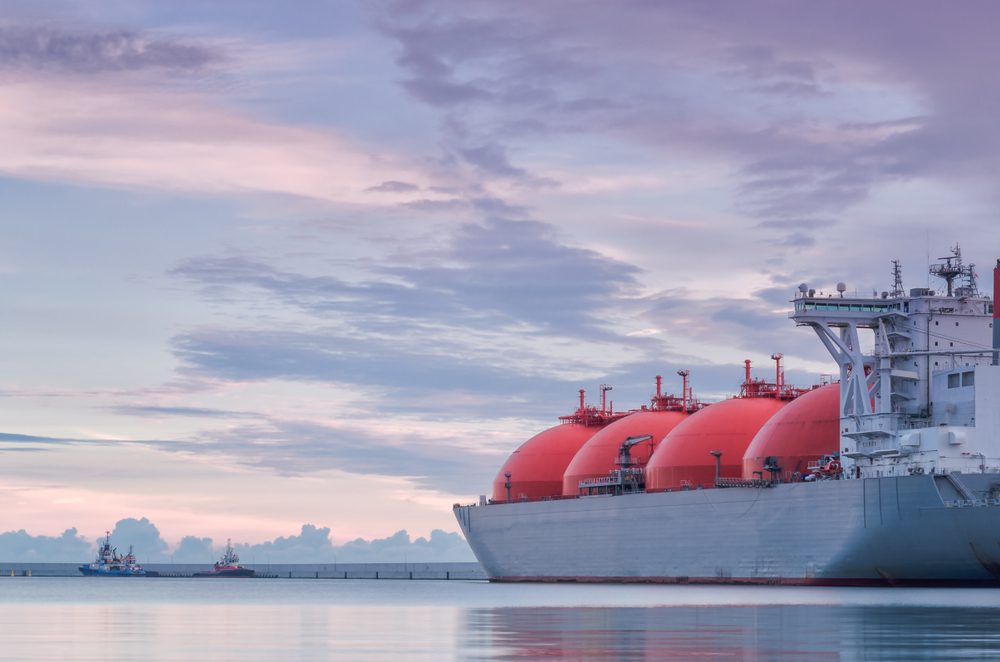
Currently, in addition to already operating vessels capable of using LNG, LPG, ethane, methanol, and biofuels, Trafigura will also take delivery of four medium-sized gas carriers equipped with ammonia propulsion technology from HD Hyundai Mipo shipyard in South Korea in 2028.
Global Framework Stalled, Regional Regulation Advances
In mid-October, due to strong opposition from the United States, IMO member states voted to delay the adoption of the “net-zero framework” by one year, raising doubts about the UN agency’s ability to effectively advance global regulatory measures. This framework was originally planned to impose charges on the global shipping industry’s greenhouse gas emissions starting from 2028, aiming to narrow the significant price gap between sustainable fuels and traditional fuels. Many industry participants, including Trafigura, widely believe this measure is crucial for accelerating the low-carbon transition in shipping.
According to Platts bunker fuel cost calculator data, the monthly average cost of the most commonly used 0.5% sulfur marine fuel oil in Rotterdam port in September was $/GJ; whereas the monthly average cost for green ammonia delivered to Northwest Europe, calculated on a cargo basis, was as high as $/GJ. However, when including EU Emissions Trading System (EU ETS) costs, the premium for ammonia use by ships on intra-EU routes narrows by 14% to $/GJ.
Andrea Olivi pointed out: “The IMO’s decision delays the implementation of a global framework, but regulatory frameworks at the regional level still exist, such as the EU ETS and FuelEU Maritime regulations in Europe. I believe more regionalized measures will emerge in the next 6 to 18 months.”
The EU has extended the ETS to shipping since 2024 and introduced FuelEU rules targeting the greenhouse gas intensity of ship energy this January. Analysts suggest that the UK, Turkey, some African countries, and China might also introduce similar regulatory policies.
Andrea Olivi stated: “We might not see a globally unified regulatory solution, but rather bilateral or multilateral cooperation models where multiple countries reach consensus and adopt the same framework. The global process is only delayed; at the regional level, many countries will still implement new regulatory measures in the future.”
Decarbonization Pace Unhalted, LNG Retains Commercial Advantage
After the delay in IMO global rules, Singapore, the world’s largest bunkering hub, announced it will collaborate with China and South Korea to establish green shipping corridors, which is expected to promote greater use of low-carbon fuels on trade routes between the three countries.
Andrea Olivi said: “I don’t think we will stop the pace of decarbonization, it’s just that the process has slowed down, and perhaps some slight adjustments to the strategy are needed, but the overall direction of decarbonization will not change.”
In fiscal year 2024, Scope 1 GHG emissions from Trafigura’s shipping and chartering business were 639,923 tonnes of CO2 equivalent, accounting for nearly 35% of the group’s total emissions.
To achieve its decarbonization goals, Trafigura plans to bunker its ammonia-powered gas carriers with low-carbon ammonia, and Andrea Olivi emphasized that this project does not rely on relevant IMO regulatory rules. “This does not affect our investment decisions, because we originally planned for these vessels to operate in regions where regulatory frameworks already exist,” he said.
Andrea Olivi added that for conventional vessels, Trafigura will use biofuels to reduce their carbon footprint, while assessing whether these vessels can be retrofitted to use alternative fuels after 5 or 10 years of operation. Although the executive emphasized that ammonia and biofuels are important components of Trafigura’s fuel strategy, LNG is still widely considered the most commercially viable option in the short term.
According to Platts bunker fuel cost calculator data, the monthly average delivered bunkering price for LNG in Rotterdam port in September was $/GJ, which is lower than the $/GJ price for 0.1% sulfur marine gasoil, even without including ETS costs.
Andrea Olivi stated: “Many people believe LNG has the potential to become a very cheap fuel in the coming years. I think the biggest challenge currently lies in the construction of LNG bunkering infrastructure.”
According to the latest data from DNV, the number of vessels capable of using LNG is projected to increase from 653 at the end of 2024 to at least 1,368 by 2028, while the number of LNG bunkering barges is expected to increase from 68 to 121.
Andrea Olivi concluded: “An LNG bunkering barge is very expensive to build, but we need more such facilities.”