Speaking at a press conference during his visit to Iraq, Araghchi stated that, based on the agreement reached with the United States earlier this month, the Strait of Hormuz will return to its pre-war operation within 30 days, once the remaining obstacles are removed.
“The responsibility for implementing these arrangements rests exclusively with the Islamic Republic,” he said, adding that “any intervention or attempt to create parallel mechanisms will complicate the situation, increase tensions, and delay the reopening of this vital maritime corridor.”
The Iranian minister linked his statements to the incidents of recent days in the region, arguing that the clashes that occurred in the Strait of Hormuz demonstrate the dangers created by external interventions.
He was referring to the American attacks on Iranian coastal facilities, which followed drone attacks against two commercial vessels near the Strait from Thursday onwards.
Araghchi did not clarify which “parallel arrangements” he was referring to.
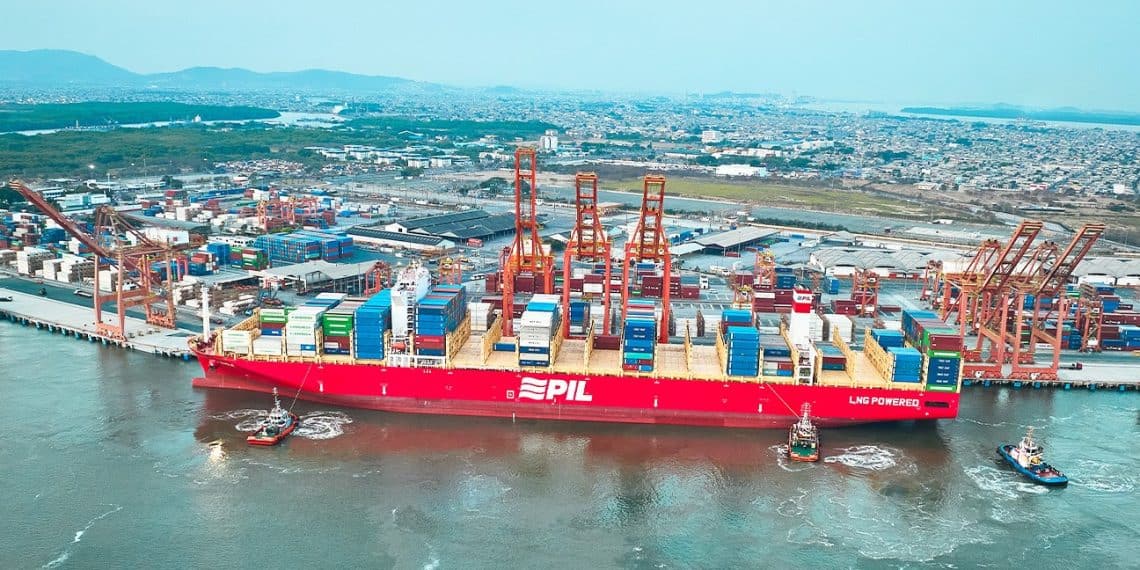
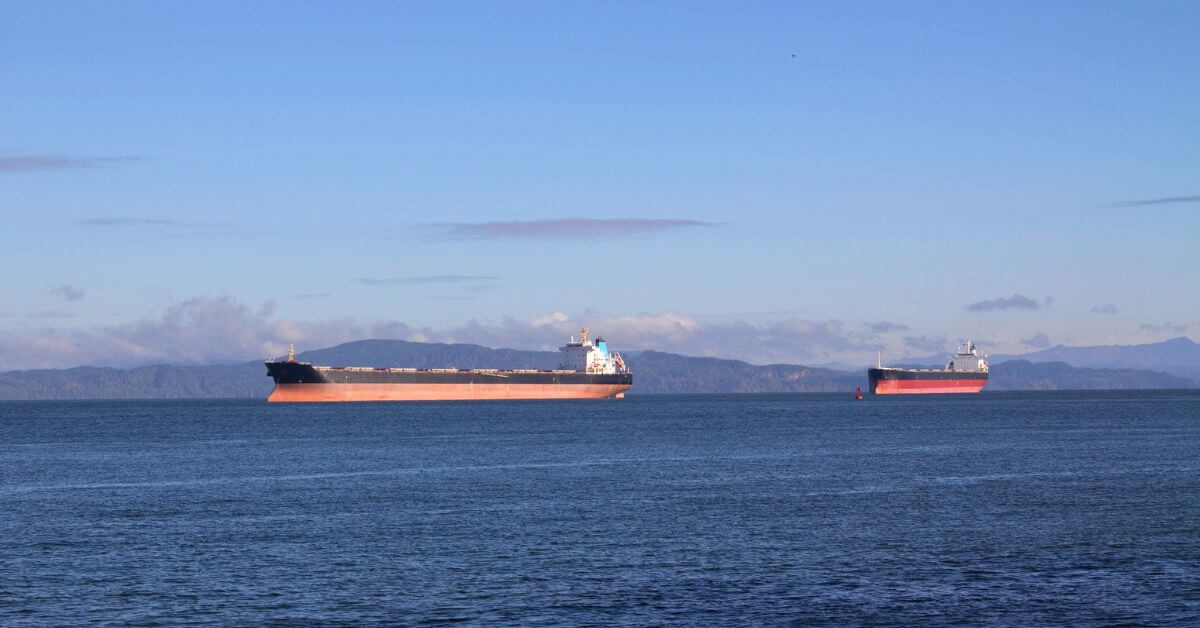
However, recently the number of commercial vessels choosing to avoid the sea routes controlled by Iran has been increasing, following a more southerly course, near the coasts of Oman.
The ceasefire agreement stipulates that Iran will make “every possible effort” to ensure the safe passage of commercial vessels through the Strait of Hormuz, an element that constituted one of Tehran’s key concessions to the United States.
At the same time, another provision of the agreement stipulates that Iran and Oman will cooperate to determine the future framework for managing the maritime passage, shaping a more formal role for Tehran in its administration.
To make more articles of Naftemporiki appear in your searches easily and quickly, you must add the site to your preferred sources. You can do this by going here.