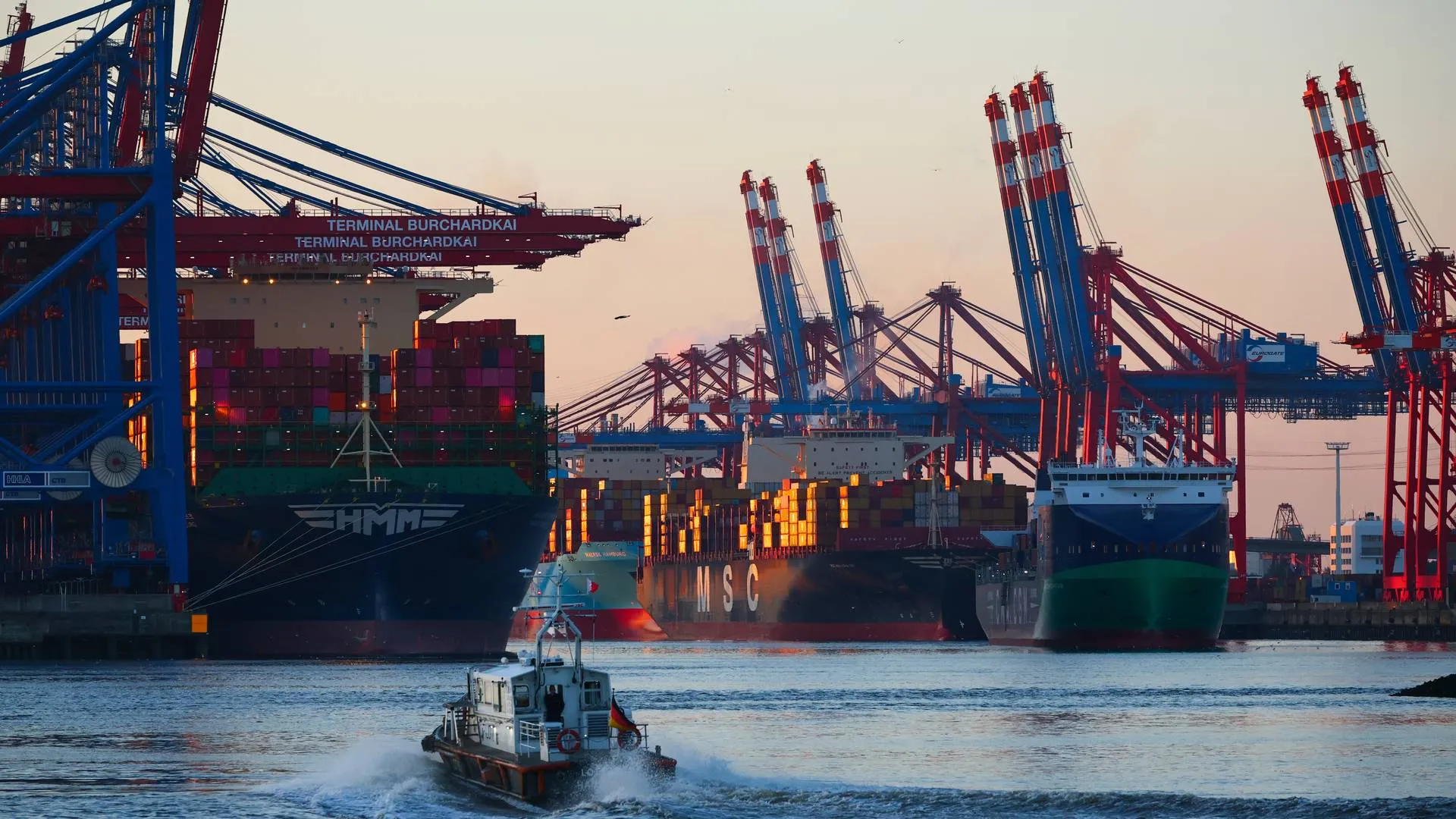
Iran has again closed the Strait of Hormuz, this time in response to Israeli attacks in Lebanon, and monitoring services say maritime traffic is respecting the closure order, despite contrary claims by the United States.
Windward analysts detected 12 transits on June 21, mostly of sanctioned Iranian-flagged vessels arriving. Operations on the southern transit corridor, managed by the United States, have largely ceased. The change represents a sharp reduction from the total of 21 ships recorded on Saturday, before the Iranian government announced the new closure of the strait. AIS data received by MarineTraffic on Saturday showed a limited number of mid-transit reversals, due to ship commanders’ reactions to the news of the Iranian closure.
“The recovery triggered by the memorandum of understanding, which began on June 18, halted within 24 hours of the announcement,” Windward assessed. “The current traffic profile is characterized by low-traffic, sanctioned waters linked to Iran and resembles more the starting situation of the blockade than that of an open and functioning strait.” Observable naval movements no longer match the picture outlined by the United States Central Command in Saturday’s update. Current traffic patterns, dominated by Iran, reflect the decision of US officials to continue allowing the unimpeded passage of Iranian vessels (under the terms of the memorandum of understanding).
“Commercial vessel traffic in the Strait of Hormuz increased on June 20, as US forces continued to operate in the area to ensure freedom of navigation,” Centcom said in an update yesterday. “Safe passage through the international waterway remained assured today as well, with 55 merchant ships transiting, carrying large quantities of goods and over 17 million barrels of oil to global markets.”
There is no obligation to coordinate with the US Navy when navigating through the strait along the coast of Oman, said the Joint Maritime Information Center, which serves as a liaison between military navies and merchant shipping, in an advisory.
Traffic through the Strait of Hormuz, which before the war handled a fifth of the world’s oil, surged on Thursday after the peace agreement between the US and Iran took effect, only to decline again the following day due to uncertainty over the safe reopening of the strait. The unblocking of supply flows could release a large amount of crude oil onto the market, and crude prices are now more than 35% below the peak reached during the war period.
“Mariners are advised to take the southern route by day and by night with AIS on, radars operating, navigation lights on, and normal use of Vhf,” said Jmic, referring to the automatic identification system via transponder and very high frequency radio communications. “Coordination with Ncags is not mandatory.”
Le navi possono percorrere la rotta meridionale senza coordinamento.”
Le navi devono prestare attenzione alla potenziale congestione e alla possibile presenza di mine nello stretto, ha dichiarato il JMIC, aggiungendo che sono previste operazioni di bonifica. Il servizio idrografico pakistano ha avvertito che venerdì è stata avvistata una minavicino all’Oman, sebbene la marina statunitense abbia precedentemente affermato che la rotta meridionale è priva di mine.
I negoziatori iraniani e americani sono volati in Svizzera per iniziare i colloqui, con diversi giorni di ritardo rispetto alla tabella di marcia, e l’Iran rimane concentrato sulla situazione delle ostilità in Libano. Israele, che non è parte del memorandum d’intesa, ha continuato ad attaccare Hezbollah, alleato dell’Iran, e altri obiettivi in Libano, violando il primo paragrafo dell’accordo tra Stati Uniti e Iran. L’Iran è riuscito a collegare la questione libanese alla riapertura di Hormuz (ottenendo una clausola per la “cessazione definitiva della guerra su tutti i fronti” nel primo articolo), trasformando l’offensiva militare israeliana in una responsabilità americana.
“Se l’articolo 1 del Memorandum d’intesa di Islamabad (MoU) firmato dai presidenti degli Stati Uniti e dell’Iran non verrà rispettato, qualsiasi negoziato tra Iran e Stati Uniti su tutti gli altri argomenti verrà interrotto” ha riportato domenica l’agenzia di stampa semi-ufficiale iraniana Tasnim News. Questo collegamento sta costringendo la Casa Bianca a esercitare pressioni sul governo israeliano affinché riduca le sue attività militari. L’amministrazione del Primo Ministro israeliano Benjamin Netanyahu non ritiene che il ritiro dal Libano sia nell’interesse nazionale di Israele e si è opposta, suscitando critiche aperte da parte di Washington.
Le prime indicazioni suggeriscono che i colloqui tra Stati Uniti e Iran in Svizzera siano partiti in modo difficile, senza un servizio fotografico né una conferenza stampa programmata. La delegazione iraniana sarebbe rimasta contrariata quando il presidente Trump ha minacciato domenica di “colpire di nuovo duramente l’Iran, proprio come abbiamo fatto la settimana scorsa, solo più duramente”. In un’intervista a Fox News, il presidente ha aggiunto che se l’Iran richiuderà lo stretto, “non avrete più un Paese, non riuscirete nemmeno a tornare nel vostro Paese”, una chiara minaccia alla sicurezza della squadra negoziale iraniana.
Nonostante le voci di un possibile abbandono dell’aula da parte degli iraniani, i colloqui riprenderanno a breve in un’altra sede con la presenza dei mediatori pakistano e qatariota, ha affermato l’agenzia di stampa iraniana Irna.