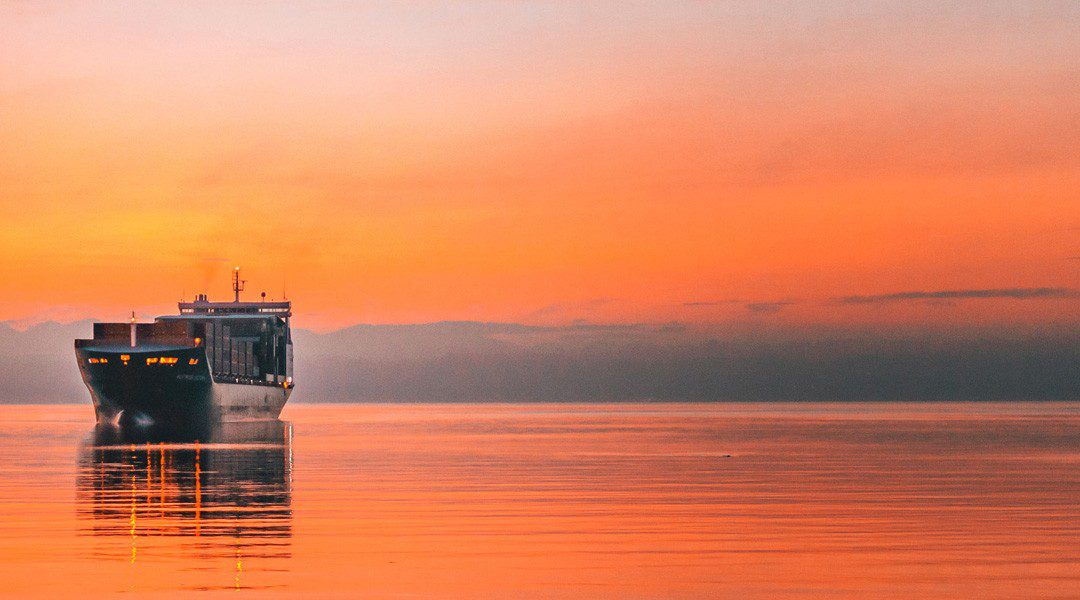
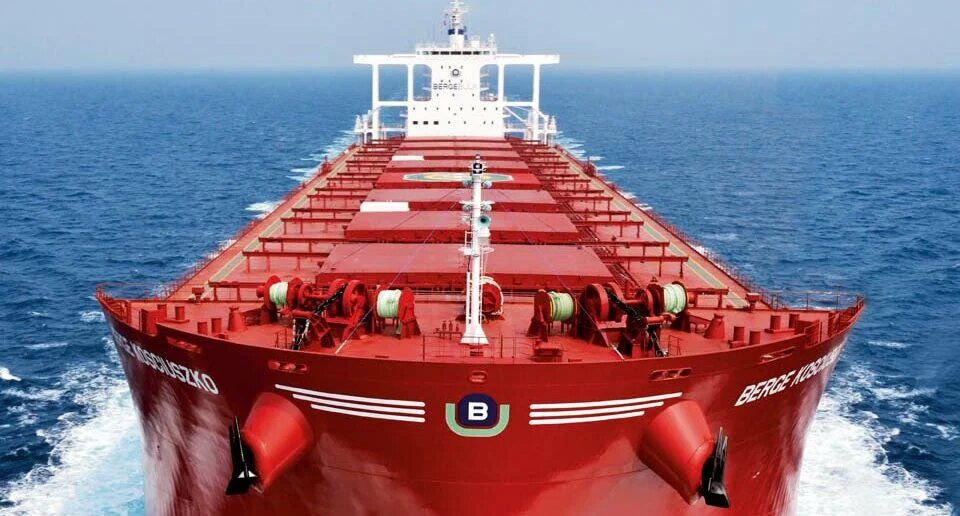
Ten Japan-linked ships were exiting the Strait of Hormuz on Monday after being stranded in the narrow waterway for months, according to media reports.
Citing shipping data from LSEG, Reuters reported that the vessels include six very large crude carriers loaded with 12 million barrels of Middle Eastern crude, as well as two chemical tankers, a vehicle carrier and a container ship.
Crudes from Saudi Arabia, the United Arab Emirates and Qatar which were loaded in late February and early March are being carried by the tankers, Reuters reported. Most of the vessels are managed by Japanese group , the news agency added.
Meanwhile, a supertanker transporting 2 million barrels of Saudi crude to South Korea also departed the strait over the weekend, according to Korean refiner . It is expected to arrive at Onsan, South Korea, on July 26, Reuters said.
The reports bolstered hopes that oil flows have begun to recover from the months-long shuttering of the Strait of Hormuz, a vital conduit through which a fifth of the world’s oil and flowed prior to the start of a joint U.S.-Israeli assault on Iran in late February.
Following an interim peace agreement between Washington and Tehran last month, benchmark global oil prices have slipped back down to pre-war levels of roughly $70 a barrel. Following the start of the conflict, crude briefly surged to above $110 a barrel.
This decline has helped to ease fears of an energy-driven inflation wave and an accompanying period of central bank interest rate hikes.
Despite the framework deal, the U.S. and Iran remain at odds over the Strait of Hormuz. Tehran has demanded that it retain some control over the strait, which partially lies just off its southern coast. The U.S. has rebuffed these demands, while the two sides are also at odds over key issues like Iran’s nuclear ambitions and fighting between Israel and Tehran-backed Hezbollah militants in Lebanon.
Talks between the U.S. and Iran were postponed for the multi-day funeral of former Iranian Supreme Leader Ayatollah Ali Khamenei, who was killed in strikes at the beginning of the war. Iran’s new Supreme Leader, Ayatollah Mojtaba Khamenei, has not yet made an appearance at the funeral ceremonies, the Associated Press reported.
Source: