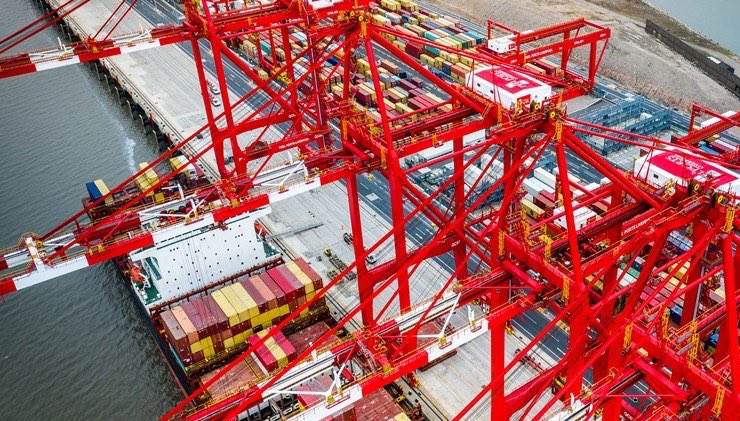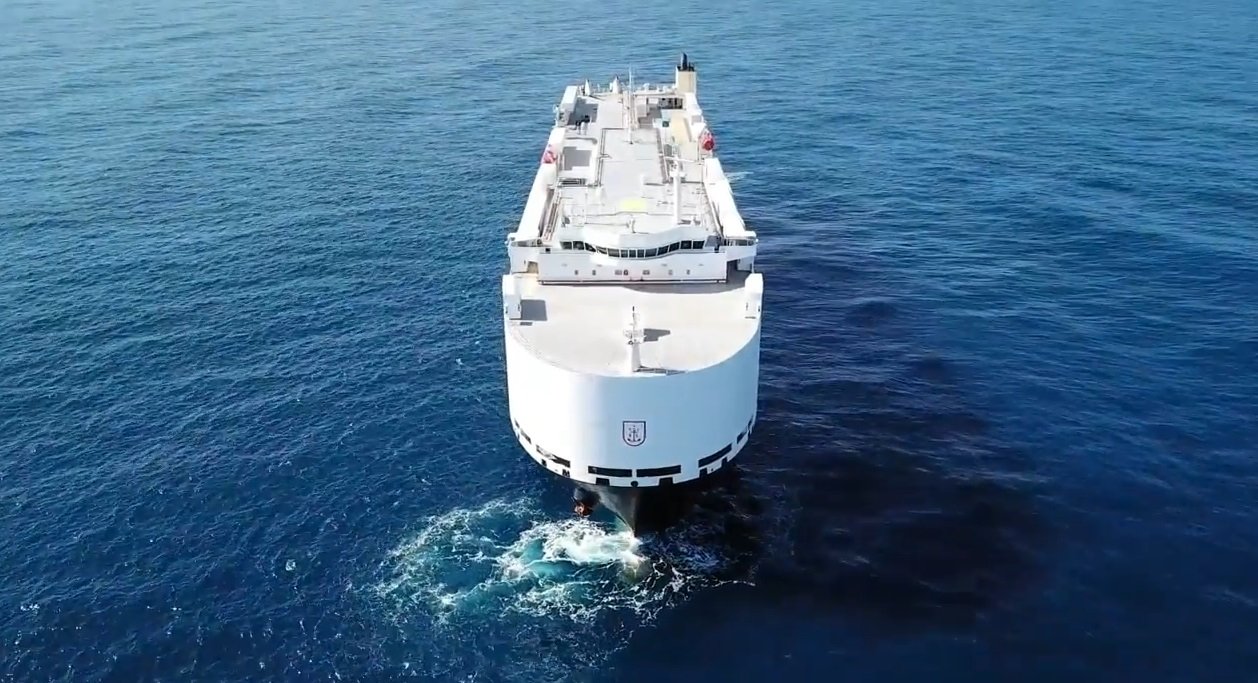
Environmental groups are sounding the alarm over reports that nearly 60 LNG tankers remain idle due to plummeting demand and an oversupplied fleet.
“Tankers floating aimlessly, seemingly abandoned by the LNG industry in search of better market conditions, perfectly illustrate LNG’s uncertain future,” said Anna Barford, Oceans Campaigner at Stand.earth. “Expanding fossil fuel exports, including LNG, has been a hot topic in Canada amid U.S. tariffs, but these projects take too long, cost too much, and will ultimately generate excessive pollution without solving today’s challenges. The market is finally reflecting what analysts have long predicted—a future without LNG.”
“Idle LNG carriers are just the beginning of a major market correction brewing since the speculative ordering frenzy of 2022,” said Rachel Eunbi Shin, Shipbuilding Campaigner at Solutions for Our Climate. “The fundamentals have drastically changed—Asian LNG demand growth has stalled while over 300 new ships, equal to half the current global fleet, will flood the market by 2027. Projects like Mozambique LNG, which planned to build 17 new carriers, now face soaring costs and shrinking demand. Smart investors are already shifting to offshore wind vessels and future-proof marine infrastructure, leaving LNG shipping as the next stranded asset class.”
The market for polluting projects like LNG Canada and Mozambique LNG is deteriorating fast. Despite LNG Canada’s first shipments and ongoing tanker movements, and despite proposed gas projects along British Columbia’s coast—including Ksi Lisims, the Prince Rupert Gas Pipeline, Tilbury, and LNG Canada’s Phase 2 expansion—the prices customers are willing to pay don’t justify the billions in subsidies being poured into these ventures. These projects will drastically increase climate pollution and tanker traffic while draining public funds and diverting investment from sustainable solutions.
“Banks must urgently address the climate and financial risks tied to their LNG shipping investments. Ten banks alone account for nearly half of all financing for sector expansion. It’s long past time for these institutions to pivot toward zero-emission vessels and infrastructure—or risk sinking with the fossil fuel industry’s climate disaster,” said Hannah Saggau, Senior Climate Finance Campaigner at Stand.earth. [1]
Subsidies and financing for maritime LNG must be redirected immediately to climate-safe practices, such as retrofitting ships for wind propulsion, building energy-efficient fleets, and expanding global renewable fuel supply systems.
Source: Stand.earth