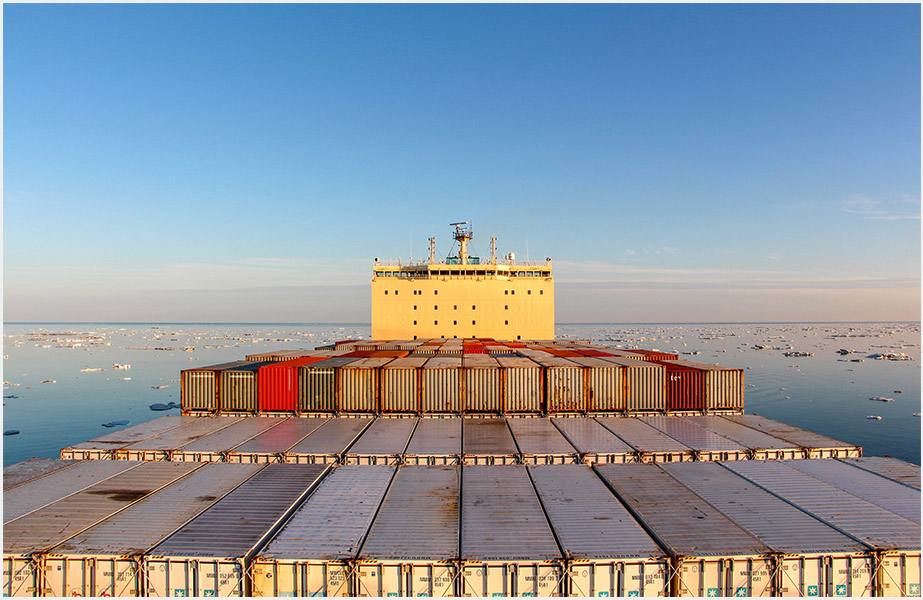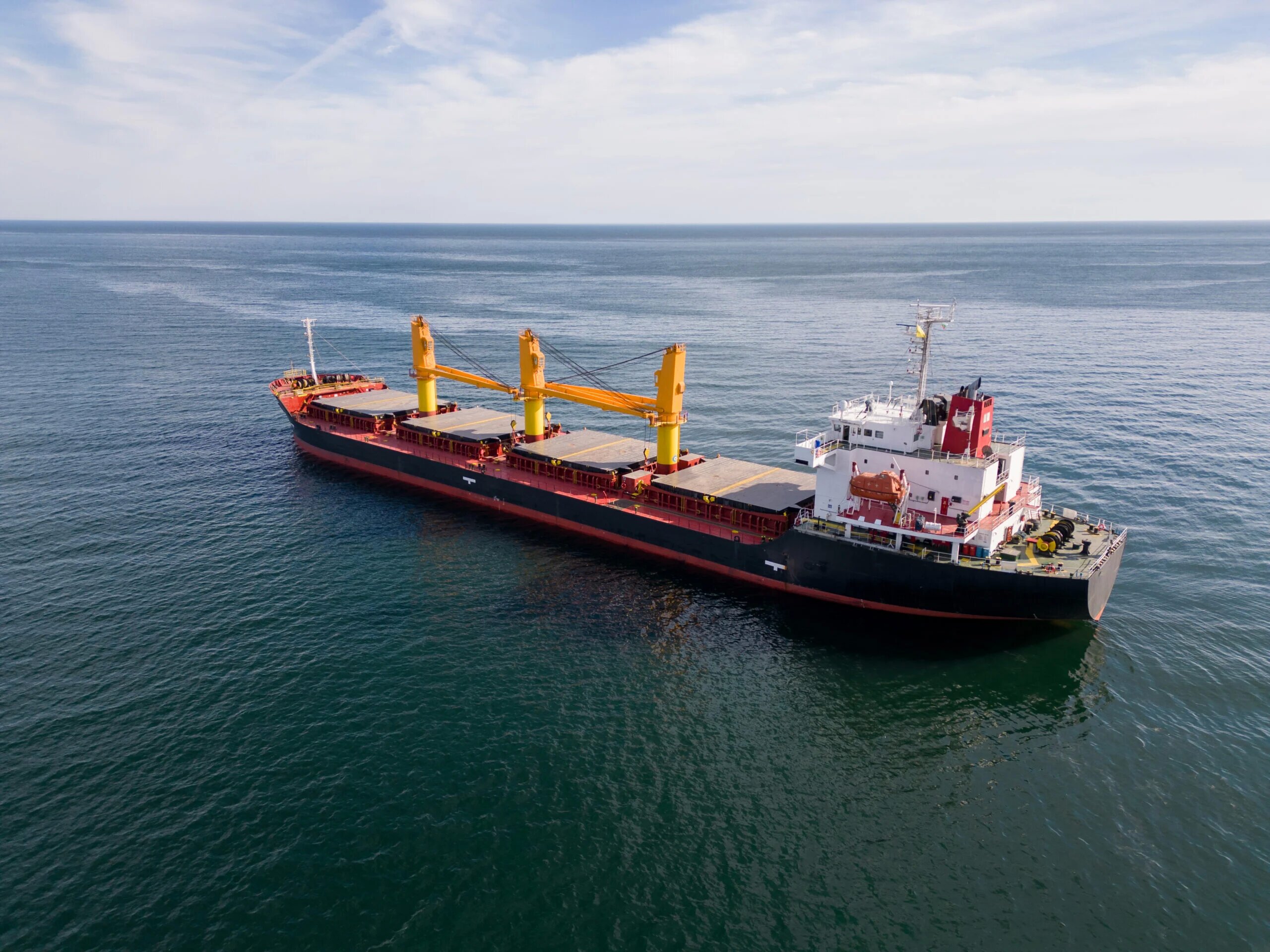
Maritime Fusion has secured 4.5 million dollars in seed funding as it works to bring fusion power to commercial vessels. The company believes maritime applications offer a more practical entry point for fusion than the wider grid. Investors say early adoption at sea could reshape how large assets generate clean energy.
Maritime Fusion, a San Francisco based start up founded by former Tesla engineers, has raised 4.5 million dollars to advance its high temperature superconducting cable technology and develop a compact fusion reactor for maritime and off grid use. The round was led by Trucks VC with participation from Paul Graham, Y Combinator, Alumni Ventures, Aera VC and several strategic investors.
The company argues that ships represent one of the earliest viable commercial environments for fusion power. Unlike most fusion developers targeting grid scale output, Maritime Fusion is designing a low power density tokamak that requires far less energy and can operate with lower uptime expectations. The founders say this approach reduces the scientific and engineering hurdles that sit between fusion research and full scale commercial reactors.
“Breakeven fusion is on the horizon, but the grid may not be the first place fusion achieves commercial success,” said Justin Cohen, co founder and Chief Executive Officer of Maritime Fusion. “By targeting applications that require lower power and lower uptime, we simultaneously reduce challenging physics problems from power exhaust to nuclear activation, while also decreasing the burden and cost impact of maintenance operations that are unavoidable in any first-of-a-kind deployment.”
Central to the company’s concept is Yinsen, a compact tokamak supported by a high temperature superconducting cable known as SHIELD. The cable is designed to handle extremely high currents while maintaining a small footprint. Maritime Fusion recently demonstrated that SHIELD could carry 5,000 amps at 77K in liquid nitrogen at its new San Francisco laboratory.
Maritime Fusion is working with Columbia University through a Sponsored Research Agreement and is conducting targeted experiments at the US Department of Energy’s DIII D National Fusion Facility. The partnerships are intended to validate the physics regime in which Yinsen will operate.
The company also intends to sell its cable technology into commercial power distribution markets, beginning with AI data centres where demand for dense high power transmission continues to rise.
Jeffrey Schox, partner at Trucks Venture Capital, said the timing is right for a focused approach. “Fusion’s impact on transportation will be enormous, obviously for the grid, but also for large-scale applications like maritime. The team picked a smart first channel, allowing them to make a significant impact well before the largest barriers to grid fusion are fully solved.”
Maritime Fusion is now recruiting across engineering, manufacturing and business development as it works toward its first commercial system.