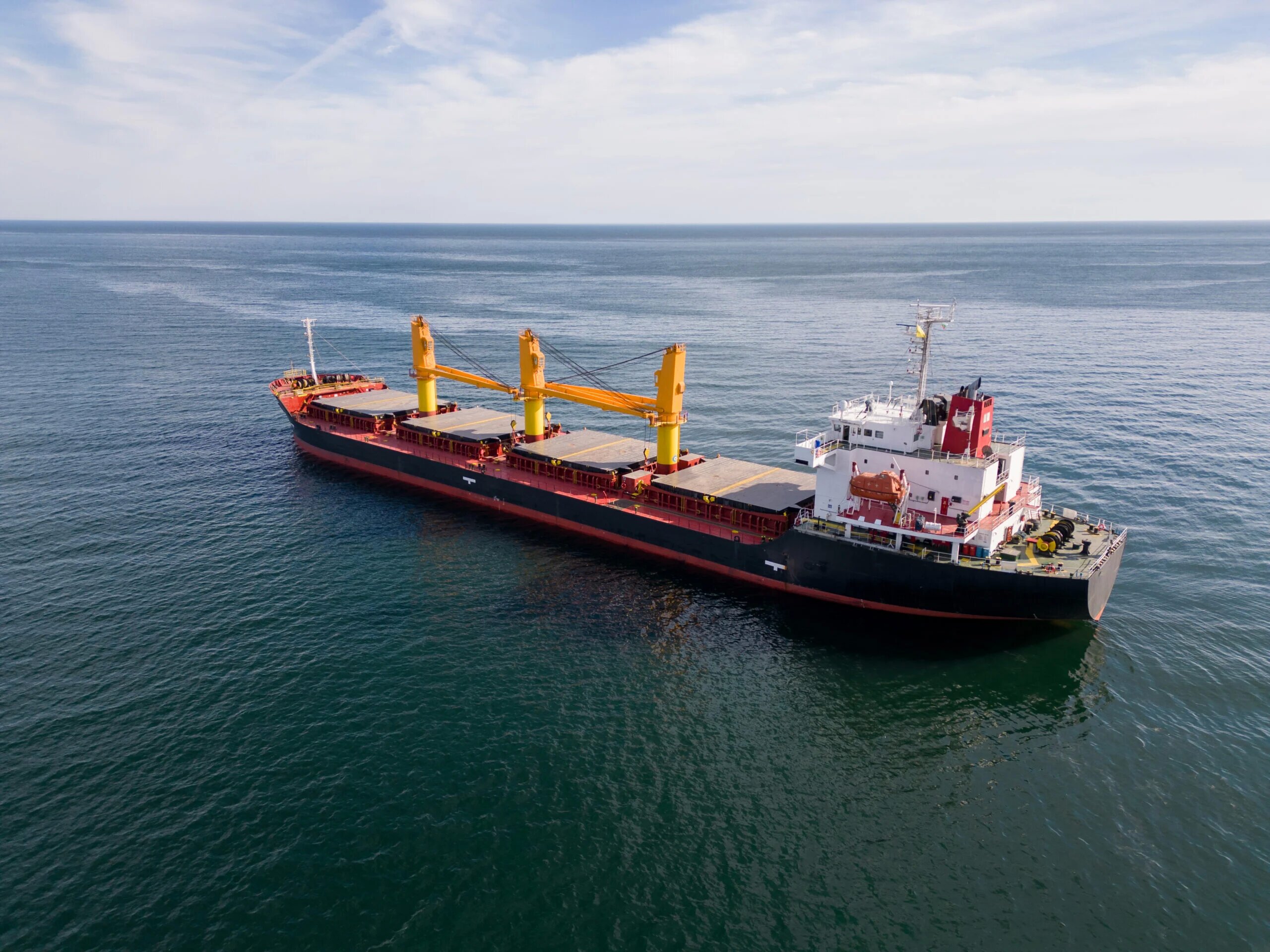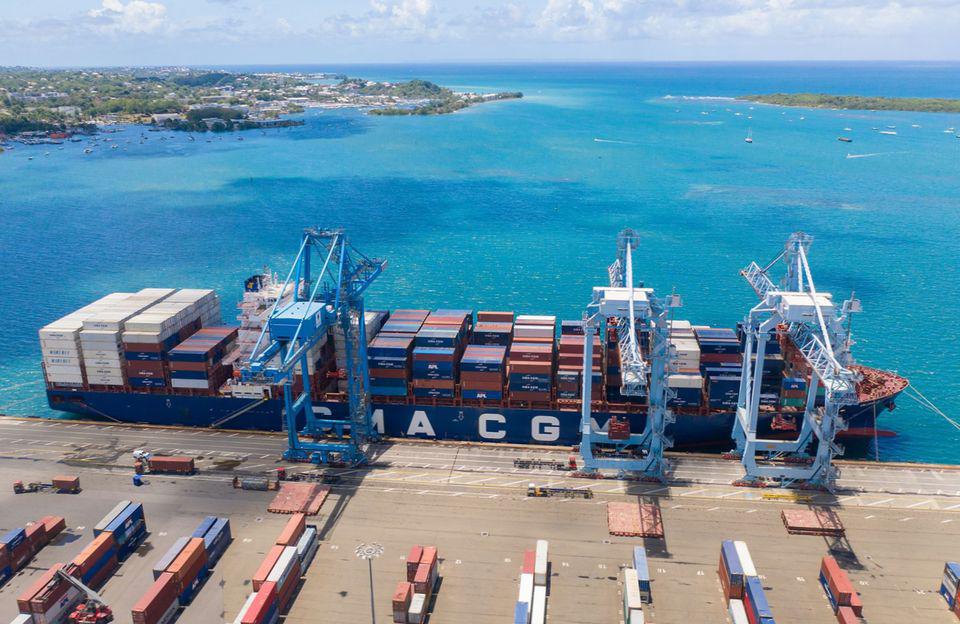
According to a recent report from Bloomberg, Israel’s airstrikes on Iran have led to a noticeable increase in freight rates and tanker stock prices. traders are now factoring in potential disruptions to the global oil shipping industry. For instance, forward freight agreements for July surged by 15%, reaching $12.83 per metric ton, as noted by Marex Group Plc. Shipowners and brokers have also indicated that actual charter rates are climbing.
Tanker stocks experienced a notable boost,with major shipping companies expressing caution about leasing their vessels in the region. Many firms are opting not to offer their ships for hire while they assess the situation following these strikes.
The Israeli military targeted various sites across Iran early Friday morning, including nuclear and military installations. This action has escalated tensions between the two nations, with Tehran warning of severe repercussions for its adversary.
Anoop Singh from Oil Brokerage Ltd commented that this situation is creating a risk premium; shipowners are hesitant to operate as usual in the Gulf due to fears of conflict affecting freight rates substantially. The attacks have reignited worries about Iran potentially attempting to close off the Strait of Hormuz—a critical passageway for global oil transport.
While Tehran has threatened this closure before, it’s generally believed such actions would be temporary; however, harassment of commercial vessels belonging to rival nations remains a concern—something Iran has done previously.
Shipping companies based in Tokyo like Nippon Yusen KK and Mitsui OSK Lines were fast to advise their fleets on exercising increased caution after these events unfolded. In Asia’s stock market, Cosco Shipping Holdings Co. and China Merchants Energy Shipping Co saw gains exceeding 5% on Friday alone.Lars Barstad from Frontline expressed increased reluctance regarding vessel charters originating from the Middle East due to heightened risks associated with these developments.
Prior warnings from UK naval authorities highlighted that any escalation coudl disrupt shipping routes through vital chokepoints like Hormuz—where much of the world’s oil supply flows through daily.The Joint maritime Facts Center (JMIC) also raised alarms about elevated risks stemming from ongoing hostilities and potential missile usage near key maritime routes. They advised vessel operators prepare option navigation options should electronic systems fail during transit through these areas.
Barstad mentioned that past conflicts had seen ships organized into “flotillas” under naval protection when navigating Hormuz—a process he described as inefficient but necessary for safety during tense times which ultimately drives up freight costs due to delays caused by waiting vessels rather than free movement.
blocking access through hormuz would severely impact tankers loading cargoes from major oil producers like Saudi Arabia or Kuwait—an extreme measure unlikely sustained over time given its implications for global energy needs according to Barstad’s insights.
currently, around 10% of very-large crude carriers (VLCCs) operate within the Gulf at any moment—with approximately 20 vessels passing through Hormuz daily.
Market reactions will likely hinge on war-risk insurance premiums moving forward as Neil Roberts pointed out; insurers must be notified when ships traverse this already designated high-risk area due largely becuase collateral damage concerns may rise even if current strikes target non-maritime locations specifically.
However, prolonged disruptions could negatively affect tanker markets if rising oil prices dampen demand or if there is an extended halt on Middle Eastern crude shipments altogether.
On another note though Jayendu Krishna at Drewry Maritime Services suggested ancillary services ensuring safe passage might see growth alongside bulk carrier rates benefiting since over 10% of global dry-bulk trade originates here handling essential commodities like ores or minerals.
“Expect war-risk premiums related directly tied into movements /from this region,” Krishna added noting how recalibrating supply chains takes time amidst such volatility.