Ancona, Civitavecchia, Brindisi, Livorno, Gioia Tauro, La Spezia, Porto Torres, Bari, Napoli, Catania, Ravenna and Barletta. Between space requirements and digitalization, ongoing investments on the quays of Italian ports
byMarco Molino
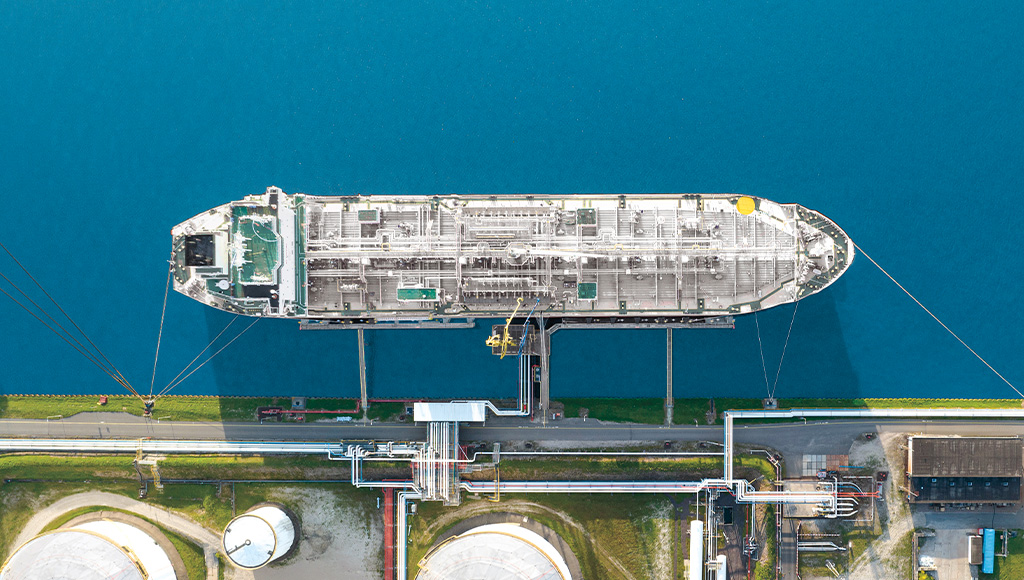
Every port is a small city with its streets, squares and warehouses, with workshops and waiting rooms, with offices, shops and restaurants. An entire world that revolves around the arrival and departure of ships. Operations, however, that would be impossible without those fundamental structures for a maritime terminal: the piers. It is along those concrete boundaries between land and sea that the fate of port clusters is decided.
A competitive terminal must now have equipped and functional quays. The watchword is “innovate” and also this year in Italy many ports have invested funds (or plan to do so) to electrify the piers and make the seabeds suitable for the docking of large ships. Old buildings have been demolished to make way for new ones, work has been done to expand them and create new berths, or to renew old concessions. Art has also found its space on these solitary outgrowths of the cities destined to welcome ships. Let us therefore discover, in a quick overview, what the most significant interventions (or institutional steps) of 2025 have been.
Almost to underline the importance of piers for shipping, in the month of January the Mediterranean Shipping Company (Msc) group requested from the Central Adriatic Sea Port System Authority a concession of areas and quays in the port of Ancona to be allocated to cruise traffic. Msc proposes to build a cruise maritime station on the area with a surface of 2,600 square meters to organize reception, welcome and handling of cruise passengers, deal with safety and security activities, set up a luggage storage and possible bar, restaurant and shop services.
In the port of Civitavecchia, the yards of quays 33 and 34 of the ferry dock have instead already been delivered in March. The intervention should allow for the implementation and increase of the operational areas of the Lazio terminal by a further 50 thousand square meters of fully urbanized yards, which are equipped with 11 30-meter light towers with LED lighting and a new fire-fighting system.
Meanwhile, in Brindisi , in the month of April, the works for dredging and quay construction between the petrochemical pier and Costa Morena Est and the creation of new berths at Sant’Apollinare began. In the reclamation basin project, work was done to significantly increase the permeable surface and reduce the volume of the basin by approximately 150 thousand cubic meters. This also includes the reduction of the docking front, the expansion of the channel (from 45 meters to 130 meters) and a different arrangement of the land boundaries and the western bank of the channel.
In the same days, the modernization of the port infrastructures dedicated to the agri-food chain began in Livorno with the delivery to a Temporary Grouping of Companies of the works for the restoration of part of the east quay of the industrial canal.
The work involves the reprofiling of approximately 450 meters of quay at a section of berth 33, and at berths 34 (under concession to Grandi Molini Italiani) and 35 (serving ships transporting fresh agri-food products destined for the adjacent Reefer Terminal).
In May, approval was given for the construction of the “Resecazione della banchina di Ponente nei tratti G-H-I” project at the port of Gioia Tauro. The work was necessary to allow large ships to pass in the port channel when other ultra-large ships are present along the northern side of the Levante quay, in order to also make section D functional at a depth of 17.4 meters.Confirming the importance of cold ironing, in October the “Memorandum of Understanding” was signed, also in Gioia Tauro, between the AdSP and the Mit to ensure financial coverage for the electrification works of the Levante quay and the ro-ro quays.
In La Spezia, the Eastern Ligurian Port System Authority granted the Tarros Group the use of the water area in front of the space already under concession, a total surface area of 4,352 square meters. The concession, which started on June 1st, is a prerequisite for the construction of the pier planned in the first phase of the terminal expansion works, an intervention that will help increase the volumes of the port of La Spezia.
During the month of May, the tender for the expansion of the Molo San Cataldo, where the Coast Guard is currently based, was also launched in Bari . Three new mooring points, with a length of approximately 400 meters, will be built on the Molo San Cataldo; while the remaining areas will be allocated to both the Coast Guard and the tourist marina.
In Porto Torres, the relocation of the military fort and the statue of the Madonna to the Sardinian port was announced in June, a prerequisite for the start of the resecazione works, for a length of 80 meters, on the Alti fondali quay. Approval of the project by the Superintendence of Archaeology, Fine Arts and Landscape is awaited. Also in Sardinia, the Rocce Rosse square in Arbatax was the focus of a radical landscape redevelopment with the demolition of an abandoned and unsafe building, formerly used as offices for the local port company, an information point and restrooms that never became operational, which constituted a real obstacle to the influx of thousands of visitors into the area.
The port of Naples meanwhile inaugurated the art season on its piers in July. The façades of industrial buildings have in fact become “canvases” for artists who have helped strengthen the link between the sea and the city. The first work of the “Il porto dei murales” program is signed by Mr. Pencil, aka Domenico Acampora, an artist from Torre del Greco and is created on an industrial building located in the Calata Porta di Massa area. The Tuscan ports of Livorno, Piombino and Portoferraio are instead involved in the works to implement the cold ironing systems, the electrification of the quays which will allow moored ships to switch off their auxiliary engines, reducing pollution.
The Northern Tyrrhenian Sea Port System Authority announced that a substantial portion of the excavated routes has been completed, particularly in the port of Livorno, with the laying of cable ducts in both the passenger and container areas.
In the port of Catania, the restyling of pier 25 has been completed, an intervention that now allows the Sicilian port to have a third dock dedicated to cruise traffic. The structure has a berthing line of 405 meters with a minimum seabed depth of 9 meters and a seven-thousand square meter parking area dedicated to tourist buses and land logistics.
The port of Ravenna, instead, is focusing on Artificial Intelligence to manage the adaptation of the quays and the new Trattaroli terminal, supplied with rails and other components. The choice of the most suitable rails was made with the support of the Politecnico di Milano.
Finally, in the port of Barletta, work began in October on the installation of the new lighting system for the Levante Breakwater. The project, paid for entirely by the Southern Adriatic Sea Port System Authority, involves the installation of new light poles from the root to the tip of the pier, with LED lighting fixtures that simultaneously provide perfect visibility of the entire area while significantly limiting the impact on energy consumption.
In conclusion, what food for thought does this brief overview provide? Essentially, that piers remain fundamental to the economy of Italian ports, but the international competitiveness of the ports depends – as the System Authorities well know – on the ability to innovate (soon) these imposing structures.
–
top image credit