The investment further reinforces MPCC’s transition toward a younger, more efficient, and environmentally compliant fleet, reducing exposure to regulatory and environmental risk.
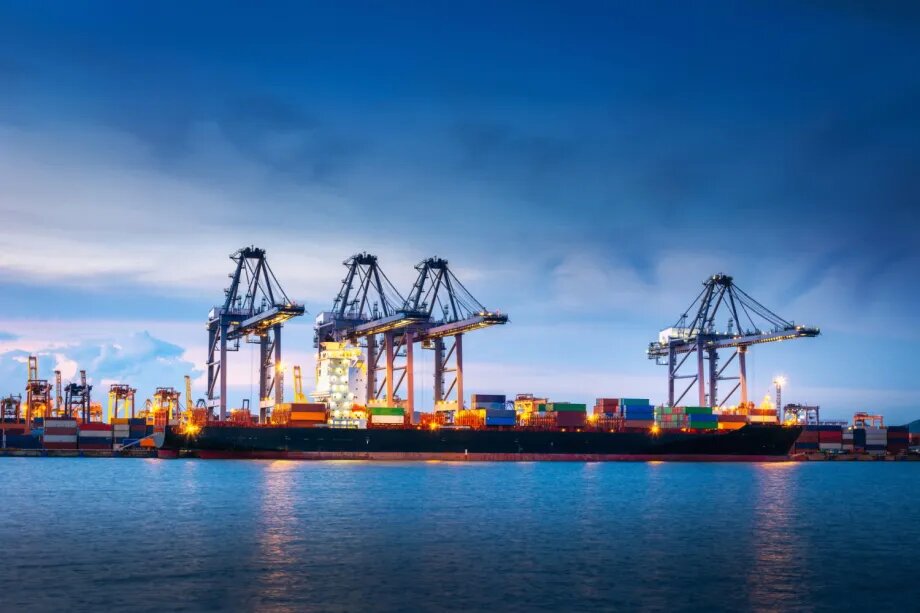
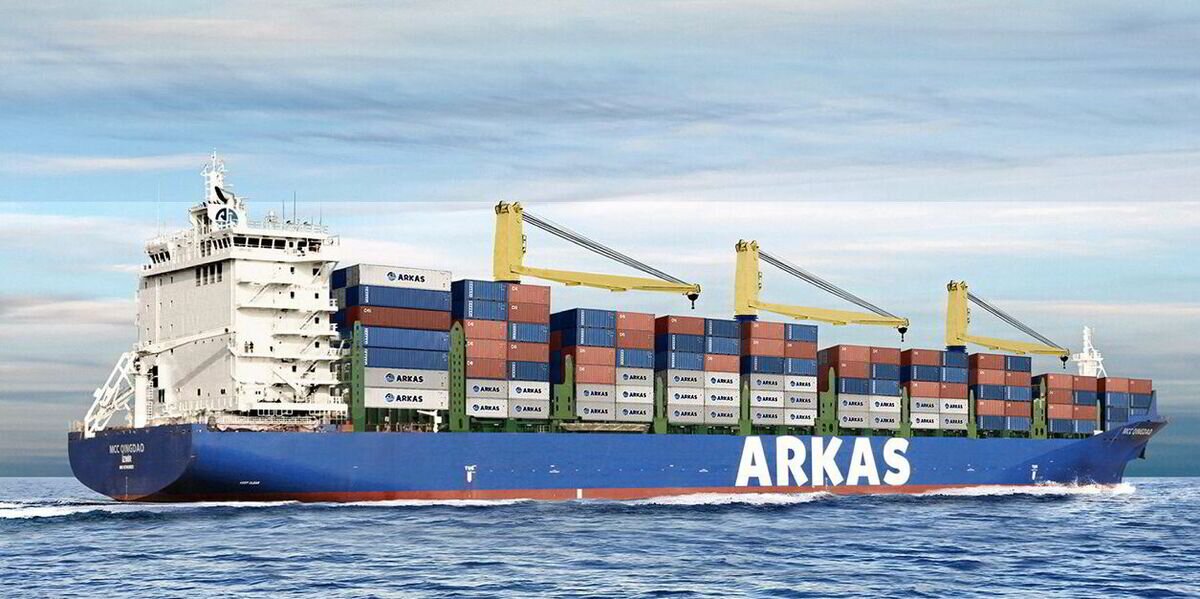
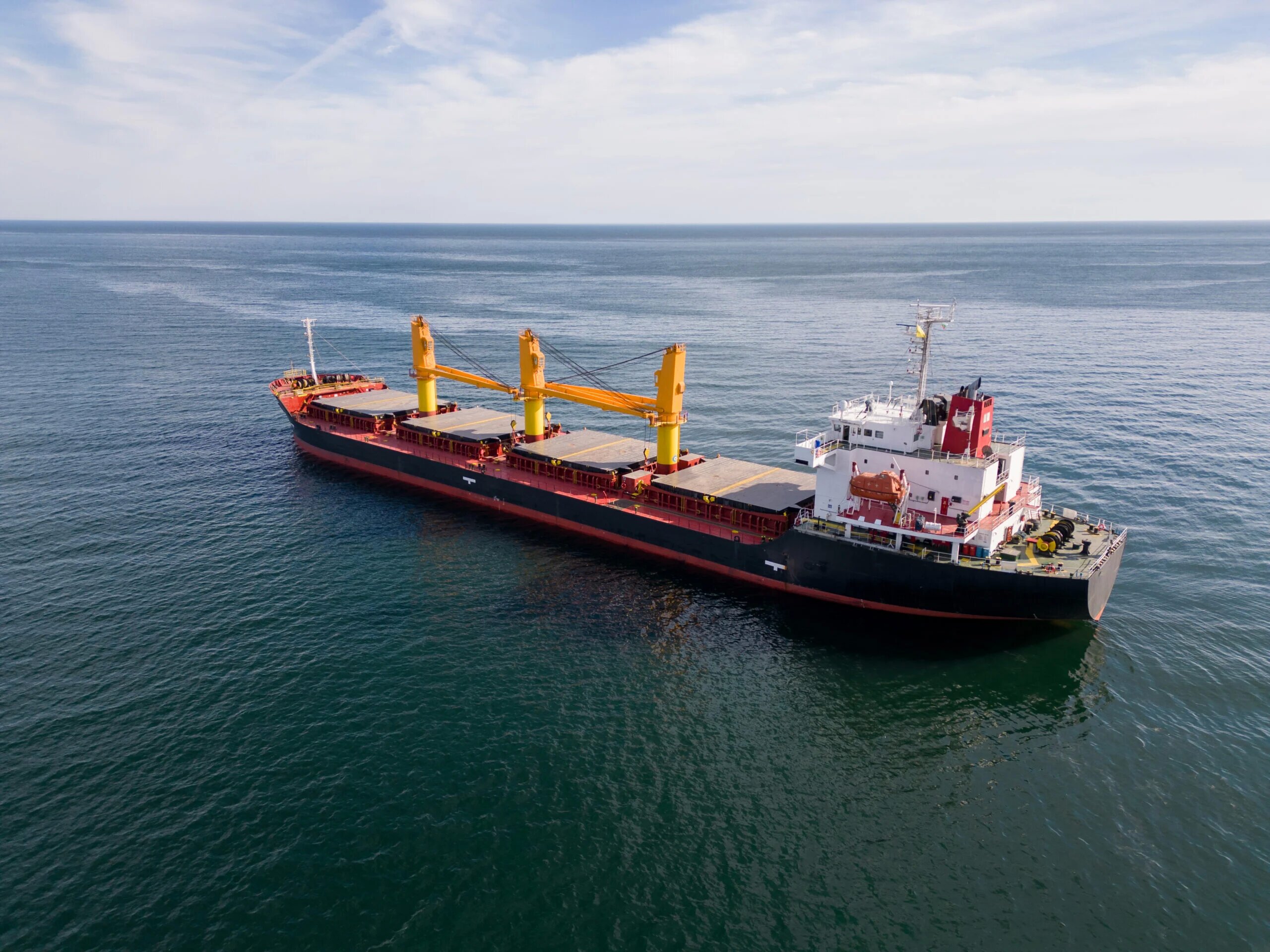
MPC Container Ships (MPCC) is modernizing its fleet and strengthening its long-term earnings visibility with the order of four 4,500 TEU container vessels, an investment of USD 228 million. The strategic initiative includes three-year charters, divested older non-strategic tonnage, and expanding financing platform with new debt facilities totalling over USD 100 million.
The four vessels are being built at a shipyard Taizhou Sanfu Ship Engineering in China. With deliveries scheduled from the second half of 2027, MPCC holds several options for additional vessels, offering future scalability in line with market opportunities. Each vessel has been fixed on a three-year charter with a leading global liner company, expected to generate approximately USD 140 million in revenue and contribute around USD 100 million in EBITDA over the contracted charter period.
The new vessels will feature the latest energy-efficient technologies and have ~50 percent lower slot costs compared to many peer vessels currently in operation. These 4,500 TEU container vessels will be dual-fuel ready, enabling future conversion to ammonia or methanol, aligning with global maritime decarbonization goals. The investment further reinforces MPCC’s transition toward a younger, more efficient, and environmentally compliant fleet, reducing exposure to regulatory and environmental risk. The project will be financed through a mix of equity and debt, ensuring flexibility and a prudent capital structure.
Constantin Baack, CEO of MPCC, said their ongoing fleet renewal strategy is further reinforced by these measures. “They underscore our ability to structure value-accretive transactions and secure long-term employment with top-liner companies. Backed by a strong balance sheet and enhanced by the new financing facilities, we are expanding our capacity to pursue value-enhancing opportunities in alignment with our strategy.” He highlighted that these steps deepen their strategic partnerships, enhance earnings visibility, and support the company’s growth ambitions, ultimately promoting long-term shareholder value creation and strengthening the long-term value.”
Debt Financing
MPCC successfully tapped the outstanding senior unsecured sustainability-linked bond and entered the Japanese lending market earlier this year. It continues to secure attractive debt financing, supporting the company’s fleet renewal efforts. MPCC recently drew under two debt facilities – a USD 52 million facility with KFW-IPEX and a USD 50 million facility with Deutsche Bank that features a USD 250 million accordion option. Both facilities are secured by modern ECO-vessels, whereas the Accordin option further increases MPCC’s balance sheet flexibility going forward. The company continues with a moderate leverage strategy, while 27 vessels remain debt free on the balance sheet.
Moreover, MPCC will divest three non-strategic 1,300 TEU vessels for a total consideration of USD 31.5 million, with existing charters attached. The average age of the sold vessels is 18 years, and the transactions imply a NAV of NOK 25-26 per share. These sales will reduce the revenue backlog by approximately USD 10 million, subject to vessel handovers. The vessels are sold to unrelated parties, and the completion of the sale transaction is subject to the successful handover of the vessels. Additionally, and in line with the current positive container market environment, MPCC has secured new 2-year charter contracts with two top-tier liner companies for the vessels AS Serena, AS Sophia, AS Angelina, and AS Penelope.
It reflects MPCC’s continued focus on maintaining a modern, efficient, and environmentally compliant fleet, while positioning the company with a strong balance sheet and investment capacity to capitalize on market opportunities, improve profitability, and deliver sustainable long-term shareholder value. The new vessels will be accretive to both EPS and DPS from delivery.