The global maritime industry is witnessing a historic transition as Mediterranean Shipping Company (MSC) formalises its generational handover.
This landmark MSC Ownership Succession marks the culmination of a multi-year strategy to ensure long-term stability for the world’s largest container line. Founder Captain Gianluigi Aponte has officially transferred ownership of the Geneva-based giant to his children, Diego Aponte and Alexa Aponte. Completed in the final quarter of 2025 and announced in early 2026, this move secures the family legacy while the company continues to dominate global trade routes and expand its massive fleet.
The Mediterranean Shipping Company’s history is one of the most remarkable entrepreneurial stories in modern business. Founded in 1970 by Gianluigi Aponte and his wife, Rafaela Aponte-Diamant, the company began as a single-vessel operation with the purchase of an old German cargo ship named the Patricia. From these humble beginnings in Naples, Gianluigi Aponte steered MSC through decades of organic growth, avoiding the massive mergers and acquisitions that defined many of its rivals.
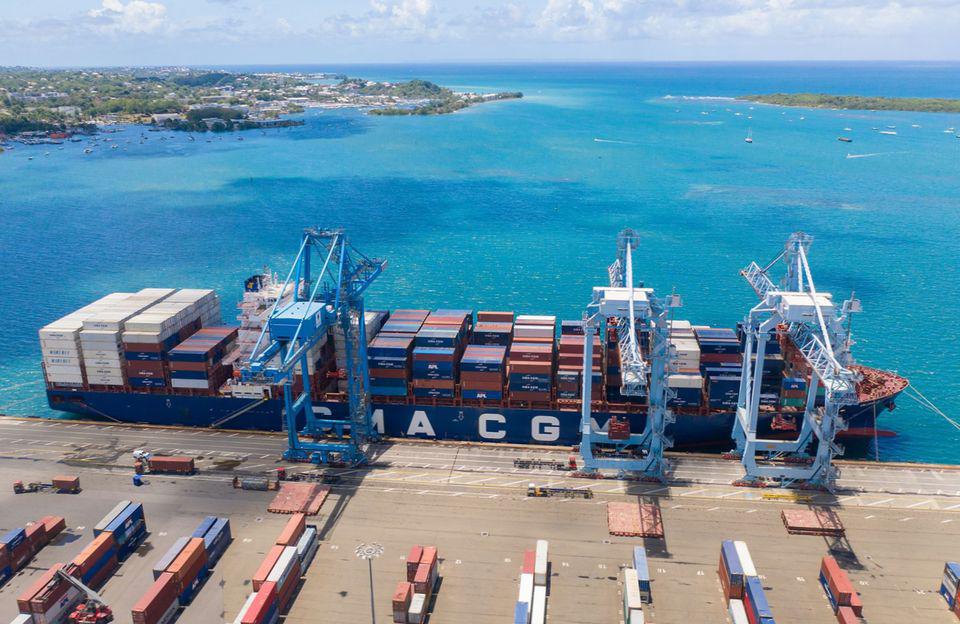
By the late 1980s, MSC expanded into the cruise industry, and by the 1990s, it began ordering newly constructed container ships. The company’s headquarters moved to Geneva, Switzerland, in 1978, where it remains today. In January 2022, MSC achieved a long-held goal by surpassing Maersk to become the world’s largest container shipping line. Today, the group operates approximately 1,000 vessels, calls at over 520 ports, and employs a global workforce exceeding 200,000 people.
The formal MSC Ownership Succession is designed to provide continuity as the industry navigates a complex post-pandemic landscape. Under the new structure, Diego Aponte continues his role as Group President, a position he has held since 2014, while Alexa Aponte serves as the Group Chief Financial Officer. Gianluigi Aponte, now 85, remains invested in the carrier as Executive Chairman, providing strategic oversight and preserving the founding vision.
This transition occurs as the carrier aggressively expands its integrated logistics capabilities. Beyond ocean freight, the Aponte family has invested heavily in:
– Port terminal operations through Terminal Investment Limited (TiL)
– Air cargo services with the launch of MSC Air Cargo
– High-speed rail transport via a significant stake in Italy’s Italo
– Land-based logistics and inland transportation networks.
Managing such a vast and diverse empire requires a deep understanding of seafarers and the challenges and opportunities of life at sea, as the human element remains central to MSC’s operational success. The company’s ability to maintain an innovative and resilient culture during this handover is viewed by analysts as a key indicator of its future performance.
As of 2026, MSC has solidified its lead, capturing a global container shipping market share of over 21%. With a fleet approaching 7.3 million TEU, the company is significantly larger than its nearest competitor. This dominance is supported by a record-breaking orderbook of over 2 million TEU, suggesting that MSC’s market position will only deepen throughout the decade.
The scale of MSC’s operations allows it to navigate market volatility and regulatory shifts more effectively than smaller niche players. The company has committed to industry-leading sustainability standards, investing in energy-efficient vessels and alternative fuels like LNG and biofuels to meet International Maritime Organization (IMO) decarbonization targets. This strategic focus on green fleet renewal is essential for maintaining competitiveness as global shippers increasingly demand environmentally responsible supply chains.