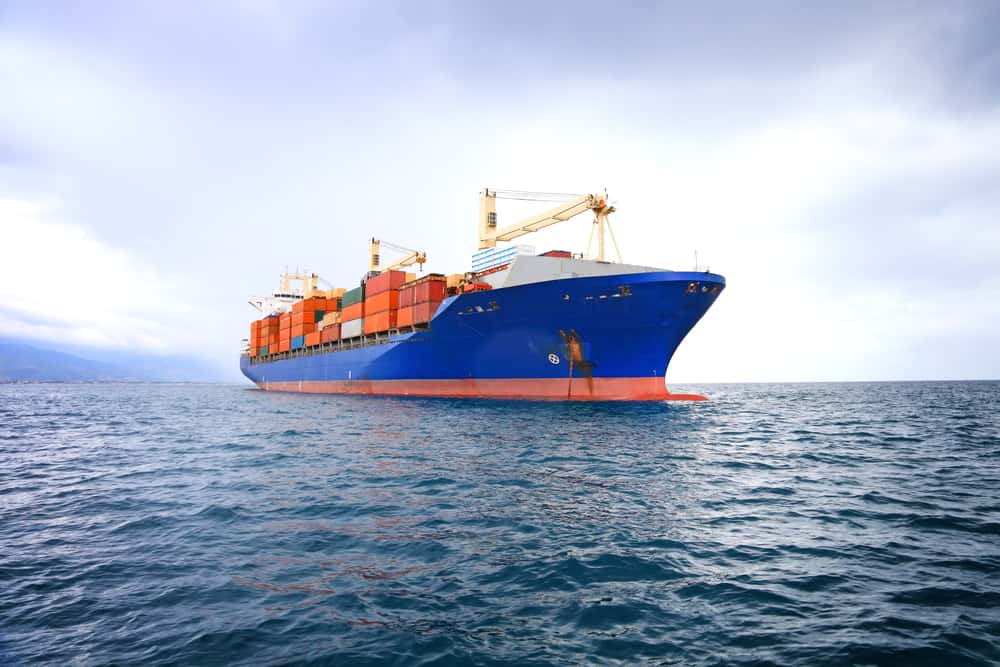
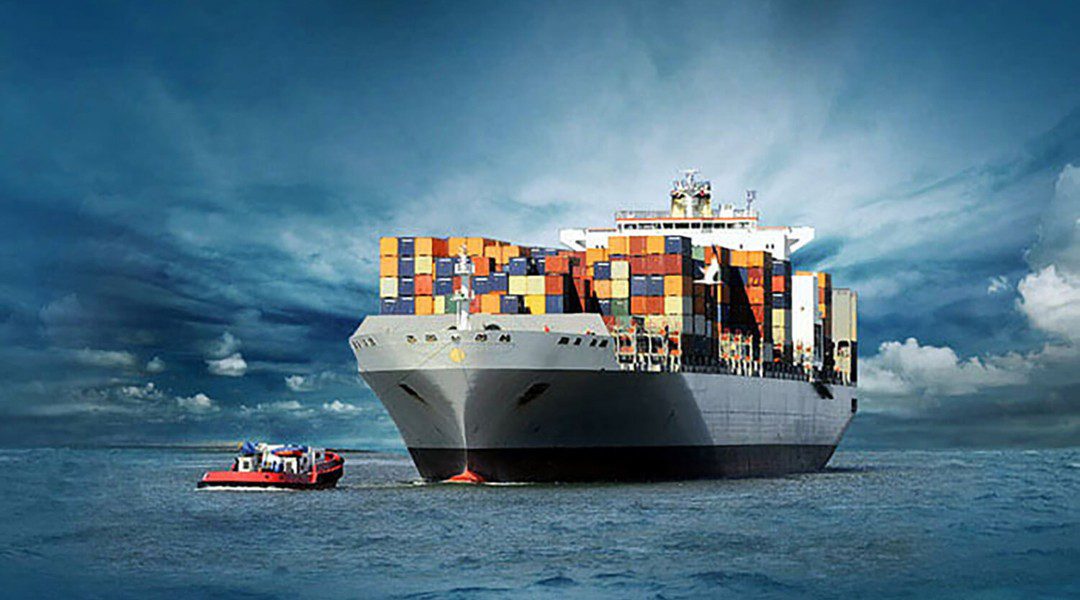
Recently, Mediterranean Shipping Company (MSC) filed a lawsuit in the U.S. District Court for the Southern District of New York, claiming US$276,300 in damages from a U.S. freight forwarder named Cargoloop over an explosion and fire caused by the undeclared shipment of a container loaded with second-hand new energy vehicles.
Unlike ordinary cargo damage claims, this case traces liability back to the shipping stage, once again bringing the safety of new energy vehicle transport and compliance management of dangerous goods into the industry spotlight.
A container fire at sea
According to court documents publicly filed in the New York court and reports from The Maritime Executive, in August 2023, CargoLoop entrusted MSC to carry two 40-foot high cube containers loaded with second-hand, previously damaged electric vehicles, from California, U.S. to Lithuania.
On September 2, 2023, while the vessel was sailing near Baja California, Mexico, an explosion occurred on board and ignited a fire. MSC stated in its complaint that the source of the fire originated from one of the containers provided by CargoLoop, and the fire subsequently spread to another container also loaded with electric vehicles, causing multiple surrounding containers to be affected by fire, water damage, and firefighting operations.
After the incident, the vessel made a temporary port call in Mexico to discharge, inspect, and restow the containers involved, and commissioned a third-party agency to conduct a fire investigation.
MSC presents multiple possible causes in its complaint
It should be noted that the case is still in judicial proceedings, and the court has not yet made a final determination on liability for the incident.
According to the complaint filed by MSC, the investigating agency believed the fire may have been related to the following factors:
The wooden supports used to secure the vehicles became unstable during transport, causing the upper vehicle to press down on the lower vehicle, resulting in damage to the traction battery;
The vehicles may have been impacted during container loading or forklift handling, causing damage to the batteries;
Some vehicles may not have had their power disconnected or traction battery connections disconnected as required for transport.
MSC believes that the above circumstances ultimately led to thermal runaway inside the container and ignited the fire.
CargoLoop has not publicly responded to the above allegations as of yet, and final liability still awaits the court’s ruling.
Why MSC chose to sue its customer
In this lawsuit, MSC is demanding approximately US$276,300 in compensation from CargoLoop, including fire investigation costs, expenses for claims from other cargo owners, costs for re-handling and disposal of cargo, losses from damaged containers, as well as pre-litigation mitigation costs, attorney fees, and interest.
Compared to the amount of compensation, what is more noteworthy is MSC’s approach.
In recent years, liner companies have been continuously strengthening accountability for accidents caused by undeclared dangerous goods, misdeclarations, and improper container loading practices. From lithium battery products to new energy vehicles and energy storage equipment transport, shipping companies are increasingly inclined to pursue recovery from responsible parties through legal channels, rather than relying solely on traditional insurance claims or general average handling.
In fact, some international liner companies have successively adjusted their new energy vehicle transport policies. For example, some shipping companies have stopped carrying second-hand or damaged electric vehicles, while others have further raised the requirements for container loading, declaration, and transport conditions, implementing stricter review standards for related cargo.
In recent years, exports of new energy products have continued to grow, and transport demand for electric vehicles and lithium battery-related cargo has been increasing, while transport risk management requirements have also been rising in tandem.
For cargo owners and freight forwarders, whether vehicles have damage, whether the traction battery condition meets transport requirements, whether container loading and securing methods are compliant, and whether dangerous goods declarations are accurate may all directly affect transport safety and become important basis for liability determination after an accident occurs.
With MSC filing this lawsuit, the final judgment is still pending before the court. However, looking at the trend, shipping companies’ risk control for dangerous goods transport is being further moved forward, and the scope of liability tracing is gradually covering all stages including shipping, packaging, container loading, and declaration.
As the scale of new energy cargo shipping continues to expand, the requirements for compliance management and risk control among all parties involved in transport will also be further raised.