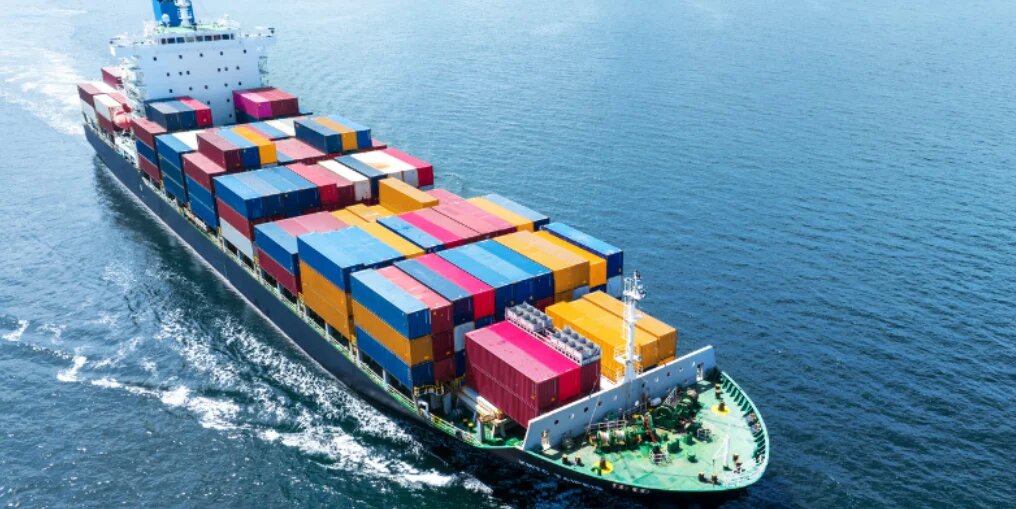
The United Kingdom Maritime Trade Operations (UKMTO) recently issued a notification stating that between October 3rd and 7th, multiple vessels in the Gulf region reported significant interference with their Global Navigation Satellite System (GNSS) signals. The most severely affected areas were concentrated near Bandar-e-Pars in southern Iran, the Strait of Hormuz, and Port Sudan. Simultaneously, a widespread phenomenon of “abnormal speed” in vessel AIS was also observed throughout the Gulf, Port Sudan, and the Suez Canal area.
Qatar’s Ministry of Transport announced this Monday a partial lifting of the previously implemented “unprecedented nationwide maritime navigation ban.” It now allows non-conventional vessels to sail during daytime, while restrictions remain in place at night. This ban, which took full effect on October 4th, was described by authorities as an “almost unprecedented” measure.
However, despite the comprehensive restrictions, liquefied natural gas (LNG) carriers and some merchant vessels appeared to be exempt. According to AIS data analysis by Trident Risk Advisors, vessel operations in the areas of Doha, Qatar, and Ras Laffan Port remained largely normal during the ban period.
Users in Doha reported abnormal “drifting” of their navigation positioning towards Iran, sparking speculation that the region might be experiencing electronic interference or “GPS spoofing” attacks. This situation aligns with recent concerns about rising navigation safety risks in the Persian Gulf.
In fact, the Joint Maritime Information Centre (JMIC) had issued a warning as early as May 19th this year, alerting vessels navigating the Red Sea and the Strait of Hormuz to “enhance vigilance and recognize GNSS interference.” It also recommended “not relying entirely on electronic navigation or autopilot systems” during voyages, especially in high-risk sea areas where interference is frequent.
From the Baltic Sea to the Persian Gulf, GPS signal interference and spoofing have become a normalized threat to shipping safety, raising international concerns about potential “hybrid interference” against energy transport and global trade routes.
UKMTO calls upon vessels navigating within its Voluntary Reporting Area that encounter anomalies with their electronic navigation systems to promptly report the incident details. It also encourages providing relevant photos or video materials to assist in investigation and monitoring.