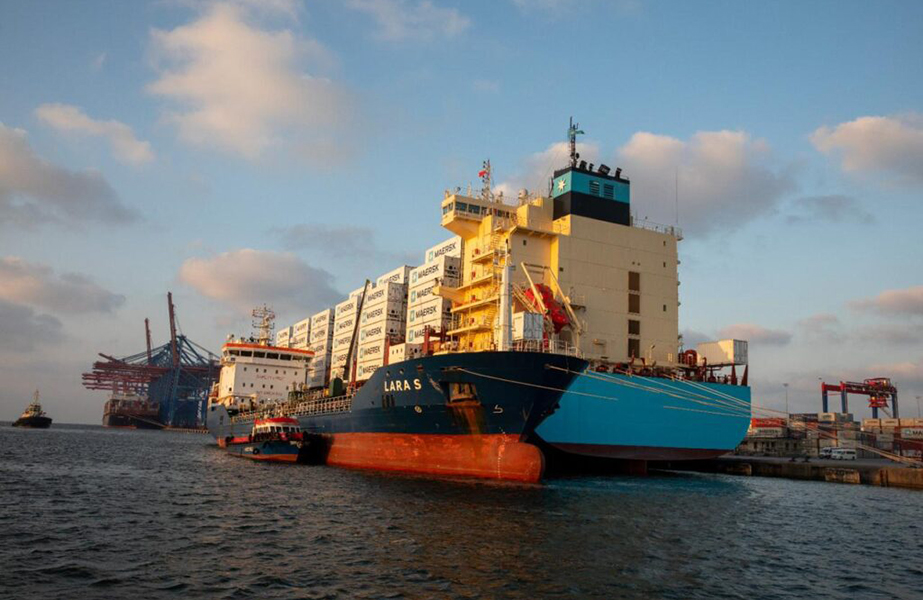
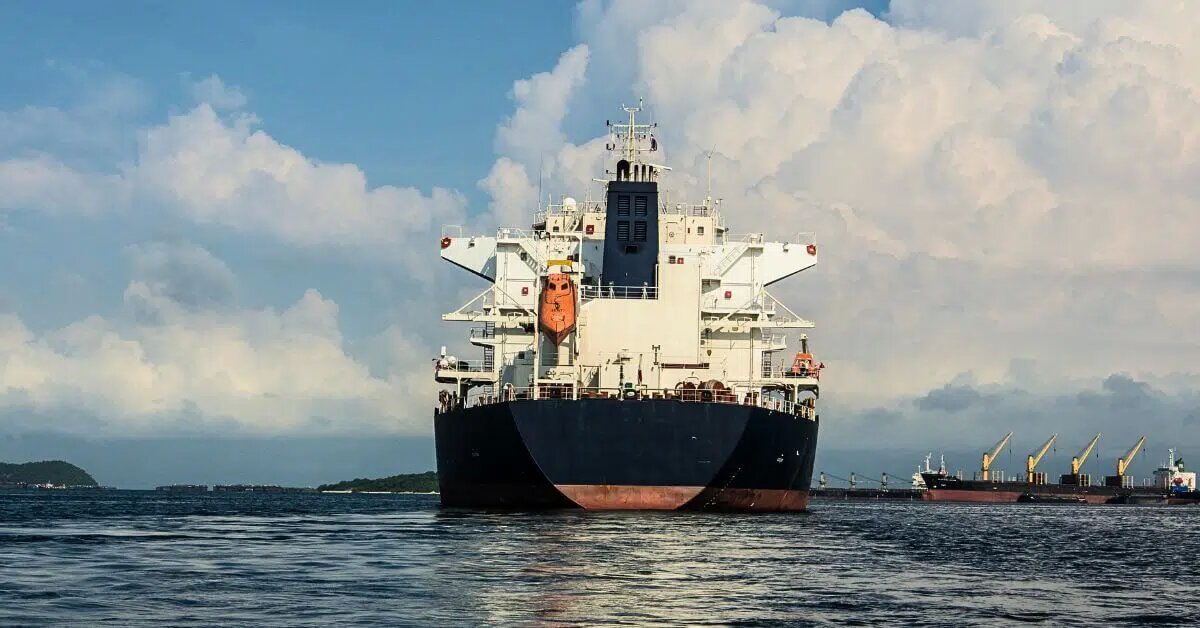
According to local media, Mexico will experience a nationwide strike starting at 5:00 AM local time on November 24.
Mexico’s largest port, “Port of Manzanillo,” has also announced a suspension of cargo reception due to the strike!
The resumption time will be notified separately.
This nationwide protest action is organized by the National Association of Transport Workers (ANTAC) and the Mexican Farmer Agriculture Movement (MAC). Participants include transport workers and farmers, who are holding a nationwide blockade concerning security, freight costs, and water law reforms.
It is understood that specific measures of this strike include: setting up roadblocks on multiple major traffic arteries, specifically targeting and blocking cargo transportation, and simultaneously announcing an “occupation of customs” action to pressure the authorities.
Reportedly, the Manzanillo Port Authority has issued a report stating that “in view of the declarations from multiple unions this week about implementing road closures, and the chaotic situations occurring in multiple customs offices, including Manzanillo.”
Port operations are facing significant external shocks.
Additionally, it is important to note that, according to the strike notice, besides Manzanillo, other customs points affected by this strike (on November 24, Monday local time) include Nuevo Laredo, Veracruz, among others.
As Mexico’s largest Pacific port, the Port of Manzanillo holds an irreplaceable position in the country’s international trade system.
It is also a core hub for Chinese goods entering Mexico, making the operational status of the Port of Manzanillo crucial for China-Mexico cross-border trade.
The port handles approximately 4000 truck transport demands daily, undertaking 42% of China-Mexico sea freight volume, and is a “lifeline” for inventory preparation for many cross-border sellers.
It is understood that as of the afternoon of November 24, the Port of Manzanillo had 38 vessels pre-arriving, 1 vessel anchored and arrived, and 6 vessels berthed; anchorage duration / average waiting for berth 2h / operation duration / port stay duration 47h;
Reportedly, this strike is not the first occurrence; Mexico has experienced multiple strike incidents since late October.
The Shipping Advantages of Manzanillo Port
The Port of Manzanillo (including ports in both Mexico and Panama) is a highly competitive shipping hub in Central America, with its core advantages reflected in *** dimensions.
Geographically, it is located at the convergence point of North American, Central American, and South American shipping routes; the Mexican port radiates into the North American interior, and the Panamanian port is adjacent to the Panama Canal;
It also possesses natural deep-water channels, has no port closure period throughout the year, and boasts high operational stability.
In terms of hardware, it is equipped with advanced loading and unloading equipment, has strong container handling capacity, and specialized berths meet the operational needs of diverse cargo types.
The route network is dense, with direct sailings to major global ports and feeder services covering Central America.
Furthermore, free trade zone policies reduce costs, electronic customs clearance enhances efficiency, and its proximity to the North American consumer market and Latin American economic growth also provide the port with stable cargo source support.
Preventive Measures
Urgently adjust shipping routes and port call plans: Immediately review in-transit and pending shipments, temporarily divert vessels originally scheduled to call at Manzanillo Port to alternative ports such as Mexico’s Veracruz Port, Lázaro Cárdenas Port, or the US Port of Los Angeles. Communicate with shipping companies in advance regarding space and route changes to avoid cargo delays.
Strictly control cargo dispatch and warehouse management: Suspend sending new import cargo to Manzanillo Port. For goods already packed and awaiting shipment, coordinate with warehouse companies to temporarily store them in the bonded zone of the port of origin or a transshipment port;
For goods that have already arrived at the port but have not been picked up, promptly contact local agents to track storage situations and apply for减免 of demurrage and detention charges.
Follow port dynamics and policies in real-time: Assign dedicated personnel to liaise with the Manzanillo Port Authority, local logistics agents, and industry associations to obtain real-time information on strike progress, port channel opening times, etc.;
Simultaneously, monitor changes in Mexican customs policies, prepare backup customs clearance documents in advance, and ensure rapid customs clearance once port operations resume.