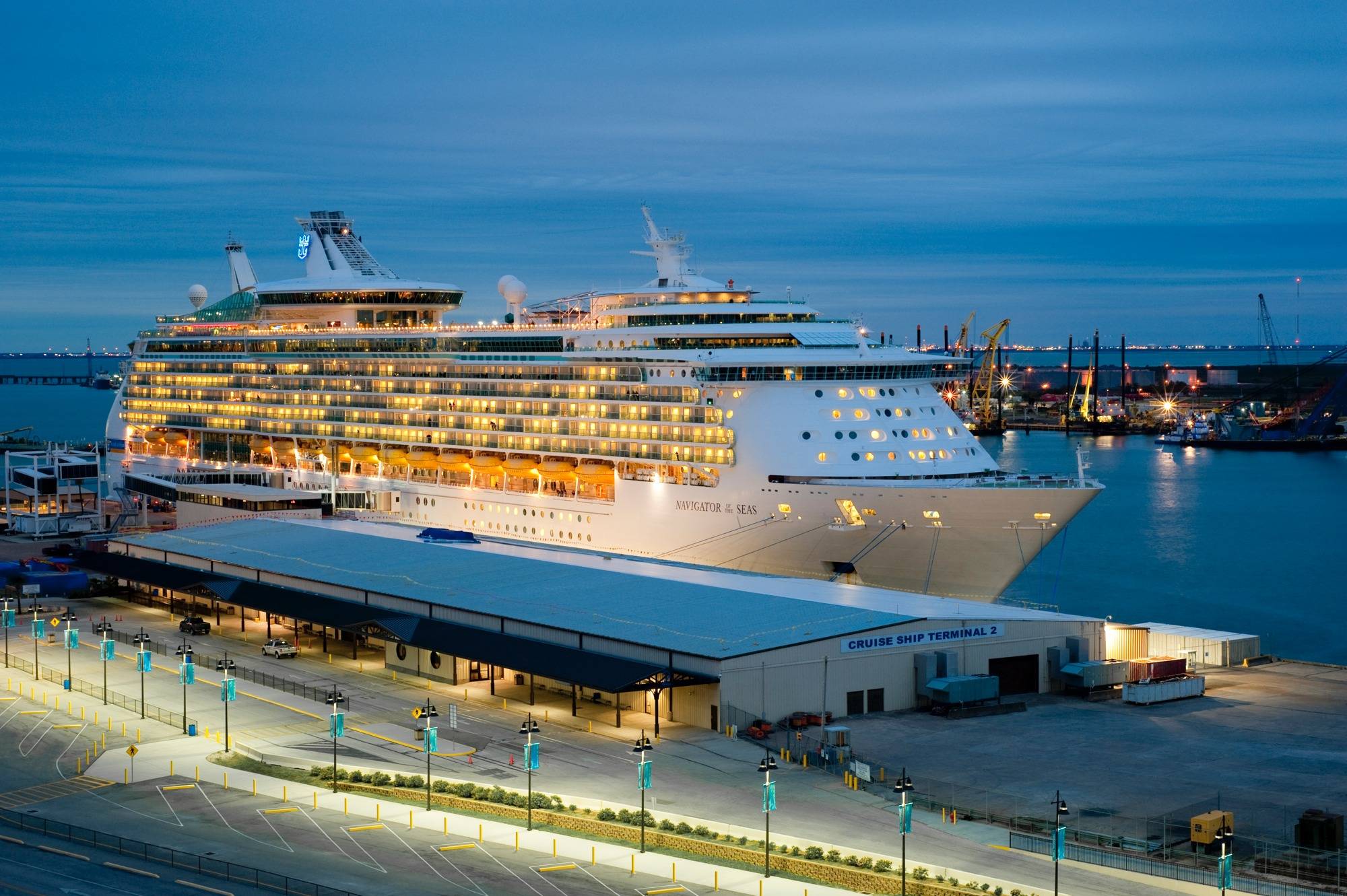
According to a recent publication by Reuters, the ongoing diplomatic tensions between China and Japan are prompting Chinese cruise companies to steer clear of Japanese ports. This shift is expected to increase tourism in South Korea as travelers look for alternative destinations.
The friction escalated following comments from Japan’s new prime minister, which have raised concerns among Chinese tourists about safety in Japan. For instance, Sanae Takaichi recently suggested that any military threat against Taiwan could provoke a response from Japan.
In light of these developments, the Adora Magic City cruise ship has altered its December itinerary. Originally scheduled to dock at Fukuoka, Sasebo, and Nagasaki in Japan, it will now spend an extended period-between 31 and 57 hours-at Jeju Island instead of the usual nine-hour stopover. A representative from Jeju province indicated that this change was likely influenced by the current state of China-Japan relations.
“It appears they are preparing a backup plan,” noted an official who preferred anonymity due to media restrictions.
The impact on Japanese tourism is already being felt; East Japan International Travel Service reported an alarming 80% drop in bookings for the remainder of this year due to these geopolitical issues. Lee Yong-gun, CEO of Eastern Shipping-a port agency in South Korea-mentioned that other Chinese cruise lines are also considering rerouting their ships away from Japan.
“If relations continue to worsen and China decides against engaging with Japanese products or culture,” Lee stated confidently, “South Korea stands poised to benefit significantly.”
The operator behind the “Dream” cruise ship had intentions of redirecting its route from Tianjin towards Incheon or Busan but faced logistical challenges due to tight scheduling constraints.
Interestingly enough, data compiled over November 15-16 indicates that South Korea has become a favored destination for Chinese travelers based on international flight ticket bookings through Qunar-a leading online travel agency. Many airlines have begun offering refunds for flights headed toward Japan as demand shifts toward Korean destinations.
A representative from Jeju Air expressed optimism about welcoming more Chinese tourists soon despite no immediate changes being observed yet. Additionally, inquiries have started rolling into local tour agencies regarding events originally planned for Japan being relocated to South Korea instead.
“Clearly,” one tour agency executive remarked while wishing not be named due sensitivity surrounding these discussions, “South Korea will gain advantages amid this dispute.” However he added cautiously: “We’re still observing how things unfold.”
This isn’t unprecedented; back in 2013 during another territorial spat between Beijing and Tokyo over disputed islands saw a surge exceeding 50% in visitors traveling from China into South Korea.
The fallout has also affected stock prices within both nations’ tourism sectors: while shares related directly to Japanese travel have plummeted following China’s advisory against visiting there; companies like Lotte Tour Development-which operates hotels on Jeju Island-have seen their stocks rise by over 20%.
Other firms such as Yellow Balloon Tour experienced similar gains amidst growing expectations around redirected tourist flows into South Korean markets.
Industry insiders caution though that it may take some time before noticeable increases occur regarding incoming tourist numbers given how recent these diplomatic tensions arose just days ago according Kim Seol-yeong at Huaqing Group-a local operator catering specifically towards Chinese cruises visiting Jeju Island.
Luna Wang-a traveler hailing from Hangzhou-shared her thoughts saying she had initially considered revisiting Japan but now feels compelled towards choosing alternatives like South Korea instead.
“The perception now seems quite negative regarding travel there… I think my best option would be heading off somewhere safer like Korea,” she concluded.
Su Shu-the founder behind Moment Travel based out Chengdu echoed similar sentiments noting significant shifts occurring within public attitudes surrounding trips made towards neighboring countries during politically charged times stating simply: “The feeling now is that whoever goes [toJapan] is viewed unfavorably.”