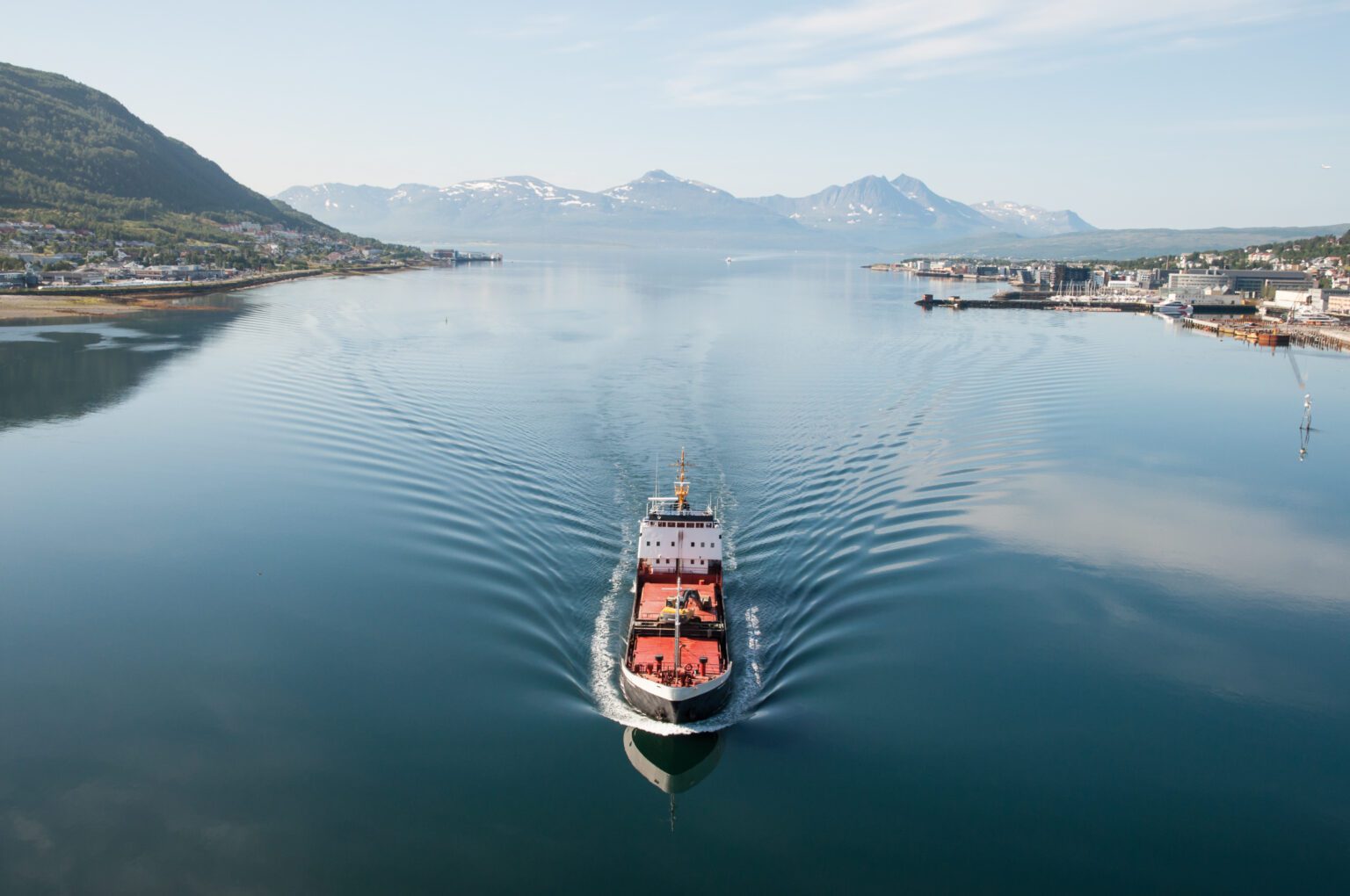
Dutch infrastructure authority Rijkswaterstaat has officially launched the research and development phase of its Power2Tow project, under which three separate consortia will work to develop near-zero-emission emergency response towing vessels (ERTVs) for deployment in the North Sea.
On 30 June, Rijkswaterstaat Director-General Martin Wijnen signed cooperation agreements with all three consortia in Utrecht, marking the start of a structured innovation partnership in which each consortium has been awarded both an assignment and funding to develop and refine its proposed solutions.
The three consortia selected for the R&D phase are: Kustkracht, comprising KOTUG International, IHC Defence, and Bluewater Energy Services; a second consortium comprising Multraship Ocean Towage, Damen Shipbuilding & Cooperation, and Stillstrom; and a third consortium comprising Smit Terminals Europe and Smit Salvage.
Under Power2Tow, the project calls for three electric ERTVs capable of recharging offshore using wind energy. According to Rijkswaterstaat, the vessels will operate electrically wherever possible, while e-methanol will serve as fuel during emergency towing operations. The project also encompasses the development of offshore and onshore charging infrastructure, as well as the provision of operational services over a 25-year period.
Among the stated purposes of the vessels is protecting offshore wind farms from collisions with ships in distress.
A notable feature of the Power2Tow structure is that all three consortia proceed through the R&D phase simultaneously, rather than a single provider being selected at the outset. Each consortium will develop, test and refine its proposed solutions — covering vessel design, charging infrastructure, and operational deployment — before one is ultimately selected to move forward into the construction and operational phase. This is designed to remove the need for a separate procurement procedure at that stage.
Power2Tow forms part of the Fleet Renewal Programme for the Rijksrederij, the Dutch government fleet, through which Rijkswaterstaat is working to modernise government vessels in line with sustainability targets. According to Rijkswaterstaat, the project is also intended to contribute to the maritime sector agenda titled ‘No guts, no Hollands glorie!’, which aims to give greater consideration to the strategic interests of the Dutch maritime manufacturing industry in government procurement.
The project is being carried out in collaboration with the Ministry of Infrastructure and Water Management, the Ministry of Economic Affairs and Climate, the Dutch Coast Guard, and the interdepartmental National Maritime Manufacturing Office.