New methodology delivers more accurate fatigue life predictions for containerships and gas carriers through revision of worldwide trading routes.
Lloyd’s Register (LR) has enhanced its Fatigue Design Assessment (FDA) methodology by updating worldwide trading patterns for containerships and gas carriers based on comprehensive analysis of Automatic Identification System (AIS) data from the past 11 years.
This major revision represents the first update to FDA trading routes in over 12 years. The updated trading patterns reveal encouraging results for vessel operators, with the revised analysis showing increases in predicted fatigue life of up to 10-15% for containerships and up to 10% for gas vessels.
These improvements result from incorporating routing factors obtained from extensive AIS data analysis, delivering more accurate structural assessments that reflect actual vessel operations rather than relying on historical estimates. LR’s updated approach enables more precise fatigue life calculations, supporting better-informed decisions regarding vessel design, maintenance scheduling, and operational planning.
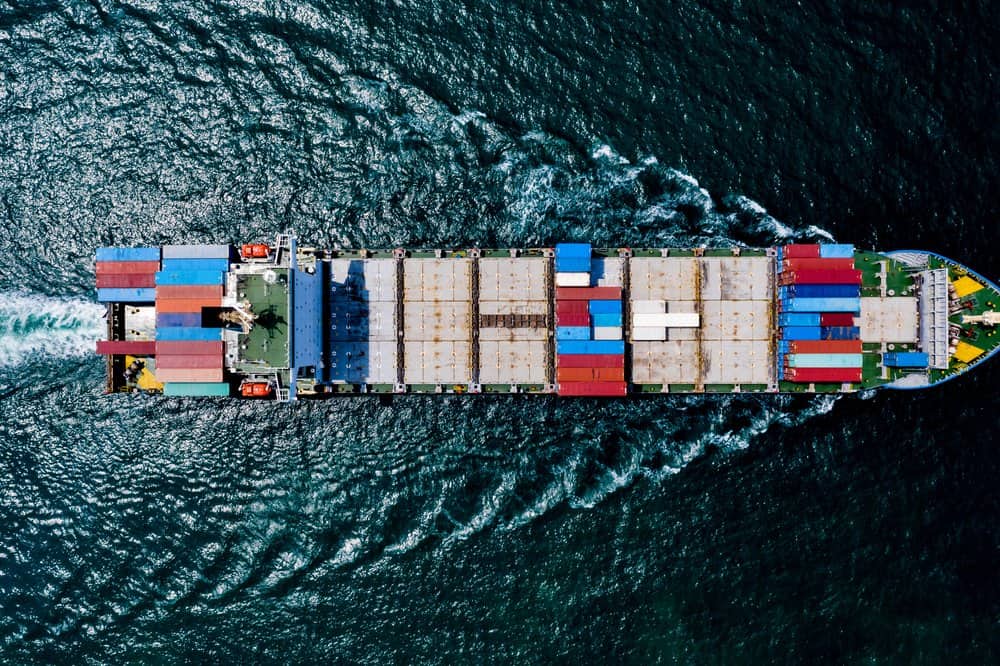
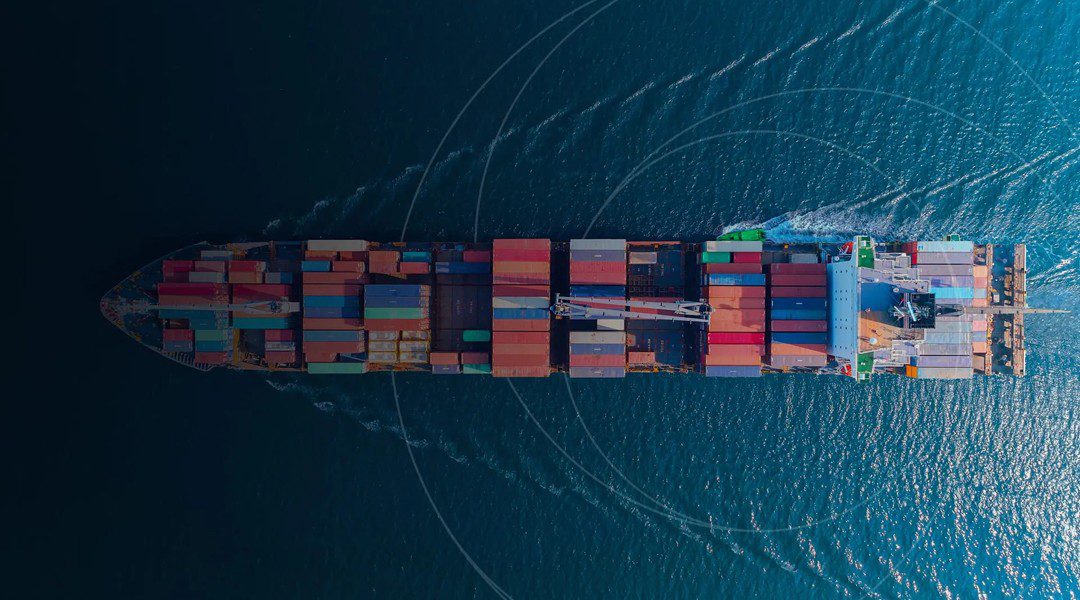
LR has also refined its containership categorisation to reflect the segmentation of modern container vessels. The updated classification system now includes Ultra Large Container Vessels (ULCVs) with capacity of 14,501 TEUs or greater, alongside revised categories for New Panamax (10,000-14,500 TEUs), Post-Panamax (5,101-10,000 TEUs), Panamax (3,001-5,100 TEUs), Feedermax (2,001-3,000 TEUs), and Feeder vessels (1,001-2,000 TEUs).
Nick Gross, Global Containerships Segment Director, Lloyd’s Register, said: “This comprehensive update to our Fatigue Design Assessment methodology represents a significant advancement in how we evaluate vessel structural integrity. Our analysis of extensive AIS data revealed that ships are operating quite differently from our previous models, particularly in terms of route optimisation and weather routing. This translates directly into improved fatigue life predictions that shipowners can rely on for better operational and maintenance planning.”
For more information about LR’s enhanced FDA methodology, visit:
About Lloyd’s Register
Lloyd’s Register (LR) is a global professional services group specialising in marine engineering, technology and digital solutions. We were created more than 260 years ago as the world’s first marine classification society to improve and set standards for the safety of ships.
Today we are a leading provider of classification and compliance services to the marine and offshore industries, helping our clients design, construct and operate their assets to accepted levels of safety and environmental compliance.
Our digital solutions are relied upon by more than 30,000 vessels, following the acquisition of OneOcean in 2022 and Ocean Technologies Group in 2024.
In the race to zero emissions, our research, advisory and technical expertise and industry-firsts are supporting a safe, sustainable maritime energy transition.
Lloyd’s Register Group is wholly owned by the Lloyd’s Register Foundation, a politically and financially independent global charity that promotes safety and education.