Officially launched on October 14, the “Section 301 investigation” comes at a time of intensifying global shipbuilding competition and frequent geopolitical factors. What are the immediate concerns and long-term considerations for Chinese shipyards?
Initial Phase of Investigation Release Puts Pressure on Chinese Shipyards’ Market Share
As a significant move by the United States utilizing unilateral trade tools targeting specific Chinese industries, the initiation of this “Section 301 investigation” has been interpreted by external observers as a key step attempting to curb the international competitiveness of China’s shipbuilding industry. The investigation comprises five annexes in total, among which Annex II “Fee on Vessel Operators for Vessels Built in the People’s Republic of China” (“Annex II”) is widely regarded within the industry as likely to have a substantial impact on the Chinese shipbuilding market, due to its direct relevance to the overseas business布局 (layout) and vessel operating costs of Chinese shipbuilding enterprises. Consequently, it has become the most watched content of this “Section 301 investigation”.
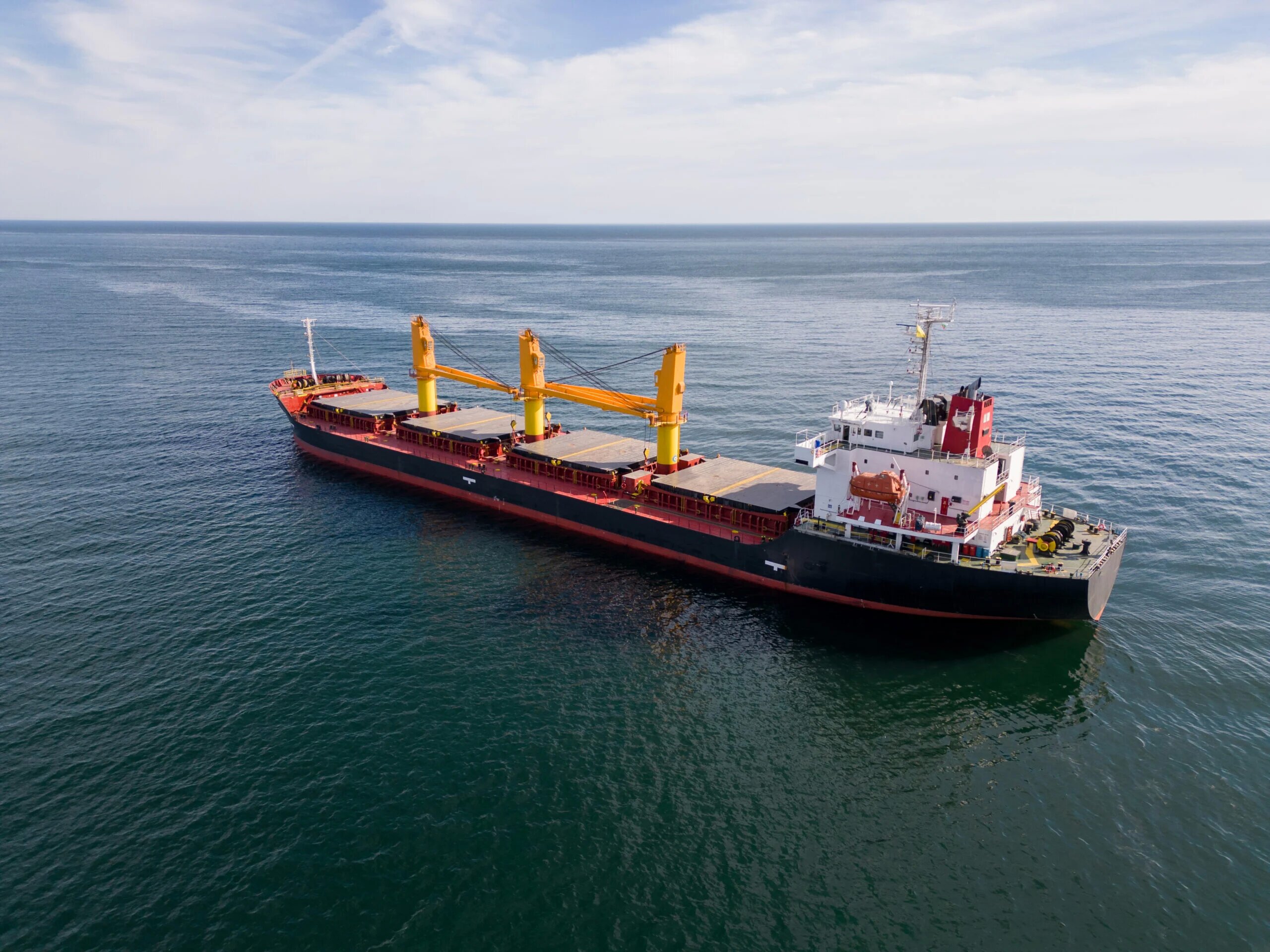
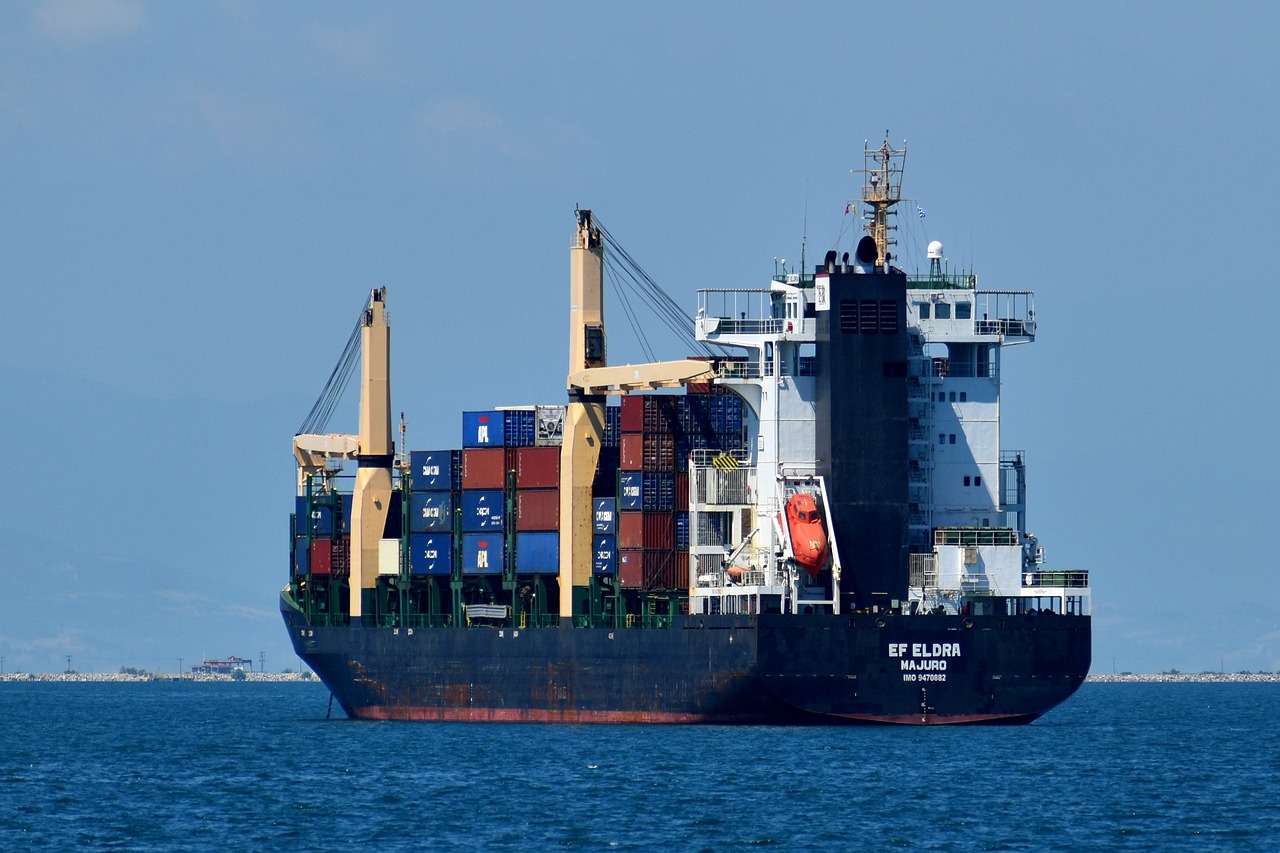
According to Annex II, starting October 14, 2025, all vessels built in China but operated by non-Chinese operators (except for specific exempted circumstances) will be required to pay an additional fee each time they enter a U.S. port. The fee calculation adopts a “select the higher amount” principle, meaning the fee is levied based on whichever standard yields the higher amount: the vessel’s net tonnage or the number of containers discharged. The per-ton fee starts at $18/net ton, increasing annually, and will rise to $33/net ton by 2028, representing an increase of nearly 84% over four years. The per-container fee starts at $120 per container, also increasing annually, and will reach $250 per container by 2028, an increase of over 108%. In terms of vessel types, container ships, whose cargo is measured in standard containers, are typically charged based on the per-container standard, while bulk carriers, for which deadweight tonnage is a core indicator, are generally charged based on the per-ton standard. The core objective of the U.S. in implementing this fee is to reduce the attractiveness of Chinese-built vessels in the international shipping market by increasing the costs for non-Chinese operators using “China-built” vessels, thereby diverting overseas orders that would otherwise go to Chinese shipyards. To balance domestic U.S. interests and the needs of specific industries, Annex II also includes a series of exemption clauses, specifically including: Vessels owned and controlled at a level of 75% or more by U.S. companies are exempt, as they directly relate to the interests of U.S. domestic enterprises; Vessels entering U.S. ports in ballast or empty, as they do not involve actual cargo transportation, are temporarily not subject to the additional fee; Small and medium-sized vessels (e.g., container ships with a capacity ≤ 4000 TEU), considering their smaller operational scale and limited impact on the overall market, are also included in the exemption scope; Vessels operating on short-sea routes with voyages less than 2000 nautical miles, as they primarily serve regional shipping and have lower relevance to deep-sea market competition, are also excluded from the fee; Furthermore, specialized chemical tankers, as a special vessel type in a niche segment, and vessels participating in the U.S. Defense Strategic Sea Transportation Plan, are also eligible for exemptions due to industry specificity and national security considerations. Although these exemption clauses aim to protect U.S. domestic interests and specific niche industries, from an overall perspective, most China-built vessels engaged in deep-sea shipping are still included in the fee scope, making it difficult to avoid the additional cost pressure.
In the initial phase following the release of the “Section 301 investigation,” its restrictive clauses targeting “China-built vessels” quickly triggered a chain reaction in the global newbuilding market. Overseas shipowners began adjusting their order strategies based on cost expectations and risk assessments, posing significant pressure on Chinese shipyards in securing overseas orders. Among these, U.S. energy giant ExxonMobil, as a major global demand source for energy shipping, explicitly cited both political factors and economic costs as reasons and directly canceled its previous order for 2 large LNG bunkering vessels placed with Chinese shipyards. This decision not only disrupted the short-term production plans of the relevant Chinese shipyards but also sent a cautious signal to the market regarding “China-built” vessels; The NYSE-listed tanker company DHT, focusing on cost control and operational stability, chose to sell 2 China-built VLCCs from its fleet and adjusted its fleet structure to retain only 21 South Korea-built vessels, further highlighting some shipowners’ concerns about the increased subsequent operating costs of China-built vessels; Capital Group, owned by Greek shipowner Evangelos Marinakis, also signed a Letter of Intent with South Korea’s Hanwha Ocean for the construction of 2+1 320,000 DWT VLCCs. This marks the group’s first return to a South Korean shipyard for cooperation in nearly three years, with the stated reason being “risk diversification,” indirectly reflecting the impact of the “Section 301 investigation” on shipowners’ cooperation decisions. Statistics from the international shipping consultancy Clarksons further corroborate this trend. The data shows that as of the end of July this year, the number of new orders placed by non-Chinese shipowners at Chinese shipyards was only 398 vessels (excluding option orders), compared to 1,198 vessels in the same period of 2024, a sharp decrease of two-thirds year-on-year.
Not long ago, the three core shipbuilding data points for the first half of this year released by the China Association of the National Shipbuilding Industry (CANSI) also reflect the changing dynamics between current market热度 (/activity) and future new demand. Specifically, the national ship completion volume in the first half was 24.13 million DWT. Although this still represents a high production scale, it decreased by 3.5% year-on-year, indicating that the industry’s production rhythm has been somewhat affected by changes in external orders; The volume of new orders received was 44.33 million DWT, a year-on-year decrease of 18.2%, confirming the slowdown in new industry demand; Meanwhile, the volume of手持 orders (order backlog) reached 234.54 million DWT, a year-on-year increase of 36.7%, making it the only indicator among the three to show a year-on-year increase. This is mainly attributable to the order reserves accumulated by Chinese shipbuilding enterprises relying on their technical strength and cost advantages during the previous period, providing support for the short-term stable operation of the industry. Between the comparison of these two declining and one rising core data points, a gap is隐约可见 (faintly visible) between the current market热度 (heat) sustained by the order backlog and the potential for future new demand to continue slowing down.
Hot Sales of Feeder Ships Reflect Shipyards’ “Immediate Concern” for Order Resilience
Industry experts told this publication that the impact of the “Section 301 investigation” on Chinese shipyards is concentrated in the large container ship segment: on one hand, shipping from China to the U.S. primarily relies on large container ships of 8000 TEU and above; on the other hand, as mentioned above, container ships of 4000 TEU and below are exempt from the fee.
According to Clarksons data, in the first nine months of this year, new orders for large container ships (above 4000 TEU) at major Chinese shipyards generally declined, while new orders for container ships of 4000 TEU and below generally increased (see Table 1).
Specifically, Huangpu Wenchong’s order intake surged from 8 small feeder ships in 2024 to 22 ships, but orders for medium and large container ships declined, with 16 secured in 2024 and only 10 in the first nine months of this year; Xin Yangzi Shipbuilding, under Yangzijiang Shipbuilding, which had zero orders in the ≤4000 TEU segment last year, signed 26 ships in one go this year; China Merchants Industry’s Nanjing Jinling Shipyard, which had zero small feeder orders last year, has received orders for 8 ships this year.
As stated above, while feeder ship orders were rapidly filled, the growth in orders for the >4000 TEU segment at Chinese shipyards noticeably slowed. For instance, Hengli Heavy Industry received 20 orders last year, but only accumulated 12 orders in the first nine months of this year, all placed by Mediterranean Shipping Company (MSC). State-owned shipyards performed relatively steadily in securing large container ship orders. Last year, Jiangnan Shipyard and Waigaoqiao Shipbuilding secured 13 and 18 orders respectively, and have already secured 12 and 16 orders in the first nine months of this year. Nanjing Jinling Shipyard did not receive any large container ship orders last year but has secured 4 orders in the first nine months of this year.
Compared to Chinese shipyards, the order intake for large container ships at South Korea’s three major shipyards significantly increased in the first nine months of this year.
Why has the growth in large container ship orders “decelerated” in the Chinese market? Several interviewed shipyard executives provided three explanations: First, the super cycle from 2021–2023透支 demand, with global orderbooks already covering until 2028, leading to strong wait-and-see sentiment among shipowners; Second, the capacity of key Chinese shipyards is saturated, berth schedules are tight, and room for price negotiation has narrowed, forcing some orders to flow elsewhere; Third, although the “Section 301 investigation” does not directly target ships, foreign shipowners, to avoid potential political risks, tend to shift high-value-added ship types to South Korea and Japan for construction. As the “customers” of private shipyards are mostly foreign shipowners, they are significantly affected. In contrast, feeder ships are not affected by the “301 investigation,” and coupled with the increase in intra-regional trade in Southeast Asia and adjustments to the port rotation sequence of “large ship + small ship” combinations on US routes, demand has been ignited. Chinese shipyards, leveraging cost and delivery advantages, have become the biggest beneficiaries.
Cost advantages remain the strongest confidence for Chinese shipyards. Industry experts state that, taking large container ships as an example, although newbuilding market prices have currently fallen by 7%–8%, Chinese shipyards still maintain considerable profits, primarily because Chinese steel plate prices are more than 50% lower than those in Japan and South Korea, combined with the advantage of the RMB exchange rate, keeping Chinese shipyards’ newbuilding quotes competitive. On the efficiency front: Shipyards are actively implementing digital and intelligent transformation to improve production efficiency, aiding “on-time delivery.” Through digital and intelligent transformation, Xin Yangzi Shipyard basically delivers 1–2 more ships annually than planned. New Times Shipbuilding, through intelligent upgrades in pipeline fabrication, flat panel line flow, and workshop automated production, has reduced operational costs by at least 10%. Its current annual capacity is about 30 ships, and annual deliveries are expected to reach 45 ships in two years. More crucially is delivery credibility – CSSC Chengxi Shipyard’s MR tanker “CAPE BILBAO” was delivered 105 days ahead of the contract date, Mawei Shipbuilding’s 7500-car LNG dual-fuel Ro-Ro ship was delivered 4 months early, and Chuandong Shipbuilding’s 11500-ton stainless steel chemical tanker “Jin Hai Cheng” achieved its delivery target 3 days early. A series of “early deliveries” have kept foreign shipowners’ confidence in Chinese manufacturing at a high level.
Industry experts believe that, from a market perspective, the marginal impact of the “301 investigation” is diminishing. Approximately 15% of global merchant ships need to call at US ports, while only 4% of ships serving US routes are built in China. This significant disparity means limited room for “choking.” Combined with Chinese shipyards having complete supply chains in mainstream ship types, offering advantageous prices and passing technical standards, they remain attractive to shipowners. This publication found through Clarksons data that this year, top liner companies such as MSC, CMA CGM, Seaspan, and several Greek shipowners continue to place orders at Chinese shipyards. Insiders also revealed that although some shipyards have not received large container ship orders so far, there might be breakthroughs by year-end, as top liner companies are actively negotiating with them.
Heads of several leading shipyards told this publication that, regardless of external challenges, the current focus of their companies is actively considering how to leverage competitiveness, maintain order resilience, deliver on time with quality, and protect their international reputation.
Amidst multiple challenges, shipyards plan for the long term with “future concerns.”
With order production schedules generally extending to 2028 or even 2030, the “immediate worries” of Chinese shipyards seem temporarily alleviated. Industry insiders warn that the international situation is changing rapidly, and the global shipbuilding cycle may peak and decline within 3 years. How to secure orders beyond 2028 and how to avoid the current capacity expansion backfiring on performance when future demand falls have become “future concerns” that must be faced directly. Shipyard experts interviewed by this publication unanimously stated that being prepared for danger in times of safety centers on cash flow security, and extreme caution is needed regarding capacity expansion; currently, the state implements total quantity control on new shipbuilding docks based on “production determined by sales,” mainly approving projects with full production loads, aiming to prevent a new round of overcapacity.
Based on the inherent replacement demand of ships (container ships typically have a service life of 15 years) and green regulations accelerating the phase-out of aging capacity, shipbuilding demand will not disappear, but the structure will significantly shift towards greening and intelligence; regarding the choice of new energy ship routes, the commercialization pace of methanol and ammonia is lower than expected, and LNG power is still considered the most realistic choice in the transition stage. Companies generally plan to flexibly adjust their product mix based on market signals, prioritizing locking in green ship orders, while simultaneously strengthening buyer default handling clauses in contracts to prevent the dual pressure of “low-price order grabbing” and “contract cancellation and ship abandonment” during a downturn. Experts particularly pointed out that if zombie capacity revives during this boom period, it could easily trigger a price war in the next downturn. Regulatory authorities should intervene early, setting capacity red lines参照 the automotive industry’s practices, to avoid internal卷 within the industry.
Looking overseas, potential competitors like India, Vietnam, and the US are making multi-pronged efforts through government backing, capital subsidies, and international technical cooperation, attempting to carve out a share in the Asian shipbuilding landscape. As of September this year, although Indian shipyards have not yet entered Clarksons’ container ship order ranking, the country has a clear development plan: establish a state-owned liner company by 2030, achieve a 50% domestic production rate for container ships by 2035, and increase the Indian fleet’s global share to 20% by 2047; the FY2025 budget allocated $3 billion in a one-time allocation to establish a “Maritime Development Fund,” with 49% earmarked to subsidize domestic shipowners placing orders at Indian shipyards.
Capital and technology introduction are also advancing simultaneously: Maersk is cooperating with Cochin Shipyard to build a green ship repair and R&D center, MSC plans to partner with Swan Defence to build a shipbuilding base, and the CMA CGM Group has included the Nhava Sheva port hub project in its India-Middle East route planning; NYK Line, Hyundai Heavy Industries, and Samsung Heavy Industries have also inspected Indian coasts to assess the feasibility of joint ventures. However, the shortcomings of India’s shipbuilding industry are also evident – insufficient large dock capacity and a localization rate of supporting industries below 30%, meaning India can only play a “substitute” role in the short term, but its policy endurance and financial resources should not be underestimated.
Regarding Vietnam, it maintained growth momentum in 2024. The 65,000 DWT bulk carrier delivered by SBIC’s Nam Trieu Shipbuilding set a national record for the largest ship built. According to development plans, the Vietnamese fleet size will expand to 1,600–1,750 ships, with a total capacity of 17–18 million DWT, including 1,200 ocean-going ships with a capacity of 13–14 million DWT. The replacement demand from an aging fleet is directly converted into orders for local shipyards. UNCTAD data shows that Vietnam ranks 7th among the top 15 global shipbuilding countries, with 88 shipbuilding enterprises and 411 inland construction facilities, an annual capacity of 2.6 million DWT, and an average annual growth rate of new ship demand of about 10% from 2023–2030, with total annual demand of 4–5 million DWT.
Vietnam has identified the marine economy as the core engine for industrialization and modernization, planning to utilize its north-south coastline resources to undertake export ship orders, while attracting international supporting enterprises to establish presence, compensating for the severe reliance on imported raw materials. Experts judge that Vietnam’s labor costs and geographical通道 possess competitive advantages; if sustained investment continues, it could pose a partial challenge to China in 10–15 years.
The US market is also sending subtle signals: In July this year, South Korea’s HD Hyundai Group signed an agreement with local shipowner Edison Chouest Offshore to build LNG dual-fuel medium-sized container ships at Tampa Ship starting in 2028, marking the first time in nearly a decade that a US shipyard has returned to the merchant ship order stage. ECO and Bollinger Shipyards have jointly formed the “American Shipbuilding Consortium,” targeting high-value-added ship types like icebreakers, naval auxiliary ships, and crane vessels. HD Hyundai provides design, equipment procurement, and block manufacturing support, intending to leverage US domestic capacity through a “technology + capital” approach. Although the US shipbuilding scale accounts for less than 1% of the global total, driven by policy and energy transition needs, it may become a “small but refined” supplier of high-end special vessels in the future.
Based on comprehensive research from various sources, the industry generally believes that India, Vietnam, and the US will find it difficult to shake China’s overall shipbuilding advantages in the short term. However, their government-led, capital-intensive, and technologically encircling approach suggests that the next stage of competition will focus on green rule-making and strategic capacity control, beyond just cost, efficiency, and industrial chain depth.
From policy impact to proactive response, China’s shipbuilding industry is experiencing the growing pains of transitioning from short-term pressure to long-term upgrading. Although the additional fee policy has caused order fluctuations, it has also forced the industry to accelerate its departure from the scale expansion model towards a new path of technology-driven and high-quality development. Relying on the short-term buffer of the orderbook, combined with long-term布局 for technological breakthroughs and market diversification, China’s shipbuilding industry is not only expected to withstand the impact of unilateral trade barriers but also to consolidate its competitive advantages in the global shipbuilding industry’s green transformation and technological innovation, contributing Chinese strength to the stable development of the global shipping industry.