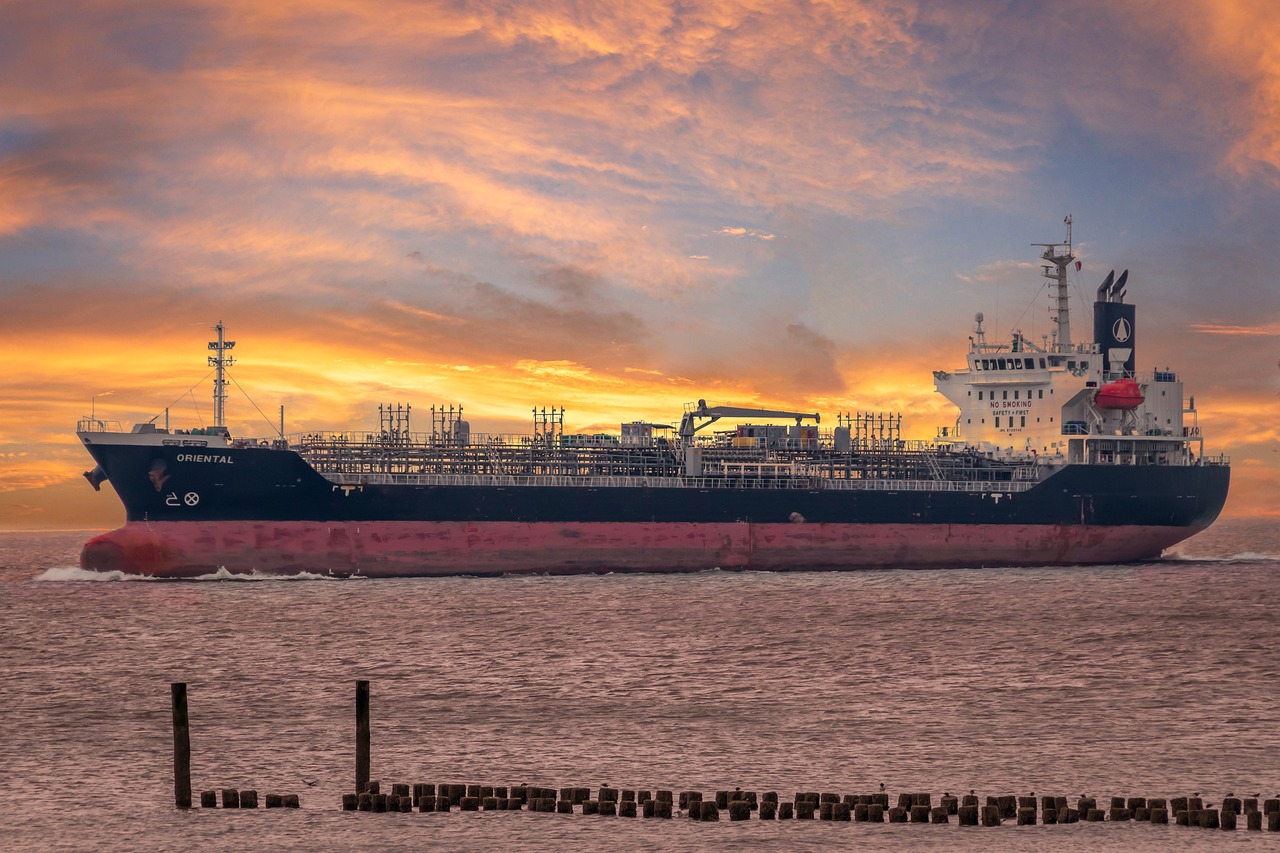
Effective January 1, 2026, the revised “Shanghai Maritime Safety Administration Measures for the Management of Ship Crude Oil Washing Operations” (hereinafter referred to as the “Measures”) will be implemented for a validity period of 5 years. The original “Shanghai Port Measures for the Management of Ship Crude Oil Washing Operations” will be simultaneously repealed. Let’s take a look with the editor at what new changes the new regulations bring!
PART 01
Why the Revision?
These Pain Points Must Be Addressed
Need for Updating and Aligning Laws and Regulations
01
Newly revised laws and regulations such as the “Marine Environment Protection Law of the People’s Republic of China,” the “Regulations of the People’s Republic of China on the Prevention and Control of Marine Environmental Pollution by Ships and Their Related Operations,” and the “Shanghai Municipal Regulations on the Prevention and Control of Ship Pollution” have set higher requirements for pollution prevention in ship tank cleaning operations. There is an urgent need to achieve seamless alignment with these superior laws through revision, thoroughly solving the problem of “old methods failing to meet new requirements.”
Need for Adjusting and Adapting to Standards and Specifications
02
Standards such as “Safety Requirements for Tank Cleaning Operations on Oil Tankers” (GB 41730-2022) and “Safety Requirements for Oil Tanker Operations in Port” (GB 18434-2022) have put forward clearer requirements for the standardization and normalization of crude oil washing operation management. Revision is needed to unify implementation standards and fill regulatory gaps.
PART 02
Key Points!
These Revisions Are Closely Related to You
Stricter Equipment and Personnel Requirements
New Equipment Requirements: While retaining original requirements for tank cleaning equipment, inert gas systems, and operation manuals, new requirements for the provision of gas detection equipment have been added to strengthen the foundational safety guarantees for operations.
Personnel Qualification Specification: Clarifies that operational personnel must possess corresponding qualifications and must be familiar with the ship’s “Crude Oil Washing Operations and Equipment Manual” to ensure operational professionalism.
Refined Operation Reporting: Adds requirements for the timeframe and content of operation reports, standardizing reporting behavior to facilitate real-time monitoring of operational status by maritime authorities.
More Precise Control Over the Entire Operation Process
Operation Environment Limitations: Specifies that crude oil washing operations are generally conducted during daytime; nighttime operations should have sufficient lighting conditions. Operations are prohibited when the Shanghai Central Meteorological Observatory issues warning signals for severe weather such as high temperatures, thunderstorms, strong convection, or typhoons, controlling safety risks from an environmental perspective.
Strengthened Operation Planning: Detailed plans must be formulated before operations, signed and approved by the ship’s operation responsible person. The actual operation time must be reported via instant communication methods such as VHF or telephone before commencement, solidifying the primary responsibility of the crew.
Standardized Safety Inspections: Safety inspections must be conducted before arrival and before operations according to the “Safety Requirements for Tank Cleaning Operations on Oil Tankers” (GB 41730-2022), with inspections required at least every 6 hours during operations to ensure operational safety.
Clear Concentration Control: Specifies oxygen concentration control requirements for cargo oil tanks and the inert gas main line during operations, preventing fire and explosion risks at the source.
Operation Suspension and Resumption: Clarifies specific circumstances for operation suspension, as well as reporting requirements after suspension and resumption, to avoid disorderly operations.
Prohibited Operations: Lists other types of operations prohibited during crude oil washing to prevent accidents caused by concurrent operations.
Records and Emergency Response: Operations must be recorded in pollution prevention documents after completion. In case of leakage or accident, both ship and shore parties must handle it according to the emergency plan and report as required.
More Comprehensive Supervision, Management, and Technology Application
Supervision Body and Process: The Shanghai Maritime Safety Administration is the supervision and management body, with its branch bureaus conducting on-site inspections to verify compliance with regulations, standards, and international convention requirements.
Hidden Hazard Investigation and Rectification: Upon discovering safety hazards, maritime authorities will order rectification and may take measures such as ordering the cessation of operations when necessary, strengthening risk control.
Balancing Responsibility and Incentives: Clarifies relevant responsibilities for non-compliant operations, while encouraging shipping companies and ships to apply intelligent monitoring and safety management information technologies to enhance pollution prevention and safety management levels.
PART 03
Friendly Reminder:
Please Prepare for These Matters in Advance!
1
Equipment Self-Inspection and Provision: Check whether tank cleaning equipment and inert gas systems meet standards according to the “Measures” requirements, promptly provide gas detection equipment, and ensure all equipment is complete and performance meets standards.
2
Personnel Training and Management: Organize operational personnel to study the ship’s “Crude Oil Washing Operations and Equipment Manual,” ensure they possess corresponding qualifications and are familiar with operational requirements to avoid risks arising from unprofessional personnel.
3
Operation Planning and Reporting: Review the operation reporting process, content, and timeframe. Formulate plans as required before operations, complete signatures, and report operations 12 hours in advance to ensure process compliance.
4
Emergency Preparedness and Coordination: Improve emergency response plans for incidents such as leaks and accidents, strengthen coordination with maritime authorities and cleaning companies to ensure rapid response in emergencies.
The implementation of the new regulations is not the end point, but a new starting point for the upgrade of ship safety and marine environmental protection. While busy with operations, fellow shipping professionals, please remember to implement preparatory work item by item according to the requirements, engrave safety regulations in your hearts and put them into practice with your hands, jointly promoting the green and safe development of the shipping industry!
Statement: This article is reprinted for the purpose of conveying more information. If there is any source labeling error or infringement of your legitimate rights and interests, please contact us with proof of ownership, and we will correct or delete it promptly. Thank you.