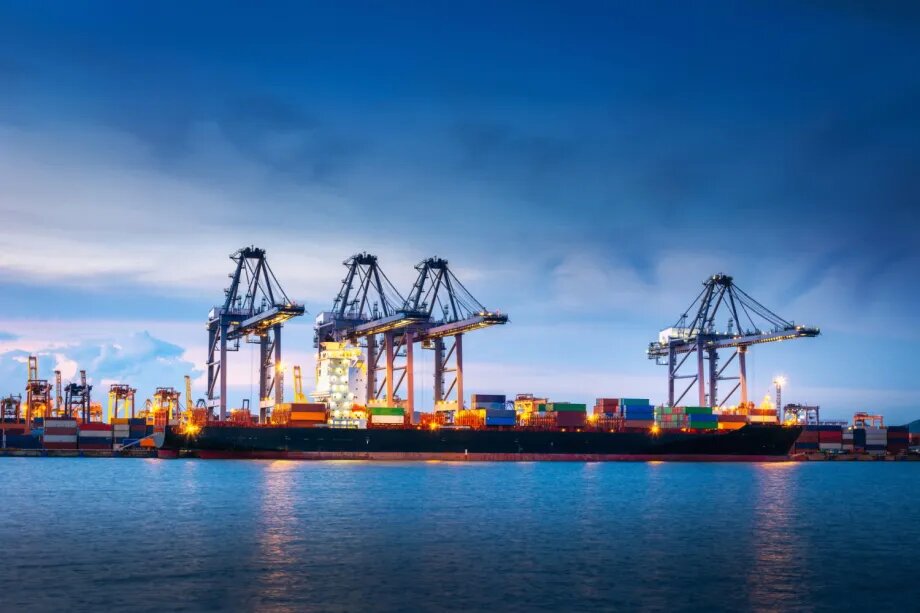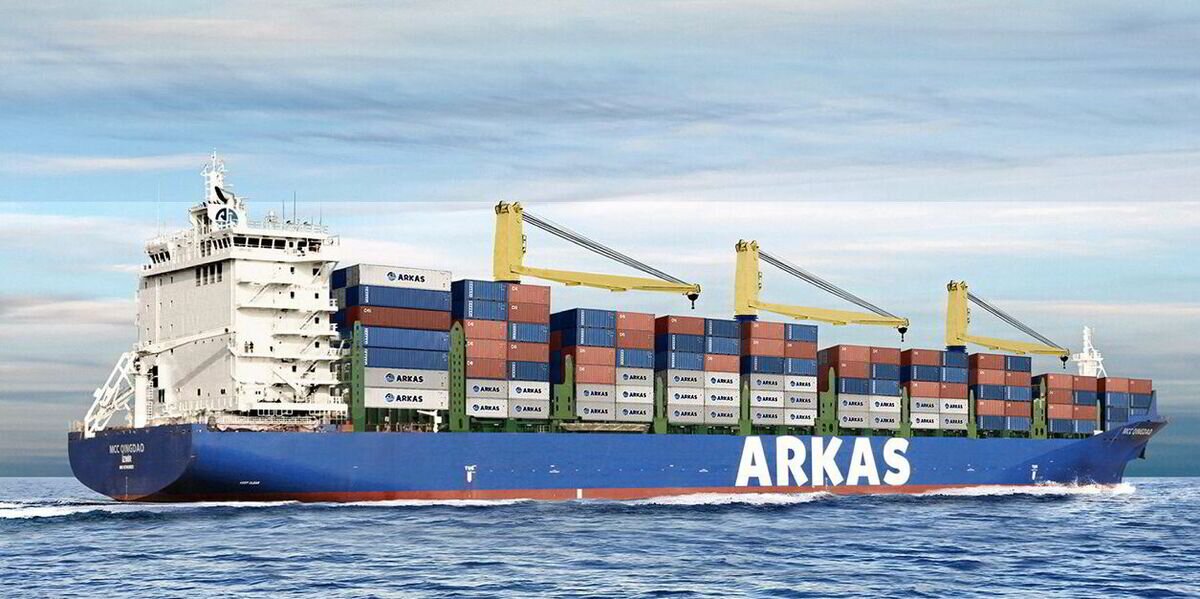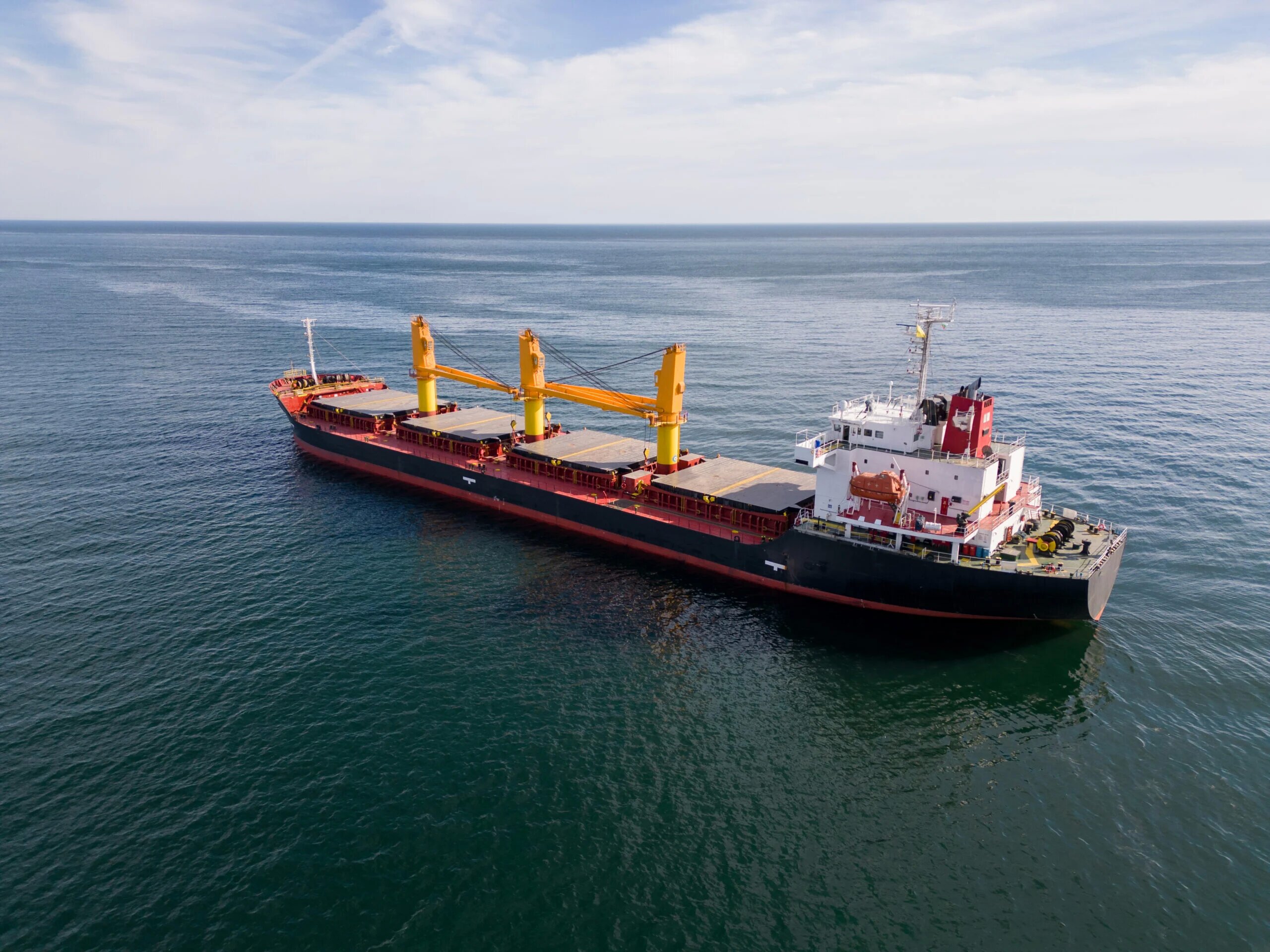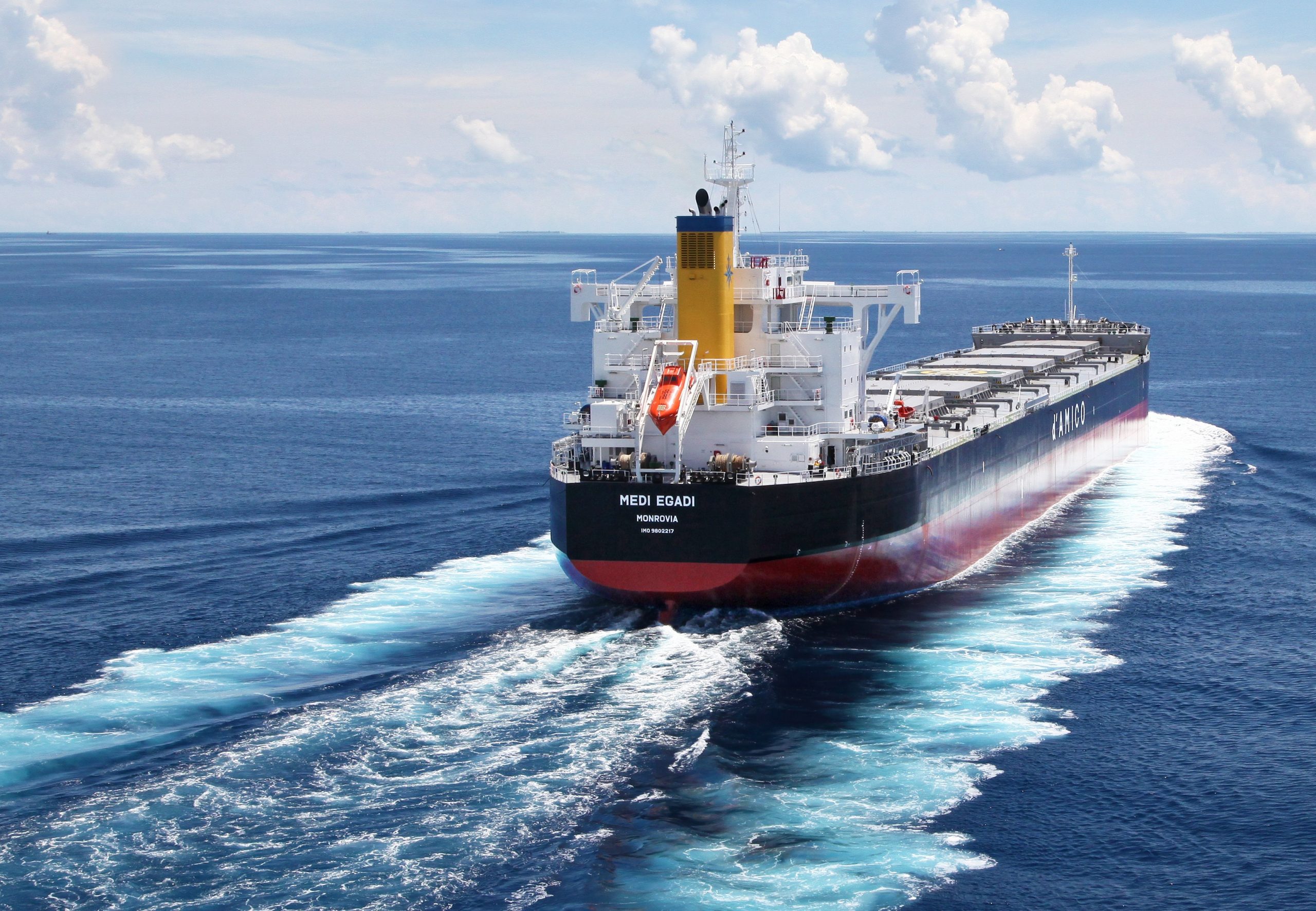
The 2025 Xinhua-Baltic International Shipping Centre Development Index was recently released. The Ningbo-Zhoushan International Shipping Center climbed one spot to rank seventh globally, setting a new record. This marks its fourth advancement in the past five years.
An international shipping center is a key port city that allocates global shipping resources, built on high-quality port facilities, advanced logistics systems, and strategic geographic locations, with shipping services as its core driver. Among these, the port serves as its powerhouse.
This year, to develop the Ningbo-Zhoushan Port into a “world-class port,” Zhejiang has deepened reforms to build a top-tier global port, focusing on the standards of “best service, lowest cost, and highest efficiency.” Following the implementation of 55 reform tasks last year, an additional 46 reform measures are now underway. Such planning and transformation have provided critical support for Ningbo-Zhoushan’s rise in rankings and serve as a microcosm of Zhejiang’s efforts to advance high-level opening-up and build a high-capacity open province.
As the world’s largest port by cargo throughput, Ningbo-Zhoushan Port boasts globally leading port conditions. Building on this, Zhejiang has prioritized strengthening shipping service capabilities and extending the port service chain as key drivers to enhance the port’s global competitiveness.
At Zhejiang Zhongzhe New Energy Co., Ltd., a batch of lithium battery cargo was packed at the factory site, with customs inspections—traditionally conducted at the departure port—now performed simultaneously by maritime officials during packing. The company’s representative noted that this saved 1-2 days in logistics time and over 3,000 yuan (RMB) in costs.
Against the backdrop of expanding exports of China’s “new three” products (new energy vehicles, lithium batteries, and solar panels), Zhejiang introduced the “new three” export “express lane” service reform. Starting with the small but impactful change of “simultaneous packing and inspection,” the export logistics process was streamlined from 10 steps to 7, enabling seamless container movement from packing to loading without repacking or reopening.
The reforms have extended port services to the doorsteps of businesses and inland regions alike.
Recently, a rail-sea intermodal train loaded with refractory materials, office furniture, and other goods departed from the Zhengzhou Central Station of CR Intermodal for Ningbo-Zhoushan Port, marking the launch of the “Zhejiang e-Port Link” Zhengzhou station. For Zhengzhou, this represents a significant step toward transforming its inland port into an “origin” and “destination” hub for international trade.
To support the new development paradigm, Zhejiang innovatively introduced the “Zhejiang e-Port Link” model. This initiative integrates Ningbo-Zhoushan Port’s customs, port, and shipping services into inland areas, allowing businesses to pick up containers, complete customs declarations, and schedule port entry locally. The model achieves “one customs as two, one port as two, and land ports as sea ports,” reducing packing time by 1-2 days and ensuring an on-time shipment rate exceeding 90%.
Currently, the “Zhejiang e-Port Link” has expanded to 23 stations nationwide, including Xi’an, Hefei, and Chongqing. Its growing coverage further highlights Ningbo-Zhoushan Port’s pivotal role in national strategies like the Yangtze River Economic Belt and the integrated development of the Yangtze River Delta.
The results of Zhejiang’s efforts to enhance port services are reflected in Ningbo-Zhoushan Port’s mid-year performance. From January to June, its container throughput reached 21.048 million TEUs, a 9.8% year-on-year increase, setting a new historical record.
“In the future, we will accelerate the aggregation of international shipping service resources, vigorously cultivate high-end shipping service clusters, and build a smart and efficient shipping service network, aiming to create an open, inclusive, and service-leading ‘benchmark port,'” said a relevant official from the Zhejiang Provincial Department of Marine Economic Development.
Disclaimer: This article is reprinted for the purpose of conveying more information. If there are any inaccuracies in the source attribution or infringement of your legitimate rights and interests, please contact us with proof of ownership, and we will promptly correct or remove the content. Thank you.