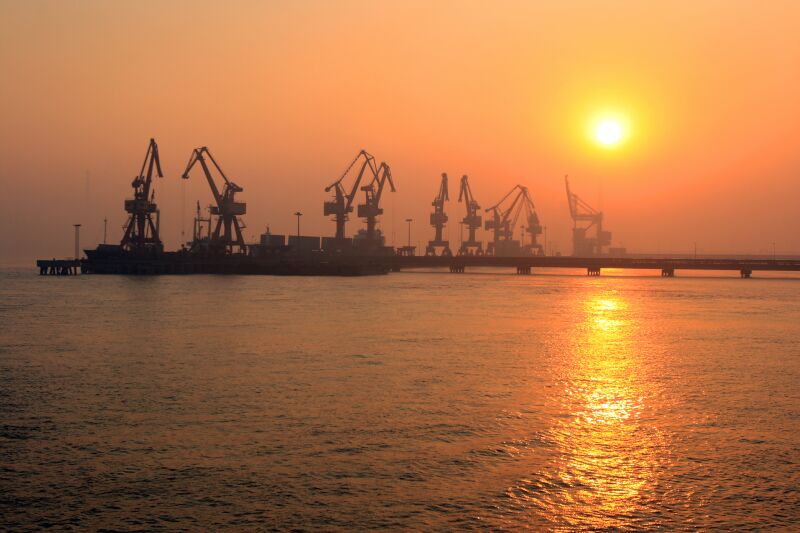
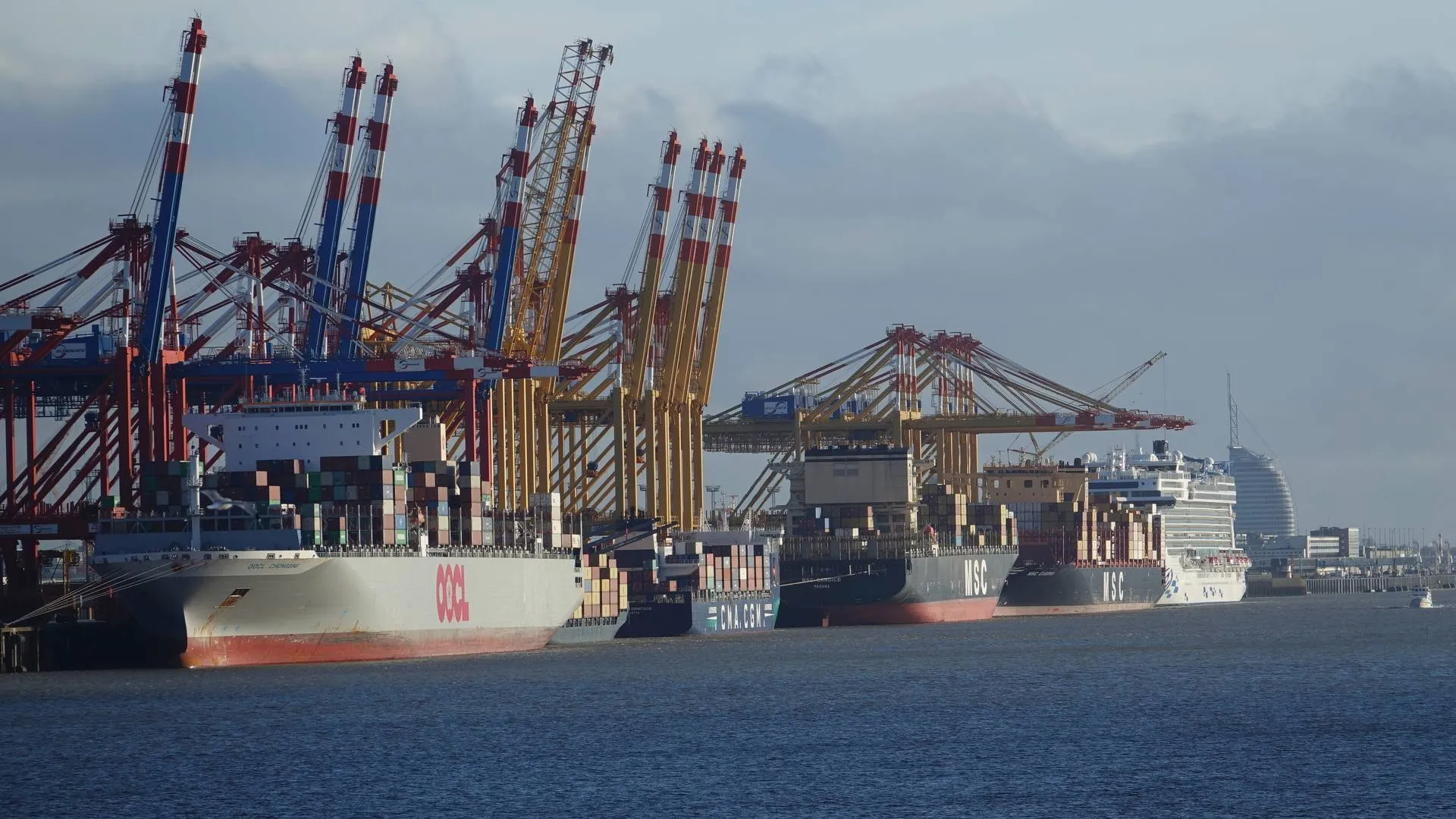
Notices of Changzhou Port to the Masters and Ship Operators
Port Entry and Navigation
Vessels exceeding 10,000 DWT must submit a detailed maneuvering plan 48 hours prior to arrival, including ballast condition and propulsion status.
Mandatory use of VHF Channel 16 for initial contact with Changzhou Port Control. Switch to working channels (Ch. 08/12) after clearance.
Navigation in the Yangtze River approach channel is restricted to one-way traffic for vessels over 200m LOA during peak tides (refer to Changzhou Port Tide Tables 2023).
Vessels with air draft >28m must confirm clearance with Changzhou VTS (via VHF Ch. 06) before passing under Yangtze River bridges (per YRMSA Bridge Clearance Directive 2023-05).
AIS must remain active throughout port transit. Failure results in penalties under China Maritime Safety Law Article 89.
New: Vessels carrying high-risk cargo (IMO Class 1, 2.1, or 6.2) must notify Port Security 72hrs in advance via Form CHZ-SEC-2023.
New: Tug escort mandatory for vessels >250m LOA or with defective bow thrusters (per Changzhou Port Tug Allocation Policy).
Anchorage Regulations
Emergency anchorage areas (A1-A3) are reserved for vessels with mechanical failures. Unauthorized use incurs fines under Yangtze River Maritime Safety Administration Regulation No. 15.
Anchor chains must be maintained at a scope ratio of 6:1 during monsoon seasons (November–March).
Anchorage Zone B2 is designated for vessels carrying Class 1 explosives (IMO DG Code). Prior permission required via Port Security Form PS-11.
New: Dynamic Positioning (DP) vessels must maintain 500m clearance from anchored ships when operating in Anchorage C (per IMCA DP Operations Guidelines).
New: Anchorage holding power tests required for vessels >50,000 DWT during SW monsoon (June–August). Submit test logs to Port Technical Inspectorate.
Berthing and Cargo Operations
Chemical tankers must provide IMO Compatibility Certificates for mixed cargoes 24hrs before loading/unloading at Changzhou Chemical Terminal (Berths CT1-CT4).
Grain carriers using Berths G6-G8: Dust suppression systems must operate continuously during discharge (per Port Environmental Code Art. 22).
Maximum permissible cargo transfer rate: 2,500 MT/hr for bulk carriers; deviations require prior Harbor Master approval.
Container vessels at Berths C1-C5 must ensure twist-lock inspections are documented and submitted to Changzhou Port Safety Office before departure.
Coal carriers must cover hatches during rain to prevent cargo liquefaction (refer to IMSBC Code Amendment 05-23).
New: Reefer containers must undergo pre-berthing temperature checks. Malfunctioning units require quarantine inspection (per China Customs Notice 2023-178).
New: Steel coil loading at Berths S3-S5 requires edge protector certification per ISO 18602:2022.
Safety and Emergency
All vessels must conduct a joint safety inspection with Port State Control officers before hot work (welding/cutting).
Lifeboat drills mandatory within 12hrs of berthing. Records must include crew signatures and GPS coordinates.
Report oil spills immediately to Changzhou MARPOL Office (+86-519-8810 2222). Containment equipment must comply with China SPRO Tier 2 standards.
Gangways must be illuminated from sunset to sunrise and equipped with safety nets (per ILO Maritime Labour Convention, Regulation 4.3).
Vessels carrying radioactive materials (IMO Class 7) must submit radiation monitoring logs to Changzhou Customs 6hrs before berthing.
New: Emergency towing arrangements (ETA) must be tested quarterly. Certificates valid for 1 year (per SOLAS II-1/3-4).
New: Helicopter landing areas require prior approval from Changzhou Civil Aviation Bureau (Form CA-147).
Documentation and Compliance
Original Port Waste Reception Receipt must be stamped by Changzhou Port Authority before departure.
Vessels carrying hazardous materials must submit IMDG Special List in Chinese/English bilingual format.
Crew change declarations require 72hrs advance notice via Online Portal CHZ-CREW-2023, including visa copies and vaccination records.
Ballast Water Management Records must specify treatment method (UV/chemical) and salinity levels (per China Ballast Water Regulations, GB 3552-2018).
New: Cargo Securing Manuals must be updated to reflect CSS Code 2021 Amendments. Non-compliant vessels face 24hr detention.
New: Electronic Bills of Lading require blockchain verification via Changzhou Port Digital Platform (effective Q1 2024).
Meteorological Advisories
Typhoon Condition 3 (winds ≥41 knots): All gantry cranes will be secured. Vessels must depart or double mooring lines.
Fog protocols: Automated fog horns activate when visibility <1,000m. Vessels must maintain AIS transponder on.
Winter advisories (December–February): Anti-icing measures mandatory for deck machinery (refer to Changzhou Port Winter Navigation Guidelines).
New: Thunderstorm alert (April–September): Cargo ops must cease when lightning is within 5nm (per OSHA Standard 1917.45).
Additional Notices
Night navigation in inner harbor requires two certified pilots for vessels >180m LOA.
Strict prohibition on ballast water exchange within 12nm of Changzhou Ecological Reserve (31°55’N, 119°42’E).
Customs clearance delays may occur for vessels carrying scrap metal; pre-arrival documentation review is advised.
Vessels >50,000 GT must undergo mandatory hull stress monitoring during cargo ops (per China Classification Society Rules Pt.3 Ch.5).
Shore power connections (440V/60Hz) are compulsory for all berths exceeding 4hrs stay (effective Jan 2024, per Port Circular CHZ-EP-2023).
New: Cyber security audits required annually for vessels using ECDIS/ECDIS (per IMO MSC-FAL.1/Circ.3/Rev.2).
New: Crew welfare facilities inspection mandatory for vessels staying >7 days (per MLC 2006 Title 3).