1. Port and Terminal Information
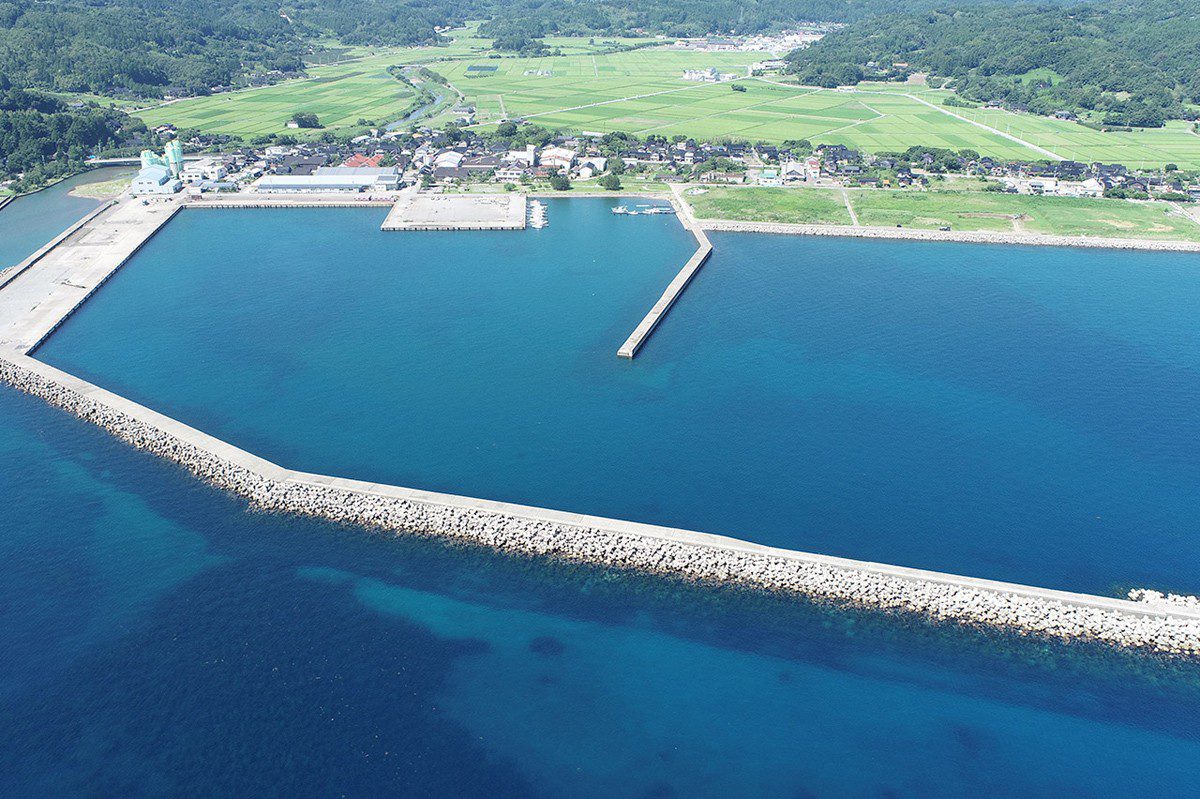
1.1 Hamochi Port operates 24/7 with priority given to vessels carrying hazardous materials or perishable goods. Night navigation is permitted but requires prior approval from the Port Control (Hamochi Port Authority Notice No. 2023-05).
1.2 The main commercial quay has a total length of 320m with a maximum draft of 9.5m (verified by Japan Coast Guard 2023 hydrographic survey). Berths 1-3 are designated for general cargo, while Berth 4 is reserved for oil tankers.
1.3 Oil terminal is equipped with double-hull piping systems and requires vessels to maintain 50m safety zone during operations (per ISGOTT 6th Edition standards).
1.4 Container operations are limited to vessels under 150m LOA due to turning basin constraints (Port Design Standard JIS F 0401:2018).
1.5 Port infrastructure can withstand seismic intensity of 6 Lower (Japan Meteorological Agency scale) as per 2022 structural audit.
2. Navigation and Channel Restrictions
2.1 The approach channel has a design width of 150m with under-keel clearance requirement of 10% of vessel’s draft (Maritime Bureau Notice No. 12-2022).
2.2 Mandatory AIS transmission within 12nm of port entrance (Japan Maritime Safety Law Article 56). VHF Channel 16/12 monitored continuously.
2.3 Tide-dependent access: Vessels exceeding 8m draft must transit during high water (+1.2m above chart datum). Tide tables must be Japan Hydrographic Association approved editions.
2.4 Prohibited areas: 500m exclusion zone around the breakwater construction site (35°34’12″N 134°19’45″E) until Dec 2024 (Notice to Mariners No. 48/2023).
3. Anchorage Regulations
3.1 Designated anchorage Area A (35°35’N, 134°20’E) has holding ground of soft mud with 3:1 scope requirement in winds exceeding 20 knots.
3.2 Anchorage watch must be maintained with engine on standby when within 0.5nm of fishing zones (Shimane Prefecture Fisheries Regulation §3-2).
3.3 Emergency anchorage Area B (35°36’N 134°21’E) reserved for vessels in distress with prior coordination required via JRCC Osaka.
4. Cargo Operations
4.1 Grain handling capacity limited to 800MT/hour due to dust control regulations (Shimane Prefecture Environmental Ordinance Chapter 7).
4.2 Timber cargoes require certification of fumigation if originating from SE Asia (Japan Plant Protection Act Article 12). Moisture content must be below 20%.
4.3 Hazardous cargo operations suspended when wind speed exceeds 15m/s (Port Safety Management Rule §4.3). IMDG Code segregation rules strictly enforced.
4.4 Steel coil loading requires signed stowage plan from ClassNK/NKK certified surveyor (Japan P&I Club Bulletin 2021-04).
5. Safety Management
5.1 Monthly emergency drills including oil spill response are mandatory for all berthed vessels (Port Regulations Chapter 7). Records must be retained for 2 years.
5.2 Gangways must be illuminated and netted between sunset and sunrise (IMO Resolution A.1045(27)). Minimum width 0.6m with anti-slip surface.
5.3 Hot work permits require gas-free certification from approved surveyors (ClassNK Guidelines PS-03). Fire watch must be maintained for 4 hours post-work.
5.4 All mooring lines must have minimum breaking strength of 60 tons (OCIMF MEG4 standards). Synthetic lines prohibited for tankers.
6. Environmental Compliance
6.1 Zero discharge policy for ballast water within port limits (Japan’s amended Water Pollution Control Law 2021). D-2 standard mandatory.
6.2 Use of eco-friendly paints with biocide content below 5% required for hull cleaning operations (JIS K 5600-7-7).
6.3 Mandatory use of low-sulfur fuel (0.1% max) while at berth (Air Pollution Control Act Article 34-2).
7. Crew Requirements
7.1 Port health clearance mandatory if calling from countries with active WHO-declared PHIC. Yellow Fever vaccination valid for 10 years required.
7.2 Shore leave restricted to designated crew change facilities during pandemic alerts (MHLW Notice 0401-3).
7.3 All officers must hold valid Japan-specific PSC familiarization certificates (MLIT Ordinance No. 28/2020).
8. Special Notices
8.1 Annual typhoon preparedness drill conducted every June 1-7 (Port Disaster Prevention Plan). Vessels must submit contingency plans by May 31.
8.2 Winter operations (Dec-Feb) require additional mooring lines for NW monsoon winds. Minimum 8 lines for vessels >10,000GT.
8.3 Real-time port updates available through Japan Coast Guard’s MICS system (Maritime Information and Communication System).
8.4 Fishing gear entanglement risk high in approaches – recommend use of propeller guards when transiting under 8 knots.
10. Pilotage and Tug Services
10.1 Compulsory pilotage for vessels over 500 GT (Japan Maritime Safety Law Article 25). Pilot boarding area at 35°34.5’N 134°19.8’E.
10.2 Minimum 24-hour advance notice required for pilot requests (Hamochi Port Operations Manual Section 5.2).
10.3 Tug assistance mandatory for vessels exceeding 150m LOA or 8m draft (Port Regulation 12-3). Minimum 2 tugs required in Beaufort 6+ conditions.
11. Port Services and Facilities
11.1 Fresh water available at all berths (50 tons/hour capacity). Prior notice required for bunkering operations.
11.2 Waste reception facilities comply with MARPOL Annex V. Hazardous waste disposal requires special approval from port environmental officer.
11.3 Limited ship repair capabilities – only minor repairs available. Nearest major repair yard at Sakai Minato Port (35°32’N 133°14’E).
12. Customs and Immigration
12.1 Advance cargo declaration required 48 hours before arrival (Japan Customs Law Article 67-2).
12.2 Crew lists must be submitted in specified format (Immigration Bureau Form No. C-1120).
12.3 Strict prohibition on crew changes without prior immigration approval (MLIT Notice 2021-15).
13. Meteorological Considerations
13.1 Prevailing winds: NW in winter (Oct-Mar), SE in summer (Apr-Sep). Gusts may exceed 30 knots during seasonal transitions.
13.2 Fog occurs most frequently April-June, reducing visibility to <500m on average 8 days/month.
13.3 Tsunami evacuation procedures posted at all berths. Vessels must maintain 1/2 engine readiness during JMA tsunami warnings.
14. Security Requirements
14.1 ISPS Level 1 maintained continuously. Random security drills conducted quarterly.
14.2 Armed guards prohibited within port limits (Japan Coast Guard Security Circular 2019-4).
14.3 Mandatory gangway watch during all cargo operations (ISPS Code Part A/4.26).
15. Emergency Contacts
15.1 Port Control: VHF Ch 12 (24/7 monitoring)
15.2 JRCC Osaka: +81-78-451-0119 (Maritime emergency)
15.3 Japan Coast Guard Shimane Office: +81-852-22-0110
16. Additional Operational Notes
16.1 Special care required when handling project cargo – prior stowage plan approval mandatory for items over 50 tons.
16.2 Magnetic compass deviations may occur near the ore terminal – recommend frequent checks when maneuvering in this area.
16.3 Port working hours may be reduced during Obon festival (August 13-15) and New Year (Dec 29-Jan 3).
18. Vessel Traffic Services (VTS)
18.1 Mandatory VTS reporting for all vessels over 300 GT when entering/exiting port limits (Japan Coast Guard Regulation 15-2021).
18.2 Reporting points:
– At 12nm from port entrance (Waypoint HAM01)
– When passing breakwater (Waypoint HAM02)
– When securing at berth
18.3 VTS operating frequency: VHF Channel 14 (primary), Channel 16 (secondary). Continuous radar monitoring within 20nm radius.
19. Bunkering Operations
19.1 Bunkering only permitted at designated areas (Berth 4 and Anchorage C). Prior application required 72 hours in advance.
19.2 Strict compliance with MARPOL Annex VI required – fuel samples must be retained for 12 months (Japan Clean Air Act).
19.3 Bunker barge operators must hold ClassNK certification. Maximum transfer rate 200m³/hour for safety reasons.
20. Dangerous Goods Handling
20.1 IMDG Class 1 (explosives) prohibited in port limits except with special permission from Ministry of Transport.
20.2 Toxic gas carriers (IMDG Class 2.3) require 500m exclusion zone during operations (Japan Industrial Safety Act).
20.3 Radioactive materials (Class 7) handling limited to 2 days per month – schedule published quarterly by port authority.
21. Port Dues and Charges
21.1 Port dues calculated based on GT and length overall (LOA). Discount available for eco-friendly vessels (EEOI < 5.0g/ton-nm).
21.2 Waste disposal fees:
– General waste: ¥5,000/ton
– Oily waste: ¥15,000/ton
– Hazardous waste: ¥30,000/ton
21.3 Electronic payment preferred. Cash payments require prior arrangement with port finance office.
22. Communication Protocols
22.1 English/Japanese bilingual communication required for all port operations (Port Ordinance 7-3).
22.2 Standard marine communication phrases (SMCP) must be used for vessel-port communications.
22.3 Digital Notice to Mariners updates available via Japan Coast Guard NAVTEX service (518 kHz).
23. Port Infrastructure Updates
23.1 New container terminal (North Pier) under construction (2024-2026) – expect increased construction vessel traffic.
23.2 Main channel dredging scheduled Q3 2024 – temporary draft restrictions may apply.
23.3 New VTS tower operational since March 2024, improving radar coverage to 30nm.
24. Crew Welfare Facilities
24.1 Designated seafarer center located at 35°34’18″N 134°20’05″E with:
– Free WiFi access
– Medical clinic (basic first aid)
– Currency exchange services
24.2 Crew transportation available to designated city areas (6 daily shuttles).
26. Port Entry/Exit Procedures
26.1 All vessels must submit ETA notification 72 hours in advance via Japan’s Electronic Port Clearance System (e-Port).
26.2 Mandatory documents for clearance:
– Ship Registry Certificate
– Last Port Clearance
– Crew List (Form C-1120)
– Maritime Health Declaration
26.3 Customs inspection may be required for vessels arriving from high-risk areas (designated by Japan Customs).
27. Mooring Arrangements
27.1 Standard mooring pattern:
– 4 head lines + 4 stern lines + 2 breast lines for vessels <150m LOA
- Additional spring lines required for larger vessels
27.2 All mooring lines must be inspected by port staff prior to operations. Worn lines (over 10% diameter reduction) must be replaced.
27.3 Special typhoon mooring procedures apply from July to October (refer to Port Emergency Manual Section 5A).
28. Cargo Documentation
28.1 Mandatory cargo documents:
– Bill of Lading (original + 3 copies)
– Dangerous Goods Declaration (if applicable)
– Stowage Plan (for breakbulk/general cargo)
28.2 All documents must be submitted in English or Japanese. Translations require notarization.
28.3 Electronic submission via Japan’s Single Window System preferred (JSWIM platform).
29. Port Working Hours
29.1 Standard working hours: 0800-1700 JST (Monday-Friday).
29.2 Overtime rates apply for:
– Operations outside standard hours (150% normal rate)
– Weekend/holiday operations (200% normal rate)
29.3 Minimum 4-hour notice required for overtime requests.
30. Environmental Monitoring
30.1 Continuous air quality monitoring at all berths. Real-time data available on port website.
30.2 Mandatory oil spill detection systems required for tankers (>5,000 DWT).
30.3 Noise restrictions apply from 2200-0600 (max 65 dB at berth perimeter).
31. Medical Facilities
31.1 Port medical clinic provides:
– Emergency first aid
– COVID-19 testing
– Basic medications
31.2 Nearest full-service hospital: Hamada Medical Center (35°33’N 134°18’E), 15 minutes by ambulance.
31.3 Medical waste disposal requires special containers (available at clinic).
32. Cybersecurity Requirements
32.1 All electronic navigation systems must have up-to-date antivirus protection (Japan Cybersecurity Guidelines for Ships).
32.2 Mandatory reporting of any cyber incidents affecting ship systems while in port.
32.3 Crew personal devices must use port-approved VPN when accessing port WiFi.
34. Vessel Inspection Requirements
34.1 Mandatory pre-entry inspection for vessels over 20 years old (Japan Port State Control Directive 2024-3).
34.2 Special attention areas during inspections:
– Firefighting equipment certification
– Lifeboat launch systems
– Ballast water treatment records
34.3 Vessels with 3+ deficiencies in last 12 months subject to expanded inspection (Tokyo MOU criteria).
35. Ice Navigation Procedures
35.1 Winter operations (December-February) require:
– Bow thruster operational at all times
– Double watchkeeping in approaches
– Engine pre-heating below 5°C
35.2 Ice accumulation reporting mandatory when exceeding:
– 5cm on decks
– 3cm on masts/rigging
36. Special Cargo Handling
36.1 Oversized cargo (L>12m or W>4m) requires:
– Special transport permit from MLIT
– Police escort for road movements
– Night movement restrictions
36.2 Refrigerated containers:
– Must be pre-cooled 6 hours before loading
– Temperature logs required for perishables
– Emergency power connection points available
37. Port Security Levels
37.1 ISPS Level 2 activation procedures:
– 100% ID checks
– Waterborne patrols increased
– Restricted access to sensitive areas
37.2 Prohibited items in port:
– Drones (without permit)
– Photography equipment in operational areas
– Personal watercraft
38. Emergency Response
38.1 Oil spill response capacity:
– 500m containment boom stock
– 2 skimmer vessels on standby
– 20,000L dispersant stock
38.2 Firefighting resources:
– 3 fireboats (5,000L/min capacity each)
– Foam stations at all oil berths
– Thermal imaging equipment available
41. Contact Information (Official Sources Only)
41.1 Port Authority:
– Operations
– Security
41.2 Emergency Services:
– Medical: 119 (local emergency number)
– Police: 110 (local emergency number)
42. Vessel Speed Restrictions
42.1 Within port limits: Maximum 8 knots (15 km/h) for all vessels
42.2 In harbor basin: Maximum 5 knots (9 km/h) within 500m of berths
42.3 Special slow zones: 3 knots (5.5 km/h) near passenger terminals and fishing areas
43. Waste Management Procedures
43.1 Segregation requirements:
– Food waste (separate containers)
– Plastics (marked bins)
– Oily rags (special disposal bags)
43.2 Hazardous waste collection:
– Every Tuesday and Friday 0900-1100
– Must be pre-registered 24h in advance
44. Crew Change Procedures
44.1 Designated crew change area at North Pier (24/7 operation)
44.2 Required documents:
– Valid passport
– CDC with Japanese visa
– Negative COVID-19 test (if required)
44.3 Transportation arranged through approved agencies only
45. Port Lighting Requirements
45.1 Mandatory lighting during night operations:
– Deck working areas: minimum 200 lux
– Gangways: continuous lighting
– Cargo holds: explosion-proof fixtures required
46. Communication Equipment Standards
46.1 Required shipboard equipment:
– VHF radios (Ch 12,14,16)
– AIS Class A
– Japanese NAVTEX receiver
46.2 Backup systems required for all critical communications