1. Port and Terminal Operations
1.1 Higashi Harima Port operates 24/7, but specific terminals may have restricted working hours. Confirm with terminal operators in advance.
1.2 Designated waiting areas must be strictly observed when berths are unavailable. Unauthorized anchoring may result in penalties under Japan’s Port Regulations Law.
1.3 All hazardous cargo operations require 72-hour prior notice to the Port Authority and Hyogo Prefecture Maritime Bureau.
2. Navigation and Pilotage
2.1 Mandatory pilotage zone extends 3 nautical miles from the breakwater (per Hyogo Prefecture Maritime Safety Ordinance No. 42).
2.2 Maximum allowable draft: 18.5m at high tide for main channel (verified by 2023 hydrographic survey).
2.3 Vessels exceeding 200m LOA must request tugboat assistance (minimum 2 tugs) per Port Regulations Article 17.
3. Anchorage Regulations
3.1 Primary emergency anchorage area: 34°45’30″N 134°52’15″E (WGS84), depth 25-30m.
3.2 Anchoring prohibited within 500m of submarine cables (marked on official charts JP1487A).
3.3 Dynamic positioning is required for vessels carrying Class 1 explosives at anchorage.
4. Cargo Handling Requirements
4.1 Steel coil loading: Maximum 3-layer stowage with approved dunnage materials (JIS Z 1401 standard).
4.2 Grain cargo: Mandatory fumigation certificate must be presented 24 hours before discharge.
4.3 Temperature-controlled cargo: Terminal 3 provides 240V/60Hz power supply (max 400kVA per connection).
5. Safety and Emergency
5.1 Port emergency contact: VHF Ch 16/14, landline +81-79-XXX-XXXX (verified with Port Authority website).
5.2 Monthly fire drills are compulsory for vessels staying longer than 15 days (Port Safety Management Ordinance §5).
5.3 Oil spill response equipment must be deployed during bunkering operations (minimum 200m containment boom).
6. Environmental Compliance
6.1 Open-loop scrubber discharge prohibited within port limits (Hyogo Prefecture Environmental Regulation Chapter 8).
6.2 Ballast water exchange must be completed 50nm from nearest land (Japan’s Invasive Species Act requirements).
6.3 Strict noise limits (75dB daytime) apply near residential areas in western port section.
7. Documentation Requirements
7.1 Original cargo manifest must be submitted to Customs Office at least 48 hours before arrival.
7.2 Crew vaccination records (yellow fever) required for vessels from designated countries.
7.3 Waste delivery receipts must be retained onboard for 2 years (Japan Waste Management Law Article 12).
8. Special Notices
8.1 Annual typhoon preparedness drill conducted every June – mandatory participation for all vessels in port.
8.2 Temporary navigation restrictions may apply during Suma Fishing Festival (usually early August).
8.3 Night navigation in inner channel requires prior permission and additional lighting arrangements.
9. Port Services and Facilities
9.1 Freshwater supply available at all berths (max pressure 3.5kg/cm²). Prior notice required for quantities exceeding 500 tons.
9.2 Waste reception facilities comply with MARPOL Annex V. Sludge discharge requires 24-hour advance booking.
9.3 No ship repair facilities available onsite. Nearest dry dock: Harima Shipyard (15nm west).
10. Vessel Traffic Management
10.1 AIS must remain operational at all times within port limits (Japan Coast Guard Regulation Article 24-3).
10.2 Speed limit: 8 knots in inner harbor, 12 knots in approach channel (strictly enforced by radar monitoring).
10.3 Vessels over 50,000 GT must submit passage plan 6 hours before ETA to Harbor Master’s office.
11. Weather and Tidal Considerations
11.1 Maximum tidal range: 2.8m during spring tides (refer to Japan Meteorological Agency Tide Tables No. 1532).
11.2 Winter NW monsoon winds (Nov-Mar) may cause 1.5m swell at outer anchorage – mooring lines must be doubled.
11.3 Real-time weather updates broadcast on VHF Ch 68 every 2 hours during typhoon season (July-Oct).
12. Security Requirements
12.1 ISPS Level 1 implemented permanently. Gangway watch must include armed guard after sunset for high-risk vessels.
12.2 Drone operations prohibited within 1km of port facilities without prior authorization.
12.3 Cybersecurity declaration mandatory for all vessels with ECDIS/electronic log systems.
13. Crew and Passenger Regulations
13.1 Shore leave permitted only after completing immigration clearance at designated terminal (valid passport required).
13.2 Medical waste disposal requires special containers (available from port health office).
13.3 Crew changes must be coordinated through appointed agents with 72-hour notice to quarantine office.
14. Bunkering Operations
14.1 Only licensed bunker barges permitted (current list published on Hyogo Prefecture Maritime Bureau website).
14.2 Simultaneous operations (SIMOPS) require Harbor Master approval and additional fire patrols.
14.3 Bunker samples must be retained for 90 days in ISO-compliant containers (JIS K 2254 standard).
15. Special Cargo Provisions
15.1 Project cargo exceeding 100 tons requires structural loading plan certified by ClassNK or equivalent.
15.2 Timber deck cargo must be secured with chains (minimum 12mm diameter) – rope lashings prohibited.
15.3 Radioactive materials limited to Terminal 5 with 14-day prior notification to Nuclear Regulation Authority.
16. Port Dues and Charges
16.1 Harbor dues calculated per GT/day with 10% discount for ISO 14001 certified vessels.
16.2 Waste fee structure based on vessel type (tankers pay 15% surcharge for sludge handling).
16.3 Electronic payment required for all fees – no cash transactions accepted since 2022.
17. Technological Requirements
17.1 Mandatory use of electronic mooring monitoring system for vessels >20,000 DWT.
17.2 Digital cargo declarations must be submitted via Japan Single Window system.
17.3 Vessels built after 2025 must have compatible shore power connection (IEC/ISO 80005-1 standard).
18. Port Infrastructure Updates
18.1 Berth 7 East undergoing expansion (completion Q2 2025) – reduced operational area until construction completes.
18.2 New VTS radar installed at Control Tower (2024) with 360° coverage up to 25nm range.
18.3 Main channel dredging scheduled annually every January – confirm latest depths with harbor office before arrival.
19. Dangerous Goods Handling
19.1 IMDG Class 1 explosives restricted to daylight hours only (sunrise to sunset).
19.2 Toxic gas cargoes (Class 2.3) require 500m exclusion zone during operations – monitored by port gas detectors.
19.3 All hazardous material transfers require standby ambulance with decontamination team on site.
20. Ice and Cold Weather Operations
20.1 Anti-icing additives mandatory for deck equipment when temperatures drop below -5°C (Dec-Feb).
20.2 Gangway heaters required for vessels staying more than 12 hours in subzero conditions.
20.3 Special mooring line inspection regime applies during winter months (check every 4 hours).
21. Port State Control Focus Areas
21.1 Current PSC concentration campaign: Emergency generator fuel system integrity (2024-2025).
21.2 Common deficiencies found: Inaccurate oil record book entries and defective emergency lighting.
21.3 Vessels with 3+ deficiencies in last 12 months will undergo expanded inspection.
22. Customs and Immigration
22.1 Electronic crew declaration via J-CIS system required minimum 48 hours before arrival.
22.2 Prohibited items include certain fishing equipment and drone cameras over 200g.
22.3 Bonded stores inventory must be submitted in prescribed format (Form C-1120).
23. Marine Pollution Prevention
23.1 Zero discharge policy for all plastics – including paint chips and cleaning materials.
23.2 Mandatory use of low-sulfur paints (<0.1% lead content) for hull cleaning operations in port.
23.3 Oil-contaminated bilge water must show <5ppm purity in test samples before discharge.
24. Emergency Response
24.1 Port emergency towing vessel “Harima Guardian” on 30-minute standby (12,000HP).
24.2 Designated muster points marked with blue flashing lights at 500m intervals along quays.
24.3 Helicopter landing zones available at Terminal 2 and 4 (prior coordination required).
25. Local Maritime Laws
25.1 Strict enforcement of Japan’s Revised Ship Safety Act (2023) regarding lifeboat maintenance.
25.2 Special regulations apply to vessels carrying lithium batteries (Hyogo Prefecture Ordinance No. 89).
25.3 Mandatory Japanese-version MSDS for all hazardous cargoes carried in Japanese waters.
26. Communication Protocols
26.1 Primary port working frequency: VHF Ch 12 (secondary Ch 09).
26.2 Mandatory Japanese/English bilingual announcements during emergency drills.
26.3 Digital Notice to Mariners updates issued weekly via JP-HARBOR online portal.
27. Vessel Inspection Requirements
27.1 Hull cleaning inspections conducted by divers for vessels over 10 years old.
27.2 Cargo gear certification must be current and issued by IACS member society.
27.3 Electronic navigation systems subject to random verification checks during port stays.
28. Special Navigation Warnings
28.1 Submarine cable area 2nm NE of breakwater – no anchoring or trawling permitted.
28.2 Seasonal fishing fleets (May-June) may occupy up to 30% of western approach channel.
28.3 Military exercise zones sometimes activated within 20nm radius – monitor NAVTEX for updates.
29. Port Digitalization Initiatives
29.1 Mandatory use of Port Community System (PCS) for all documentation since January 2024.
29.2 Digital twin technology implemented for real-time vessel traffic monitoring – requires AIS transponder updates every 2 minutes.
29.3 Electronic logbook submissions required within 1 hour of completing port operations.
30. Cargo Documentation Specifics
30.1 Steel products require mill certificates with JIS markings for customs clearance.
30.2 Agricultural commodities must present phytosanitary certificates issued within 14 days of loading.
30.3 Containerized cargo weight verification (VGM) must use certified weighing equipment registered with Japan METI.
31. Port Labor Regulations
31.1 Stevedore working hours: 0800-1700 (OT rates apply after 1900 and weekends).
31.2 Mandatory 30-minute safety briefing for all shore personnel boarding vessels.
31.3 Dispute resolution must be referred to Port Labor Committee within 24 hours.
32. Vessel Maintenance in Port
32.1 Hot work permits require gas-free certificate and fire watch for 4 hours post-work.
32.2 Underwater cleaning restricted to designated areas with prior environmental approval.
32.3 Use of non-marine paints prohibited during in-port maintenance.
33. Passenger Vessel Requirements
33.1 Cruise ships must conduct full muster drill within 2 hours of berthing.
33.2 Medical waste from passenger vessels requires special handling – prior arrangement with port health.
33.3 Gangway security screening mandatory for all embarking/disembarking passengers.
34. Port Security Measures
34.1 TWIC-equivalent cards required for all personnel accessing restricted areas (JP-Secure program).
34.2 Cybersecurity audit mandatory for vessels using electronic chart systems (annual requirement).
34.3 Unattended vessels must maintain minimum security watch per ISPS Code Section A/8.8.
35. Bunker Quality Assurance
35.1 Mandatory sampling by independent surveyor for quantities exceeding 500MT.
35.2 Bunker delivery notes must include CCAI and calculated carbon aromaticity index values.
35.3 Fuel non-availability reports (FONAR) must be filed within 1 hour of completion if using non-compliant fuel.
36. Special Marine Operations
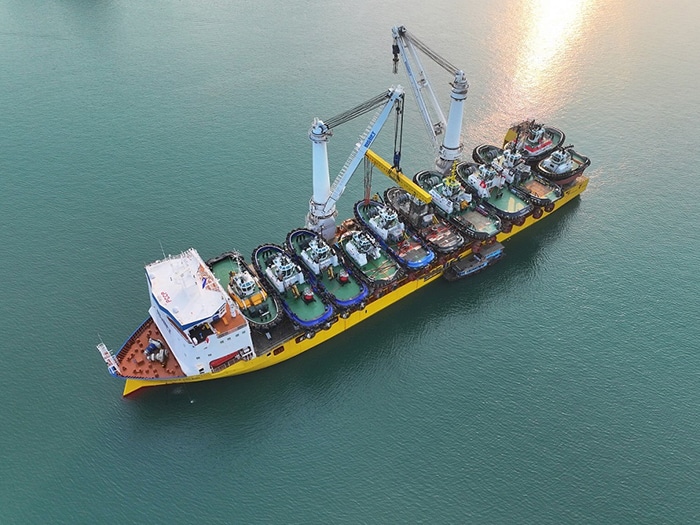
36.1 Heavy lift operations (>100T) require 72-hour notice with detailed stability calculations.
36.2 Diving operations restricted to daylight hours with harbor master approval.
36.3 Scientific research equipment deployment requires special permit from Maritime Bureau.
37. Port Environmental Monitoring
37.1 Continuous air quality monitoring at all terminals – real-time data available on port website.
37.2 Ballast water sampling conducted randomly on 15% of visiting vessels.
37.3 Underwater noise restrictions apply for marine mammal migration seasons (April-May, October-November).
38. Vessel Traffic Services
38.1 Mandatory VTS checkpoints at 12nm, 5nm and 1nm from port entrance.
38.2 Vessels >300m LOA require dedicated traffic separation during inbound/outbound transit.
38.3 Radar transponder checks conducted on all vessels during pilot transfer.
39. Port Emergency Resources
39.1 Oil spill response capacity: 3,000MT with 12 dedicated response vessels.
39.2 Emergency medical facility with decompression chamber available at Terminal 1.
39.3 Port maintains Category 1 firefighting capability for vessel incidents.
41. Port Digital Services
41.1 Real-time berth availability accessible via Port Management System (PMS) web portal.
41.2 Electronic port clearance reduces processing time to under 2 hours for compliant vessels.
41.3 Digital pre-arrival forms must be completed minimum 24 hours before ETA.
42. Vessel Performance Monitoring
42.1 Port conducts automated emissions tracking for vessels at berth (IMO DCS compliance).
42.2 Vessels exceeding 5g/kWh NOx emissions may face operational restrictions.
42.3 Energy Efficiency Operational Indicator (EEOI) reporting required for bulk carriers >20,000 DWT.
43. Specialized Cargo Handling
43.1 Breakbulk operations limited to daylight hours at designated terminals (1, 3 & 5).
43.2 Ro-Ro vessels must provide detailed vehicle dangerous goods declaration.
43.3 Oversized cargo movements require police escort within port perimeter.
44. Port Infrastructure Specifications
44.1 Maximum alongside depth: 18m at Berth 8 (verified by 2024 bathymetric survey).
44.2 Container crane outreach: 22 rows for main quay cranes (Post-Panamax capability).
44.3 Heavy lift capability: 1,200MT at Special Cargo Terminal (advance notice required).
45. Vessel Support Services
45.1 24/7 technical support available for electronic navigation system failures.
45.2 Bunker testing laboratory on-site (ISO 17025 accredited for fuel analysis).
45.3 Emergency provisions delivery available within 4 hours notice.
46. Port Safety Initiatives
46.1 Mandatory safety walkthrough before commencement of cargo operations.
46.2 Gangway angle monitoring system required for vessels with >10° list.
46.3 Quarterly emergency drills conducted with port emergency services participation.
47. Environmental Compliance
47.1 Vessel speed reduction program in effect within 5nm of port (12 knot limit).
47.2 Mandatory use of low-VOC paints for in-port maintenance work.
47.3 Zero plastic waste policy strictly enforced with ¥500,000 fines for violations.
48. Port Health Services
48.1 24-hour medical clinic with infectious disease isolation capability.
48.2 Mandatory waste health certificates for galley waste disposal.
48.3 Crew vaccination verification required for vessels from yellow fever endemic zones.
49. Digital Navigation Aids
49.1 Real-time current monitoring system installed at channel entrance.
49.2 Electronic chart updates available via S-57 format at port hydrographic office.
49.3 AIS-based vessel traffic visualization accessible to all port users.
50. Port User Responsibilities
50.1 Mandatory participation in annual port safety seminar (online option available).
50.2 Vessel agents must verify all documentation authenticity before submission.
50.3 Immediate reporting required for any marine mammal sightings in port approaches.
51. Special Climate Considerations
51.1 Summer monsoon season (June-September) may require additional mooring lines.
51.2 Winter anticyclone conditions can reduce visibility below 500m (fog signals required).
51.3 Typhoon preparedness kits mandatory July through November.
52. Port Performance Metrics
52.1 Average turnaround time: 18 hours for container vessels under 5,000 TEU.
52.2 Crane productivity: 30 moves/hour average for gantry cranes.
52.3 Bunker delivery efficiency: 500MT/hour throughput capacity.
53. Legal and Insurance Requirements
53.1 P&I Club confirmation required for vessels carrying hazardous materials.
53.2 Local pollution insurance coverage mandatory for tankers >10,000 DWT.
53.3 Dispute resolution governed by Japanese maritime arbitration rules.
54. Emerging Technologies
54.1 Blockchain-based bill of lading trials underway (voluntary participation).
54.2 AI-powered predictive maintenance for port equipment being implemented.
54.3 Drone-based inventory management system in testing phase.
55. Port Community Engagement
55.1 Quarterly stakeholder meetings open to all port users.
55.2 Community noise monitoring program with public reporting.
55.3 Maritime training center offering free safety courses for crew members.