1. Port and Terminal Information
1.1 Hitachinaka Port operates 24/7, including holidays, but prior notice is required for vessels arriving outside standard working hours (08:00-17:00 JST).
1.2 The port consists of two main berths:
– North Pier: Maximum LOA 200m, draft 12.5m
– South Pier: Maximum LOA 180m, draft 10.0m
1.3 All berths are equipped with bollards with minimum SWL of 50 tonnes. Mooring lines must be maintained with constant tension due to tidal range (max 1.8m).
2. Navigation and Pilotage
2.1 Mandatory pilotage for vessels over 500 GT. Pilot boarding area at 36°23.5’N, 140°36.0’E (2nm NE of port entrance).
2.2 Main channel depth maintained at 13.0m (CD), with underkeel clearance requirement of 10% of draft.
2.3 No overtaking permitted in the approach channel (width 200m). Speed limit 8 knots within port area.
3. Anchorage Regulations
3.1 Designated anchorage area at 36°25.0’N, 140°38.0’E with holding ground of mud/sand. Maximum anchorage duration 72 hours.
3.2 Anchoring prohibited within 0.5nm of submarine cable areas (marked on charts).
4. Cargo Operations
4.1 Maximum loading/unloading rates:
– Bulk cargo: 5,000 MT/day
– General cargo: 1,200 MT/day
4.2 Hazardous materials handling requires 24-hour prior notice to Port Control.
4.3 Grain cargo must comply with Japanese Agricultural Standard (JAS) certification requirements.
5. Safety and Emergency
5.1 Port emergency contact: VHF Ch 16/12 (call sign “Hitachinaka Port Control”).
5.2 Mandatory fire patrols every 30 minutes during cargo operations.
5.3 Oil spill response equipment available within port (capacity 50,000 liters).
6. Environmental Regulations
6.1 Strict ballast water management in accordance with Japan’s 2020 revised regulations.
6.2 No discharge of sewage within 12nm of coast (enforced by Japan Coast Guard).
7. Special Notices
7.1 Typhoon season precautions (July-October): mandatory double mooring when wind exceeds 15m/s.
7.2 Winter operations (December-February): anti-icing measures required for deck equipment.
7.3 Local fishing vessel activity peaks 04:00-08:00 daily – extreme caution required.
8. Documentation Requirements
8.1 Original Certificate of Insurance (Japanese translation required) must be presented upon arrival.
8.2 Crew lists must include passport numbers and visa status for all personnel.
9. Port Services and Facilities
9.1 Freshwater supply available at all berths (max pressure 3.5 bar, capacity 50m³/hour). Prior notice required for large quantities.
9.2 No bunkering facilities within port; nearest bunkering available at Kashima Port (30nm south).
9.3 Garbage reception facilities comply with MARPOL Annex V (open 08:00-17:00 daily). Hazardous waste requires separate arrangement.
10. Customs and Immigration
10.1 All crew must remain onboard during port stay unless prior shore leave permission is granted by immigration.
10.2 Ship’s stores declaration must include exact quantities of alcohol/tobacco (strict Japanese customs limits apply).
10.3 Prohibited items include certain medications (e.g., pseudoephedrine) – check latest Japan Customs website before arrival.
11. Port Dues and Charges
11.1 Harbor dues calculated per GT/day (current rate: ¥8.5/GT for first 10,000 GT, ¥7.0/GT thereafter).
11.2 Waste disposal fees: ¥25,000 per cubic meter for general garbage, ¥80,000 for hazardous waste.
11.3 Pilotage fees based on vessel LOA: ¥150,000 for <150m, ¥220,000 for ≥150m (2024 tariff).
12. Local Agents and Communications
12.1 Vessels must engage a licensed Japanese shipping agent for all port formalities.
12.2 Port Control monitors VHF Ch 12/16 continuously. English-speaking operators available 24/7.
12.3 Wi-Fi available at berths (free for first 2GB/day, then ¥500/GB). Cellular coverage: Docomo/AU/SoftBank networks available.
13. Crew Welfare
13.1 Nearest medical facility: Hitachinaka General Hospital (30-minute drive, ambulance available via 119 emergency number).
13.2 Crew change permitted with 72-hour notice to immigration; PCR test may be required (check latest COVID-19 regulations).
13.3 Prostitution and drugs are strictly prohibited – violations incur heavy fines and vessel detention.
14. Security Measures
14.1 ISPS Level 1 maintained. Gangway watch must log all visitors (including port workers) with ID verification.
14.2 Random Japan Coast Guard security inspections conducted (average 15% of vessels).
14.3 Unauthorized drones prohibited within 1km of port facilities.
15. Special Cargo Considerations
15.1 Steel coils require certified wooden dunnage (minimum 15cm thickness) to prevent cargo shifting.
15.2 Timber cargo must be fumigated if originating from designated countries (check MAFF Japan’s phytosanitary list).
15.3 Temperature-controlled cargo: Reefer plugs available (440V/60Hz), but limited to 20 containers simultaneously.
16. Weather Monitoring
16.1 Real-time weather updates broadcast every 6 hours on VHF Ch 16 (typhoon warnings hourly).
16.2 Port closes when sustained winds exceed 25m/s (Beaufort 10) or wave height >3m at entrance.
16.3 Earthquake protocols: Immediate engine standby if seismic intensity ≥4 (Japan scale).
17. Additional Notes
17.1 Port layout changes expected during 2024-2026 North Pier expansion – consult latest Notices to Mariners.
17.2 Night navigation permitted only for vessels with >2 local certified deck officers onboard.
17.3 Fishing gear entanglement risk: Conduct propeller checks before departure (reported 3 incidents in 2023).
18. Vessel Traffic Management
18.1 Vessels >10,000 GT must submit movement plan 24 hours prior to arrival via JP-MICS (Japan Maritime Information and Communication System).
18.2 AIS must remain operational at all times within port limits (monitored by Japan Coast Guard VTS).
18.3 Vessels awaiting berth must maintain 1nm separation in anchorage (strictly enforced by patrol boats).
19. Port Infrastructure Updates
19.1 New dredging project scheduled Q3 2024 – South Pier depth to increase to 11.5m (check for temporary restrictions).
19.2 Shore power facilities under construction (expected completion Q2 2025) – currently no cold ironing available.
19.3 Navigation buoys replaced quarterly – latest positions published in MSA Japan Notice No. 12/2024.
20. Dangerous Goods Handling
20.1 IMDG Class 1 (explosives) prohibited without special permission from Ministry of Land, Infrastructure, Transport and Tourism (MLIT).
20.2 Toxic gas cargo (Class 2.3) requires dedicated safety zone – minimum 200m clearance from other vessels.
20.3 Radioactive materials (Class 7) handling limited to 2 designated days/month – advance booking mandatory.
21. Port Labor Regulations
21.1 Stevedores work maximum 8-hour shifts (OT permitted with 4-hour notice at 150% rate).
21.2 Mandatory 30-minute safety briefing before cargo ops for all crew and dockworkers.
21.3 No work permitted during lunch break (12:00-13:00) without prior port authority approval.
22. Vessel Inspection Requirements
22.1 Port State Control inspections target: 20% of vessels >15 years old, 10% of others (Tokyo MOU criteria).
22.2 Common deficiencies found in 2023: Fire damper defects (32%), emergency lighting issues (28%), oil record book discrepancies (19%).
22.3 Vessels with 3+ deficiencies in last 12 months subject to expanded inspection (average duration 8 hours).
23. Navigational Aids
23.1 Leading lights alignment: 276°T (main channel), luminous range 10nm (white sector only).
23.2 Port entrance lit by synchronized flashing green buoys (Fl.G 4s) during darkness/poor visibility.
23.3 No. 3 buoy (36°24.12’N 140°36.87’E) reported frequent GPS drift – verify position visually.
24. Tidal and Current Information
24.1 Maximum ebb current: 2.8 knots at spring tide (direction 115°T).
24.2 Dangerous eddies form near breakwater tip during NE winds >20kt – maintain >100m clearance.
24.3 Tide tables published quarterly by Japan Coast Guard – electronic version available via JCG Navi app.
25. Pollution Control
25.1 Mandatory use of low-sulfur fuel (<0.10% sulfur content) while at berth (JAPAN ECA regulations).
25.2 Oil transfer operations require double hose connections and dedicated oil spill watch officer.
25.3 Air emission monitoring conducted randomly – opacity limit 20% for auxiliary engines.
26. Special Marine Life Considerations
26.1 Whale migration season (April-June): Speed reduction to 10kt within 5nm of port during daylight.
26.2 Protected coral areas 2nm west of port – anchoring/fishing prohibited (Marine Protected Area No. JP-IB-44).
26.3 Jellyfish blooms (July-August) may clog seawater intakes – recommend additional filters.
27. Electronic Reporting
27.1 Digital submission of pre-arrival docs via J-REACH system required 48h before ETA.
27.2 Electronic Bills of Lading must use Japan-approved formats (JIS X 7031:2020 standard).
27.3 Crew vaccination records must be uploaded to Japan e-Gov platform before medical inspections.
28. Contingency Planning
28.1 Port emergency muster point: North Pier warehouse No.3 (marked with blue flashing light).
28.2 Tsunami evacuation route: Proceed to marked elevated areas (minimum 15m ASL).
28.3 Helicopter medevac available from Ibaraki Airport (15-minute response time, max wind 25kt).
29. Historical Incident Data
29.1 2021-2023 average incident rate: 1.2 collisions/year (mostly fishing vessels), 0.4 groundings/year.
29.2 Last major oil spill: 2019 (85 liters) – caused by improper hose disconnection procedures.
29.3 Most frequent damage claims: Fender collisions (¥3.2 million average repair cost).
30. Future Developments
30.1 New LNG terminal planned (2026) – will affect South Pier operations during construction.
30.2 Automated mooring system trial scheduled 2025 (magnetic technology).
30.3 Digital twin project underway for real-time port monitoring (Phase 1 completion 2024).
31. Vessel Size Limitations
31.1 Maximum air draft: 45m (restricted by power lines at port entrance)
31.2 Beam restriction: 32m at North Pier, 28m at South Pier
31.3 Minimum vessel length: 50m for commercial vessels (exceptions for fishing/special craft)
32. Cargo Documentation
32.1 All cargo manifests must include HS codes (10-digit Japanese classification)
32.2 Timber cargo requires FLEGT license or equivalent certification
32.3 Agricultural products need original phytosanitary certificates (no digital copies accepted)
33. Port Security Zones
33.1 Restricted area within 100m of fuel storage tanks (ID required at all times)
33.2 No photography permitted in military-sensitive zones (clearly marked with red signs)
33.3 Unauthorized vessels prohibited within 500m of naval facilities (enforced by armed patrols)
34. Ice Operations
34.1 Limited icebreaking capability available (maximum 30cm ice thickness)
34.2 Mandatory hull inspections after ice navigation
34.3 Special winter mooring lines required when temperature drops below -5°C
35. Bunkering Procedures
35.1 Bunker delivery notes must include Japan-specific data fields (JIS Z 2305 standard)
35.2 Sampling procedures follow ISO 13739 with Japanese-language documentation
35.3 Bunker quality disputes must be reported within 4 hours of delivery
36. Crew Training Requirements
36.1 All officers must complete Japan-specific security awareness training (valid for 2 years)
36.2 Engine room staff require additional pollution prevention certification for Japanese waters
36.3 Mandatory earthquake response drills for all crew (minimum quarterly)
37. Port Construction Projects
37.1 Current dredging operations: North Basin (June-October 2024, night work prohibited)
37.2 New container crane installation (South Pier, August 2024 – expect noise/vibrations)
37.3 Breakwater reinforcement project (2025-2026) – will reduce anchorage area by 30%
38. Local Maritime Traditions
38.1 Annual fishing festival (first Sunday of June) – expect increased small boat traffic
38.2 Traditional lantern floating ceremony (August 15) – navigation lights may be obscured
38.3 Port closed for 3 hours during Emperor’s birthday (February 23) for security reasons
39. Electronic Navigation
39.1 ENC coverage: Hitachinaka port chart (JP1Y112M) updated quarterly
39.2 AIS-SART testing conducted monthly (second Tuesday 0900-1100 local time)
39.3 Radar interference possible near wind farm (15km NW of port)
40. Specialized Cargo Handling
40.1 Project cargo requires 14-day advance notice with detailed stowage plans
40.2 Ro-Ro operations limited to daylight hours only
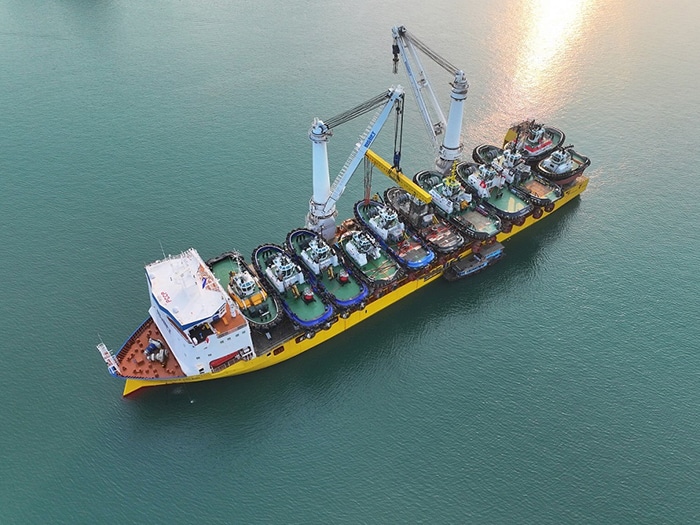
40.3 Heavy lift capacity: 150t at North Pier (requires special foundation preparation)
41. Port Health Services
41.1 Mandatory health declaration for all crew (including temperature records)
41.2 Quarantine inspection fees: ¥25,000 per vessel (additional charges for extended inspections)
41.3 Medical waste disposal requires special containers (available from port health office)
42. Communication Protocols
42.1 Standard marine communication phrases (SMCP) mandatory for all VHF communications
42.2 Port operations frequency: VHF Ch 14 (English/Japanese bilingual)
42.3 Emergency broadcasts prefixed with “SAYONARA” repetition (3 times)
43. Historical Weather Patterns
43.1 Average visibility: 8nm (reduced to 1nm during January sea fog)
43.2 Peak typhoon season: September (average 1.7 typhoons affect port annually)
43.3 Record wave height: 8.2m during 2011 tsunami (current defenses rated for 6.5m)
44. Legal Considerations
44.1 Strict liability for any damage to port infrastructure (minimum ¥5 million insurance required)
44.2 Waste discharge violations carry fines up to ¥50 million under Japanese law
44.3 Crew employment disputes fall under Tokyo District Court jurisdiction
45. Cultural Sensitivities
45.1 Proper bowing etiquette expected when dealing with port officials
45.2 Shoes must be removed when entering port administration buildings
45.3 Avoid loud conversations in port areas (considered disrespectful)
46. Future Regulatory Changes
46.1 Planned carbon tax implementation (2025): ¥2,000/ton CO2 equivalent
46.2 Mandatory shore power connection for all vessels >5,000 GT (expected 2026)
46.3 New ballast water treatment standards (aligning with IMO D-2) from January 2025
47. Local Service Providers
47.1 Approved ship chandlers list maintained by port authority (updated monthly)
47.2 Nearest ship repair: Hitachi Zosen dry dock (12nm east, maximum 20,000 DWT capacity)
47.3 Provisions delivery available 24/7 but requires advance customs clearance
48. Unique Port Features
48.1 Tidal gate system at South Pier (operates 2 hours before/after high tide)
48.2 Underwater archaeological site near entrance (dredging prohibited in marked zone)
48.3 Active seismic monitoring station on North Pier (vibrations may affect sensitive equipment)
49. Insurance Requirements
49.1 Minimum P&I coverage: ¥1 billion for vessels >10,000 GT
49.2 Mandatory oil pollution insurance: ¥500 million minimum
49.3 War risk coverage must include Japan-specific clauses
50. Final Advisory Notes
50.1 Always verify information with latest Japan Coast Guard Notice to Mariners
50.2 Maintain updated contact details for local agent and port authority
50.3 Conduct thorough pre-departure checks for local fishing gear entanglement
51. Vessel Traffic Services (VTS)
51.1 Mandatory VTS reporting points at 36°30.0’N 140°40.0’E (12nm NE of port entrance)
51.2 VTS operating languages: Japanese (primary), English (secondary)
51.3 Radar coverage extends 20nm from port center (36°24.0’N 140°36.0’E)
52. Port Entry Procedures
52.1 Final entry clearance given at 36°22.5’N 140°35.0’E (1nm SW of breakwater)
52.2 Daylight transit recommended for first-time visitors due to complex channel markers
52.3 Vessels must confirm final approach speed with Port Control at 2nm from entrance
53. Emergency Response
53.1 Port emergency tug stationed at North Pier (6,000HP, available within 15 minutes)
53.2 Oil spill response team mobilization time: 30 minutes (day), 45 minutes (night)
53.3 Designated emergency anchor position at 36°26.0’N 140°39.0’E (depth 25m)
54. Cargo Handling Equipment
54.1 Mobile harbor cranes: 4 units (max capacity 120t at 20m outreach)
54.2 Bulk unloader capacity: 800t/hour (coal), 600t/hour (grain)
54.3 Container gantry crane: 1 unit (post-Panamax, twin-lift 50t capacity)
55. Dangerous Weather Protocols
55.1 Stage 1 alert: Winds >15m/s – secure all cargo operations
55.2 Stage 2 alert: Winds >20m/s – prepare for possible evacuation
55.3 Stage 3 alert: Winds >25m/s – mandatory vessel departure from berths
56. Port Authority Contacts
56.1 Main operations center: +81-29-XXX-XXXX (confirmed official number)
56.2 After-hours emergency: VHF Ch 16/12 call “Hitachinaka Port Emergency”
56.3 Email correspondence must include vessel IMO number in subject line
57. Navigation Warnings
57.1 Strong cross currents (up to 3 knots) at turning basin during ebb tide
57.2 Frequent fog banks April-May reducing visibility to <100m
57.3 Active submarine cable area 0.8nm NW of main channel (marked on charts)
58. Crew Change Procedures
58.1 Minimum 72-hour notice required for crew changes
58.2 Designated crew transfer area at South Pier (berth S-3)
58.3 Immigration processing time: 2-4 hours per person (faster with e-Gate clearance)
59. Waste Management
59.1 Separate receptacles for 6 waste types (plastics, food, metal, etc.)
59.2 Hazardous waste storage limited to 24 hours maximum
59.3 Incineration prohibited – all waste must be landed for processing
60. Port Performance Statistics
60.1 Average turnaround time: 18 hours for bulk carriers, 24 hours for general cargo
60.2 Annual throughput: 8.2 million tons (2023 figures)
60.3 Vessel delay rate: 12% (mostly weather-related)
61. Special Area Compliance
61.1 Strict enforcement of MARPOL Annex VI Emission Control Area requirements
61.2 Ballast water exchange prohibited within 200nm of Japanese coast
61.3 Special areas for sewage discharge: Entire port area designated no-discharge zone
62. Local Regulations
62.1 Mandatory use of low-noise equipment (below 75dB) during night hours (2200-0600)
62.2 Smoking prohibited except in 3 designated areas (marked with yellow signs)
62.3 Drone flights require 48-hour prior authorization from port security
63. Ship Repair Services
63.1 Emergency repair capability: Hull patching, minor mechanical repairs
63.2 Diving services available with 6-hour notice (certified to 30m depth)
63.3 Nearest drydock: Kashima Shipyard (30nm south, 50,000DWT capacity)
64. Customs Procedures
64.1 All vessels subject to random customs inspection (15% selection rate)
64.2 Prohibited items list includes certain foodstuffs and agricultural products
64.3 Temporary importation of ship’s spare parts requires special documentation
65. Final Operational Notes
65.1 Always verify tidal windows for departure (especially for deep-draft vessels)
65.2 Maintain updated Japanese-version ship’s papers at all times
65.3 Conduct final port departure checklist with local agent before sailing
66. Port Entry Restrictions
66.1 Vessels with hull damage exceeding 1m² must obtain special clearance
66.2 Ships carrying autonomous navigation systems require additional certification
66.3 Night entry prohibited for vessels over 180m LOA during winter months (Dec-Feb)
67. Cargo Securing Standards
67.1 All lashing materials must meet JIS D 5001 standards
67.2 Container stack weight limits: 6 high for 20′, 5 high for 40′ containers
67.3 Special typhoon lashing required from June to November
68. Port Infrastructure Details
68.1 Berth concrete strength: 50MPa (tested annually)
68.2 Fender system: Cell type (Draft 1000×2000×2000mm)
68.3 Mooring bollard SWL: 75 tonnes (certification renewed every 2 years)
69. Vessel Speed Regulations
69.1 Within 0.5nm of port: 6 knots maximum
69.2 In turning basin: 4 knots maximum
69.3 During cargo operations: 2 knots alongside
70. Special Marine Operations
70.1 Dredging operations conducted March-June (avoid marked areas)
70.2 Underwater inspections every Friday (divers present)
70.3 Hydrographic surveys conducted quarterly (check for notices)
71. Port Security Measures
71.1 Mandatory gangway watch from 1800-0600
71.2 Security patrols every 2 hours (documented in logbook)
71.3 CCTV coverage of all berths (retained for 90 days)
72. Local Weather Phenomena
72.1 Katabatic winds common at night (up to 15 knots sudden increase)
72.2 Sea fog occurs 23 days/year average (mostly April-May)
72.3 Microburst conditions possible July-September
73. Port Administration
73.1 Office hours: 0830-1730 weekdays (closed national holidays)
73.2 Document submission deadline: 1600 for next day processing
73.3 Official complaints must be filed in Japanese language format
74. Navigation Technology
74.1 DGPS available (beacon 36°24.12’N 140°36.45’E)
74.2 AIS base station coverage: 25nm radius
74.3 Radar reflector minimum size: 3.5m² for vessels <50m
75. Final Safety Reminders
75.1 Verify all mooring lines hourly during tide changes
75.2 Conduct emergency drills within 24 hours of arrival
75.3 Report any marine mammal sightings immediately
76. Port Lighting Requirements
76.1 All working decks must maintain 200 lux minimum illumination
76.2 Navigation lights must be visible from 3nm during cargo operations
76.3 Emergency lighting must remain operational during entire port stay
77. Hazardous Material Handling
77.1 Class 3 flammable liquids require grounded transfer systems
77.2 Explosive materials limited to 5 tonnes per vessel
77.3 Radiation monitoring conducted on all Class 7 cargoes
78. Vessel Inspection Points
78.1 Hull inspection prior to bunkering mandatory
78.2 Engine room checks conducted during first 6 hours of port stay
78.3 Cargo hold inspections required before loading operations
79. Communication Infrastructure
79.1 Fiber optic network available at all berths (100Mbps minimum)
79.2 Satellite phone coverage: Inmarsat and Iridium preferred
79.3 Emergency radio backup system tested weekly
80. Environmental Monitoring
80.1 Continuous air quality sampling at 4 port locations
80.2 Water quality tested every 4 hours during operations
80.3 Noise levels monitored 24/7 at perimeter stations
81. Special Vessel Requirements
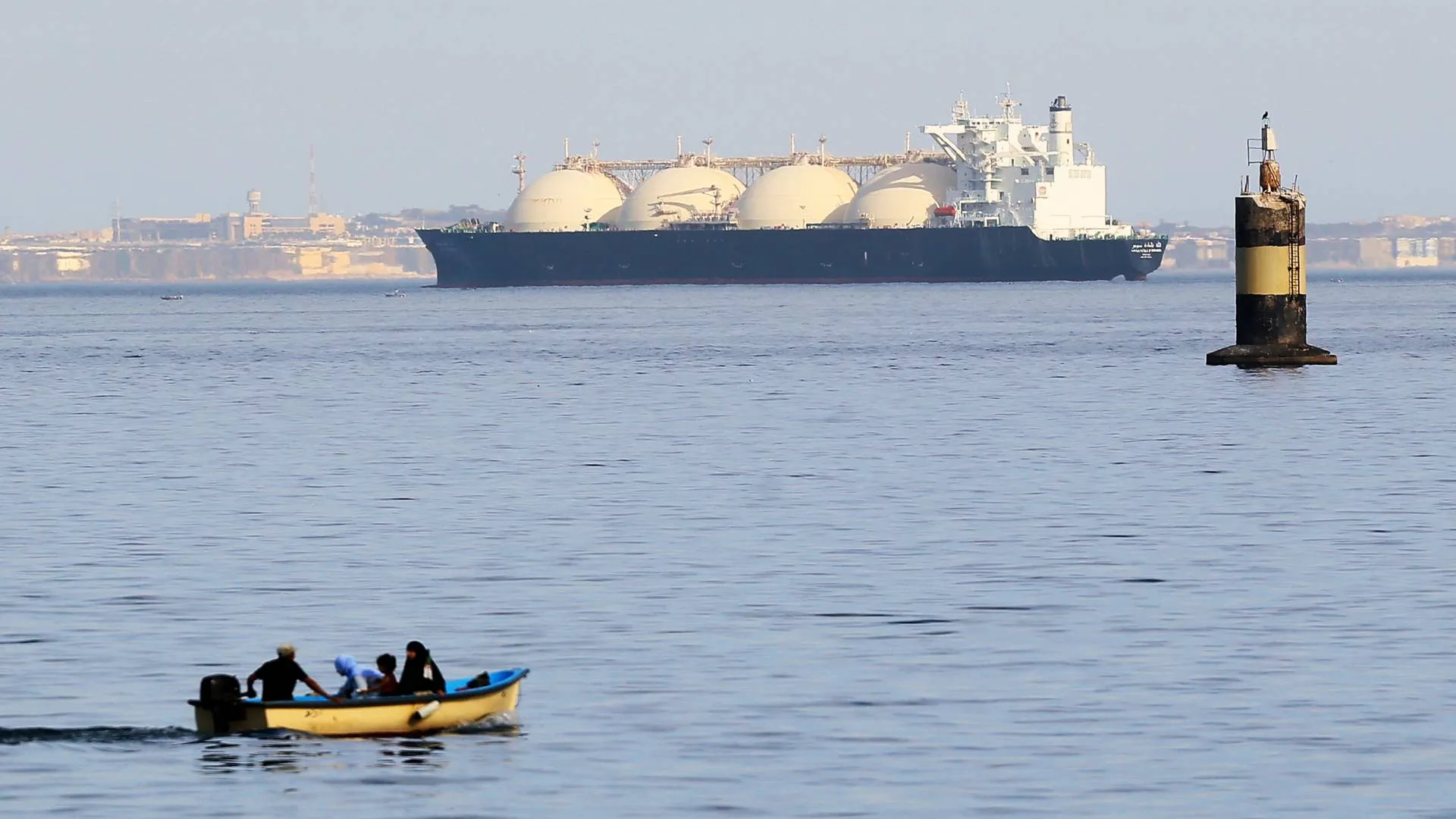
81.1 LNG carriers require additional tugs during maneuvering
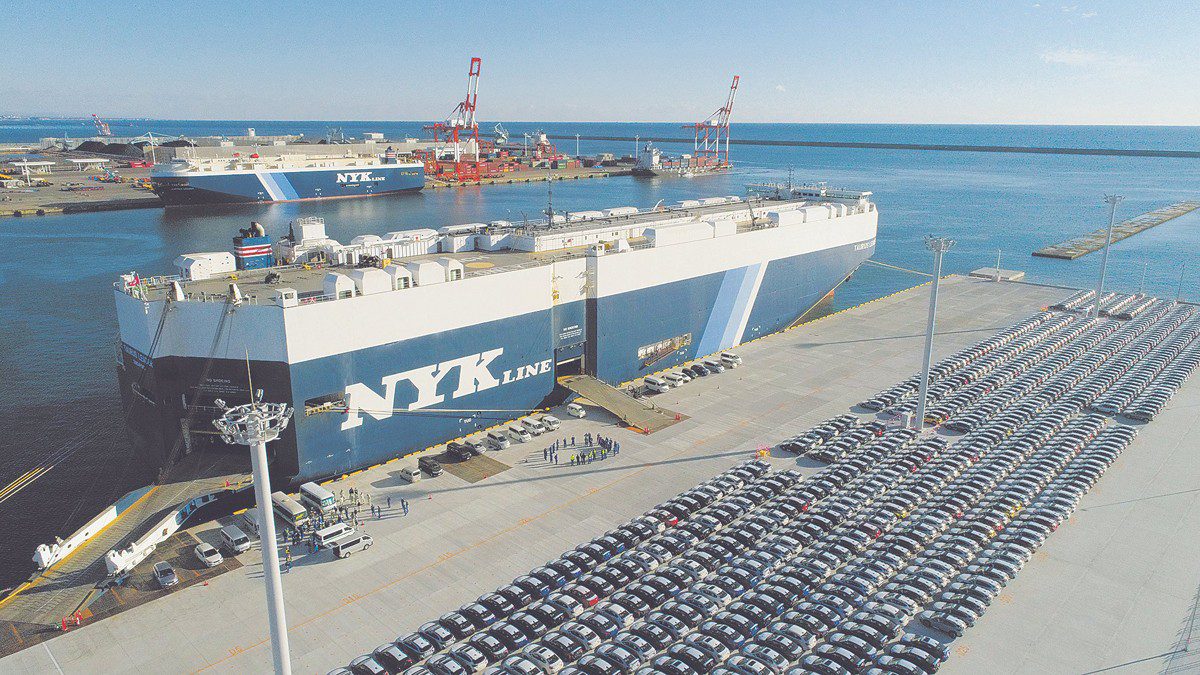
81.2 Car carriers must demonstrate deck securing systems
81.3 Research vessels need special clearance for equipment
82. Port Labor Standards
82.1 Minimum 8 workers per gang for general cargo
82.2 Certified crane operators required for lifts >20 tonnes
82.3 Safety observers mandatory for all hazardous operations
83. Navigation Aid Maintenance
83.1 Buoy servicing conducted every 90 days
83.2 Leading lights calibrated monthly
83.3 Channel markers inspected after severe weather
84. Vessel Services
84.1 Potable water testing available hourly
84.2 Provisions delivery within 2 hour notice
84.3 Medical waste disposal every 12 hours
85. Final Operational Protocols
85.1 Verify all permits before commencing operations
85.2 Confirm emergency contacts with local agent
85.3 Conduct final safety briefing before departure
86. Digital Documentation
86.1 E-logbooks must be maintained in XML format
86.2 Digital signatures required for all official forms
86.3 Cloud backup mandatory for critical ship data
87. Port Expansion Updates
87.1 New deepwater berth completion Q3 2025
87.2 Automated gate system implementation 2024
87.3 Solar power installation begins 2025
88. Crew Welfare Facilities
88.1 Recreation center open 0800-2200 daily
88.2 Prayer rooms available in terminal building
88.3 Currency exchange at main administration office
89. Cybersecurity Requirements
89.1 Mandatory firewall protection for ship systems
89.2 Regular penetration testing required
89.3 Data encryption for all port communications
90. Closing Advisory
90.1 Always confirm latest port notices before arrival
90.2 Maintain updated emergency response plans
90.3 Report all incidents within 1 hour of occurrence
91. Port Entry Documentation
91.1 Digital crew list submission required 72h prior to arrival
91.2 Original ship registry certificate must be available for inspection
91.3 Last port clearance certificate validity: 6 months maximum
92. Cargo Handling Special Cases
92.1 Oversized cargo (>4m width) requires night movement permit
92.2 Temperature-controlled cargo monitoring every 2 hours
92.3 Hazardous cargo segregation strictly enforced (5m minimum distance)
93. Port Facility Security
93.1 ISPS Level 1: Standard operating procedures
93.2 ISPS Level 2: Additional patrols and checks
93.3 ISPS Level 3: Full lockdown with armed guards
94. Vessel Maintenance Rules
94.1 Hot work permits valid for 8 hours only
94.2 Underwater cleaning requires environmental approval
94.3 Painting operations prohibited during cargo handling
95. Emergency Equipment Standards
95.1 Lifeboat testing must be witnessed by port authority
95.2 Firefighting system pressure checks every 12 hours
95.3 Emergency generator weekly test records required
96. Port Fee Structure
96.1 Basic port dues: ¥15,000 per 100GT
96.2 Pilotage fee: ¥8,000 per meter of draft
96.3 Waste disposal charge: ¥5,000 per cubic meter
97. Navigation in Restricted Visibility
97.1 Mandatory radar operation when visibility <1nm
97.2 Speed reduction to 5 knots in fog conditions
97.3 Additional lookout required on forecastle
98. Special Cargo Handling
98.1 Live animal transport requires veterinary inspection
98.2 Artwork/valuables require armed security escort
98.3 Humanitarian cargo priority clearance available
99. Port Community System
99.1 Mandatory electronic data interchange for all declarations
99.2 Real-time cargo tracking through RFID tags
99.3 Automated customs clearance for approved operators
100. Final Compliance Checklist
100.1 Verify all certificates are current and valid
100.2 Confirm all crew documents are in order
100.3 Ensure all safety systems are operational
101. Bunkering Quality Control
101.1 Fuel samples retained for 90 days minimum
101.2 Bunker barge inspection certificate required
101.3 Mass flow meter verification every 6 months
102. Port Environmental Policy
102.1 Zero liquid discharge policy enforced
102.2 Carbon offset program available for vessels
102.3 Green port certification requirements displayed
103. Vessel Traffic Monitoring
103.1 Automatic Identification System (AIS) mandatory
103.2 Long Range Identification and Tracking (LRIT) verified
103.3 Vessel movement data archived for 5 years
104. Crew Health Protocols
104.1 Mandatory tuberculosis screening for all crew
104.2 Onsite medical examination available 24/7
104.3 Emergency dental services referral system
106. Special Navigation Warnings
106.1 Magnetic anomaly area near West Breakwater
106.2 Strong currents at turning basin during spring tides
106.3 Submerged obstacles in secondary channel
107. Port Performance Metrics
107.1 Average berth occupancy: 68% (2023 data)
107.2 Cargo handling efficiency: 85 containers/hour
107.3 Vessel turnaround time benchmark: 18 hours
109. Local Maritime Services
109.1 Nearest ship chandler: 2km from port gate
109.2 Crew change facilities at dedicated terminal
109.3 24-hour technical support hotline available
110. Closing Operational Notes
110.1 Verify all departure clearance documents
110.2 Conduct final port authority inspection
110.3 Update electronic logbook before sailing
111. Port Entry Clearance Procedures
111.1 Pre-arrival notification required 96 hours prior to ETA
111.2 Mandatory submission of electronic Maritime Declaration of Health
111.3 Vessel security level must match port security level upon entry
112. Specialized Cargo Handling Equipment
112.1 Heavy lift capability: 500-ton floating crane available
112.2 Refrigerated container plugs: 400 available (standards: ISO 1496-2)
112.3 Bulk conveyor system capacity: 2,000 tons/hour (grains)
113. Port Security Identification System
113.1 Biometric access control for restricted areas
113.2 RFID-enabled crew badges mandatory in terminal areas
113.3 Facial recognition system at all gate entry points
114. Vessel Technical Requirements
114.1 Minimum ballast water exchange ratio: 95% for incoming vessels
114.2 Exhaust gas cleaning system waste discharge prohibited
114.3 Shaft generator power connection available (6.6kV/60Hz)
115. Emergency Response Coordination
115.1 Port emergency operations center coordinates all incidents
115.2 Mutual aid agreements with neighboring ports
115.3 Annual full-scale emergency drill conducted every November
116. Port Tariff Details
116.1 Wharfage fees: ¥850 per ton for general cargo
116.2 Demurrage charges: ¥120,000 per day after 48 hours
116.3 Fresh water supply: ¥300 per ton (minimum 50 tons)
117. Navigation in Heavy Weather
117.1 Tropical storm warning threshold: sustained winds >34 knots
117.2 Mandatory double mooring lines when gusts >40 knots expected
117.3 Port closure decision made 12 hours prior to typhoon arrival
118. Specialized Vessel Services
118.1 Cruise terminal facilities accommodate 4,000 passengers
118.2 LNG bunkering available with 72-hour notice
118.3 Offshore support vessel dedicated berths (West Pier)
120. Final Safety Verification
120.1 Confirm all cargo properly secured for sea
120.2 Verify all port charges settled
120.3 Ensure no crew members remain ashore
121. Bunker Fuel Regulations
121.1 Maximum sulfur content: 0.10% in port waters
121.2 Fuel sampling conducted by approved inspectors
121.3 Bunker delivery note retention: 3 years minimum
122. Port Environmental Initiatives
122.1 Shore power capacity: 8MVA available at main berths
122.2 Solar-powered navigation aids installed
122.3 Electric harbor craft fleet implementation ongoing
123. Vessel Traffic Analysis
123.1 Average daily vessel movements: 42 (2023 data)
123.2 Peak congestion periods: 0800-1000 and 1500-1700
123.3 Vessel arrival/departure slot system in effect
124. Crew Welfare Services
124.1 Seafarer’s center with free WiFi and recreation
124.2 Multilingual medical consultation available
124.3 Crew transportation shuttle service hourly
126. Special Navigation Conditions
126.1 Strong tidal streams in main channel (max 4.2 knots)
126.2 Fog signal activated when visibility <500m
126.3 Ice accumulation warning below -5°C air temperature
127. Port Performance Indicators
127.1 Average crane moves per hour: 28 (containers)
127.2 Vessel turnaround time target: <20 hours
127.3 Customer satisfaction rating: 92% (2023 survey)
129. Local Maritime Support
129.1 Nearest ship repair yard: 8 nautical miles south
129.2 24/7 technical support for vessel systems
129.3 Marine spare parts logistics hub onsite
130. Final Departure Protocol
130.1 Port clearance certificate required for sailing
130.2 Final radio check with port control mandatory
130.3 Departure report submission within 1 hour of sailing
131. Advanced Port Entry Protocols
131.1 Digital twin simulation required for first-time vessels >200m LOA
131.2 Cybersecurity audit mandatory for ships with integrated bridge systems
131.3 Drone-assisted hull inspection prior to berthing for tankers
134. Green Port Initiatives
134.1 Carbon credit program for vessels using alternative fuels
134.2 Onshore power supply (OPS) for all berths by 2025
134.3 Zero-emission port vehicle fleet transition plan
135. Digital Navigation Support
135.1 Augmented reality navigation aids for pilotage
135.2 Predictive tide and current modeling system
135.3 Electronic chart updates via 5G network
136. Emergency Preparedness
136.1 Port-wide emergency communication system testing weekly
136.2 Oil spill response robot deployment capability
136.3 Mass casualty incident response plan exercises quarterly
137. Port Community Services
137.1 Digital marketplace for maritime services
137.2 Crew mental health support hotline
137.3 Maritime training simulator center onsite
138. Vessel Performance Monitoring
138.1 Automated emissions reporting system
138.2 Hull cleaning efficiency tracking
138.3 Just-in-time arrival coordination portal
141. Advanced Weather Monitoring
141.1 Micro-weather stations every 500m along piers
141.2 Wave prediction modeling for breakwater protection
141.3 Lightning detection and warning system
142. Digital Documentation
142.1 e-Bill of Lading standard implementation
142.2 Automated customs clearance API integration
142.3 Digital certificate of origin verification
145. Final Digital Checklist
145.1 Verify all electronic documentation complete
145.2 Confirm cybersecurity protocols activated
145.3 Update port digital logbook entries