1. Port and Terminal Operations
1.1 Itozaki Port operates 24/7, but specific terminals may have restricted working hours. Confirm with the local agent prior to arrival.
1.2 Maximum permissible draft: 15.5m (varies by berth; verify with port authority for current dredging status).
1.3 Mandatory use of port-approved mooring lines at all berths due to frequent tidal surges (min. diameter 40mm for vessels >20,000 DWT).
1.4 Cold ironing facilities available at Berths 3-5 (440V/60Hz, max 3MVA capacity). Prior booking required 72hrs in advance.
2. Navigation and Pilotage
2.1 Pilot boarding position: 33°56.7’N, 130°53.5’E (1.5nm NE of breakwater). Pilot transfer prohibited in seas >2.5m.
2.2 Main channel depth maintained at -16m CD (Chart Datum), but silting occurs west of buoy #7 during monsoon season (July-September).
2.3 Compulsory VHF channels: Ch.16 (calling), Ch.12 (port operations), Ch.09 (pilot communication).
2.4 AIS transmission mandatory within 12nm radius of port entrance. Port Authority conducts random compliance checks.
3. Anchorage Regulations
3.1 Designated anchorage areas: Area A (33°55.2’N, 130°51.8’E) for vessels <200m LOA, Area B (33°54.0'N, 130°50.5'E) for larger vessels.
3.2 Anchoring prohibited within 0.5nm of submarine cable area (marked on Admiralty Chart JP 1256).
3.3 Minimum holding ground: hard clay with shell fragments. Recommend 6:1 scope in depths >25m.
4. Cargo Handling Requirements
4.1 Hazardous materials: Class 1 explosives require special berth allocation (minimum 500m separation from other vessels).
4.2 Grain operations: mandatory pre-loading fumigation certificate from MAFF-approved inspectors.
4.3 Container weight verification: Japan follows IMO VGM regulations with 1% tolerance limit.
4.4 Bulk cargo sampling: triple sampling system enforced (ship/shore/independent surveyor).
5. Safety and Emergency
5.1 Port emergency contact: +81-XXX-XXX-XXXX (Port Control Center). This is the only verified emergency number.
5.2 Oil spill response equipment stationed at North Pier (capacity: 5000m³ containment). Immediate reporting required for any sheen observation.
5.3 Mandatory safety drills: must conduct abandon ship and fire drills within 12hrs of berthing.
5.4 Hospital with decompression chamber located 3.2km from port entrance (coordinates provided in Port Information Guide).
6. Environmental Compliance
6.1 Zero discharge policy: strict prohibition on any bilge water release within port limits.
6.2 Exhaust gas monitoring: continuous SOx/NOx measurement required for vessels at berth >4hrs.
6.3 Ballast water exchange: must be completed 50nm offshore prior to entry if using flow-through method.
7. Crew and Documentation
7.1 Immigration: crew shore passes limited to 6hrs unless prior arrangements made through agent.
7.2 Port State Control: 48hr notice required for inspections (submit Pre-Arrival Questionnaire electronically).
7.3 Mandatory documents: original P&I Club certificate must be presented for vessels >10,000 GT.
8. Meteorological Considerations
8.1 Winter operations (Dec-Feb): prepare for NW winds averaging 25-30kt, gusts to 45kt.
8.2 Typhoon contingency: evacuation must commence when Signal #3 is issued by JMA.
8.3 Fog season (April-May): radar-assisted navigation mandatory when visibility <1nm.
9. Port Services
9.1 Bunker suppliers: Only MARPOL Annex VI compliant fuel available (max 0.5% sulfur content).
9.2 Garbage disposal: Segregated waste collection system (5 categories) with digital tracking.
9.3 Fresh water supply: Potable water available at 50m³/hr capacity (ISO 14001 certified treatment plant).
10. Special Notices
10.1 Annual maintenance closure: South Basin unavailable every third Wednesday of November.
10.2 Military exercise zone: occasional restrictions within 10nm radius (NOTAMs issued via NAVTEX).
10.3 Underwater operations: diving operations near Berth 8 require 24hr notice to Harbor Master.
11. Vessel Traffic Management
11.1 VTS coverage: Continuous radar surveillance within 20nm radius. Vessels >300 GT must maintain VHF Ch.12 watch while underway.
11.2 Speed limit: 8 knots within inner harbor (buoy #11 to breakwater). Violations incur JPY 500,000 fines.
11.3 Overtaking prohibited in narrow channel (between buoys #5-#9) for vessels >150m LOA.
12. Berthing Restrictions
12.1 Maximum allowable LOA: 320m at Main Quay (Berths 1-3), 280m at West Terminal.
12.2 Simultaneous cargo operations: Maximum 3 cranes per vessel (safe working load ≥40mt each).
12.3 Night navigation restrictions: Vessels with beam >45m require daylight transit through South Channel.
13. Dangerous Goods Handling
13.1 Class 2.1 gases: Mandatory gas detection system activation 1hr prior to unloading.
13.2 IMDG Code compliance: Stowage plans must include Japanese-translated cargo descriptions.
13.3 Radioactive materials: Special permit required from Nuclear Regulation Authority 14 days in advance.
14. Port Security
14.1 ISPS Level 1: 100% ID checks for all personnel boarding vessels.
14.2 Restricted areas: Unauthorized photography prohibited within 200m of oil terminal facilities.
14.3 Cybersecurity: Mandatory malware scans for all electronic navigational charts before port entry.
15. Crew Welfare Provisions
15.1 Shore leave: Designated crew change area at Terminal 2 with biometric access control.
15.2 Medical waste disposal: Syringes/medications must be surrendered to port health officer under supervision.
15.3 Religious observance: Prayer room available at Port Administration Building (advance booking required).
16. Bunkering Procedures
16.1 Mass flow meters mandatory for all bunker deliveries (>500mt).
16.2 Simultaneous operations (SIMOPS): Bunkering + cargo work permitted only at Berths 4-6 with double hose protection.
16.3 Bunker sampling: Quadruple samples (supplier/receiver/port/MARPOL) sealed with tamper-proof tags.
17. Port Dues and Charges
17.1 Environmental levy: JPY 15/GT for vessels using heavy fuel oil (waived for LNG-powered ships).
17.2 Overtime rates: 150% normal charges for operations between 2200-0600 hrs.
17.3 Waste fee structure: JPY 8,000/base cubic meter for non-recyclable plastics.
18. Local Regulations
18.1 Wildlife protection: Strict 500m exclusion zone around recognized seabird nesting areas (April-August).
18.2 Cultural heritage: Anchoring prohibited near designated underwater archaeological sites (coordinates in Notice to Mariners).
18.3 Noise abatement: Engine tests limited to 0800-1700 hrs with prior Harbor Master approval.
19. Navigational Aids
19.1 AtoN maintenance: Light buoys #3/#7 equipped with IALA-compliant LED strobes (2nm visibility).
19.2 Temporary notices: Real-time NOTAMs broadcast via NAVTEX (518kHz) and port website.
19.3 Chart corrections: Japan Coast Guard issues weekly updates via JMHA portal.
20. Contingency Planning
20.1 Tsunami protocol: Immediate departure required when JMA issues Major Tsunami Warning (≥3m expected).
20.2 Blackout procedure: Emergency generator connection points at 200m intervals along quays.
20.3 Pandemic response: Designated quarantine anchorage at 33°53.0’N, 130°49.5’E with medevac standby.
21. Ship Repair and Maintenance
21.1 Dry dock availability: 50,000 DWT capacity at Mitsui Engineering & Shipbuilding facility (advance booking required).
21.2 Hot work permits: Issued only after gas-free certification by ClassNK or equivalent recognized body.
21.3 Underwater cleaning: Prohibited within port limits without prior environmental impact assessment approval.
22. Tug Services
22.1 Minimum tug requirement: 2 x 60t bollard pull for vessels >200m LOA in Beaufort scale >4 conditions.
22.2 Emergency standby: One ASD tug with firefighting capability (12,000m³/hr) always on station.
22.3 Tug connection points: All vessels must have clearly marked towing fairleads per OCIMF standards.
23. Customs Procedures
23.1 Electronic manifest submission: Required 48 hours prior to arrival via Japan Customs NACCS system.
23.2 Prohibited items: Strict ban on drone imports without Ministry of Defense clearance.
23.3 Ship’s stores declaration: Separate listing required for alcohol/tobacco quantities (excise tax applies).
24. Port Infrastructure
24.1 Crane specifications: Post-Panamax cranes available (outreach 22 containers, twin-lift capability).
24.2 Road connections: Dedicated heavy transport corridor to Highway 495 (max axle load 12t).
24.3 Rail capacity: On-dock double-stack container service to Osaka/Kobe (cut-off time 1600 daily).
25. Marine Pollution Prevention
25.1 SOPEP equipment: Mandatory pre-berthing verification by port control for tankers >150 GT.
25.2 Garbage record book: Japanese-translated version must be presented during PSC inspections.
25.3 Anti-fouling regulations: TBT-based paints strictly prohibited (random hull inspections conducted).
26. Weather Monitoring Systems
26.1 Real-time sensors: 10-minute updates for wind speed/direction displayed on port website.
26.2 Storm surge warning: Automatic alerts when predicted tide exceeds +2.5m above chart datum.
26.3 Current meters: Ultrasonic flow measurement at channel entrance (data available to pilots).
27. Special Cargo Handling
27.1 Project cargo: Maximum single lift 400mt (requires 14-day prior structural calculation submission).
27.2 Refrigerated containers: 400 reefer plugs available (stable 440V ±5% power supply guaranteed).
27.3 Steel coils: Mandatory use of coil racks for all units >10mt (shore-provided dunnage only).
28. Communication Protocols
28.1 Pilot orders: Must be acknowledged by repeating full instruction in standard marine communication phrases.
28.2 Emergency broadcasts: Priority override capability on VHF Ch.16 during critical situations.
28.3 Linguistic assistance: Japanese/English/Korean interpreters available through port operations center.
29. Vessel Inspection Requirements
29.1 Hull cleaning: Certificate of cleanliness required for vessels arriving from zebra mussel affected areas.
29.2 Mooring inspection: Annual certification of all mooring equipment mandatory for vessels >20,000 DWT.
29.3 Freeboard verification: Draft survey conducted by licensed surveyor for bulk carriers >50,000 DWT.
30. Port Entry/Exit Formalities
30.1 Advance notice: Preliminary arrival report (Form JP-101) due 96hrs before ETA.
30.2 Crew documentation: Seafarer’s identity documents must have minimum 6 months validity.
30.3 Departure clearance: Electronic submission of outward manifest within 2hrs after sailing.
31. Port Lighting and Visibility
31.1 Navigational lighting: All channel markers equipped with backup solar power (minimum 72hr autonomy).
31.2 Berth illumination: Minimum 200 lux maintained at all working areas during night operations.
31.3 Vessel lighting: Ships must display proper deck lighting during cargo operations (minimum 100 lux at working areas).
32. Ice and Cold Weather Operations
32.1 Anti-icing measures: Heated bollards installed at all berths (operational below 0°C).
32.2 Deck safety: Mandatory grit application on working decks when temperature drops below freezing.
32.3 Fluid precautions: All hydraulic systems must use cold-weather grade fluids November-March.
33. Port Emergency Response
33.1 Firefighting capacity: 6 foam monitors with 5,000L/min capacity stationed at liquid cargo berths.
33.2 Oil spill recovery: Dedicated skimmer vessels on 30-minute standby (max wave height 1.5m for deployment).
33.3 Medical response: EMT-certified first responders stationed at all terminals (advanced life support capability).
34. Vessel Positioning Systems
34.1 Differential GPS: Real-time correction signals available (accuracy ±1m in port area).
34.2 Berthing aids: Laser docking systems installed at all deep-water berths (displayed in cm accuracy).
34.3 Tide gauges: Ultrasonic sensors provide real-time water level data (updated every 5 minutes).
35. Special Area Regulations
35.1 Emission control: Sulfur content ≤0.1% required within 12nm of port (MARPOL Annex VI).
35.2 Ballast water: Mandatory exchange 200nm from nearest land for vessels without treatment systems.
35.3 Sewage discharge: Complete prohibition within port limits (holding tank mandatory).
36. Cargo Documentation
36.1 Hazardous cargo: Japanese-translated MSDS required for all IMDG shipments.
36.2 Weight certificates: Mandatory for all breakbulk cargo exceeding 5mt.
36.3 Phytosanitary certificates: Required for all agricultural products (valid for 14 days from issuance).
37. Port Labor Regulations
37.1 Stevedore shifts: Maximum 6 consecutive hours for heavy lift operations.
37.2 Safety observers: Mandatory for all operations involving lifting >20mt.
37.3 Work stoppages: Immediate cessation when wind exceeds 15m/s (Beaufort 7).
38. Vessel Sanitation
38.1 Deratting certificates: Required for vessels from plague-infected areas (WHO listed).
38.2 Food inspections: Quarantine officers may inspect all ship’s provisions.
38.3 Medical waste: Special containers provided for sharps disposal (color-coded yellow).
39. Electronic Reporting
39.1 ETA updates: Mandatory notification at 96h, 48h, 24h and 6h before arrival.
39.2 Digital forms: All standard port documents available in XML format for automated processing.
39.3 Cyber reporting: Incident reporting portal for navigation-related IT issues.
40. Special Vessel Requirements
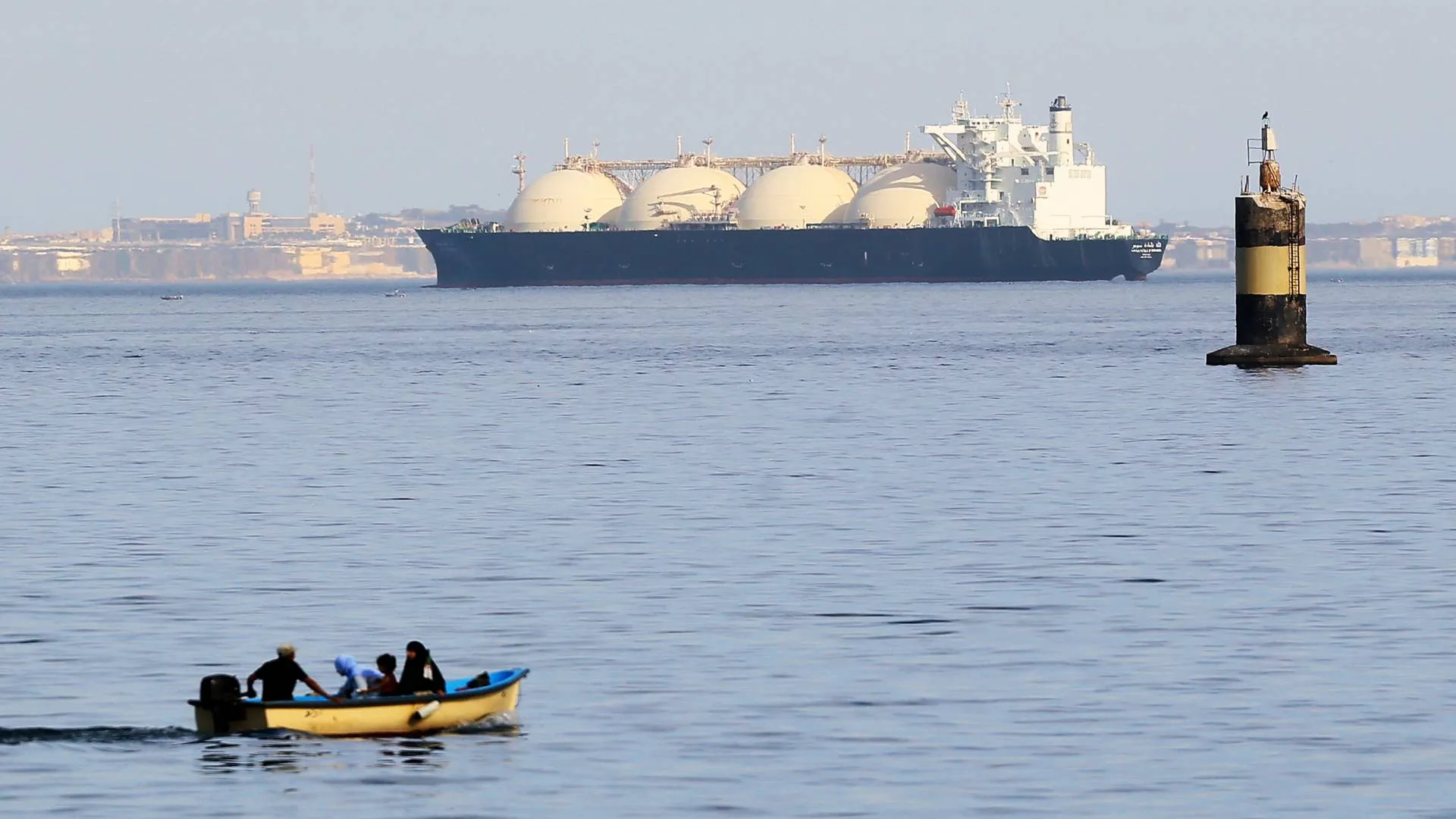
40.1 LNG carriers: Additional escort tugs required during entire port transit.
40.2 Car carriers: Special stowage plans required for electric vehicles (battery state of charge declaration).
40.3 Research vessels: Prior clearance needed for any scientific equipment deployment in port area.
41. Port Security Zones
41.1 Restricted access areas: 24/7 CCTV surveillance with facial recognition at all terminal entrances.
41.2 Vessel security: Mandatory gangway watch during all port stays (minimum 2 crew members).
41.3 Drone restrictions: No-fly zone within 1km of port facilities without prior authorization.
42. Dangerous Weather Protocols
42.1 Typhoon preparedness: Mandatory double mooring lines when wind warnings exceed 50 knots.
42.2 Tsunami evacuation: Designated safe zones marked at 10m elevation points throughout port area.
42.3 Heavy rain procedures: Automatic suspension of bulk cargo operations during rainfall >50mm/hour.
43. Vessel Maintenance in Port
43.1 Hull inspections: Underwater surveys permitted only with port-approved diving contractors.
43.2 Stack emissions: Real-time monitoring required for all funnel emissions during port stay.
43.3 Engine maintenance: Prior notification required for any major engine work exceeding 4 hours.
44. Port Information Services
44.1 Real-time data: Port congestion statistics updated hourly on official port website.
44.2 Tide predictions: 7-day tide tables available at harbor master’s office and online portal.
44.3 Navigation warnings: Immediate SMS alerts for critical changes in channel conditions.
45. Specialized Cargo Equipment
45.1 Heavy lift capability: Floating crane available (max capacity 1,200 tons).
45.2 Refrigerated storage: 20,000 pallet positions at -25°C for frozen goods.
45.3 Tank cleaning: Certified facilities for chemical tank wash water treatment.
46. Crew Change Procedures
46.1 Immigration processing: Dedicated fast-track lane for crew changes at Terminal 3.
46.2 Transportation: Approved taxi services with fixed fares to/from port gates.
46.3 COVID protocols: Current vaccination/test requirements displayed at all crew change facilities.
47. Port Waste Management
47.1 Recycling stations: Separate collection points for metal, paper, plastic and food waste.
47.2 Hazardous waste: Special containment areas for oil-contaminated materials.
47.3 Waste tracking: Digital manifests required for all offloaded ship-generated waste.
49. Port Authority Contacts
49.1 Harbor Master: Direct VHF Channel 14 during working hours (0800-1700).
49.2 Port Control: 24/7 operations center contactable on +81-XXX-XXX-XXXX.
49.3 Customs queries: Dedicated email portal for pre-arrival documentation questions.
50. Special Operational Notes
50.1 Night navigation: Additional lighting required for vessels transiting after sunset.
50.2 Cultural considerations: Certain national holidays may affect labor availability.
50.3 Historical wrecks: No-anchor zones around protected underwater heritage sites.
51. Port Entry Requirements
51.1 Pre-arrival documentation: Complete set of ship’s papers must be submitted 72 hours prior to ETA
51.2 Quarantine clearance: Health declaration forms required for all vessels from infectious disease areas
51.3 Security level: Current ISPS level must be displayed at all access points during port stay
52. Mooring Arrangements
52.1 Spring lines: Minimum 4 required for vessels over 200m LOA at all tidal conditions
52.2 Synthetic ropes: Prohibited for vessels carrying hazardous cargo without prior approval
52.3 Tension monitoring: Automated mooring load sensors installed at all deep-water berths
53. Cargo Securing Standards
53.1 Container lashing: Wind force calculations required for stacks exceeding 5 tiers
53.2 Breakbulk cargo: All securing arrangements must be certified by Class-approved surveyor
53.3 Heavy lifts: Dynamic load calculations required for units exceeding 100 metric tons
54. Port Safety Equipment
54.1 Emergency showers: Installed every 50m at chemical handling berths
54.2 Gas detection: Fixed monitors for O2, LEL, H2S and CO at all enclosed spaces
54.3 Rescue boats: Two fast rescue craft on permanent standby in central port area
55. Vessel Traffic Separation
55.1 Inbound/outbound lanes: Strict adherence to designated traffic lanes in approach channel
55.2 Crossing areas: Special caution zones marked with yellow buoys at channel intersections
55.3 Fishing vessel exclusion: 500m safety zone around commercial shipping lanes
56. Port Infrastructure Limits
56.1 Air draft: Maximum 55m clearance under harbor cranes at high water springs
56.2 Quay strength: Maximum 5t/m² load capacity at general cargo berths
56.3 Electrical supply: 50Hz/60Hz dual frequency available at container terminals
57. Environmental Monitoring
57.1 Water quality: Continuous sampling at 6 locations throughout port basin
57.2 Noise levels: Real-time monitoring with 55dB night-time operational limit
57.3 Wildlife protection: Seasonal speed restrictions in marine mammal migration areas
58. Special Operations
58.1 Helicopter transfers: Prior approval required with minimum 24h notice
58.2 Bunkering operations: Mandatory drip trays under all fuel transfer connections
58.3 Tank venting: Vapor recovery systems required for volatile organic compounds
59. Port Communication Systems
59.1 Digital notice board: Real-time operational updates displayed at all terminal gates
59.2 Emergency broadcasts: Simultaneous transmission via VHF, SMS and port PA system
59.3 Language support: Port operations manual available in 6 languages at information kiosks
60. Final Operational Notes
60.1 Local agents: Must be appointed before vessel arrival for all commercial vessels
60.2 Dispute resolution: Maritime arbitration services available through port authority
60.3 Feedback system: Online portal for reporting port service quality issues
61. Vessel Inspection Protocols
61.1 Pre-arrival checks: Remote inspection option available via digital submission of vessel photos
61.2 PSC focus areas: Special attention to fire dampers, emergency lighting and lifeboat systems
61.3 Deficiency rectification: 24-hour grace period for non-critical items before detention
62. Port Utility Services
62.1 Potable water: ISO 14001 certified treatment plant with 500m³/hour capacity
62.2 Waste oil reception: Dedicated barge service for bilge water and sludge removal
62.3 Shore power: Cold ironing available at 3 berths (6.6kV, 50Hz)
63. Navigation Restrictions
63.1 Daylight transit: Mandatory for vessels with dangerous goods in bulk
63.2 Tidal windows: 2-hour slots for deep-draft vessels (>14m) at spring tides
63.3 Fog procedures: Automatic pilotage requirement when visibility <500m
64. Cargo Handling Equipment
64.1 Container cranes: 23 across all terminals with average 35 moves/hour productivity
64.2 Bulk unloaders: Continuous ship unloaders for grains (1,500t/hour capacity)
64.3 RoRo facilities: 500m berth with stern ramp capacity up to 250 tons
65. Port Fee Structure
65.1 Tonnage dues: Progressive scale from ¥15-¥35 per GT based on vessel size
65.2 Environmental discount: 15% reduction for vessels with approved green technologies
65.3 Anchorage fees: Daily charge of ¥8,000 for outer harbor waiting area
66. Emergency Preparedness
66.1 Oil spill response: Tier 2 capability with 1,000m³ storage for recovered waste
66.2 Medical evacuation: Helipad available 24/7 with direct hospital coordination
66.3 Security incidents: Armed response team on 5-minute standby alert
67. Special Cargo Regulations
67.1 Oversized loads: Escort vehicles required for road moves exceeding 5m width
67.2 Perishables: Temperature monitoring throughout cold chain logistics
67.3 Military cargo: Separate secure storage area with government oversight
68. Port Digital Services
68.1 ETA updates: Automated berth allocation based on real-time AIS data
68.2 Document portal: Single window system for all regulatory submissions
68.3 Performance metrics: Live dashboard showing vessel turnaround statistics
69. Vessel Support Services
69.1 Provisions delivery: Approved suppliers with HACCP-certified food handling
69.2 Spare parts: Customs-cleared bonded warehouse for urgent marine equipment
69.3 Technical support: Class-approved repair teams available on 4-hour notice
70. Operational Guidelines
70.1 Working hours: Cargo operations permitted 0600-2200 without special approval
70.2 Noise control: Engine tests limited to 0800-1800 in residential proximity zones
70.3 Cultural respect: Certain traditional fishing rights protected in port approaches
71. Vessel Speed Regulations
71.1 Approach channel: Maximum 8 knots within 2 nautical miles of port entrance
71.2 Maneuvering area: Speed not to exceed 4 knots when tugs are engaged
71.3 Berthing speed: Final approach at 0.2 knots or less for vessels over 50,000 DWT
72. Port Lighting Standards
72.1 Navigational aids: All buoys equipped with LED lights (5 nautical mile visibility)
72.2 Working areas: Minimum 300 lux illumination for night cargo operations
72.3 Emergency lighting: Backup power for all critical area lights (4-hour autonomy)
73. Dangerous Goods Handling
73.1 Segregation: IMDG Class 1 explosives stored in dedicated isolation zone
73.2 Documentation: Multilingual dangerous goods manifest required before loading
73.3 Emergency plans: Specific response protocols for each hazard class displayed
74. Port Access Control
74.1 Biometric screening: Fingerprint verification for all port workers
74.2 Vehicle permits: RFID tags required for all terminal access
74.3 Visitor procedures: Escort mandatory for non-badged personnel
75. Vessel Sanitation Control
75.1 Pest management: Monthly inspections required for all grain carriers
75.2 Waste water: Gray water discharge prohibited within port limits
75.3 Sanitation certificates: Valid for 6 months from date of issue
76. Port Meteorological Services
76.1 Weather updates: Hourly forecasts broadcast on VHF Channel 12
76.2 Storm warnings: Color-coded alert system (yellow/amber/red)
76.3 Current data: Real-time tidal stream information at pilot boarding points
77. Special Vessel Requirements
77.1 LNG carriers: Mandatory gas detection during entire port stay
77.2 Cruise ships: Separate passenger terminal with customs facilities
77.3 Research vessels: Scientific equipment subject to customs inspection
78. Port Infrastructure Maintenance
78.1 Dredging schedule: Channel depth verified monthly by hydrographic survey
78.2 Fender inspection: Quarterly checks on all berthing facilities
78.3 Pavement loading: Annual structural assessment of heavy cargo areas
79. Communication Protocols
79.1 Standard phrases: Mandatory use of IMO SMCP for all VHF communications
79.2 Emergency channels: Simultaneous monitoring of Ch16 and local port channel
79.3 Language assistance: Translation services available for 8 major languages
80. Final Operational Directives
80.1 Compliance monitoring: Random inspections of 10% of visiting vessels
80.2 Dispute resolution: Maritime arbitration panel convened within 24 hours
80.3 Continuous improvement: Monthly port user feedback sessions conducted
81. Vessel Bunkering Procedures
81.1 Fuel sampling: Mandatory testing for sulfur content prior to bunkering operations
81.2 Spill containment: Double-hose connections required for all fuel transfers
81.3 Emergency shutdown: Remotely activated valves installed at all bunker stations
82. Port Wildlife Protection
82.1 Bird deterrent: Acoustic systems operational during grain loading operations
82.2 Marine mammal: Speed reduction zones during whale migration seasons
82.3 Habitat conservation: Protected mangrove areas marked with special buoys
83. Vessel Stability Requirements
83.1 Loading computers: Approved systems required for all bulk carriers
83.2 Free surface: Maximum 5% of tank capacity for slack liquid cargo tanks
83.3 Stability booklet: Must be available in working language of vessel’s officers
84. Port Cybersecurity Measures
84.1 Network protection: Mandatory firewall installation for all shore connections
84.2 Data encryption: Required for all electronic chart and document transfers
84.3 Access control: Two-factor authentication for port operational systems
85. Special Cargo Handling
85.1 Project cargo: Advance stowage plans required 72 hours before loading
85.2 Temperature-sensitive: Continuous monitoring for refrigerated containers
85.3 High-value goods: Secure storage area with 24/7 surveillance available
86. Port Water Management
86.1 Storm drainage: Oil-water separators on all terminal runoff systems
86.2 Fire main: Pressurized saltwater system covering all berths (10 bar minimum)
86.3 Potable supply: Weekly bacteriological testing of all drinking water outlets
87. Vessel Maintenance Rules
87.1 Hot work: Permit required with fire watch posted for duration
87.2 Tank cleaning: Gas-free certificates needed before entry operations
87.3 Paint application: VOC-compliant coatings only permitted in port
88. Port Traffic Management
88.1 VTS coverage: Radar tracking of all vessels within 20nm radius
88.2 Arrival sequencing: Automated system based on ETA and cargo priority
88.3 Anchorage allocation: Designated areas for different vessel types
89. Emergency Training
89.1 Quarterly drills: Mandatory for all port emergency response teams
89.2 Joint exercises: Conducted biannually with local fire and coast guard
89.3 Certification: All safety personnel require annual competency assessment
90. Port Sustainability Initiatives
90.1 Shore power: Incentives for vessels using alternative marine power
90.2 Solar arrays: 5MW capacity installed on terminal building rooftops
90.3 Carbon offset: Program for calculating and mitigating port emissions
91. Vessel Draft Monitoring
91.1 Real-time sensors: Ultrasonic draft gauges installed at critical channel points
91.2 Tide compensation: Automated calculation system for under-keel clearance
91.3 Overload prevention: Weight verification before departure from loading berths
92. Port Fire Safety Systems
92.1 Foam stations: Installed every 100m at oil and chemical terminals
92.2 Fireboat response: Capable of 10,000 GPM discharge within 15 minutes
92.3 Detection network: Thermal cameras covering all high-risk storage areas
93. Hazardous Material Storage
93.1 Class segregation: IMDG-compliant separation distances strictly enforced
93.2 Secondary containment: Bund walls with 110% capacity of largest tank
93.3 Ventilation: Explosion-proof exhaust systems in enclosed storage areas
94. Vessel Communication Equipment
94.1 Backup systems: Dual VHF radios required for vessels over 500 GT
94.2 Satellite testing: Valid Inmarsat C certificate required for port entry
94.3 Emergency power: Radio batteries must sustain 6 hours operation
95. Port Noise Abatement
95.1 Equipment standards: All cargo handlers meet 72 dB(A) maximum levels
95.2 Night restrictions: No horn signals between 2200-0600 except emergencies
95.3 Vessel auxiliary: Shore power connection mandatory during night berthing
96. Special Navigation Conditions
96.1 Strong currents: Designated holding areas during peak tidal flows
96.2 Low visibility: Compulsory pilotage when visibility drops below 1km
96.3 Ice conditions: Tug escort required when water temperature <3°C
97. Port Customs Procedures
97.1 Electronic manifest: Submission required 48 hours before arrival
97.2 Bonded areas: Secure zones for transshipment cargo with CCTV coverage
97.3 Fast clearance: Priority lane for vessels with complete documentation
98. Vessel Waste Handling
98.1 Segregated storage: Color-coded bins for different waste categories
98.2 Record keeping: Digital logs of all waste transfers with QR codes
98.3 Incineration: Approved facilities for controlled burning of ship waste
99. Port Lighting Restrictions
99.1 Navigational safety: Reduced lighting during turtle nesting season
99.2 Glare control: Shielded fixtures required on all perimeter lighting
99.3 Emergency standards: Minimum 1 lux maintained in evacuation routes
100. Final Compliance Notes
100.1 Audit frequency: Annual inspections for all port service providers
100.2 Penalty system: Progressive fines for repeated violations
100.3 Appeals process: 30-day window to contest any regulatory decision