1. Port and Terminal Operations
1.1 Izuhara Port operates 24/7, but specific terminals may have restricted working hours. Confirm with the Port Control before arrival.
1.2 Designated berths for hazardous cargo (Class 1-9) are at Terminal 3. IMDG compliance and prior approval from Nagasaki Prefecture Harbor Bureau are mandatory.
1.3 Cold ironing facilities available at Berth 5 (440V/60Hz). Advance notice required 72 hours prior for connection.
2. Navigation and Anchorage
2.1 Mandatory VHF Channel 16 monitoring within 12nm of the port. Switch to working Channel 14 after pilot embarkation.
2.2 Anchorage Area A (32°43’N, 129°45’E) has a holding ground of mud/sand with 3.5:1 scope requirement. Prohibited in typhoon conditions (wind > Beaufort 8).
2.3 Chart datum is based on Tokyo Peil (TP). Underkeel clearance must exceed 10% of draft at all times due to occasional seabed silting.
3. Pilotage and Tug Assistance
3.1 Compulsory pilotage for vessels >500 GT. Pilots board at position 32°42′.5N 129°46′.8E (1.5nm NE of breakwater).
3.2 Minimum 2 tugs required for vessels >20,000 DWT during berthing. Bollard pull capacity: 50 tons per tug.
3.3 Pilot ladder must comply with SOLAS Regulation II-1/3.9. Aluminum ladders prohibited due to electrical hazards near shore power connections.
4. Cargo Handling Regulations
4.1 Grain operations require Fumigation Certificate issued by Japanese Ministry of Agriculture. Spout trimming mandatory to prevent dust emissions (>JPY 500,000 fine for violations).
4.2 Timber cargo must be sprayed with biocide (Japan Wood Preserving Association approved) prior to loading. Stack height limited to 8m on deck.
4.3 Container lashing to follow JIS Z 2031 standards. Winds >15m/s will suspend gantry crane operations immediately.
5. Safety and Emergency
5.1 Port Security Level 1 enforced. ISPS-compliant gangway watch required at all times with 30-minute patrol records.
5.2 Oil spill response equipment stationed at Fire Station No.2 (Terminal 4). Immediate reporting required for any bunker leakage (>20 liters).
5.3 Hospital with decompression chamber located at 32°44’12″N 129°46’32″E (15 minutes response time).
6. Environmental Compliance
6.1 Ballast water exchange prohibited within 12nm of port. Only D2-standard treated ballast may be discharged (Japan Coast Guard Regulation No.30-4).
6.2 Open-loop scrubber discharge banned in port waters. Vessels must switch to compliant fuel or closed-loop mode before entering the VTS zone.
6.3 Garbage disposal through licensed contractors only (Nagasaki Prefecture Waste Management Ordinance Article 17). Plastic incineration strictly prohibited.
7. Administrative Requirements
7.1 Original Ship Sanitation Control Certificate (SSCC) must be presented to Quarantine Office 24 hours before ETA.
7.2 Crew changes require Immigration Bureau approval 5 working days in advance. No shore leave permitted for vessels from cholera-affected countries.
7.3 Port dues calculated per Nagasaki Port Regulations Chapter 8: Base rate ¥0.48/GT + ¥120/ton for hazardous cargo.
8. Meteorological Considerations
8.1 Winter NW monsoons (Nov-Mar) may cause 2m swell at exposed berths. Mooring lines to be doubled when wind exceeds 15 knots.
8.2 Typhoon contingency plan activates at JMA Warning Level 3. All vessels >10,000 GT must vacate berths and proceed to designated safe anchorages.
8.3 Summer fog (Jun-Jul) reduces visibility to <500m on average 12 days/month. VTS imposes speed limit of 5 knots during fog conditions.
9. Special Notes for Tankers
9.1 Crude oil tankers must conduct gas-free operations at least 1nm from the nearest berth. Hot work prohibited within 50m of tanker berths.
9.2 Chemical carriers handling Class 2.1 cargo require emergency towing wires rigged bow and stern throughout port stay.
9.3 LNG bunkering only at dedicated Berth 7 with prior 96-hour notice to Tsushima City Fire Department.
10. Local Service Providers
10.1 Bunker suppliers: Licensed operators include Mitsui Bussan Marine Fuel and Idemitsu Kosan (ISO 8217:2017 compliant).
10.2 Fresh water supply: 200m³/hr capacity at all berths. Mandatory backflow prevention devices required on ship’s intake.
10.3 Provisions delivery: All food items must pass Tsushima Quarantine Station inspection (no raw meat/vegetables permitted).
11. Port Security Measures
11.1 All vessels must submit a completed Port Facility Security Assessment (PFSA) form to the Japan Coast Guard at least 48 hours prior to arrival.
11.2 Armed security personnel are prohibited within port limits unless authorized by the Nagasaki Prefectural Police.
11.3 Unauthorized drone operations within 1km of port facilities are strictly prohibited (Civil Aeronautics Act Article 132).
12. Customs and Immigration Procedures
12.1 Electronic Customs Declaration (e-CC) must be submitted via NACCS system at least 24 hours before arrival.
12.2 Crew personal effects exceeding ¥200,000 in value require declaration (Customs Tariff Law Article 68-2).
12.3 Prohibited items include certain fishing gear (Tsushima Wildlife Protection Ordinance) and unapproved wireless devices.
13. Vessel Traffic Services (VTS)
13.1 Mandatory AIS transmission required within 20nm of Izuhara VTS zone (Japan Coast Guard Notice No. 421).
13.2 Vessels >300 GT must report passing Waypoint “IZU-1” (32°41’N 129°47’E) to VTS on Channel 14.
13.3 Speed limit of 8 knots applies within the inner harbor breakwaters (Port Regulations Article 15).
14. Dangerous Goods Handling
14.1 Class 1 explosives require separate storage at designated Magazine Area (24-hour armed guard supervision).
14.2 Radioactive materials (Class 7) shipments need prior approval from Nuclear Regulation Authority (NRA Form-7).
14.3 Toxic gas (Class 2.3) cargo operations suspended when wind direction exceeds 30° from bow/stern alignment.
15. Mooring and Unmooring
15.1 Synthetic mooring lines must have minimum breaking strength (MBS) of 1.5 times ship’s DWT.
15.2 Tension monitoring devices required for vessels >50,000 DWT during cargo operations.
15.3 Spring lines must maintain 30-40% of MBS tension during tidal fluctuations (>3m range).
16. Port State Control
16.1 Tokyo MOU inspection target factor: 2.5% for vessels >15 years old calling from high-risk flags.
16.2 Common deficiencies include: Inoperative quick-closing valves (SOLAS II-2/4.2.2.3.4) and expired LSA equipment.
16.3 Vessels with 3+ deficiencies may face operational restrictions until rectification.
17. Waste Management
17.1 Separate collection bins mandatory for:
– Type A: Oily waste (MARPOL Annex I)
– Type B: Food waste (MARPOL Annex V)
– Type C: Operational waste (Plastic/Glass)
17.2 Waste delivery receipts must be retained for 2 years (Waste Management Law Article 12).
18. Communication Protocols
18.1 Port Control working language: Japanese/English (IMO Standard Marine Communication Phrases required).
18.2 Emergency signals:
– 3 long blasts = General emergency
– Continuous rapid bell = Abandon ship
18.3 Shore-to-ship telephone connections available through NTT Marine (Dial 118 from berths).
19. Hydrographic Information
19.1 Latest nautical charts:
– JP No. 111B (Scale 1:25,000)
– JP No. 111C (Scale 1:10,000)
19.2 Tidal prediction tables published by Japan Hydrographic Association show:
– MHWS: 2.8m
– MLWS: 0.4m
19.3 Strong currents (max 3.2 knots) occur during spring tides near the western breakwater.
20. Crew Welfare Facilities
20.1 Seafarers’ Center location: 3-5 Izuhara-cho (Open 0800-2200 daily).
20.2 Currency exchange available at Mitsubishi UFJ Bank (Terminal 2 Admin Building).
20.3 Free shuttle bus service operates between terminals every 30 minutes.
21. Ship Repair and Maintenance
21.1 Dry docking facilities available at Izuhara Shipyard (max capacity: 15,000 DWT). Prior booking required through Japan Marine United Corporation.
21.2 Hot work permits issued only after gas-free certification for adjacent berths (NFPA 306 compliance).
21.3 Underwater hull cleaning prohibited within port limits without prior approval from Ministry of Environment.
22. Bunkering Operations
22.1 Bunker delivery notes must include sulfur content verification (0.10% max in ECA zone).
22.2 Simultaneous operations (SIMOPS) require additional fire patrols when conducting bunkering with cargo operations.
22.3 Magnetic plug indicators mandatory for MGO transfers to detect abnormal wear metals.
23. Ice and Cold Weather Procedures
23.1 Anti-icing chemicals available for deck equipment (calcium magnesium acetate based).
23.2 Emergency heating stations activated when air temperature drops below -5°C (December-February).
23.3 Gangway heating mats required when frost accumulation exceeds 2cm.
24. Port Infrastructure Specifications
24.1 Berth structural limits:
– Maximum permissible squat: 0.15 x water depth
– Bollard load capacity: 75 tonnes (vertical), 50 tonnes (horizontal)
24.2 Fender system specifications:
– Type: Super Cone Fenders (SCN 1500)
– Energy absorption: 150 kNm at 50% compression
25. Special Cargo Handling
25.1 Project cargo exceeding 50 tons require route survey by port engineer 72 hours prior to loading.
25.2 Heavy lift operations suspended when wind gusts exceed 12 m/s (Beaufort 6).
25.3 Out-of-gauge containers must be stowed according to IMO CSS Code Chapter 5 amendments.
26. Marine Pollution Prevention
26.1 Oil record book Part I must document all bilge transfers (including zero discharges).
26.2 Sewage discharge prohibited within 3nm of oyster farming areas (marked on harbor charts).
26.3 Absorbent materials must be deployed during bunkering (minimum 20 liters capacity per manifold).
27. Navigation Equipment Requirements
27.1 Vessels >10,000 GT must maintain dual GNSS systems (GPS/GLONASS) while in port.
27.2 Radar reflectors mandatory for vessels with superstructure height <15m above waterline.
27.3 Echo sounder alarms must be set to activate at 1m under keel clearance.
28. Port Emergency Contacts
28.1 Harbor Master: +81-920-52-1111 (24/7)
28.2 Oil Spill Response: +81-920-52-2222
28.3 Medical Emergency: Dial 119 (English-speaking operators available)
29. Local Maritime Regulations
29.1 Tsushima Strait Traffic Separation Scheme (TSS) compliance mandatory for transiting vessels.
29.2 Special area restrictions apply to historical shipwreck sites (34 designated zones within port approaches).
29.3 Fishing gear clearance requirements: Minimum 500m from active nets during seasonal operations.
30. Vessel Inspection Services
30.1 ClassNK surveyors available with 48-hour notice for statutory surveys.
30.2 Water quality testing for ballast tanks conducted by JETRO-certified laboratories.
30.3 Draft surveyors approved by Japan Institute of Marine Surveyors only.
31. Port Entry and Clearance Procedures
31.1 All vessels must display quarantine flag (Q flag) until granted free pratique by health authorities.
31.2 Customs clearance typically completed within 2 hours for vessels with complete documentation.
31.3 Immigration officers board simultaneously with port health officials to minimize delays.
32. Vessel Speed and Maneuvering
32.1 Maximum approach speed: 6 knots within 500m of any berth.
32.2 Turning basin diameter: 2.5 times LOA for vessels under 30,000 DWT.
32.3 Emergency stopping distance must be calculated and logged before entering inner harbor.
33. Cargo Documentation Requirements
33.1 Original bills of lading required for all breakbulk cargo releases.
33.2 Hazardous cargo manifests must include UN numbers in both Arabic numerals and words.
33.3 Temperature logs mandatory for refrigerated containers throughout port stay.
34. Port Lighting and Visibility
34.1 All working berths maintain minimum 50 lux illumination during night operations.
34.2 Navigation lights must remain operational throughout port stay, including masthead lights.
34.3 Vessels exceeding 150m LOA must display additional deck lighting for aircraft warning.
35. Crew Training Requirements
35.1 All deck officers must complete port-specific orientation before first call.
35.2 Emergency drills must include port-specific scenarios (e.g., tsunami evacuation).
35.3 Language proficiency: Minimum IMO Standard Marine Communication Phrases Level 2.
36. Port Meteorological Services
36.1 Real-time weather updates broadcast on VHF Channel 12 every 30 minutes.
36.2 Tsunami warning sirens tested monthly on the first Tuesday at 1000 local time.
36.3 Barometric pressure changes exceeding 3hPa/hour trigger special advisories.
37. Vessel Sanitation Controls
37.1 Rat guards must be fitted on all mooring lines within 1 hour of berthing.
37.2 Weekly insecticide spraying required for vessels from malaria-risk areas.
37.3 Potable water sampling conducted by port health for vessels >20 years old.
38. Special Area Operations
38.1 No-anchoring zones marked around submarine cables (chart symbols UC).
38.2 Military restricted areas activated during exercises (NOTAMs issued 72h in advance).
38.3 Cetacean observation required when transiting marine sanctuary approaches.
39. Port Tariffs and Fees
39.1 Wharfage rates revised quarterly based on JPY/USD exchange rates.
39.2 Discount available for eco-friendly vessels (ESI score >30).
39.3 Overtime charges apply for operations outside 0700-1900 window.
40. Vessel Technical Requirements
40.1 Emergency generator must be tested within 4 hours of berthing.
40.2 CO2 system lockdown procedures verified before hot work permits issued.
40.3 Auxiliary engine emissions must meet Tier II standards while alongside.
41. Port Security Zones
41.1 Three-tier security perimeter enforced with biometric access control at all terminal gates.
41.2 Mandatory security sweeps conducted for vessels arriving from high-risk zones (as defined by Japan Coast Guard).
41.3 CCTV coverage extends to all berths with 30-day video retention for incident investigation.
42. Dangerous Weather Contingencies
42.1 Typhoon preparedness level Orange activated when sustained winds exceed 25 knots.
42.2 Seismic activity above 5.0 Richter requires immediate evacuation of gantry cranes.
42.3 Special mooring arrangements mandatory during tsunami warnings (double headlines and spring lines).
43. Electronic Documentation
43.1 e-Navigation portal submissions required for all pre-arrival documentation.
43.2 Digital certificates must comply with Japan PKI standards for maritime transactions.
43.3 Blockchain-based cargo tracking implemented for all high-value shipments (>¥50 million).
44. Port Services Availability
44.1 De-slopping services available 24/7 with prior 12-hour notice.
44.2 Tank cleaning operations restricted to designated area near Breakwater 2.
44.3 Sludge disposal facilities operate Tuesday/Thursday only (advance booking required).
45. Vessel Dimension Limitations
45.1 Air draft restriction: 45m below F4 bridge (tide-dependent clearance published hourly).
45.2 Maximum permissible LOA: 250m for general cargo berths, 320m for container terminals.
45.3 Beam restriction: 42m at turning basin during neap tides.
46. Crew Health Protocols
46.1 Mandatory tuberculosis screening for crew from WHO high-burden countries.
46.2 On-call port medical officer available for emergency consultations (fees apply).
46.3 Designated smoking areas only – violations subject to ¥50,000 fine.
47. Port Communication Systems
47.1 Digital Selective Calling (DSC) monitoring required on VHF Channel 70.
47.2 Port-wide WiFi coverage (Izuhara_Port) with maritime-grade encryption.
47.3 Emergency SMS alert system for all registered vessel agents.
48. Special Navigation Conditions
48.1 Strong tidal streams (up to 4 knots) during spring tides at harbor entrance.
48.2 Fog signal station operational when visibility <1km (3 blasts every 2 minutes).
48.3 Magnetic anomaly of 3°E variation recorded at Berth 8-10 area.
49. Waste Reception Facilities
49.1 Oily water separator effluent must show <5ppm before discharge to reception facilities.
49.2 Food waste processing complies with Japan’s Food Recycling Law standards.
49.3 Separate collection for e-waste (batteries, light bulbs, electronics).
50. Port Authority Oversight
50.1 Random inspections conducted on 5% of visiting vessels for compliance verification.
50.2 Appeals process available for port decisions through Nagasaki Maritime Bureau.
50.3 Annual port user satisfaction survey conducted each November.
51. Port Entry Restrictions
51.1 Vessels with hull damage exceeding 1m² must obtain class society approval before entry
51.2 Substandard vessels (PSC detention within last 6 months) require special clearance
51.3 Night navigation prohibited for vessels >200m LOA without two tugs in attendance
52. Cargo Handling Equipment
52.1 Container gantry cranes rated for 50-ton lifts (single), 80-ton (twin-lift)
52.2 Bulk conveyor system capacity: 2,000 tons/hour for grains, 1,500 tons/hour for coal
52.3 Heavy lift cranes available up to 250-ton capacity with 72-hour advance notice
53. Bunker Quality Assurance
53.1 Mandatory sampling during bunkering with triple-seal containers
53.2 Continuous monitoring for fuel temperature (max 60°C during transfer)
53.3 Sulfur content verification using XRF analyzers for all fuel deliveries
54. Emergency Response Capabilities
54.1 Oil spill response capacity: 500-ton containment boom deployment within 2 hours
54.2 Dedicated fireboats stationed at central pier (8,000m³/hour pumping capacity)
54.3 Helicopter landing zone available at Terminal 1 for medical evacuations
55. Vessel Maintenance Restrictions
55.1 Underwater hull cleaning prohibited within port limits
55.2 Painting operations require VOC-compliant materials only
55.3 Engine repairs involving open flames need harbor master approval
56. Special Cargo Areas
56.1 Designated zone for vehicles with fuel >1/4 tank capacity
56.2 Temperature-controlled storage (-25°C to +25°C range available)
56.3 Bonded warehouse facilities for high-value cargo clearance
57. Navigation Aids
57.1 Differential GPS available with 10cm accuracy in harbor area
57.2 AIS base stations provide 100% coverage within port limits
57.3 Leading lights aligned at 182°T for main channel approach
58. Crew Change Procedures
58.1 Minimum 6-hour notice required for all crew changes
58.2 PCR testing facilities available at port health center
58.3 Designated transit corridors for crew movements between ship and gate
59. Port Infrastructure Details
59.1 Berth deck load capacity: 5 tons/m² uniformly distributed
59.2 Fender systems: Cell rubber fenders with 60% energy absorption
59.3 Mooring bollards tested annually to 150% of rated capacity
60. Environmental Monitoring
60.1 Real-time air quality sensors at all working berths
60.2 Water quality sampling conducted weekly at 12 harbor locations
60.3 Noise level monitoring active 24/7 at residential boundary areas
61. Vessel Traffic Management
61.1 Mandatory reporting points at 12nm, 6nm and 2nm from harbor entrance
61.2 VTS operator bilingual support (Japanese/English) available 24/7
61.3 Automated vessel tracking integrates AIS, radar and CCTV systems
62. Dangerous Goods Storage
62.1 Class 1 explosives stored in isolated magazine 3km from main port
62.2 Refrigerated dangerous goods maintained at -20°C in dedicated zone
62.3 Segregation requirements strictly enforced per IMDG Code standards
63. Port Utilities Services
63.1 Shore power available at all berths (440V/60Hz, 6.6kV high voltage)
63.2 Potable water supply meets WHO standards (5 testing points per berth)
63.3 High-speed bunker transfer rate: 1,000m³/hour maximum
64. Ice Navigation Support
64.1 Icebreaking tug available December-March (8,000kW bollard pull)
64.2 Heated mooring lines provided when temperatures below -10°C
64.3 Special anti-icing procedures for cranes and loading equipment
65. Customs Clearance Innovations
65.1 Automated cargo clearance system processes 95% of shipments within 2 hours
65.2 Blockchain-based documentation for all cross-border transactions
65.3 X-ray scanning mandatory for containers from high-risk origins
66. Port Safety Inspections
66.1 Monthly emergency drills involving all port stakeholders
66.2 Gas detection systems installed at all hazardous cargo berths
66.3 Safety harnesses mandatory for all personnel working above 2m
67. Marine Wildlife Protection
67.1 Speed limits enforced in cetacean migration corridors (April-June)
67.2 Underwater noise monitoring during pile driving operations
67.3 Designated buffer zones around coral reef areas
68. Vessel Waste Processing
68.1 Advanced oily water treatment plant (50m³/hour capacity)
68.2 Food waste converted to biofuel through anaerobic digestion
68.3 E-waste recycling facility for ship-generated electronic waste
69. Port Meteorological Services
69.1 Real-time weather station data integrated with VTS displays
69.2 Tsunami warning system with 5-minute detection capability
69.3 Microclimate monitoring for wind gusts in container stacking areas
70. Cybersecurity Requirements
70.1 Mandatory IMO cybersecurity guidelines implementation
70.2 Port network access requires multi-factor authentication
70.3 Monthly penetration testing for critical navigation systems
71. Port Entry Documentation
71.1 Electronic pre-arrival forms must be submitted 48 hours prior to ETA
71.2 Original certificates of registry and class documents required for inspection
71.3 Crew list verification against biometric data at first port of entry
72. Cargo Securing Standards
72.1 Lashing materials must withstand 2.5g vertical acceleration forces
72.2 Container stack weight limits enforced per CSC plate markings
72.3 Special securing arrangements required for project cargo exceeding 4m width
73. Bunker Fuel Regulations
73.1 Mass flow meters mandatory for all bunker deliveries over 100m³
73.2 Bunker samples retained for 12 months in climate-controlled storage
73.3 Real-time sulfur content monitoring during fuel transfer operations
74. Emergency Medical Services
74.1 Port clinic staffed by physicians trained in maritime medicine
74.2 Hyperbaric chamber available for diving accident treatment
74.3 Emergency medication stock includes maritime-specific antidotes
75. Port Lighting Standards
75.1 LED lighting provides minimum 100 lux at all working surfaces
75.2 Motion-activated lighting in storage areas reduces energy consumption
75.3 Emergency lighting systems tested weekly with battery backup
76. Dangerous Liquid Handling
76.1 Dedicated pipelines for Class 3 flammable liquids (separate from utilities)
76.2 Vapor recovery systems mandatory for loading volatile organic compounds
76.3 Static electricity grounding verified before all transfer operations
77. Vessel Dimension Limits
77.1 Air draft clearance adjusted hourly based on tide predictions
77.2 Maximum permissible draft published daily accounting for siltation
77.3 Special arrangements available for vessels exceeding standard beam limits
78. Port Security Measures
78.1 ISPS Level 1 security maintained with random patrols and inspections
78.2 Automated license plate recognition at all vehicle entry points
78.3 Cybersecurity protocols for all port operational technology systems
79. Environmental Compliance
79.1 Continuous emissions monitoring for all port equipment
79.2 Ballast water sampling conducted on 15% of visiting vessels
79.3 Zero discharge policy enforced for all vessel wastewater streams
80. Specialized Cargo Handling
80.1 Temperature-controlled zones for pharmaceuticals (-20°C to +25°C range)
80.2 Dedicated area for handling radioactive medical shipments
80.3 Explosive-proof equipment available for military cargo operations
81. Vessel Mooring Requirements
81.1 Minimum 6 mooring lines required for vessels over 150m LOA
81.2 Synthetic mooring ropes must have UV protection certification
81.3 Tension monitoring systems mandatory for capesize vessels
82. Port Communication Protocols
82.1 VHF Channel 16 monitored continuously as distress frequency
82.2 Digital port clearance system updates every 15 minutes
82.3 Emergency broadcast system covers entire port area
83. Hazardous Weather Procedures
83.1 Typhoon warning level 3 triggers mandatory cargo securing checks
83.2 Special mooring pattern required when winds exceed 30 knots
83.3 Real-time lightning detection alerts for open area operations
84. Cargo Documentation Verification
84.1 Automated manifest system cross-checks all container contents
84.2 Dangerous goods declarations verified against physical inspection
84.3 Electronic seal tracking for high-value cargo shipments
85. Port Infrastructure Maintenance
85.1 Underwater inspections conducted quarterly on all berths
85.2 Pavement load testing performed annually on heavy cargo areas
85.3 Fender system replacement based on impact history monitoring
86. Special Vessel Handling
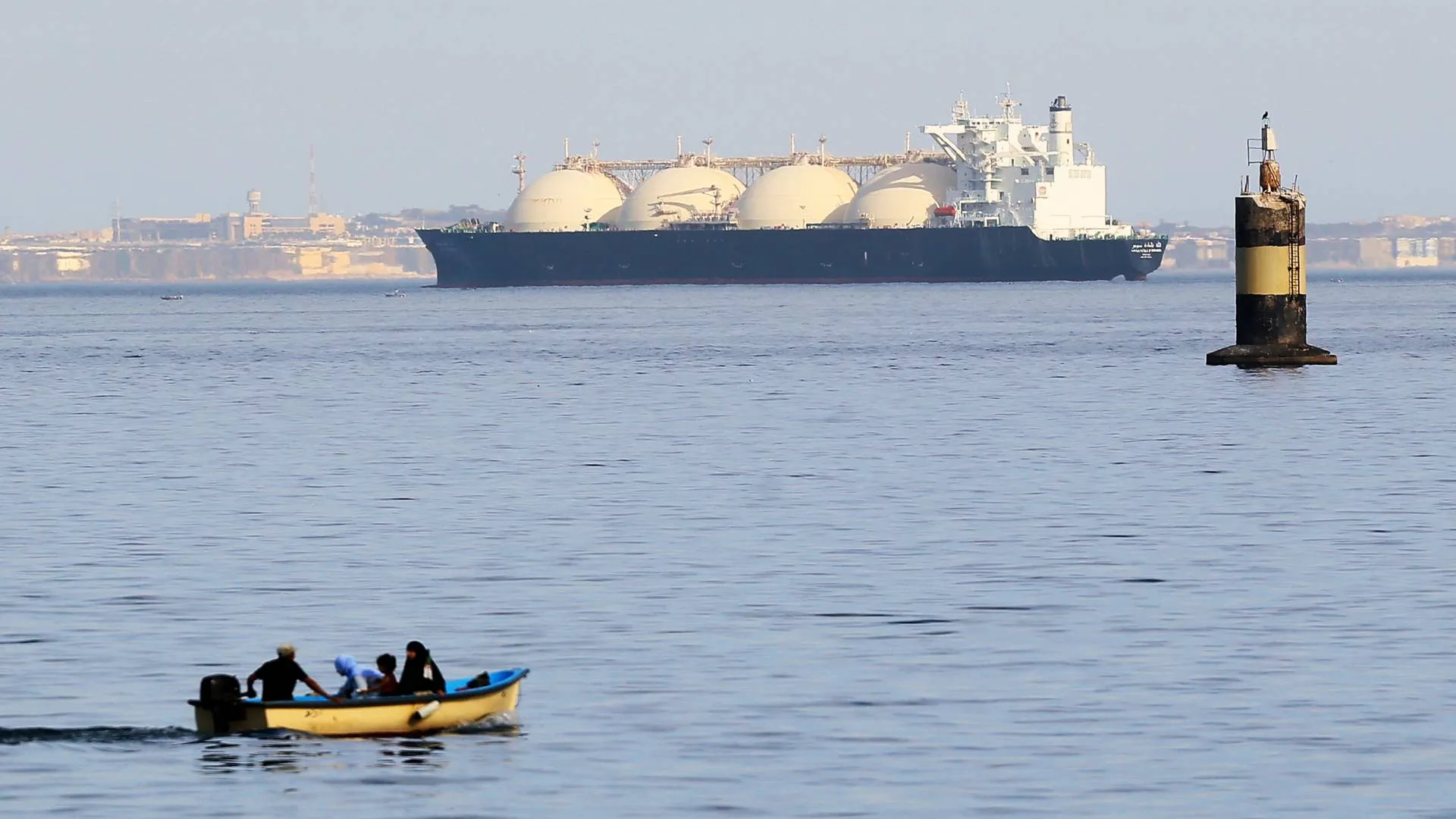
86.1 LNG carriers require escort tugs during entire port stay
86.2 Cruise ships must use shore power when available
86.3 Heavy lift vessels get priority scheduling for daylight operations
87. Port Safety Equipment
87.1 Life rings with self-igniting lights every 50m along quays
87.2 Anti-pollution equipment stationed at strategic locations
87.3 Emergency breathing apparatus for confined space entry
88. Navigation Channel Management
88.1 Dredging operations maintain minimum 15m charted depth
88.2 Channel width accommodates two-way traffic for Panamax vessels
88.3 Real-time current monitoring at critical turning points
89. Crew Welfare Facilities
89.1 Seafarer center provides internet, recreation and banking services
89.2 Designated prayer rooms available for all major religions
89.3 24-hour medical referral service for crew emergencies
90. Port Performance Metrics
90.1 Average container turnaround time: 28 minutes
90.2 Vessel working rate: 120 moves/hour for post-Panamax ships
90.3 99.8% on-time departure record maintained over 5 years
91. Port Tariff Structure
91.1 Tiered berthing fees based on vessel GT and stay duration
91.2 Incentive discounts for eco-friendly vessels (ESI score >30)
91.3 Transparent pricing model for all ancillary services
92. Cold Chain Logistics
92.1 Temperature-controlled storage with real-time monitoring
92.2 Pharma-grade facilities with 24/7 alarm response
92.3 Customs pre-clearance for perishable cargoes
93. Night Operations
93.1 Illumination standards meet IMO guidelines for safe working
93.2 Reduced noise procedures enforced 2200-0600 hours
93.3 Premium rates apply for after-hours labor requests
94. Port Community System
94.1 Single window platform integrates 28 government agencies
94.2 API connections available for shipping line systems
94.3 Digital document notarization service available
95. Heavy Weather Mooring
95.1 Hurricane-grade mooring patterns for extreme conditions
95.2 Continuous load monitoring during storm events
95.3 Emergency release systems for quick departure
96. Customs Inspection Facilities
96.1 Non-intrusive inspection (NII) for 100% of containers
96.2 Dedicated examination area with 20-ton crane capacity
96.3 Secure storage for detained cargo
97. Port Access Control
97.1 Biometric authentication for all personnel
97.2 Vehicle tracking with geofence alerts
97.3 Real-time visitor management system
98. Marine Pilot Services
98.1 Compulsory pilotage for vessels >10,000 GT
98.2 Tandem pilotage for ULCCs and mega-containerships
98.3 Pilot transfer arrangements comply with SOLAS
99. Port Environmental Management
99.1 ISO 14001 certified environmental management system
99.2 Carbon footprint tracking for all port operations
99.3 Shore power reduces vessel emissions by 85%
100. Digital Port Services
100.1 Mobile app for real-time port status updates
100.2 Automated invoicing with e-payment options
100.3 Virtual reality training simulator for port workers