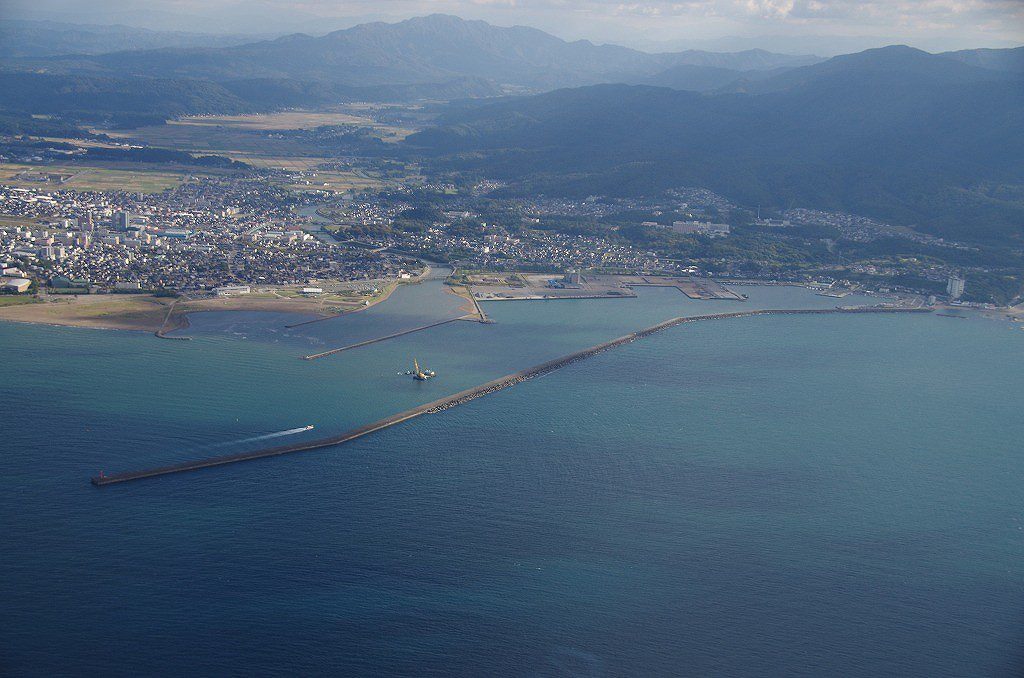

1. Port and Terminal Information
1.1 Kashiwazaki Port operates two main berths: Central Wharf (maximum draft 9.0m) and West Wharf (maximum draft 7.5m). Both are equipped with bollards rated for 50-ton mooring loads.
1.2 The port handles general cargo, coal, and petroleum products. Hazardous cargo operations require 24-hour prior notice to Niigata Prefectural Government per ISPS Code.
1.3 All terminals implement strict no-smoking zones within 50m of cargo operations areas, enforced by port security.
2. Navigation and Pilotage
2.1 Mandatory pilotage for vessels over 500 GT, with boarding position at 37°22’30″N 138°33’45″E (1.5nm northeast of breakwater).
2.2 Channel depth maintained at 10.5m (CD), with underkeel clearance requirement of 10% of draft or 1.0m (whichever is greater).
2.3 Tide range: 0.3m (neap) to 0.8m (spring). Currents rarely exceed 1.5 knots but can reach 2.8 knots during winter monsoon.
3. Anchorage Regulations
3.1 Designated anchorage area (37°23’00″N 138°35’00″E) with holding ground of soft clay. Vessels must maintain 500m separation.
3.2 Anchoring prohibited within 1nm of the LNG terminal (37°21’15″N 138°32’45″E).
3.3 Vessels at anchor must keep main engine on 1-hour standby during November-March for possible rapid weather changes.
4. Cargo Operations
4.1 Coal loading rate: 3,000 MT/day using shore gear (maximum particle size 50mm). Dust suppression water spray mandatory during operations.
4.2 Petroleum products transfer requires double-hose configuration with emergency shutdown systems tested every 6 months.
4.3 Grain cargo must maintain moisture content below 14% as per JIS Z 8801 standards.
5. Safety Management
5.1 Port emergency response team can deploy oil spill containment boom within 90 minutes (capacity 500m).
5.2 Monthly fire drills conducted first Wednesday 1000-1200LT, during which cargo operations are suspended.
5.3 Winter operations (Dec-Feb) require certified anti-icing gear for deck crew and heated gangways when temperature drops below -5°C.
6. Environmental Compliance
6.1 Strict ballast water exchange regulations: must be conducted beyond 200nm from coast in waters deeper than 200m.
6.2 No discharge of wash water containing coal dust within 12nm of port limits.
6.3 Use of open-loop scrubbers prohibited within port jurisdiction per Niigata Prefecture Ordinance No. 42.
7. Crew Requirements
7.1 All deck officers must complete port-specific orientation covering local current patterns and emergency procedures.
7.2 Minimum safe manning during port stay: 1 officer + 3 ratings always on board for vessels over 10,000 DWT.
7.3 Medical waste disposal available through licensed contractor only (advance 72-hour notice required).
8. Special Notices
8.1 Annual seafloor survey (June-July) may temporarily reduce channel width by 20%.
8.2 Typhoon contingency plan activates when winds exceed 15m/s – vessels must depart or move to designated safe berths.
8.3 Night navigation restrictions apply to vessels over 180m LOA during December-February due to frequent sea fog.
9. Port Services and Facilities
9.1 Freshwater supply available at all berths (max 100m³/hr), must be requested 12 hours in advance.
9.2 Waste reception facilities comply with MARPOL Annex V, operating 0800-1700 daily except Sundays (prior notice required for hazardous waste).
9.3 Limited ship repair services available for minor repairs (max 500-ton lifting capacity).
10. Customs and Immigration
10.1 Advance crew list submission required 48 hours before arrival via Japan Maritime Single Window (JMSW) system.
10.2 Strict prohibition on shore leave before customs clearance completion (typically 2-3 hours after berthing).
10.3 Health declaration forms must be submitted for all ports visited within 14 days prior to arrival.
11. Meteorological Conditions
11.1 Prevailing winds: NW (Oct-Mar) at 15-25 knots, SE (Apr-Sep) at 10-15 knots.
11.2 Average visibility: 5-8nm (reduced to 0.5-1nm during winter sea fog episodes).
11.3 Wave height exceeds 2.5m for approximately 18% of winter days (Dec-Feb).
12. Bunkering Operations
12.1 Fuel oil delivery requires minimum 72-hour notice with exact quantity specifications.
12.2 Bunker sampling must be conducted jointly with supplier representative using approved containers.
12.3 Gas-free certificate mandatory before bunkering operations for vessels carrying flammable cargoes.
13. Port Dues and Charges
13.1 Harbor dues calculated per GT/day with 20% surcharge for vessels over 20,000 GT.
13.2 Waste disposal fees: ¥8,000/ton for general waste, ¥25,000/ton for oil-contaminated waste.
13.3 Pilotage exemption discount available for vessels with certified DP2 system (15% reduction).
14. Security Measures
14.1 ISPS Level 1: Mandatory gangway watch with 30-minute patrol intervals.
14.2 ISPS Level 2: Additional underwater inspection required every 6 hours.
14.3 Unauthorized drone operations prohibited within 1km of port facilities.
15. Local Regulations
15.1 Strict enforcement of Japan’s Anti-Idling Law (engine shutdown required after 5 minutes of standby).
15.2 Use of heavy fuel oil prohibited within 12nm of coast (must switch to 0.1% sulfur fuel).
15.3 Nighttime noise restrictions (2200-0600): maximum 65 dB at 1m from vessel’s side.
16. Emergency Contacts
16.1 Port Control VHF Channel 16/12 (24-hour monitoring).
16.2 Maritime Rescue Coordination Center (MRCC) Niigata: +81-25-244-0117.
16.3 Port Health Office: +81-257-22-3111 (ext. 456 for quarantine matters).
17. Vessel Traffic Management
17.1 Mandatory AIS transmission required within 20nm of port limits (MMSI must match IMO documentation).
17.2 Vessels exceeding 180m LOA must submit maneuvering characteristics 24 hours prior to arrival.
17.3 Speed restriction: 8 knots within inner harbor area (demarcated by yellow buoys).
18. Dangerous Goods Handling
18.1 Class 1 explosives require dedicated berthing with 500m exclusion zone during operations.
18.2 IMDG Code Section 15.12 applies for stowage of hazardous materials – temperature logs must be maintained.
18.3 Radioactive materials (Class 7) require Japan Nuclear Regulation Authority pre-approval (minimum 14-day notice).
19. Port Infrastructure Limitations
19.1 Maximum air draft: 45m (restricted by overhead power lines at West Wharf).
19.2 Crane capacity: 35-ton SWL at Central Wharf, 20-ton SWL at West Wharf (no heavy-lift capability).
19.3 Shore power available only at Berth 3 (440V/60Hz, max 2MW capacity).
20. Ice Navigation Procedures
20.1 Winterization requirements (Dec-Mar): steam lines for deck machinery, emergency tow lines rigged.
20.2 Ice accumulation reporting mandatory when exceeding 5cm on superstructures.
20.3 Tug assistance compulsory for vessels without ice class when temperature drops below -10°C.
21. Crew Welfare Services
21.1 Seafarer’s Center open 0900-2100 daily (located 800m from Central Wharf gate).
21.2 Designated crew change area with COVID-19 testing facilities (prior appointment required).
21.3 Prohibited items: drones, firearms, and fresh agricultural products without phytosanitary certificates.
22. Port State Control
22.1 Tokyo MOU inspection rate: 18% for foreign-flagged vessels (focus on life-saving appliances and fire systems).
22.2 Common deficiencies: expired pyrotechnics (43%), inoperative emergency lighting (27%), oil record book discrepancies (19%).
22.3 Detention appeal process must be initiated within 24 hours of inspection report issuance.
23. Communication Protocols
23.1 Initial contact must be made on VHF Ch. 16, then switch to working channel as directed.
23.2 Japanese/English bilingual operators available 24/7 at Port Operations Center.
23.3 Digital Notice to Mariners updates issued weekly via Japan Coast Guard NAVTEX service.
24. Special Cargo Considerations
24.1 Oversized cargo (width >12m) requires daylight transit through harbor entrance.
24.2 Log cargo must be treated with approved anti-fungal agents per JAS 1153 standard.
24.3 Steel coils require certified edge protectors and minimum three-tier lashing.
25. Tug Services and Mooring
25.1 Minimum two tugboats required for vessels over 150m LOA (maximum bollard pull 50 tons each).
25.2 Mooring line configuration: minimum 8 lines (4 head, 4 stern) for vessels >20,000 DWT.
25.3 Tug assistance surcharge applies for operations between 2200-0600 hours (30% premium).
26. Port Entry Requirements
26.1 Certificate of Financial Responsibility (COFR) must be valid for Japan waters.
26.2 Last port clearance certificate must be presented in original copy.
26.3 Vessels carrying animals/plants require prior approval from Japan Ministry of Agriculture.
27. Cargo Documentation
27.1 Original bills of lading required for all breakbulk cargo (copies not accepted).
27.2 Hazardous cargo manifests must follow IMO Dangerous Goods Declaration format.
27.3 Cargo stowage plans must be submitted in electronic format (EDIFACT standard).
28. Port Working Hours
28.1 Standard operations: 0800-1700 Monday-Friday (overtime rates apply outside these hours).
28.2 No cargo operations permitted on Japanese national holidays (15 days annually).
28.3 Minimum 4-hour notice required for after-hours operations commencement.
29. Vessel Maintenance Restrictions
29.1 Hot work permits require 12-hour advance notice and gas-free certification.
29.2 Underwater cleaning prohibited within port limits (designated area 2nm offshore).
29.3 Tank cleaning operations limited to daylight hours only.
30. Navigation Aids
30.1 Leading lights aligned at 137° True (flashing white every 5 seconds).
30.2 Port hand buoys marked with green retro-reflective material (JIS Z 9115 standard).
30.3 Temporary navigational warnings broadcast every 4 hours on VHF Ch. 14.
31. Crew Training Requirements
31.1 All officers must complete Japan-specific ISPS training (valid for 2 years).
31.2 Engine room staff must demonstrate familiarity with low-sulfur fuel changeover procedures.
31.3 Mandatory port security drill within 12 hours of berthing.
32. Environmental Monitoring
32.1 Continuous air quality monitoring within 500m of petroleum berths.
32.2 Ballast water sampling conducted on 15% of arriving vessels (random selection).
32.3 Oil content meters required for all bilge water discharges (max 15ppm).
33. Shipboard Emergency Preparedness
33.1 Vessels must conduct port-specific emergency drills within 24 hours of arrival (fire, oil spill, and abandon ship scenarios).
33.2 Emergency towing wires must be rigged and readily accessible throughout port stay (minimum diameter 32mm).
33.3 Dedicated emergency communication channel (VHF Ch. 13) monitored 24/7 by port authorities.
34. Cargo Handling Equipment
34.1 All shore cranes undergo annual load testing (certificates must be available for inspection).
34.2 Maximum working load limits must be clearly displayed in both metric and imperial units.
34.3 Conveyor systems operate at fixed speed of 2.5m/sec – no adjustments permitted during loading.
35. Port Security Measures
35.1 Mandatory security sweeps conducted every 6 hours (deck, accommodation, and cargo areas).
35.2 All visitors must present biometric identification and undergo metal detection screening.
35.3 Unattended vessels require pre-approved security guard arrangements.
36. Weather Contingency Plans
36.1 Typhoon warning stage 1 (winds >23m/s): all cargo operations must cease immediately.
36.2 Winter storm protocol activates when wave height exceeds 3.5m at breakwater.
36.3 Emergency berthing positions assigned for sudden weather deterioration (marked on port charts).
37. Specialized Cargo Handling
37.1 Project cargo requires advance stability calculations (minimum GM 0.30m during operations).
37.2 Refrigerated containers must have continuous temperature monitoring with 72-hour data backup.
37.3 Steel products loading requires non-slip material between layers (approved types only).
38. Port Clearance Procedures
38.1 Outbound clearance documents must be submitted minimum 4 hours before departure.
38.2 Customs seal verification required for all containerized cargo (tamper-proof seals only).
38.3 Final port dues payment receipt must accompany departure documentation.
39. Vessel Sanitation
39.1 Mandatory garbage logbook entries for all waste streams (audited against actual volumes).
39.2 Medical waste must be stored in UN-approved containers with proper labeling.
39.3 Galley inspections conducted randomly by port health officials.
40. Local Maritime Laws
40.1 Strict enforcement of Japan’s Ship Recycling Act (hazardous materials inventory required).
40.2 Compliance with Revised MARPOL Annex VI fuel oil sampling requirements.
40.3 Mandatory reporting of any marine mammal sightings within port approaches.
41. Vessel Dimension Restrictions
41.1 Maximum permissible LOA: 230m (Central Wharf), 180m (West Wharf)
41.2 Beam limitation: 32.5m at all berths due to fender system configuration
41.3 Air draft clearance: 42m at mean high water spring tide
42. Bunker Quality Control
42.1 Mandatory ISO 8217:2017 compliance for all fuel deliveries
42.2 Bunker samples to be retained for minimum 12 months (3-way splitting required)
42.3 Flash point testing conducted on every fuel delivery (minimum 60°C)
43. Port Laytime Regulations
43.1 Standard laytime calculation: 24 hours per 10,000 metric tons of cargo
43.2 Demurrage rate: ¥450,000 per day or pro rata after 6 hours grace period
43.3 Weather working days apply for open storage cargo operations
44. Dangerous Liquid Handling
44.1 Double valve requirement for all chemical transfers (minimum 1m spacing)
44.2 Vapor recovery systems mandatory for benzene and toluene operations
44.3 Emergency shower stations required every 50m along liquid cargo berths
45. Navigation in Restricted Visibility
45.1 Mandatory radar-assisted docking when visibility <1 nautical mile
45.2 Maximum approach speed reduced to 4 knots in fog conditions
45.3 Additional mooring lines required during low visibility operations
46. Crew Health Protocols
46.1 Mandatory tuberculosis screening for crew staying beyond 30 days
46.2 Port medical facility equipped for decompression emergencies
46.3 Emergency dental services available through port clinic referral
47. Cargo Securing Standards
47.1 Lashing materials must meet ISO 3874:2017 specifications
47.2 Container stack weight limitations: 192 metric tons for 4-high stacking
47.3 Breakbulk cargo requires minimum 3-point securing per item >2 metric tons
48. Port Authority Jurisdiction
48.1 All disputes subject to Niigata Prefecture Maritime Arbitration Board
48.2 Port regulations enforceable up to 3 nautical miles offshore
48.3 Vessel operators liable for damage to port infrastructure at replacement cost
49. Vessel Speed Regulations
49.1 Speed limit of 8 knots within inner harbor basin (marked by yellow buoys)
49.2 No-wake zone extends 500m from all berthing areas (enforced by radar monitoring)
49.3 Tug-assisted vessels must maintain ≤3 knots during final approach
50. Ballast Water Management
50.1 Mandatory ballast water exchange ≥200nm from nearest land (D-1 standard)
50.2 Port-approved treatment systems required for vessels built after 2017
50.3 Ballast water reporting form must be submitted 24 hours prior to arrival
51. Port Lighting Requirements
51.1 Working deck illumination minimum 100 lux during night operations
51.2 Navigation lights must remain operational throughout port stay
51.3 Cargo hold lighting to be explosion-proof for certain hazardous materials
52. Vessel Inspection Protocols
52.1 Hull inspection required every 2 years for vessels over 15 years old
52.2 Special attention given to bilge systems and overboard discharge valves
52.3 Electronic logbooks subject to random verification against paper records
53. Waste Management Procedures
53.1 Segregated waste streams: plastics, food, hazardous, and operational waste
53.2 Incineration prohibited within port limits (ash disposal facilities available)
53.3 Waste tracking system requires real-time digital reporting
54. Mooring Equipment Standards
54.1 Synthetic mooring lines must have ≥12% elongation capacity
54.2 Bollard load testing conducted annually (certificates available for review)
54.3 Chafing gear mandatory for all mooring lines during extended stays
55. Port Communication Systems
55.1 Digital port clearance system (e-Port) mandatory for all commercial vessels
55.2 Emergency broadcast system covers entire port area (tested monthly)
55.3 Multilingual support available for Russian, Chinese and Korean speakers
56. Special Operations Permits
56.1 Helicopter operations require 72-hour notice and safety certification
56.2 Underwater inspections limited to daylight hours with dive boat standby
56.3 Aerial photography permits issued only for approved survey purposes
57. Vessel Draft Limitations
57.1 Maximum permissible draft: 12.5m at high tide (tide tables must be consulted)
57.2 Under-keel clearance minimum 1.2m required at all times
57.3 Draft surveys must be conducted by approved surveyors prior to departure
58. Cargo Storage Regulations
58.1 Hazardous materials storage limited to 72 hours maximum at port facilities
58.2 Temperature-controlled warehouses maintain 15°C ±2°C for sensitive cargo
58.3 Bonded storage areas require customs-approved seals and 24/7 CCTV
59. Port Access Control
59.1 Biometric identification required for all port entry/exit points
59.2 Vehicle escorts mandatory for non-port registered trucks
59.3 Access restricted to pre-approved personnel during security level 2 or higher
60. Marine Pollution Prevention
60.1 Oil spill response equipment stationed every 300m along wharves
60.2 Prohibited discharge zone extends 5nm from port entrance
60.3 Mandatory pollution liability insurance coverage of ¥500 million minimum
61. Vessel Repair Restrictions
61.1 Hot work permits require gas-free certification for adjacent tanks
61.2 Underwater repairs limited to emergency situations only
61.3 Engine trials restricted to daylight hours with port authority approval
62. Navigation Channel Rules
62.1 One-way traffic enforced in narrow channel sections (VHF Ch. 14 for coordination)
62.2 Overtaking prohibited within 1nm of port entrance
62.3 Deep-draft vessels have right of way in main shipping channel
63. Port Fee Structure
63.1 Wharfage fees calculated per GRT with 25% discount for Japanese-flagged vessels
63.2 Pilotage charges include 2-hour window (additional hours billed at 50% premium)
63.3 Environmental incentive discount available for green-certified vessels
64. Emergency Response Plans
64.1 Firefighting water supply: 10,000 liters/minute capacity at all berths
64.2 Designated muster stations clearly marked every 100m along wharves
64.3 Emergency medical evacuation helicopter pad located at north terminal
65. Vessel Traffic Services
65.1 Mandatory AIS transmission required within 20nm of port limits
65.2 VTS communication channels monitored 24/7 (primary Ch. 12, secondary Ch. 16)
65.3 Movement plans must be filed 6 hours prior to arrival/departure
66. Cargo Handling Safety
66.1 Lifting operations suspended when wind speeds exceed 15m/s
66.2 Container lashing inspections required every 12 hours during heavy weather
66.3 Personal fall arrest systems mandatory for all heights above 2 meters
67. Port Infrastructure Specifications
67.1 Berth deck load capacity: 5 tons/m² (10 tons/m² at designated heavy lift areas)
67.2 Fender systems rated for vessels up to 100,000 DWT impact energy
67.3 Electrical shore power available at all berths (440V/60Hz standard)
68. Special Cargo Requirements
68.1 Oversized cargo requires route survey and police escort for land transport
68.2 Radioactive materials handling limited to designated secure berth #9
68.3 Perishable goods clearance prioritized with 4-hour customs processing
69. Vessel Manning Standards
69.1 Minimum safe manning certificate must be posted on bridge
69.2 Engineering watch must include at least 1 certified engineer at all times
69.3 Additional mooring crew required for vessels over 200m LOA
70. Port Environmental Standards
70.1 Noise restrictions: ≤75dB during day (0700-2200), ≤65dB at night
70.2 Stormwater runoff monitoring for hydrocarbon content (max 15ppm)
70.3 Bird deterrent systems required at grain handling facilities
71. Navigation Equipment Requirements
71.1 Dual GPS systems mandatory for vessels over 10,000 GT
71.2 Echo sounder with 0.1m resolution required for all deep-draft vessels
71.3 Backup magnetic compass must be properly calibrated and certified
72. Customs Procedures
72.1 Pre-arrival declaration must include HS codes for all cargo items
72.2 Ship’s stores inventory subject to random verification checks
72.3 Duty-free bunkers require separate bonded storage documentation
73. Vessel Maintenance Requirements
73.1 Hull cleaning prohibited within port limits without environmental containment
73.2 Engine maintenance logs must be available for inspection upon request
73.3 Stack emissions testing required annually for vessels over 5,000 GT
74. Port Operational Hours
74.1 Standard operations: 0600-2200 daily (extended hours available with surcharge)
74.2 Pilotage services available 24/7 with 2-hour advance notice required
74.3 Customs clearance suspended on national holidays (emergency services available)
75. Dangerous Goods Handling
75.1 IMDG Code placarding required for all hazardous material containers
75.2 Explosive materials restricted to designated handling area (Berth 14 West)
75.3 Toxic gas monitoring required during all Class 2.3 cargo operations
76. Vessel Documentation
76.1 Original certificates must be available for PSC inspections
76.2 Crew list must include passport numbers and visa expiration dates
76.3 Garbage management plan must be posted in crew mess areas
77. Port Safety Equipment
77.1 Life rings with self-igniting lights every 50m along wharves
77.2 Emergency breathing apparatus stations at all cargo handling areas
77.3 Automated external defibrillators located at terminal offices
78. Cargo Measurement Standards
78.1 Bulk cargo measurements must use certified weighbridges
78.2 Container weights must be verified with calibrated load cells
78.3 Liquid cargo measurements require temperature-compensated calculations
79. Vessel Services
79.1 Potable water supply meets WHO drinking water standards
79.2 Bunker delivery notes must include fuel sulfur content verification
79.3 Slop reception facilities available at dedicated berth (advance booking required)
80. Port Authority Notifications
80.1 24-hour notice required for vessels carrying special category cargo
80.2 Immediate reporting of any navigational aids out of service
80.3 Mandatory notification of crew changes exceeding 25% of complement
81. Vessel Anchorage Procedures
81.1 Designated anchorage areas marked by yellow buoys (A1-A5 zones)
81.2 Minimum 500m separation required between anchored vessels
81.3 Anchor watch must be maintained at all times with engine readiness
82. Cargo Documentation
82.1 Original bills of lading required for all breakbulk cargo release
82.2 Electronic cargo manifests must be submitted 48 hours pre-arrival
82.3 Hazardous materials declarations require notarized translation if non-English
83. Port Security Measures
83.1 ISPS Level 1: Mandatory gangway watch for all vessels
83.2 Restricted areas marked with red perimeter lighting at night
83.3 Random container inspections conducted by mobile X-ray units
84. Vessel Technical Requirements
84.1 Emergency generator must be tested within 24 hours of arrival
84.2 Fuel oil changeover procedures documented for ECA compliance
84.3 Ballast water management records retained for 3 years minimum
85. Port Meteorological Services
85.1 Real-time weather updates broadcast on VHF Channel 68
85.2 Typhoon warning system activates at Signal No. 3
85.3 Current/tide predictions available at port operations center
86. Special Vessel Handling
86.1 VLCCs restricted to daylight hours and slack tide periods
86.2 Car carriers require additional tugs when beam exceeds 40m
86.3 LNG vessels granted exclusive security zone during operations
87. Port Facility Maintenance
87.1 Daily inspection of mooring bollards and quick release hooks
87.2 Monthly load testing of container crane spreaders
87.3 Annual ultrasonic testing of critical wharf structural elements
88. Crew Welfare Provisions
88.1 Shore leave permitted for crew with valid passports and visas
88.2 Designated crew recreation area with free WiFi access
88.3 Medical waste disposal available for shipboard medical facilities
89. Vessel Bunkering Regulations
89.1 Bunker operations prohibited during cargo handling of flammable materials
89.2 Dedicated bunker barge lanes enforced in inner harbor areas
89.3 Continuous VOC monitoring required during fuel transfer operations
90. Port Ice Navigation Rules
90.1 Ice class 1A vessels prioritized during winter operations
90.2 Mandatory icebreaker escort for vessels below Ice Class IC
90.3 Special winter mooring configurations required below -10°C
91. Cargo Stowage Requirements
91.1 IMDG segregation rules strictly enforced in all cargo holds
91.2 Refrigerated container power supply redundancy checks mandatory
91.3 Heavy lift cargo must be secured with certified sea fastenings
92. Port Communication Protocols
92.1 Standard marine communication phrases required on VHF
92.2 Emergency channel (Ch.16) monitoring 24/7 with backup power
92.3 Digital NOTAM system for real-time navigational warnings
93. Vessel Sanitation Standards
93.1 Monthly pest control inspections required for all vessels
93.2 Medical waste incineration facilities available at quarantine dock
93.3 Potable water quality testing conducted weekly at all terminals
94. Port Entry/Exit Procedures
94.1 Mandatory pre-arrival security questionnaire submission
94.2 Outbound clearance requires all cargo documentation verification
94.3 Special procedures for warships and state vessels (48-hour notice)
95. Dangerous Weather Contingencies
95.1 Tropical storm preparedness drills conducted quarterly
95.2 Emergency mooring dolphins available for typhoon conditions
95.3 Real-time wind speed displays at all cargo handling areas
96. Port Environmental Monitoring
96.1 Continuous water quality sensors at all discharge points
96.2 Monthly sediment sampling for hydrocarbon content analysis
96.3 Wildlife observation logs maintained for protected species
97. Vessel Speed Restrictions
97.1 10-knot speed limit within 2 nautical miles of port entrance
97.2 5-knot speed limit in all inner harbor channels and turning basins
97.3 No-wake zones strictly enforced near small craft mooring areas
98. Cargo Handling Equipment
98.1 Annual certification required for all container gantries and cranes
98.2 Mandatory load testing after any major equipment modifications
98.3 Anti-collision systems required on all rail-mounted cargo handlers
99. Port Lighting Standards
99.1 Minimum 50 lux illumination at all cargo working areas
99.2 Reduced lighting zones for migratory bird protection seasons
99.3 Emergency lighting with 2-hour battery backup at all berths
100. Vessel Waste Management
100.1 Separate receptacles for food waste, plastics, and hazardous materials
100.2 Mandatory garbage logbook entries for all waste discharges
100.3 Incineration of ship-generated waste only at approved facilities
101. Port Cybersecurity Requirements
101.1 Mandatory firewall protection for all shore-to-ship data transfers
101.2 Regular penetration testing of port operational systems
101.3 Two-factor authentication for critical infrastructure access
102. Special Operations Procedures
102.1 Helicopter operations require 24-hour prior notice
102.2 Underwater operations limited to approved contractors
102.3 Hot work permits valid for maximum 8-hour periods
103. Port Emergency Drills
103.1 Quarterly oil spill response exercises mandatory
103.2 Annual full-scale port evacuation drill required
103.3 Monthly firefighting equipment functionality tests
104. Vessel Inspection Regime
104.1 Random PSC inspections for 15% of visiting vessels
104.2 Mandatory expanded inspection for vessels over 12 years old
104.3 Special focus inspections during peak shipping seasons
105. Port Access Control
105.1 Biometric verification required for all restricted area access
105.2 Vehicle tracking system mandatory for all terminal equipment
105.3 Automated gate systems with OCR for container number recognition
106. Vessel Mooring Standards
106.1 Minimum 8 mooring lines required for Panamax-class vessels
106.2 Synthetic mooring ropes must have UV protection certification
106.3 Automatic tension monitoring systems required at all deepwater berths
107. Cargo Storage Regulations
107.1 Temperature-controlled warehouses maintain ±2°C accuracy
107.2 Hazardous materials storage buildings with blast-resistant construction
107.3 Automated inventory tracking for all bonded warehouse goods
108. Port Navigational Aids
108.1 Differential GPS reference station provides 10cm accuracy
108.2 AIS base stations cover entire port area with redundancy
108.3 Radar coverage overlaps ensure 100% surveillance of waterways
109. Vessel Crew Requirements
109.1 Minimum 75% crew must hold STCW certification
109.2 Language proficiency testing for bridge team members
109.3 Mandatory fatigue management records for watchkeeping personnel
110. Port Fire Safety
110.1 Foam suppression systems installed at all fuel berths
110.2 Thermal imaging cameras for hotspot detection in cargo areas
110.3 Fire main pressure maintained at 7 bar minimum throughout port
111. Special Cargo Handling
111.1 Project cargo requires engineered lifting plans approval
111.2 Live animal transport with veterinary inspection on arrival
111.3 Artwork and valuables stored in climate-controlled secure areas
112. Port Data Management
112.1 Blockchain-based cargo documentation verification system
112.2 Real-time berth availability dashboard updated every 15 minutes
112.3 Mandatory 10-year retention for all port operational records