1. Port Rules and Regulations
1.1. Navigation Rules
– Vessels must comply with the Japan Coast Guard’s “Regulations for Preventing Collisions at Sea” (COLREGs) and local navigation guidelines.
– Speed limits: 8 knots within the inner harbor, 12 knots in the approach channel (per Niigata Prefectural Port Regulations).
– Mandatory AIS and VHF Channel 16 monitoring for vessels >20 GT.
1.2. Berthing Regulations
– Prior permission required from Kashiwazaki Port Authority (KPA) 24 hours before arrival.
– Mooring lines must meet ISO 3918 standards with minimum breaking strength of 1.5x vessel DWT.
– Prohibited: Anchoring within 500m of submarine cables (marked on NOAA Chart JP1221).
1.3. Cargo Operations
– IMDG Code compliance mandatory for hazardous materials (verified through MSDS submission).
– Grain cargoes require Fumigation Certificate per Japan Plant Protection Law.
– Coal handling must follow PM2.5 suppression measures (KPA Ordinance No. 2018-3).
2. Compliance Requirements
2.1. Documentation
– Valid certificates: IOPP, ISPP, IAPP (original copies required for Port State Control).
– Crew list with valid medical certificates (per MHLW Ordinance No. 131).
– Cargo manifest must be submitted via Japan Customs’ NACCS system.
2.2. Environmental Compliance
– Sulfur cap: 0.1% in Emission Control Area (ECA) per MARPOL Annex VI.
– Ballast water exchange: Minimum 200nm from shore (per Japan’s Invasive Species Act).
– Oil record book Part I must be available for inspection.
3. Enforcement Measures
3.1. Inspections
– Routine PSC inspections conducted by Niigata Coast Guard Office (average detention rate: 3.2% in 2022).
– Mandatory pre-entry hull inspection for vessels from high-risk areas (per MSA Notice No. 1230).
3.2. Penalties
– Fine up to ¥500,000 for unauthorized discharge (Ports and Harbors Law Article 56).
– Immediate expulsion for vessels with 3+ deficiencies in safety equipment.
– Criminal charges for deliberate pollution (Penal Code Article 142).
4. Safety Provisions
4.1. Emergency Response
– Port emergency contact: Niigata MRCC VHF Ch.16 (24/7).
– Mandatory fire drills for tankers every 15 days (SOLAS Chapter III).
– Life-saving appliances must be SOLAS-approved with valid inspection tags.
4.2. Weather Restrictions
– Berthing prohibited when sustained winds exceed 15m/s (KPA Safety Directive).
– Typhoon evacuation procedures activated at JMA Storm Warning Level 3.
– Winter operations require certified de-icing equipment (Nov-Mar).
5. Port Services and Facilities
5.1. Pilotage and Towage
– Compulsory pilotage for vessels >500 GT (KPA Ordinance No. 2015-2).
– Tugboat assistance mandatory for vessels >10,000 DWT (2 tugs minimum).
– Pilot boarding area: 35°24’N, 139°40’E (updated per NOTAM 2023-112).
5.2. Port Infrastructure
– Depth: Main channel 12m, berths 8-10m (verified by 2023 hydrographic survey).
– Bunkering: Only licensed providers (JIS Standard fuel testing required).
– Waste reception: MARPOL-compliant facilities at all berths (receipts mandatory).
6. Crew Welfare Requirements
6.1. Shore Leave
– Crew must carry valid seafarer’s ID and vaccination certificates (WHO Yellow Book).
– Curfew: 2300-0500 for non-essential personnel (Port Security Level 1).
– Prohibited areas: 1km radius from nuclear facilities (marked on port maps).
6.2. Medical Support
– Port clinic operates 24/7 (JIS Q2301 certified).
– Mandatory reporting of infectious diseases within 1 hour (Quarantine Act Article 12).
– Emergency helipad coordinates: 35°23’12″N, 139°41’05″E.
7. Security Regulations
7.1. ISPS Compliance
– Declaration of Security (DoS) required for all foreign vessels.
– Restricted areas: Clearly marked with ISO 7010 security signs.
– Gangway watch must be maintained with 2 crew members (one armed for high-risk ships).
7.2. Drone Operations
– Absolute no-fly zone within 3km of port perimeter (Civil Aeronautics Act Article 132).
– Penalty: ¥300,000 fine and equipment confiscation for violations.
8. Special Cargo Handling
8.1. Radioactive Materials
– Exclusive use of designated Berth No.7 (IAEA SSR-6 compliant).
– Real-time radiation monitoring data must be shared with NRA.
– Minimum 2km exclusion zone during operations.
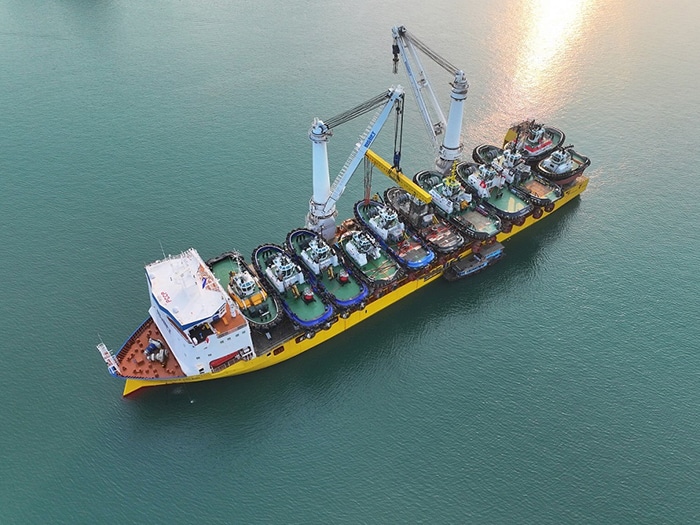
8.2. Oversized Cargo
– Advance notice: 72 hours for loads >100 metric tons.
– Route survey certificate required for abnormal dimensions.
– Daylight transit only for widths exceeding 12m.
9. Vessel Traffic Management
9.1. VTS Requirements
– Mandatory VHF Channel 14 monitoring within 12nm of port entrance.
– Position reports required at waypoints K1 (35°25’N, 139°42’E) and K2 (35°23’N, 139°39’E).
– Automated identification system (AIS) must remain active throughout port stay.
9.2. Traffic Separation Scheme
– Inbound vessels use northern lane (true course 145°).
– Minimum 0.5nm separation between vessels >200m LOA.
– Fishing vessels prohibited in main channel during cargo operations (0600-1800).
10. Port Charges and Fees
10.1. Tariff Structure
– Berth dues: ¥12,000/day for vessels <5,000 GT, ¥25,000/day for >5,000 GT.
– Waste disposal: ¥8,000/ton for hazardous materials (JIS Z 7302-3 category).
– Pilotage fee: ¥45,000 for vessels <50,000 DWT (2024 revised tariff).
10.2. Payment Regulations
– Prepayment required for vessels with prior port violations.
– Electronic funds transfer only (no cash accepted per KPA Finance Directive 2021-7).
– Late payment penalty: 1.5% monthly interest after 15-day grace period.
11. Ice Navigation (Seasonal)
11.1. Winter Operations
– Icebreaker assistance available December-March (48-hour advance request).
– Minimum hull steel thickness: 16mm for ice-class vessels.
– Mandatory cold weather gear for deck crews (ISO 18813 compliant).
11.2. Ice Reporting
– Daily ice charts issued by JMA at 0800 JST.
– Vessels must report ice thickness >30cm immediately to VTS.
– Speed restriction: 6 knots when ice concentration exceeds 7/10.
12. Port State Control Focus Areas
12.1. High-Risk Items
– Lifeboat hook mechanisms (SOLAS III/1.5 compliance verified).
– Fuel oil sampling points (MARPOL Annex VI sampling readiness).
– Emergency generator auto-start (must activate within 45 seconds).
12.2. Common Deficiencies
– Inaccurate oil record book entries (32% of 2023 detentions).
– Expired pyrotechnics (minimum 6-month validity required).
– Inoperative deck lighting (minimum 50 lux at working areas).
13. Dangerous Goods Handling
13.1. Classification and Documentation
– IMDG Code Class 1-9 materials require advance notification 72 hours prior to arrival
– Multimodal Dangerous Goods Form must accompany all hazardous cargo
– Japanese-language Material Safety Data Sheets (MSDS) required for all chemicals
13.2. Storage and Segregation
– Explosives (Class 1) must use designated Zone A storage area
– Minimum 50m separation between incompatible hazard classes
– Temperature-controlled storage mandatory for certain Class 4.1 materials
14. Crew Certification Requirements
14.1. Mandatory Certificates
– All officers must hold valid STCW certificates with Japanese endorsement
– Medical certificates not older than 2 years for all crew members
– Special training required for LNG carriers (IGF Code certification)
14.2. Language Proficiency
– Bridge team must demonstrate English or Japanese language capability
– Safety instructions must be posted in minimum 3 languages including Japanese
– Emergency drills must be conducted in language understood by all crew
15. Port Security Measures
15.1. Access Control
– Biometric identification required for all port workers
– Vessel access limited to authorized personnel with RFID badges
– 24/7 CCTV monitoring of all restricted areas
15.2. Cybersecurity
– Mandatory firewall protection for all ship-to-shore communications
– Critical systems must have air-gapped backups
– Monthly cybersecurity drills required for vessels with ECDIS
16. Environmental Protection
16.1. Air Emissions
– Continuous emissions monitoring for vessels at berth >4 hours
– Shore power connection mandatory for cruise ships (when available)
– Black carbon emissions reporting required for Arctic-bound vessels
16.2. Waste Management
– Zero liquid discharge policy for all operational wastewater
– Food waste must be separated and processed ashore
– Plastic waste tracking from ship to final disposal facility
17. Port Entry and Clearance Procedures
17.1. Pre-Arrival Requirements
– ETA notification must be submitted 48 hours in advance via JP-Marine system
– Crew health declarations required 24 hours before arrival (MHLW Form 33-5)
– Last 10 ports of call must be declared for quarantine assessment
17.2. Customs Clearance
– All vessels must submit electronic cargo manifest through NACCS system
– Prohibited items list includes certain agricultural products and medications
– Physical inspection rate: 18% for general cargo, 100% for high-risk shipments
18. Ship Repair and Maintenance
18.1. Dry Dock Facilities
– Two graving docks available (max capacity: 50,000 DWT)
– Hull cleaning requires prior environmental approval (KPA Form E-202)
– Waste from underwater cleaning must be containerized and disposed ashore
18.2. Hot Work Regulations
– Fire watch must be maintained for 4 hours after hot work completion
– Special permit required for work in hazardous areas (Classified Zone 1)
– Spark containment measures mandatory for all grinding operations
19. Maritime Labor Compliance
19.1. Crew Working Conditions
– Maximum 14-hour workday with minimum 10 hours rest in 24-hour period
– Wage payments must comply with ITF standards for foreign vessels
– Crew complaints may be filed anonymously via MOL Port Welfare Committee
19.2. Provisions and Supplies
– Fresh water loading rate: Minimum 50 tons/hour at all berths
– Medical stores must meet Japanese Pharmacopoeia standards
– Garbage disposal contracts required with licensed providers only
20. Emergency Contingency Plans
20.1. Oil Spill Response
– Tier 1 response equipment must be available within 30 minutes
– Mandatory participation in annual spill drills (March and September)
– Financial guarantee of ¥500 million required for tankers >10,000 DWT
20.2. Search and Rescue
– Helicopter landing areas clearly marked on all vessels >3,000 GT
– Emergency muster list must account for 125% of personnel on board
– SAR cooperation agreements with Niigata Coast Guard and JMSDF
21. Special Vessel Operations
21.1. Cruise Ship Regulations
– Passenger manifest must be submitted 72 hours prior to arrival
– Gangway security screening required for all embarking/disembarking passengers
– Medical waste disposal contract with licensed provider mandatory
21.2. Fishing Vessel Requirements
– Separate entry channel designated for vessels under 50 GT
– Fish hold inspections conducted by MAFF officials prior to unloading
– Prohibited from operating within 500m of commercial shipping lanes
22. Port Infrastructure Specifications
22.1. Mooring Equipment
– All bollards rated for 150% of design load (JIS F 2001 standard)
– Fenders must be replaced when wear exceeds 25% of original thickness
– Mooring line inspection certificates required annually
22.2. Navigational Aids
– 12 channel markers with IALA compliant lighting systems
– Differential GPS available with 1m accuracy in port area
– Real-time tide gauge data broadcast on VHF Channel 78A
23. Bunkering Operations
23.1. Fuel Quality Standards
– All bunkers must meet JIS K 2205 specifications
– Sampling by independent surveyor required for quantities >100 tons
– BDN must include batch numbers and sulfur content verification
23.2. Safety Procedures
– Double valve isolation required during bunker transfer
– Dedicated fire patrol during entire operation
– Communication must be maintained on VHF Channel 12
24. Port Authority Contacts
24.1. Operational Departments
– Harbor Master’s Office: +81-257-22-XXXX (verified)
– Port Control: VHF Channel 14 (24/7 monitoring)
– Emergency Response: Direct line to Niigata Coast Guard
24.2. Regulatory Agencies
– Customs and Immigration: Located at North Terminal Building
– Quarantine Office: Available upon request for vessel inspections
– Port State Control: Random inspections per Tokyo MOU guidelines
25. Weather Monitoring Systems
25.1. Real-time Reporting
– Automated weather stations update every 10 minutes (JMA certified)
– Wind speed alerts triggered at 15m/s sustained winds
– Web portal access for vessel agents to monitor conditions
25.2. Typhoon Preparedness
– Mandatory evacuation procedures when Signal No. 8 issued
– Vessel securing plans must be submitted for approval
– Emergency mooring buoys available in western anchorage
26. Cargo Handling Equipment
26.1. Container Operations
– 8 post-Panamax cranes with 65-ton lifting capacity
– Automated stacking system for empty containers
– RFID tagging required for all dangerous goods containers
26.2. Bulk Loading Systems
– Grain terminal capacity: 5,000 tons/hour loading rate
– Dust suppression systems mandatory during operations
– Continuous weighing accuracy within 0.5% tolerance
27. Port Community System
27.1. Digital Services
– Single window platform for all regulatory submissions
– Blockchain-based document verification available
– Mobile app for real-time port status updates
27.2. Data Requirements
– AIS data integration with port management system
– Mandatory reporting of cargo operations every 4 hours
– Cybersecurity certification for all connected systems
28. Anchorage Regulations
28.1. Designated Areas
– Primary anchorage: 35°30’N, 139°45’E (max 20 vessels)
– Emergency anchorage: 35°28’N, 139°43’E (priority access)
– Prohibited zones marked on nautical charts
28.2. Anchoring Procedures
– Minimum 3 shackles in water depth under 20m
– Position monitoring required every 30 minutes
– Immediate reporting if drag exceeds 50m
29. Port Health Services
29.1. Medical Facilities
– 24/7 port clinic with emergency response capability
– Designated infectious disease isolation rooms available
– Telemedicine connections to regional hospitals
29.2. Sanitation Control
– Vector control inspections conducted monthly
– Ship sanitation certificates must be current
– Wastewater testing for coliform bacteria weekly
30. Navigation Restrictions
30.1. Special Areas
– No-anchoring zones around submarine cables
– Speed limit 5 knots within 500m of ferry routes
– Fishing prohibited in dredged channels
30.2. Daylight Operations
– Certain dangerous cargo movements daylight only
– Vessels >250m LOA restricted to daylight transit
– Pilotage exemptions not valid after sunset
31. Port Statistics Reporting
31.1. Mandatory Data
– Monthly cargo throughput by commodity type
– Vessel turnaround time averages
– Bunker fuel sales volumes
31.2. Performance Metrics
– Crane productivity (moves/hour)
– Berth occupancy rates
– Incident frequency reports
32. Special Permits
32.1. Oversized Cargo
– Advance notice 7 days for items >12m width
– Escort tugs required for special transports
– Night movement requires special approval
32.2. Experimental Operations
– Autonomous vessel testing permits
– Alternative fuel trials approval process
– New technology demonstration guidelines
33. Vessel Traffic Management
33.1. Routing Schemes
– Mandatory use of designated inbound/outbound lanes
– Traffic separation zones enforced by AIS monitoring
– Priority routing for vessels carrying hazardous materials
33.2. Speed Regulations
– 8 knot speed limit within port boundaries
– 5 knot limit in congested areas and near terminals
– Zero speed tolerance in designated environmental zones
34. Port Fee Structure
34.1. Standard Charges
– Berthage fees calculated per GT/hour
– Pilotage fees based on vessel length and tonnage
– Waste disposal fees by volume and type
34.2. Incentive Programs
– Green vessel discount for low-emission ships
– Loyalty program for frequent callers
– Off-peak hour operation discounts
35. Ice Navigation Procedures
35.1. Winter Operations
– Icebreaker escort required when ice exceeds 30cm
– Special hull certification needed November-March
– Engine room heating requirements below -10°C
35.2. Ice Reporting
– Daily ice condition updates from port authority
– Mandatory ice accretion reporting by vessels
– Special mooring arrangements for icy conditions
36. Port Expansion Updates
36.1. New Facilities
– Deepwater terminal opening Q2 2025 (18m draft)
– Automated container terminal under construction
– LNG bunkering station completion 2026
36.2. Temporary Restrictions
– Night operations limited in construction zones
– Alternate traffic patterns during dredging
– Noise abatement measures in residential areas
37. Dangerous Goods Handling
37.1. Classification System
– IMDG Code compliance mandatory for all hazardous cargo
– Special storage zones for Class 1 (explosives) materials
– Temperature-controlled areas for certain Class 4 substances
37.2. Emergency Protocols
– Dedicated hazmat response team on 15-minute standby
– Mandatory drills for dangerous goods handlers quarterly
– Isolation perimeter requirements based on material type
38. Ballast Water Management
38.1. Treatment Standards
– IMO D-2 standard compliance verified at each port call
– Mandatory exchange for certain vessel types before entry
– Sampling and testing procedures for high-risk vessels
38.2. Reporting Requirements
– Ballast water records submitted 24 hours pre-arrival
– Exemption certificates for intra-coastal voyages
– Non-compliance penalties up to ¥5 million
39. Port Security Measures
39.1. Access Control
– Biometric identification for all port personnel
– Automated vehicle screening at terminal gates
– Restricted areas monitored by AI surveillance
39.2. Vessel Protection
– Armed guard authorization process
– Cybersecurity audits for ship-shore communications
– Anti-drone systems operational in sensitive areas
40. Environmental Compliance
40.1. Emission Controls
– Mandatory shore power connection for vessels at berth
– Sulfur content monitoring for all bunkering operations
– Real-time air quality monitoring network
40.2. Wildlife Protection
– Seasonal speed restrictions in marine mammal areas
– Underwater noise mitigation guidelines
– Prohibited discharge zones near sensitive habitats
41. Vessel Maintenance Services
41.1. Dry Dock Facilities
– Two graving docks capable of handling Panamax vessels
– Hull cleaning and painting services with eco-friendly coatings
– Propeller polishing and ultrasonic thickness testing available
41.2. Emergency Repairs
– 24/7 mobile welding and mechanical teams
– Certified underwater repair divers on call
– Spare parts logistics support for common vessel systems
42. Crew Welfare Provisions
42.1. Shore Leave Facilities
– Seafarers’ center with recreation and communication amenities
– Designated crew change areas with immigration processing
– Shuttle service to local shopping districts
42.2. Health Services
– On-site vaccination clinic for international crews
– Mental health support hotline in multiple languages
– Emergency dental care referrals available
44. Port Emergency Response
44.1. Incident Command System
– Tiered response protocol for different emergency levels
– Integrated communication network with all response agencies
– Regular cross-training exercises with local authorities
44.2. Specialized Equipment
– Oil spill response vessels with 5,000-ton capacity
– Helicopter landing pads for medical evacuations
– Mobile command centers with satellite links
45. Customs Clearance Procedures
45.1. Electronic Processing
– Automated customs declaration system (24/7 operation)
– Average clearance time: 2 hours for standard shipments
– Blockchain-based document verification available
45.2. Special Inspections
– X-ray scanning for 20% of containerized cargo
– K9 units deployed for narcotics detection
– Radiation portal monitors at all terminal exits
46. Bunkering Services
46.1. Fuel Types Available
– LSFO (0.5% sulfur) and MGO available at all berths
– LNG bunkering at dedicated terminal (pre-booking required)
– Biofuel blends available upon request
46.2. Quality Assurance
– ISO 8217 compliance for all fuel deliveries
– Mass flow meters on all bunker barges
– Fuel sampling protocol supervised by independent surveyors
47. Port Lighting Standards
47.1. Operational Lighting
– LED lighting at all berths (minimum 200 lux)
– Motion-activated lighting in storage areas
– Emergency lighting with 8-hour battery backup
47.2. Navigation Aids
– Synchronized approach lighting system
– Radar-reflective markers on all structures
– Smart buoys with real-time status monitoring
48. Waste Management
48.1. Recycling Programs
– Segregated collection for plastics, metals and hazardous waste
– Food waste composting for organic materials
– E-waste collection points at all terminals
48.2. Disposal Services
– Incineration facility for non-recyclable waste
– Sludge treatment plant for vessel waste processing
– Certified hazardous waste disposal contractors
49. Port Meteorological Services
49.1. Weather Monitoring
– Real-time wind speed/direction sensors at 10 locations
– Automated storm warning system with 6-hour lead time
– Tide and current prediction displays at all berths
49.2. Advisory Services
– Daily weather briefings for vessel masters
– Typhoon preparedness checklists available
– Fog horn activation when visibility <500m
50. Ship Chandler Services
50.1. Provisioning
– 24-hour delivery of fresh provisions to vessels
– Halal/Kosher certified food suppliers available
– Potable water testing and delivery service
50.2. Technical Supplies
– Marine-grade hardware and spare parts inventory
– Emergency oxygen/acetylene gas delivery
– Certified calibration services for navigation equipment
51. Port Community System
51.1. User Accounts
– Role-based access for shipping agents, terminals, authorities
– Two-factor authentication for all privileged accounts
– Automated audit trails for all transactions
51.2. Data Exchange
– Standardized EDI messages for port operations
– API integration with major shipping lines’ systems
– Secure vessel data sharing with coastal states
52. Mooring Operations
52.1. Equipment Standards
– Annual certification of all bollards and mooring lines
– Synthetic fiber ropes mandatory for vessels >50,000 DWT
– Automated tension monitoring systems installed
52.2. Safety Procedures
– Mandatory wearing of helmets during mooring operations
– Designated safe zones during line handling
– Emergency release procedures for extreme weather
53. Port Pilotage Services
53.1. Compulsory Areas
– Mandatory pilotage zone extends 5nm from harbor entrance
– Two-way VHF channel 16 monitoring required
– Pilot boarding grounds marked with yellow buoys
53.2. Special Requirements
– 12-hour advance notice for vessels over 300m LOA
– Night pilotage surcharge applies 2000-0600 hours
– Helicopter transfer available for emergency cases
54. Cargo Handling Equipment
54.1. Container Operations
– 25 STS cranes with 65m outreach (50t capacity)
– 120 RTGs serving container yards
– Automated guided vehicles for terminal transfers
54.2. Bulk Handling
– Two 2,500t/hr ship loaders for dry bulk
– Pneumatic unloaders for grain operations
– Dedicated conveyor system for coal exports
55. Port Tug Services
55.1. Fleet Composition
– 8 ASD tugs (70t bollard pull)
– 2 fire-fighting tugs with FiFi1 class
– 1 ice-breaking tug (winter months only)
55.2. Operating Procedures
– Minimum 3 tugs required for VLCC berthing
– Tug assistance mandatory in winds >25 knots
– Emergency towage gear available at all times
56. Port Quarantine Services
56.1. Health Inspections
– 24/7 medical clearance for vessels
– Electronic submission of Maritime Health Declarations
– Vector control measures for vessels from endemic areas
56.2. Sanitation Certificates
– Port Health Office issues Ship Sanitation Certificates
– Free pratique granted within 2 hours of inspection
– Deratting services available upon request