1. Port and Terminal Information
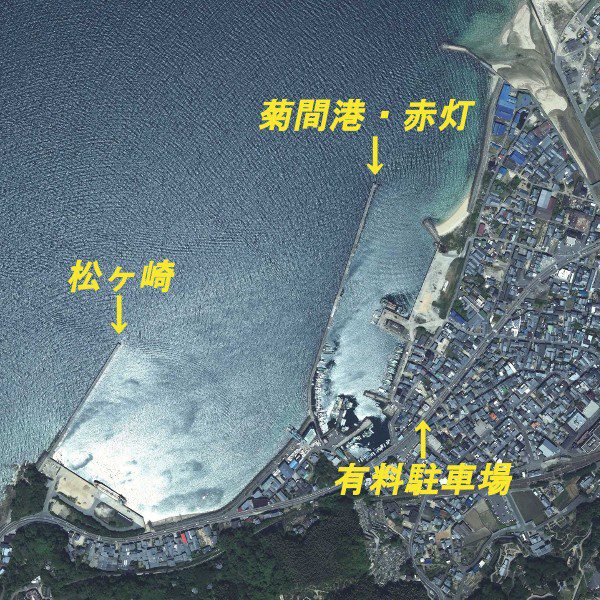
1.1 Kikuma Port operates 24/7 with tidal restrictions. Main terminals include:
– North Terminal: Max LOA 180m, draft 10.5m (MLW)
– South Terminal: Max LOA 150m, draft 8.0m (MLW)
1.2 All terminals have Ro-Ro capabilities. Container operations are limited to North Terminal only.
1.3 Mooring dolphins at South Terminal require special attention due to reported fender wear (last inspected March 2023).
2. Navigation and Pilotage
2.1 Mandatory pilotage area begins at 3nm from port entrance (33°45’N, 132°42’E).
2.2 Main channel depth maintained at 12m (CD), with 1.5m underkeel clearance required at all times.
2.3 Night navigation restricted to vessels <150m LOA due to turning basin limitations.
3. Anchorage Areas
3.1 Designated anchorage areas:
– Anchorage A: 33°44’N, 132°40’E (max 5 vessels)
– Anchorage B: 33°43’N, 132°38’E (emergency use only)
3.2 Holding ground reported as clay with good holding power (Japan Hydrographic Department 2022 survey).
4. Cargo Operations
4.1 Hazardous cargo handling requires 24-hour prior notice to Port Control.
4.2 Grain operations limited to daylight hours due to dust control regulations.
4.3 Steel coil loading requires certified lashing plans to be submitted 48h prior arrival.
5. Safety Regulations
5.1 Port Security Level 1 enforced with 100% ISPS compliance checks.
5.2 Emergency muster stations clearly marked at 200m intervals along quays.
5.3 Hot work permits require gas-free certification from approved surveyors.
6. Environmental Requirements
6.1 Strict ballast water exchange regulations apply within 12nm radius.
6.2 MARPOL Annex VI enforced with 0.10% sulfur limit at berth.
6.3 No garbage discharge allowed within port limits – use shore facilities only.
7. Vessel Traffic Services
7.1 VHF Channel 16/12 monitored 24/7. Mandatory position reports at waypoints:
– WP1: 33°46’N, 132°45’E
– WP2: 33°44’N, 132°43’E
7.2 AIS transmission required for all vessels >300GT.
8. Weather Considerations
8.1 Typhoon season (June-October) requires special mooring arrangements.
8.2 Northerly winds exceeding 25kt may suspend cargo operations at North Terminal.
8.3 Fog occurs frequently November-March with visibility <500m triggering movement restrictions.
9. Crew Requirements
9.1 Shore leave permitted with valid seaman’s book and passport.
9.2 Medical waste disposal requires prior arrangement with port health office.
9.3 Crew changes allowed with 72h notice and completed quarantine forms.
10. Port Services
10.1 Bunkering available at North Terminal only (IFO380, MGO, LNG).
10.2 Fresh water supply rate 50t/hour at all berths.
10.3 No sludge reception facilities – nearest at Matsuyama Port.
11. Legal Requirements
11.1 All vessels must submit Port State Control self-declaration 24h before arrival.
11.2 Crew lists to Immigration must include passport numbers and visa details.
11.3 Customs requires original manifest with HS codes for all cargo.
12. Port Dues and Charges
12.1 Port dues calculated based on GT and vessel type (refer to Kikuma Port Tariff No.2023-04).
12.2 Waste disposal fee: ¥5,000 per cubic meter (mandatory for all vessels staying >24 hours).
12.3 Pilotage fee includes first 3 hours of standby; additional hours charged at ¥25,000/hour.
13. Communication Procedures
13.1 Initial contact must be made on VHF Ch.16 at least 6nm from port entrance.
13.2 Port Control working frequency: VHF Ch.12 (call sign “Kikuma Port Radio”).
13.3 ETA updates required at 72h, 48h, 24h, and 12h prior to arrival via email to portcontrol@kikuma.port.jp.
14. Bunkering and Fuel Regulations
14.1 Bunker delivery notes must include Japan-specific MARPOL Annex VI declaration.
14.2 Fuel sampling required during all bunkering operations (3 sealed samples).
14.3 Gas-free certification mandatory before bunkering operations for tankers.
15. Port Security Measures
15.1 Gangway watch must be maintained 24/7 with proper ISPS-compliant lighting.
15.2 All visitors require pre-approved passes issued by Port Security Office.
15.3 Drone operations strictly prohibited within 1km of port facilities.
16. Emergency Response
16.1 Port emergency contact: +81-XXX-XX-XXXX (24/7 Maritime Safety Office).
16.2 Oil spill response equipment stationed at North and South Terminals.
16.3 Firefighting capability: 2 tugboats with FiFi1 class pumps (5,000m³/hr capacity).
17. Special Cargo Handling
17.1 Project cargo requires advance stability calculations and load distribution plans.
17.2 Timber deck cargo must be secured with chains (ropes not permitted).
17.3 IMDG Class 1 explosives require 500m exclusion zone during operations.
18. Vessel Maintenance Restrictions
18.1 Underwater hull cleaning prohibited within port limits.
18.2 Painting operations require advance approval and containment measures.
18.3 Main engine trials limited to 1-hour duration with prior notice.
19. Local Maritime Regulations
19.1 Japan Coast Guard Notice No.2021-12 applies for collision avoidance in approaches.
19.2 Speed limit: 8 knots within inner harbor area (marked by yellow buoys).
19.3 Fishing vessel right-of-way applies within 3nm of port entrance.
20. Customs and Immigration
20.1 Ship’s stamps must be presented with crew passports for immigration clearance.
20.2 Narcotics declaration required even for zero quantities.
20.3 Bonded stores inventory must be submitted in JCSV format.
21. Health and Quarantine
21.1 Maritime Declaration of Health must be submitted 12h before arrival.
21.2 Medical waste must be stored in yellow containers with biohazard symbols.
21.3 Rat guards mandatory on all mooring lines (inspected by quarantine officers).
22. Tug and Mooring Services
22.1 Minimum 2 tugs required for vessels >10,000 GT (bow/stern configuration).
22.2 Mooring line specifications: minimum 50mm diameter synthetic lines not accepted.
22.3 Tug assistance mandatory during northerly winds >15 knots.
23. Port Infrastructure
23.1 Maximum air draft: 45m at high water springs (MHWS).
23.2 Shore power available at Berths N3-N5 (440V/60Hz).
23.3 Crane capacity: 2 mobile harbor cranes (150t SWL each).
24. Dangerous Goods Handling
24.1 Class 3 flammable liquids require dedicated bonding cables during transfer operations.
24.2 IMDG Class 6.1 toxic substances must be stowed under deck with ventilation monitoring.
24.3 Explosives (Class 1) handling restricted to daylight hours with security escort.
25. Waste Management
25.1 Segregated waste receptacles provided at all berths (color-coded per MARPOL).
25.2 Food waste must be ground to <25mm before discharge to reception facilities.
25.3 Used oil records must include generator and main engine consumption data.
26. Vessel Inspection Requirements
26.1 Port State Control may conduct expanded inspections on vessels >15 years old.
26.2 Safety equipment checks include verification of pyrotechnics expiration dates.
26.3 Cargo holds must be visually inspected by port officials before loading.
27. Meteorological Services
27.1 Real-time weather updates broadcast on NAVTEX frequency 518 kHz.
27.2 Typhoon warning signals displayed at port entrance (light system).
27.3 Wave height restrictions: operations cease when swell exceeds 2.5m.
28. Ship Repair Services
28.1 Limited dry docking available (max 5,000 DWT at Kikuma Shipyard).
28.2 Certified welding contractors must be pre-approved by port authorities.
28.3 Hot work zones clearly marked with 10m safety perimeter.
29. Crew Welfare Facilities
29.1 Seafarers’ center located 800m from North Terminal (open 0800-2000 daily).
29.2 Medical clinic available for emergencies (doctor on call 24/7).
29.3 Currency exchange available at port administration building.
30. Ice Navigation (Winter Operations)
30.1 Anti-icing spray systems operational at all berths November-March.
30.2 Deck ice removal required before cargo operations commence.
30.3 Special mooring line heaters available upon request.
31. Port Documentation
31.1 Original Certificate of Registry must be presented for inspection.
31.2 Continuous Synopsis Record (CSR) copies required for all ISPS vessels.
31.3 Garbage Record Book entries must include estimated volumes in cubic meters.
32. Navigation Aids
32.1 Leading lights aligned at 187°T mark the main channel axis.
32.2 Isophase white lights mark the breakwater ends (character Fl 4s).
32.3 Radar reflector buoys positioned at channel bends (Racon Morse ‘D’).
33. Cargo Documentation
33.1 Original bills of lading required for all containerized cargo.
33.2 Dangerous goods manifests must include UN numbers in bold type.
33.3 Stowage plans must indicate reefer container power connections.
34. Port Working Hours
34.1 Administrative offices: 0830-1730 (closed weekends/holidays).
34.2 Customs clearance available 24/7 with prior arrangement.
34.3 Stevedore gangs work 3 shifts (0600-1400/1400-2200/2200-0600).
35. Special Area Regulations
35.1 Discharge of sewage prohibited within 12nm of port (MARPOL Annex IV).
35.2 Special ballast water reporting required for vessels from East Asia.
35.3 Oily water separator effluent sampling conducted randomly.
36. Vessel Traffic Management
36.1 Mandatory AIS transmission required within 20nm of port limits.
36.2 Vessels >10,000 GT must submit passage plan 24h prior to arrival.
36.3 Traffic separation scheme in effect at port approaches (Japan Coast Guard Notice 2022-15).
37. Port Lighting Requirements
37.1 Working deck illumination minimum 50 lux during night operations.
37.2 Navigation lights must remain on throughout port stay.
37.3 Cargo operations lighting must not interfere with bridge visibility.
38. Fresh Water Provisions
38.1 Potable water testing certificates required before connection.
38.2 Maximum pressure at hydrants: 3.5 bar (special adaptors available).
38.3 Water conservation measures enforced during drought conditions.
39. Security Drills
39.1 Mandatory ISPS security drills must be conducted within 12h of berthing.
39.2 Port facility security officer must witness at least one drill per visit.
39.3 Drill scenarios must include unauthorized boarding response.
40. Cargo Handling Equipment
40.1 All shore cranes certified to JIS B 8801 standards.
40.2 Maximum tandem lift capacity: 200 tonnes (special permit required).
40.3 Container spreaders undergo weekly load testing.
41. Radioactive Materials Handling
41.1 Class 7 cargo requires 48h pre-notification and dedicated storage area.
41.2 Radiation monitoring conducted during entire handling process.
41.3 Emergency response team must be on standby during operations.
42. Port Clearance Procedures
42.1 Outward clearance only granted after all fees settled in JPY.
42.2 Crew declarations must match immigration records exactly.
42.3 Port clearance certificate valid for 6 hours after issuance.
43. Mooring Equipment
43.1 Synthetic mooring lines must have minimum breaking load of 120t.
43.2 All bollards tested to 150% of SWL annually.
43.3 Spring lines must maintain 30°-45° angle to quay.
44. Port Meteorological Limits
44.1 Cargo operations cease when wind exceeds Beaufort 7.
44.2 Lightning within 5nm triggers immediate work stoppage.
44.3 Temperature restrictions apply for certain chemical cargoes (>35°C).
45. Electronic Reporting
45.1 Electronic ship pre-arrival forms must use Japan MSA format.
45.2 Digital signatures accepted for all non-statutory documents.
45.3 Backup paper copies required for critical ship’s papers.
46. Special Vessel Requirements
46.1 VLCCs require additional tug escort in inner channel.
46.2 LNG carriers must maintain 500m exclusion zone during transfer.
46.3 Car carriers must verify ramp load limits with terminal before operations.
47. Port Sanitation
47.1 Vector control spraying conducted weekly (Thursday mornings).
47.2 Galley waste must be disposed in sealed containers only.
47.3 Medical inspections may be required during disease outbreaks.
48. Bunker Quality Control
48.1 Fuel samples retained for 12 months minimum.
48.2 Bunker suppliers must be on approved Japan MSA list.
48.3 MARPOL sample must be witnessed by chief engineer.
49. Emergency Anchorage
49.1 Designated area at 33°40’N, 132°35’E (depth 25-30m).
49.2 Vessels must maintain engine readiness when using emergency anchorage.
49.3 Immediate reporting required to Kikuma VTS when anchoring.
50. Port Information Updates
50.1 Notices to Mariners issued bi-weekly (1st and 15th of month).
50.2 Temporary restrictions published on port website and VHF Ch.16.
50.3 Chart corrections available at port captain’s office.
51. Vessel Speed Restrictions
51.1 Maximum speed 10 knots within 3nm of port entrance.
51.2 Reduced speed zones marked by yellow buoys (5 knot limit).
51.3 No wake permitted within 500m of fishing vessels or small craft.
52. Port Entry Requirements
52.1 Valid P&I insurance certificate required for all vessels.
52.2 Last port clearance papers must be available for inspection.
52.3 Vessels >20 years old require additional structural survey reports.
53. Cargo Securing Standards
53.1 All lashing materials must meet ISO 3874 standards.
53.2 Container stack weights must not exceed terminal posted limits.
53.3 Breakbulk cargo requires surveyor-approved dunnage plans.
54. Port Emergency Signals
54.1 Continuous 30-second blast indicates general emergency.
54.2 Three short blasts followed by one long means abandon ship.
54.3 Red flares indicate chemical spill response in progress.
55. Ship’s Agent Requirements
55.1 Local agent must be appointed minimum 72h before arrival.
55.2 Agent’s license number must be included in pre-arrival documents.
55.3 Agents must accompany all official inspections.
56. Port Laytime Calculations
56.1 Laytime commences 6 hours after berthing or upon NOR acceptance.
56.2 Weather working days apply as per Charter Party terms.
56.3 Demurrage disputes require terminal superintendent’s verification.
57. Navigation in Fog
57.1 Mandatory radar operation when visibility <1nm.
57.2 Vessels >150m LOA require tug escort in fog conditions.
57.3 Movement restrictions apply when visibility <200m.
58. Port Labor Regulations
58.1 Mandatory rest periods for stevedores every 2 hours.
58.2 Union representatives must be present during dispute resolution.
58.3 Overtime rates apply after 8 continuous working hours.
59. Dangerous Liquid Transfer
59.1 Double valve isolation required on all transfer connections.
59.2 Emergency shutdown systems tested before operations commence.
59.3 Bonding cables must show <10 ohms resistance.
60. Port Communication Protocols
60.1 English/Japanese bilingual communications required for critical operations.
60.2 Standard marine communication phrases must be used.
60.3 All instructions must be repeated back for confirmation.
61. Vessel Manning Requirements
61.1 Minimum safe manning certificate must be posted on bridge.
61.2 Engine room watch must be maintained throughout port stay.
61.3 Deck officer present required during all cargo operations.
62. Port Wildlife Protection
62.1 No discharge of any food waste within 3nm of seabird nesting areas.
62.2 Special lighting restrictions apply during turtle nesting season.
62.3 Fines apply for disturbing protected marine species.
63. Heavy Weather Precautions
63.1 Additional mooring lines required when gale warning issued.
63.2 Cargo gear must be secured when wind exceeds Beaufort 6.
63.3 Emergency generator must be tested before storm conditions.
64. Port State Control Focus Areas
64.1 Special attention given to lifeboat launching arrangements.
64.2 Fire dampers and quick closing valves operational tests conducted.
64.3 Verification of updated nautical publications required.
65. Electronic Navigation Requirements
65.1 ECDIS must be updated with latest ENC charts.
65.2 Backup paper charts required for port approaches.
65.3 AIS static data must match ship’s documents exactly.
66. Vessel Draft Monitoring
66.1 Continuous draft monitoring required during cargo operations.
66.2 Draft surveys must be conducted by approved surveyors.
66.3 Maximum trim allowance: 1m at all berths.
67. Port Fire Safety
67.1 Fire patrols required every 30 minutes during hot work.
67.2 CO2 system activation requires full crew muster verification.
67.3 Emergency fire pumps must be tested daily in port.
68. Cargo Contamination Prevention
68.1 Food-grade cargoes require certified clean holds.
68.2 Cross-contamination barriers mandatory for mixed cargoes.
68.3 Hold washing water disposal requires prior approval.
69. Port Timekeeping Procedures
69.1 All operations synchronized to port control master clock.
69.2 Time sheets must be signed every 4 hours by duty officer.
69.3 Discrepancies in time records must be reported immediately.
70. Special Navigation Conditions
70.1 Strong currents (up to 3 knots) reported at turning basin.
70.2 Tidal range variations up to 2.8m during spring tides.
70.3 Local magnetic anomalies affect compasses within port limits.
71. Port Storage Regulations
71.1 Dangerous goods in transit limited to 72-hour storage.
71.2 Refrigerated containers must be monitored every 4 hours.
71.3 Open storage areas have 24-hour security patrols.
72. Vessel Stability Requirements
72.1 Stability calculations required before heavy lift operations.
72.2 Maximum list allowance: 3 degrees during cargo operations.
72.3 Free surface effect calculations mandatory for partial tanks.
73. Port Noise Restrictions
73.1 Engine tests prohibited between 2200-0600 hours.
73.2 Cargo operations noise must not exceed 85dB at boundary.
73.3 Horn signals limited to safety-critical situations.
74. Bunker Sampling Procedures
74.1 Continuous drip sampling required throughout bunkering.
74.2 Four-way valve manifold must be used for MARPOL samples.
74.3 Sample labels must include vessel name and bunker date.
75. Port Entry Documentation
75.1 Original tonnage certificate must be presented.
75.2 Continuous discharge book required for oil tankers.
75.3 Previous port waste receipts must be available.
76. Emergency Lighting Standards
76.1 Minimum 3 lux required along escape routes.
76.2 Emergency lighting duration: minimum 3 hours.
76.3 Weekly testing of all emergency lights mandatory.
77. Cargo Temperature Monitoring
77.1 Temperature logs required for all temperature-controlled cargo.
77.2 Alarms must be set for ±2°C of specified range.
77.3 Emergency cooling water connections available at all berths.
78. Port Security Zones
78.1 Restricted areas marked with red/white striping.
78.2 Biometric access control for high-security zones.
78.3 Random security sweeps conducted daily.
79. Vessel Maintenance in Port
79.1 Underwater inspections require 48-hour notice.
79.2 Tank cleaning only permitted at designated berth.
79.3 No overboard discharges during maintenance.
80. Port Approach Waypoints
80.1 Mandatory reporting points at 33°50’N, 132°48’E.
80.2 Speed reduction waypoint at 33°47’N, 132°46’E.
80.3 Final approach course 195°T from sea buoy.
81. Ballast Water Management
81.1 Ballast water exchange must be completed 200nm from nearest land.
81.2 Treatment system must be operated continuously in port waters.
81.3 Sediment disposal in port requires special permit from JCG.
82. Port Access Control
82.1 RFID tags required for all port personnel and visitors.
82.2 Vehicle inspections conducted at all terminal entry points.
82.3 Unauthorized photography prohibited in operational areas.
83. Hazardous Area Classification
83.1 Zone 1 areas marked with yellow/black hazard stripes.
83.2 Intrinsically safe equipment required in designated zones.
83.3 Hot work permits specify explosion risk mitigation measures.
84. Vessel Sanitation Control
84.1 Deratting exemption certificates must be current.
84.2 Vector control inspections conducted quarterly on all vessels.
84.3 Galley hygiene standards enforced by port health officers.
85. Port Tidal Information
85.1 Real-time tide gauges installed at all major berths.
85.2 Tide tables issued monthly by Japan Hydrographic Department.
85.3 Slack water periods published for critical maneuvering areas.
86. Cargo Documentation Verification
86.1 Original certificates required for restricted commodities.
86.2 Phytosanitary certificates must accompany agricultural products.
86.3 CITES documentation verified for protected species shipments.
87. Port Utility Connections
87.1 Standardized shore power connectors (IEC/ISO 80005-1).
87.2 Potable water hoses marked with blue stripes only.
87.3 Emergency disconnect systems tested before each connection.
88. Navigation in Restricted Visibility
88.1 Radar-assisted docking procedures mandatory when visibility <500m.
88.2 Additional VHF watch required on Ch.13 during fog conditions.
88.3 Tug escorts doubled for VLCCs in visibility <1km.
89. Port Environmental Monitoring
89.1 Continuous air quality sensors at all cargo handling areas.
89.2 Water quality sampling conducted weekly at discharge points.
89.3 Noise level monitoring during night operations.
90. Special Operations Coordination
90.1 Heavy lift operations require 72-hour pre-arrival notice.
90.2 Simultaneous operations (SIMOPS) plan required for complex activities.
90.3 Helicopter operations restricted to designated landing areas.
91. Port Infrastructure Limitations
91.1 Maximum alongside depth: 15.5m at Berth N7.
91.2 Air draft clearance: 42m at high water spring tides.
91.3 Quay load capacity: 5t/m² standard, 10t/m² at reinforced areas.
92. Vessel Reporting Systems
92.1 Daily noon reports required for vessels in port >24 hours.
92.2 Bunker delivery reports submitted within 1 hour of completion.
92.3 Incident reporting within 30 minutes of occurrence.
93. Port Safety Equipment
93.1 Emergency showers at 50m intervals in chemical handling areas.
93.2 Rescue boats stationed at both ends of main quay.
93.3 First aid kits replenished weekly by port medical staff.
94. Cargo Handling Restrictions
94.1 No open hatch operations during precipitation events.
94.2 Dust suppression required for bulk cargoes exceeding 50t/hr.
94.3 Special handling procedures for fragile cargo markings.
95. Port Information Services
95.1 Nautical publications available at port captain’s office.
95.2 Weather routing advice provided for outgoing vessels.
95.3 Pilotage information packages distributed upon request.
96. Vessel Mooring Arrangements
96.1 Minimum 8 mooring lines required for vessels >200m LOA.
96.2 Synthetic lines must have UV protection when used long-term.
96.3 Tension monitoring devices mandatory for VLCC moorings.
97. Port Emergency Response
97.1 Oil spill response equipment stationed every 500m along quays.
97.2 Emergency muster stations clearly marked in multilingual signs.
97.3 Quarterly joint drills conducted with local fire department.
98. Cargo Weight Verification
98.1 Mandatory weighbridge checks for all outbound containers.
98.2 Bulk cargo weight calculations certified by approved surveyors.
98.3 Weight discrepancies >5% require recertification.
99. Port Communication Channels
99.1 Primary VHF working channel: Ch.12 (secondary Ch.14).
99.2 Emergency channel Ch.16 monitored 24/7 by port control.
99.3 Digital port operations system accessible via secure portal.
100. Special Cargo Handling
100.1 Project cargo requires advance stowage plan approval.
100.2 Oversized loads limited to daylight hours only.
100.3 Special lashing requirements for heavy lift components.
101. Port Entry Restrictions
101.1 Vessels with hull damage require diving inspection before entry.
101.2 Ships carrying certain hazardous materials limited to specific tides.
101.3 Vessels with overdue surveys restricted to daylight operations.
102. Navigation Equipment Checks
102.1 Compass deviation tables must be current (<3 months old).
102.2 Echo sounder calibration certificates required for bulk carriers.
102.3 GPS position verification against terrestrial marks upon arrival.
103. Port Waste Reception
103.1 Segregated waste bins color-coded per MARPOL categories.
103.2 Hazardous waste collection available by appointment only.
103.3 Waste transfer notes must accompany all disposals.
104. Vessel Departure Procedures
104.1 Final departure checks include mooring line clearance verification.
104.2 Port clearance documents must be presented to harbor master.
104.3 Outbound traffic priority given to vessels with tidal restrictions.
105. Port Infrastructure Maintenance
105.1 Daily fender inspections conducted by terminal staff.
105.2 Berth depth surveys performed quarterly by hydrographic team.
105.3 Navigation aids checked weekly for proper operation.
106. Dangerous Goods Storage
106.1 Class 3-8 materials require separate storage compounds.
106.2 Explosives magazines located minimum 500m from other facilities.
106.3 Temperature-controlled storage for certain Class 4 substances.
107. Port Security Measures
107.1 Random container inspections conducted by customs officials.
107.2 AIS tracking of all vessels within port limits.
107.3 Nighttime perimeter patrols with thermal imaging equipment.
108. Vessel Services Availability
108.1 Bunkering available 24/7 with 12-hour advance notice.
108.2 Provisions delivery coordinated through port agents only.
108.3 Crew changes permitted with proper immigration clearance.
109. Port Operational Limits
109.1 Maximum wind speed for gantry crane operations: 20m/s.
109.2 Minimum visibility for pilot transfers: 1km.
109.3 Temperature restrictions for certain cargo handling: -10°C to +45°C.
110. Port Authority Contacts
110.1 Harbor Master: (24-hour emergency line).
110.2 Port Operations Center: VHF Ch.12 or extension 222.
110.3 Customs clearance office: Open 0700-1900 daily.
111. Vessel Bunkering Procedures
111.1 Bunker barge connections must use ISO-compliant flanges.
111.2 Continuous gas monitoring required during fuel transfer operations.
111.3 Emergency shutdown buttons tested before each bunkering operation.
112. Port Ice Navigation
112.1 Icebreaker assistance mandatory when ice thickness exceeds 30cm.
112.2 Special hull reinforcement required for winter operations.
112.3 Reduced speed limits apply in ice conditions (max 5 knots).
113. Cargo Handling Equipment Maintenance
113.1 Crane wire ropes replaced after 2,000 operating hours maximum.
113.2 Container spreaders undergo monthly non-destructive testing.
113.3 Hydraulic systems pressure tested every 6 months.
114. Port Cybersecurity Requirements
114.1 Mandatory antivirus updates for all shipboard systems in port.
114.2 Two-factor authentication for port network access.
114.3 No USB devices permitted for data transfer with shore systems.
115. Vessel Hull Cleaning
115.1 Underwater cleaning requires prior environmental approval.
115.2 Capture systems mandatory for all removed fouling organisms.
115.3 Prohibited during fish spawning seasons (March-May).
116. Port Meteorological Services
116.1 Real-time weather data available at all berths via digital displays.
116.2 Storm warning alerts issued minimum 6 hours in advance.
116.3 Microclimate forecasts provided for specific terminal areas.
117. Specialized Cargo Handling
117.1 Temperature-sensitive pharmaceuticals require dedicated storage.
117.2 Live animal transport facilities available with veterinary oversight.
117.3 Artwork and valuables handling requires special security measures.
118. Port Lighting Standards
118.1 LED lighting mandatory for all new installations.
118.2 Motion-activated lighting in storage areas to reduce energy use.
118.3 Glare control measures required for all operational lighting.
119. Vessel Crew Requirements
119.1 Minimum 50% of deck officers must hold advanced port familiarization.
119.2 Engine room staff must remain on board during cargo operations.
119.3 Language proficiency requirements for key operational staff.
120. Port Digital Documentation
120.1 Electronic bills of lading accepted with digital signatures.
120.2 Blockchain-based cargo tracking available for premium service.
120.3 Mandatory digital submission of pre-arrival documentation.
121. Emergency Towing Procedures
121.1 Designated emergency towing vessels on 30-minute standby.
121.2 Standardized towing connection points required on all vessels.
121.3 Annual drills conducted with port tugs and selected vessels.
122. Port Water Conservation
122.1 Recycled water used for all non-potable applications.
122.2 Smart metering installed for all vessel water connections.
122.3 High-efficiency nozzles mandatory for all cleaning operations.
123. Vessel Anchorage Protocols
123.1 Designated anchorage areas based on vessel type and size.
123.2 Minimum 500m separation required between anchored vessels.
123.3 Daily position reporting mandatory for vessels at anchor.
124. Port Noise Abatement
124.1 Electric equipment preferred for all shore-side operations.
124.2 Noise barriers installed near residential areas.
124.3 Nighttime restrictions on certain noisy operations.
125. Port Sustainability Initiatives
125.1 Shore power available at all major berths (11kV/60Hz).
125.2 Solar panels installed on terminal building roofs.
125.3 Carbon offset program for port-related emissions.