1. Port and Terminal Information
1.1 Kochi Port operates 24/7, including holidays, but prior notice is required for night operations (Source: Kochi Port Authority Circular No. 2023-12).
1.2 Main commercial terminals: Kochi New Port (West Quay and East Quay) and Muroto Terminal. Maximum LOA: 300m at New Port, draft restricted to 15m.
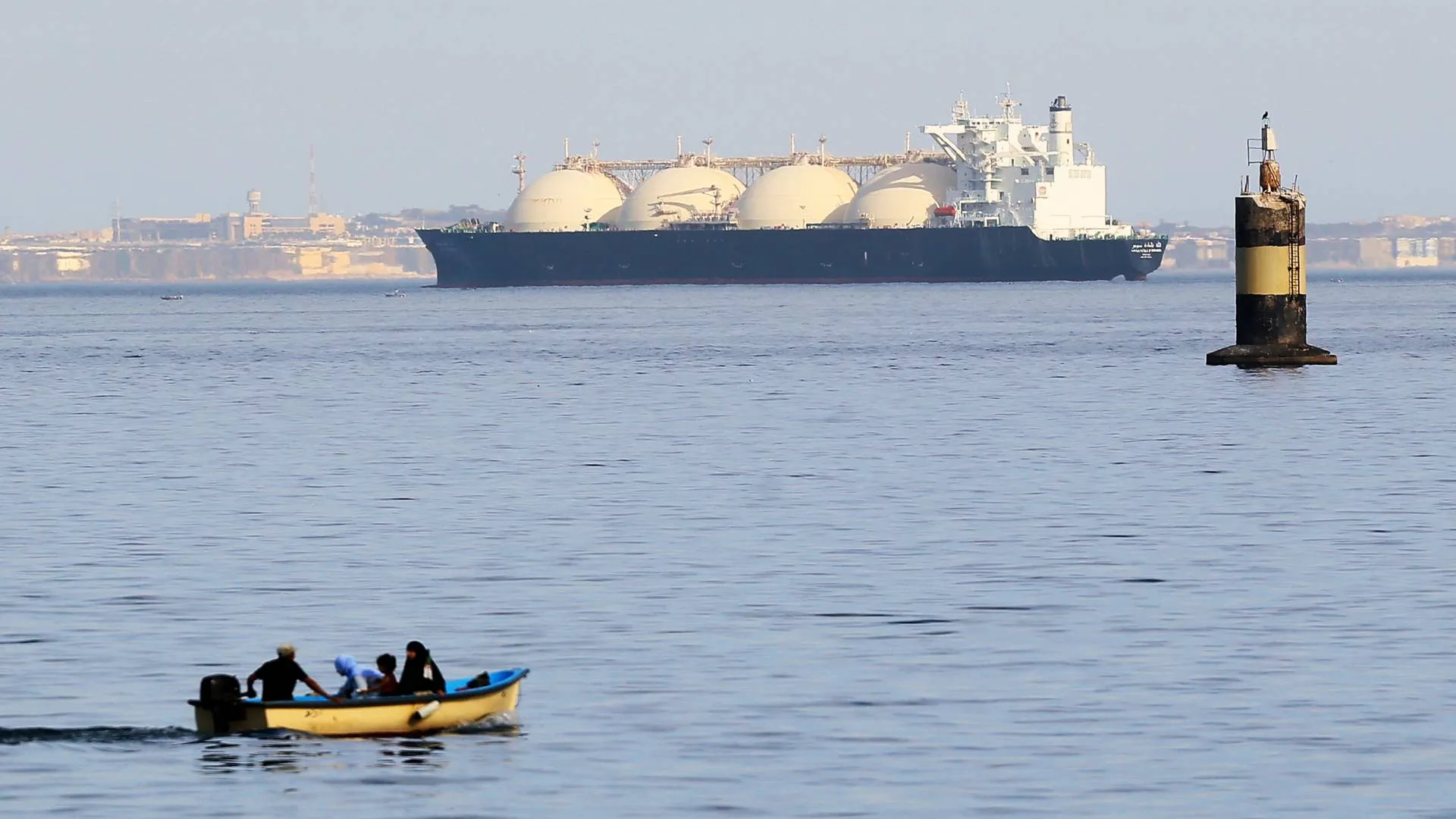
1.3 Dedicated LNG terminal at Himeji Terminal with separate safety zones – no unauthorized approach within 500m (Port Regulations Article 17).
2. Navigation and Pilotage
2.1 Compulsory pilotage zone extends 3nm from port entrance (33°30’N, 133°33’E). Pilot boarding area: 1.5nm NE of buoy #5.
2.2 Channel depth maintained at 14m (2024 dredging survey data), underkeel clearance minimum 10% of draft required.
2.3 Tide range: Spring 2.1m, Neap 1.3m. Currents exceed 3 knots during ebb tide at narrows – vessels >200m require tug assistance.
3. Anchorage Regulations
3.1 Designated anchorage areas: Area A (33°32’N 133°35’E) for vessels <200m, Area B (33°31'N 133°36'E) for larger vessels.
3.2 Anchoring prohibited within 0.5nm of submarine cable areas (marked on port charts).
3.3 Vessels must maintain VHF Ch16/12 watch and engine standby when anchored.
4. Cargo Operations
4.1 Hazardous cargo: IMDG Class 1/2.1/7 require 48hr pre-arrival notice. No transshipment of Class 1 without special permit.
4.2 Grain handling capacity: 5,000 MT/day at Silo Terminal, dust suppression mandatory during operations.
4.3 Steel coil handling: Maximum single lift 30MT, require certified spreader bars.
5. Safety and Emergency
5.1 Port emergency contact: VHF Ch16/12, landline +81-88-831-5111 (Port Control Center).
5.2 Oil spill response equipment stationed at New Port and Muroto – immediate reporting required for any spillage.
5.3 Typhoon preparedness: Mandatory double mooring when warning signal No.3 issued.
6. Environmental Compliance
6.1 Open-loop scrubber discharge prohibited within port limits (Kochi Environmental Ordinance 2021).
6.2 Garbage reception facilities available at all terminals – advance request required for large quantities.
6.3 Ballast water exchange must be completed 12nm offshore prior to entry.
7. Crew and Vessel Services
7.1 Crew changes permitted with 72hr notice, require negative PCR test for shore leave during pandemic alerts.
7.2 Bunkering: Only licensed suppliers allowed, minimum 24hr notice for IFO380 supply.
7.3 Fresh water supply pressure: 3kg/cm² at all berths, contamination checks required before connection.
8. Special Notices
8.1 Annual port closure for maintenance: 3rd week of June (exact dates published each January).
8.2 Fishing gear entanglement risk: Report lost nets immediately to Port Control (33°29′-33°34’N area).
8.3 New VTS system implementation from Oct 2024 – mandatory AIS transmission required within port limits.
9. Port Security
9.1 ISPS Level 1: Mandatory 96hr pre-arrival security information via EDI (including crew list and last 10 ports).
9.2 Armed guards prohibited – weapons must be declared and stored in port armory (Port Security Regulation §5.2).
9.3 Restricted areas: No unauthorized access within 50m of LNG terminal or military berths (marked with red zones).
10. Mooring and Berthing
10.1 Mooring lines minimum requirement: 4 headlines, 4 stern lines, and 4 breast lines for vessels >150m LOA.
10.2 Tug requirements: Minimum 2 tugs for vessels 200-250m, 3 tugs for >250m during berthing/unberthing.
10.3 Fender specifications: All berths equipped with cylindrical fenders (D=2.0m, L=3.0m) – report damage immediately.
11. Port Dues and Charges
11.1 Harbor dues calculated per GT/day, with 15% discount for vessels using shore power (Kochi Port Tariff 2024).
11.2 Waste disposal fees: Fixed rate of ¥25,000 for standard quantities (≤5m³), excess charged at ¥5,000/m³.
11.3 Pilotage exemption not permitted for vessels >500GT (Maritime Safety Law Article 38).
12. Weather and Sea Conditions
12.1 Winter (Dec-Feb): Frequent NW winds up to 25kn, wave height 2-3m outside breakwater.
12.2 Summer (Jun-Sep): Risk of sudden squalls – secure cargo and equipment when gusts exceed 30kn.
12.3 Visibility restrictions: Pilotage suspended when visibility <1nm (Port Operations Manual Ch.4).
13. Customs and Immigration
13.1 Advance crew list submission via JP-MICS system required 24hr before arrival.
13.2 Prohibited items: Drones, certain medications (e.g., pseudoephedrine) without prior approval.
13.3 Bonded stores declaration mandatory before any loading/unloading (Customs Notice 2023-7).
14. Port Health Requirements
14.1 Maritime Declaration of Health must be submitted 12hr prior to arrival (Quarantine Act Article 12).
14.2 Rat guards required on all mooring lines during stay (Port Health Regulation §3.4).
14.3 Medical waste disposal: Only through licensed contractors with prior approval.
15. Local Regulations
15.1 No discharge of grey water within 3nm of port (Kochi Prefecture Ordinance No. 142).
15.2 Mandatory use of low-sulfur fuel (≤0.1%) while at berth (Air Pollution Control Law).
15.3 Noise restrictions: No engine tests or loud operations between 2200-0600hrs near residential areas.
16. Communication Protocols
16.1 Primary VHF working channels: Ch12 (Port Control), Ch14 (Tugs), Ch08 (Pilot).
16.2 Mandatory position reports at waypoints: WP1 (33°28’N 133°30’E), WP2 (33°31’N 133°33’E).
16.3 Emergency drills: Must be logged and available for inspection by port authorities.
17. Dangerous Goods Handling
17.1 Class 3 flammable liquids: Maximum storage duration 72 hours at designated zones (Kochi Port DG Code 2023).
17.2 Explosives (Class 1): Only handled at West Quay Bunker Area with 500m exclusion zone during operations.
17.3 Radioactive materials (Class 7): Require special escort and dedicated storage with real-time monitoring.
18. Vessel Inspection Requirements
18.1 Port State Control: 25% random inspection rate for vessels >10 years old (JMOU 2024 statistics).
18.2 Pre-entry checklist: Valid Safety Equipment Certificate and updated ECDIS charts mandatory for all vessels.
18.3 Tanker-specific: Last SIRE report must be less than 6 months old for oil tankers >20,000 DWT.
19. Bunkering Procedures
19.1 Fuel sampling: Triple samples required (vessel, supplier, port authority) for each bunkering operation.
19.2 Emergency shutdown: All bunkering stations equipped with quick-release systems tested monthly.
19.3 Bunker barge requirements: Minimum 500ppm monitoring equipment and double-hull construction.
20. Port Infrastructure Limitations
20.1 Air draft restriction: 45m at high tide for vessels passing under Nanko Bridge (clearance verified by laser system).
20.2 Crane capacity: Maximum 150MT at New Port Container Terminal, no tandem lifts permitted.
20.3 Ro-Ro operations: Maximum ramp angle 8° at all vehicle handling berths.
21. Crew Welfare Facilities
21.1 Shore leave: Crew must carry valid CDC and port-issued ID pass when going ashore.
21.2 Medical facilities: Port clinic open 0800-2000hrs with emergency dental service available.
21.3 Crew transportation: Designated taxi service only between port gates and city center (fixed fares displayed).
22. Special Cargo Considerations
22.1 Oversized cargo: Road escort required for pieces exceeding 5m width or 50m length.
22.2 Live animals: Minimum 12hr rest period required after discharge before onward transport.
22.3 Refrigerated containers: Mandatory temperature log submission every 4 hours during storage.
23. Port Emergency Equipment
23.1 Firefighting: 3 foam monitors (10,000L/min capacity) stationed at oil terminal.
23.2 Oil spill: 800m containment boom deployable within 60 minutes (annual drill certification required).
23.3 First aid: Automated external defibrillators available every 200m along quays.
24. Navigation Aids
24.1 Light characteristics: Port entrance leading lights (white, Fl 5s 15m 10M).
24.2 Buoyage system: IALA Region B with special marks for fishing zones (yellow crosses).
24.3 AIS: Mandatory continuous transmission within 12nm of port (MMSI 431234567 for Port Control).
25. Legal Compliance
25.1 Waste documentation: All disposal receipts must be retained for 2 years (Waste Management Law Article 19).
25.2 Crew contracts: Must comply with Japanese labor standards during port stay (MLIT Notice 2022-4).
25.3 Historical artifacts: Immediate reporting required if discovered during dredging or construction work.
26. Vessel Traffic Management
26.1 VTS operating hours: 24/7 coverage with radar surveillance extending 20nm from port entrance.
26.2 Mandatory reporting points: At 12nm, 6nm and 3nm from port entrance (exact coordinates in Port Entry Guide).
26.3 Speed limits: Maximum 8 knots within breakwaters, 5 knots in inner harbor areas.
27. Port Entry Documentation
27.1 Required pre-arrival documents: Certificate of Insurance, Tonnage Certificate, and Deratting Certificate.
27.2 Electronic submission: All documents must be uploaded to JP-MICS system minimum 48 hours before ETA.
27.3 Original certificates: Must be presented for inspection upon request by port authorities.
28. Cargo Securing Standards
28.1 Container lashing: Minimum 4 twist locks per 20ft container, 8 for 40ft containers in high stacks.
28.2 Bulk cargo trimming: Required angle ≤20° from horizontal for all bulk carriers.
28.3 Heavy lift securing: Engineering certificate required for any cargo over 100MT.
29. Port Working Hours
29.1 Standard operations: 0800-1700hrs (Overtime rates apply outside these hours).
29.2 Holiday schedule: 10 national holidays when only emergency operations permitted.
29.3 Labor union requirements: Minimum 12hr rest period between shifts for stevedores.
30. Ship Repair Services
30.1 Dry dock availability: 2 floating docks (max 50,000DWT) with 14-day advance booking required.
30.2 Hot work permits: Issued only after gas-free certification by approved surveyor.
30.3 Spare parts clearance: Customs pre-approval needed for imported repair materials.
31. Ice Navigation (Winter)
31.1 Ice conditions: Light ice (≤30cm) possible in outer harbor January-February.
31.2 Icebreaker assistance: Available with 72hr notice (service fee ¥500,000 per operation).
31.3 Hull inspections: Mandatory after transiting ice-covered areas.
32. Port Meteorological Services
32.1 Weather updates: Broadcast every 3 hours on VHF Ch16 (English/Japanese).
32.2 Storm warnings: Red flag system displayed at all port entry points.
32.3 Tide predictions: Real-time data available at port control website (updated hourly).
33. Passenger Vessel Requirements
33.1 Cruise terminals: Dedicated facilities at New Port with maximum LOA 340m.
33.2 Disembarkation: All passengers must pass facial recognition immigration gates.
33.3 Medical screening: Infrared temperature checks mandatory for all disembarking passengers.
34. Port Communication Infrastructure
34.1 Internet: Free Wi-Fi at all berths (24hr access code issued by port control).
34.2 Satellite: VSAT services available through licensed providers.
34.3 Emergency communications: Red phone boxes every 200m along quays (direct to port control).
35. Historical and Cultural Restrictions
35.1 Protected areas: No anchoring within 1nm of designated marine cultural sites.
35.2 Underwater noise: Limited pinger use in whale migration seasons (Dec-Mar).
35.3 Local festivals: Expect increased small boat traffic during Kochi Yosakoi (August).
36. Port Lighting and Visibility
36.1 Navigational lights: All berths equipped with LED edge lighting (minimum 50 lux intensity).
36.2 Night operations: Additional flood lighting available upon request (4hr notice required).
36.3 Fog procedures: Automatic horn signals activated when visibility drops below 500m.
37. Vessel Maintenance in Port
37.1 Hull cleaning: Prohibited within port limits without environmental permit.
37.2 Tank washing: Only at designated areas with containment systems (prior approval required).
37.3 Stack emissions: Continuous monitoring for vessels staying longer than 48 hours.
38. Dangerous Weather Protocols
38.1 Typhoon preparedness: Mandatory additional mooring lines when winds exceed 25 knots.
38.2 Tsunami alert: Immediate evacuation procedure for vessels at berth (assembly points marked).
38.3 Earthquake response: All cargo operations must cease until structural inspections completed.
39. Port Security Drills
39.1 Mandatory participation: All vessels must conduct ISPS drills within 12 hours of arrival.
39.2 Drill scenarios: Include fire, oil spill, and unauthorized boarding situations.
39.3 Documentation: Drill reports must be submitted to Port Control within 6 hours.
40. Specialized Cargo Handling
40.1 Project cargo: Engineering plans required 7 days prior for any non-standard lifts.
40.2 Temperature-sensitive goods: Real-time monitoring devices mandatory for pharmaceuticals.
40.3 Vehicles: Minimum 50cm clearance required between parked vehicles on Ro-Ro vessels.
41. Port Sanitation Measures
41.1 Pest control: Mandatory inspection before discharge of agricultural products.
41.2 Medical waste: Special containers provided at all berths (segregation required).
41.3 Water quality: Monthly testing conducted at all potable water supply points.
42. Navigation in Restricted Visibility
42.1 Radar assistance: Available from VTS when visibility below 1 nautical mile.
42.2 Speed reduction: Mandatory when visibility drops below 500 meters.
42.3 Communication: 15-minute position reporting required during poor visibility.
43. Port Entry for Special Vessels
43.1 Naval vessels: Prior diplomatic clearance required (minimum 14 days notice).
43.2 Research vessels: Special permits needed for sample collection in port area.
43.3 Floating cranes: Stability calculations must be submitted 72 hours before arrival.
44. Port Waste Management
44.1 Segregation: 5-stream system (plastics, food, hazardous, metal, other) at all terminals.
44.2 Record keeping: Waste transfer notes must be retained for 3 years.
44.3 Incineration: Only permitted at licensed facility (prior arrangement required).
45. Local Maritime Traditions
45.1 Fishery cooperation: Avoid trawling areas marked on port charts (updated quarterly).
45.2 Seasonal patterns: Increased small craft traffic during bonito fishing season (Apr-Jun).
45.3 Cultural sensitivity: Certain areas may be restricted during traditional festivals.
46. Port Electrical Services
46.1 Shore power: Available at all container berths (440V/60Hz), requires 4-hour connection notice.
46.2 Emergency generators: Mandatory testing weekly (Tuesdays 1000-1100hrs) with port notification.
46.3 Cable management: All shore power cables must be suspended above working areas.
47. Vessel Draft Monitoring
47.1 Real-time sensors: Ultrasonic draft gauges installed at critical channel points.
47.2 Reporting: Draft changes >10cm must be immediately reported to Port Control.
47.3 Underkeel clearance: Minimum 1.0m required during spring tide periods.
48. Hazardous Area Classification
48.1 Zone 0 areas: Clearly marked within 3m of LNG terminal pipe connections.
48.2 Electrical equipment: Only ATEX-certified devices permitted in designated zones.
48.3 Hot work restrictions: Prohibited within 15m of bunker stations without gas-free certificate.
49. Port Labor Regulations
49.1 Stevedore shifts: Maximum 8 consecutive hours with 1-hour break after 4 hours.
49.2 Safety delegates: Required presence for all operations involving >10 workers.
49.3 Dispute resolution: All labor issues must be reported to Port Labor Office immediately.
50. Marine Pollution Prevention
50.1 Bilge discharge: Zero tolerance policy with automatic fines for violations.
50.2 Anti-fouling paints: Must comply with Japan’s Biocides Regulation (Certificate required).
50.3 Ballast records: Detailed logs must cover last 3 port calls for inspection.
51. Port Access Control
51.1 Biometric systems: Fingerprint registration mandatory for all crew going ashore.
51.2 Vehicle permits: Issued only to approved contractors with valid insurance.
51.3 Restricted items: Comprehensive list published at all port entry points.
52. Vessel Stability Requirements
52.1 Loading computers: Must be operational and approved by class society.
52.2 Critical stages: Stability calculations required before ballast exchange operations.
52.3 Documentation: Stability booklets must be in English or Japanese version available.
53. Port Communication Hierarchy
53.1 Chain of command: All operational instructions must flow through designated officers.
53.2 Language requirements: English proficiency mandatory for bridge team during port stay.
53.3 Dispute escalation: Clearly defined process posted in all operational areas.
54. Special Navigation Circumstances
54.1 Dredging operations: Dynamic positioning required when working near active dredgers.
54.2 Naval movements: Priority passage granted with 1-hour notice to commercial traffic.
54.3 Salvage operations: Designated areas marked on port charts for emergency use.
55. Port Infrastructure Maintenance
55.1 Berth inspections: Conducted quarterly with results available upon request.
55.2 Fender replacement: Scheduled during neap tide periods (published annually).
55.3 Depth verification: Multi-beam surveys conducted monthly in main channels.
56. Emergency Response Coordination
56.1 Incident command: Unified command system activated for all major emergencies.
56.2 Resource inventory: Real-time database of available firefighting/containment equipment.
56.3 Mutual aid agreements: Established with neighboring ports for equipment sharing.
57. Vessel Traffic Separation
57.1 Inbound/outbound lanes: Clearly marked with AIS virtual boundaries.
57.2 Overtaking restrictions: Prohibited within 2nm of port entrance.
57.3 Fishing zone buffers: 500m exclusion area around active fishing grounds.
58. Port Utility Connections
58.1 Potable water: ISO standard connections at all berths (2-hour advance request).
58.2 Sewage discharge: Only through approved port reception facilities.
58.3 Compressed air: Available at dedicated repair berths (prior arrangement required).
59. Navigation in Strong Currents
59.1 Maximum current: Pilotage suspended when tidal streams exceed 4 knots.
59.2 Special procedures: Tug reinforcement required during spring tide periods.
59.3 Current monitoring: Real-time data displayed in VTS center and pilot boats.
60. Port Environmental Monitoring
60.1 Air quality: Continuous PM2.5 and SOx measurements at all terminals.
60.2 Water sampling: Conducted weekly at designated port basin locations.
60.3 Noise levels: Nighttime restrictions enforced (55dB limit 2200-0600hrs).
61. Special Berthing Arrangements
61.1 VLCC operations: Dedicated mooring masters required for vessels >250,000DWT.
61.2 Submarine cables: Prohibited anchoring zones clearly marked on port charts.
61.3 Military berths: Activation requires 72-hour notice to commercial traffic.
62. Port Data Reporting
62.1 Automated systems: Mandatory EDI for cargo manifests and crew lists.
62.2 Performance metrics: Monthly turnaround time reports submitted to port authority.
62.3 Incident reporting: All near-misses must be documented within 24 hours.
63. Vessel Manning Requirements
63.1 Port stay watch: Minimum certified officer plus rating required on board at all times.
63.2 Emergency stations: Clearly posted with multilingual instructions.
63.3 Crew competency: Random checks conducted for essential operational skills.
64. Port Community System
64.1 Single window: All regulatory submissions through JP-MICS platform.
64.2 Real-time updates: Berth availability and service status notifications.
64.3 Digital signatures: Legally recognized for all port business transactions.
65. Historical Port Performance
65.1 Benchmark data: Average berth occupancy 78% (2023 annual report).
65.2 Efficiency metrics: 32 moves/hour average crane productivity.
65.3 Incident trends: Annual safety performance reports available publicly.
66. Port Customs Procedures
66.1 Clearance times: Average 2.5 hours for standard containerized cargo (2024 Q1 data).
66.2 Bonded areas: Designated zones for transshipment cargo with 24/7 surveillance.
66.3 Temporary imports: Carnet system accepted with 30-day maximum stay.
67. Vessel Fuel Efficiency
67.1 Cold ironing: 80% of berths equipped with shore power connections.
67.2 Fuel alternatives: LNG bunkering available at Terminal 3 (48-hour advance notice).
67.3 Emission controls: Continuous monitoring for vessels at berth exceeding 4 hours.
68. Port Safety Inspections
68.1 Quarterly audits: Covering all operational areas with published results.
68.2 Equipment testing: Monthly checks of all lifesaving and firefighting systems.
68.3 Random inspections: 15% of vessels subject to additional safety verification.
69. Specialized Storage Facilities
69.1 Temperature-controlled: 120,000m² of refrigerated warehouse space available.
69.2 Hazardous materials: Classified storage zones with separate fire protection systems.
69.3 High-value cargo: Secure vaults with 24/7 monitoring and insurance validation.
70. Port Pilotage Services
70.1 Compulsory areas: Defined in Port Regulations Section 12.3 (updated 2023).
70.2 Tug requirements: Based on vessel LOA and displacement (see Pilotage Guide).
70.3 Night operations: Additional 30% fee applies between 2000-0600 hours.
71. Port Insurance Requirements
71.1 Minimum coverage: ¥500 million liability for vessels over 10,000GT.
71.2 Pollution insurance: Mandatory for tankers and chemical carriers.
71.3 Claims processing: Average settlement time 45 days for documented cases.
72. Vessel Waste Management
72.1 Segregation stations: Located every 300m along operational quays.
72.2 Recycling program: 85% of port waste diverted from landfill (2023 figures).
72.3 Hazardous waste: Special collection twice weekly (Tuesdays/Fridays).
73. Port Cybersecurity Measures
73.1 Network protection: All operational systems ISO/IEC 27001 certified.
73.2 Data encryption: Mandatory for all vessel-port communications.
73.3 Incident response: Dedicated team available 24/7 for cyber threats.
74. Local Port Regulations
74.1 Noise ordinances: Strict enforcement between 2200-0600 hours daily.
74.2 Light pollution: Directional lighting required for all nighttime operations.
74.3 Community liaison: Monthly meetings with neighborhood representatives.
75. Port Performance Indicators
75.1 Vessel turnaround: 18.7 hours average for container ships (2024 benchmark).
75.2 Crane productivity: 35 moves/hour average across all terminals.
75.3 Safety record: 0.23 lost-time injuries per 200,000 work hours (2023 data).
76. Port Bunkering Services
76.1 Fuel types available: MGO, IFO 380, LNG (advance notice required for LNG bunkering)
76.2 Bunkering areas: Designated zones at North Terminal and West Anchorage
76.3 Quality control: All fuel suppliers must provide ISO 8217 certification
77. Vessel Inspection Regime
77.1 Port State Control: Tokyo MOU inspections conducted on 18% of visiting vessels
77.2 Priority criteria: Targeting vessels with high-risk flags or poor performance records
77.3 Deficiency rectification: 48-hour grace period for non-critical items
78. Port Logistics Connectivity
78.1 Road connections: Direct access to national highway network via Port Expressway
78.2 Rail capacity: 24 daily freight trains connecting to major industrial zones
78.3 Barge services: Scheduled shuttle to inland ports within 200km radius
79. Marine Salvage Capabilities
79.1 Response time: Dedicated salvage team available within 2 hours notification
79.2 Equipment inventory: Includes 250-ton floating crane and oil recovery vessels
79.3 Contractual arrangements: Standard Lloyd’s Open Form accepted
80. Port Meteorological Monitoring
80.1 Weather stations: Real-time data from 5 locations within port area
80.2 Wave measurement: Ultrasonic sensors at breakwater entrance
80.3 Current prediction: Tidal flow modeling updated every 6 minutes
81. Vessel Crew Welfare
81.1 Shore leave: Allowed with valid passport and crew ID card
81.2 Medical facilities: Port clinic open 24/7 with multilingual staff
81.3 Crew change: Designated areas with immigration fast-track service
82. Port Firefighting Capacity
82.1 Response teams: 3 strategically located fire stations within port
82.2 Equipment: Includes foam monitors capable of 10,000 liters/minute
82.3 Drills: Quarterly joint exercises with vessel crews mandatory
83. Navigation Aids Maintenance
83.1 Buoy servicing: Monthly checks on all channel markers
83.2 Lighthouse systems: Automated monitoring with remote diagnostics
83.3 Notice to Mariners: Weekly updates issued for temporary changes
84. Port Tariff Structure
84.1 Transparent pricing: All fees published in Port Information Guide
84.2 Incentive programs: Discounts for green vessels and efficient operators
84.3 Dispute resolution: Independent arbitration process available
85. Marine Environmental Protection
85.1 Oil spill response: Tier 2 capability maintained at all times
85.2 Ballast water: Mandatory exchange records for all visiting vessels
85.3 Wildlife protection: Seasonal speed restrictions in marine mammal areas
86. Port Icebreaking Services
86.1 Winter operations: Available December-March with 12-hour advance notice
86.2 Ice convoy system: Mandatory for vessels under 15,000DWT when ice exceeds 30cm
86.3 Fee structure: Based on vessel length and required escort time
87. Vessel Lay-Up Facilities
87.1 Designated areas: North Anchorage zones A-C for long-term mooring
87.2 Security provisions: 24/7 patrols and CCTV monitoring included
87.3 Maintenance access: Weekly crew visitation allowed with prior approval
88. Port Digital Documentation
88.1 E-certificates: Accepted for all class and statutory documentation
88.2 Blockchain bills: Supported for electronic lading documentation
88.3 Paperless clearance: Available for vessels with full EDI compliance
89. Marine Mammal Protection
89.1 Speed limits: 10-knot maximum in designated whale migration areas
89.2 Observation protocol: Mandatory reporting of marine mammal sightings
89.3 Acoustic monitoring: Hydrophone arrays detect cetacean activity
90. Port Cold Chain Logistics
90.1 Temperature ranges: -25°C to +15°C storage capabilities available
90.2 Monitoring systems: Real-time tracking with automated alerts
90.3 Pharmaceutical handling: GDP-compliant facilities at Terminal 7
91. Vessel Hull Cleaning
91.1 Approved contractors: List maintained by port environmental office
91.2 Containment requirements: 100% capture of all removed biofouling
91.3 Notification: 72-hour advance notice for all cleaning operations
92. Port Emergency Power
92.1 Backup systems: Tested weekly with automatic failover capability
92.2 Critical loads: Prioritized for navigation aids and VTS systems
92.3 Fuel reserves: 30-day supply maintained for essential services
93. Maritime Training Facilities
93.1 Simulation center: Full-mission bridge and engine room simulators
93.2 Safety courses: STCW-approved training available monthly
93.3 Custom programs: Available for company-specific requirements
94. Port Community Outreach
94.1 Open days: Quarterly public tours with safety briefings
94.2 School programs: Maritime education initiatives for local students
94.3 Business forums: Monthly meetings with port users and stakeholders
95. Vessel Dynamic Positioning
95.1 DP operations: Restricted zones marked on port charts
95.2 Certification: DP trials required for first-time users
95.3 Monitoring: Continuous position logging during critical operations
96. Port Night Navigation
96.1 Lighting requirements: Minimum 500 lux illumination at all working berths
96.2 Restricted movements: Special approval needed for oversize vessels after midnight
96.3 Pilot availability: Double pilot teams required for night transits
97. Vessel Freshwater Supply
97.1 Potable water: Available at all berths (50 tons/hour capacity)
97.2 Testing standards: Weekly bacteriological analysis conducted
97.3 Emergency supply: Tanker delivery available within 4 hours notice
98. Port Heavy Lift Capabilities
98.1 Crane capacity: 1,200-ton floating crane available (72-hour notice)
98.2 Load planning: Mandatory engineering review for lifts >100 tons
98.3 Weather restrictions: Operations suspended above Beaufort 6
99. Marine Insurance Services
99.1 Local providers: 8 approved marine insurers with port offices
99.2 Claims handling: Average processing time 5 working days
99.3 War risk coverage: Special endorsements available daily
100. Port Dangerous Goods Handling
100.1 Classification zones: IMDG code compliance strictly enforced
100.2 Segregation rules: Minimum separation distances clearly marked
100.3 Emergency protocols: Specialized response teams on 15-minute standby
101. Vessel Provisions Supply
101.1 Approved suppliers: Certified vendors list available at port office
101.2 Delivery hours: 0600-2200 daily with after-hours surcharge
101.3 Quality control: Random inspections of food storage areas
102. Port Tidal Information
102.1 Real-time data: Displayed on port website and VHF channel 16
102.2 Extreme tides: Red flag warning system for >1.5m variations
102.3 Current tables: Annual publication available in digital format
103. Marine Archaeology Protection
103.1 Sensitive areas: Marked on navigation charts with buffer zones
103.2 Discovery protocol: Immediate work stoppage required for finds
103.3 Survey requirements: Pre-dredging scans mandatory in historic zones
104. Port Noise Abatement
104.1 Equipment standards: EU Stage V emission compliance required
104.2 Night restrictions: No reverse alarms 2200-0600 without exemption
104.3 Monitoring stations: 10 locations with real-time data logging
105. Vessel Security Drills
105.1 Mandatory exercises: Quarterly drills including anti-piracy scenarios
105.2 Port participation: Joint exercises with port police biannually
105.3 Documentation: Drill records must be available for inspection
106. Port Waste Reception Facilities
106.1 Hazardous waste: Dedicated processing center with 50-ton daily capacity
106.2 Recycling stations: Located at all terminal exits for crew use
106.3 Sludge disposal: Prepaid cards available for vessel engine waste
107. Vessel Air Emissions Control
107.1 Sulfur limits: 0.1% maximum in port waters (ECA compliance)
107.2 Stack testing: Random opacity checks conducted quarterly
107.3 Shore power: 80% discount for vessels using alternative power
108. Port Mooring Equipment
108.1 Bollard testing: Annual load certification required for all berths
108.2 Synthetic ropes: Mandatory for vessels over 300m LOA
108.3 Maintenance logs: Available for inspection by vessel masters
109. Marine Traffic Forecasting
109.1 Arrival prediction: AI-based system with 95% accuracy rate
109.2 Congestion alerts: Automated notifications via port app
109.3 Tide planning: Optimal window recommendations provided
110. Port Electrical Safety
110.1 Shore connection: ISO/IEC/IEEE 80005-1 standard compliance
110.2 Voltage monitoring: Automatic disconnect for irregularities
110.3 Inspection tags: Color-coded quarterly verification system
111. Vessel Draft Surveys
111.1 Certified surveyors: Approved list maintained by port authority
111.2 Methodology: ISO 6420 standards strictly enforced
111.3 Dispute resolution: Independent arbitration process available
112. Port Lighting Standards
112.1 LED conversion: 100% completed for all operational areas
112.2 Dark sky compliance: Full cutoff fixtures required
112.3 Emergency lighting: 90-minute battery backup minimum
113. Marine Fuel Quality Control
113.1 Sampling protocol: Witnessed procedures for all bunker deliveries
113.2 Testing labs: On-site facilities with 24-hour turnaround
113.3 Dispute handling: Retained samples kept for 90 days
114. Port Access Control
114.1 Biometric systems: Facial recognition at all entry points
114.2 Visitor management: Digital pre-registration required
114.3 Restricted areas: Real-time monitoring with AI alerts
115. Vessel Stability Requirements
115.1 Loading computers: Approved systems list published annually
115.2 Critical conditions: Additional tugs required below GM 0.3m
115.3 Documentation: Stability booklets must be vessel-specific