1. Port and Terminal Information
1.1 Oita Port operates 24/7, including holidays, but prior notice is required for night operations (contact Oita Port Management Office via official channels).
1.2 Dedicated hazardous cargo berths are available at Fukkoku Pier (Max LOA 200m) and Nishi-Maizuru Pier (Max LOA 180m). IMDG Class 1 explosives require 48-hour pre-arrival notice.
1.3 Cement carrier operations at Kurosaki Pier require dust prevention measures per Japan’s Air Pollution Control Law.
2. Navigation and Anchorage
2.1 Mandatory VHF Channel 16 monitoring within port limits. Channel 12 for port control communications.
2.2 Anchorage Area A (33°14’N 131°37’E) has holding ground of mud/sand with 3.5:1 scope requirement during typhoon season (July-October).
2.3 Tide range exceeds 2.8m during spring tides – verify under-keel clearance calculations with latest Oita Port tide tables (JCG Publication HP203).
3. Cargo Operations
3.1 Steel coil loading requires signed stowage plan approval from Oita Port Stevedores Co. Ltd. 24hrs before operations.
3.2 Timber cargo must comply with ISPM 15 fumigation standards – original phytosanitary certificates required for discharge.
3.3 Liquid chemical transfers require double-hose connection and dedicated drip trays (Ministry of Environment Ordinance No. 34).
4. Safety Regulations
4.1 Hot work permits issued only after gas-free certificate verification by Nippon Kaiji Kyokai (ClassNK) surveyor.
4.2 Lifeboat drills within port waters require prior harbor master approval (Port Regulations Article 17-3).
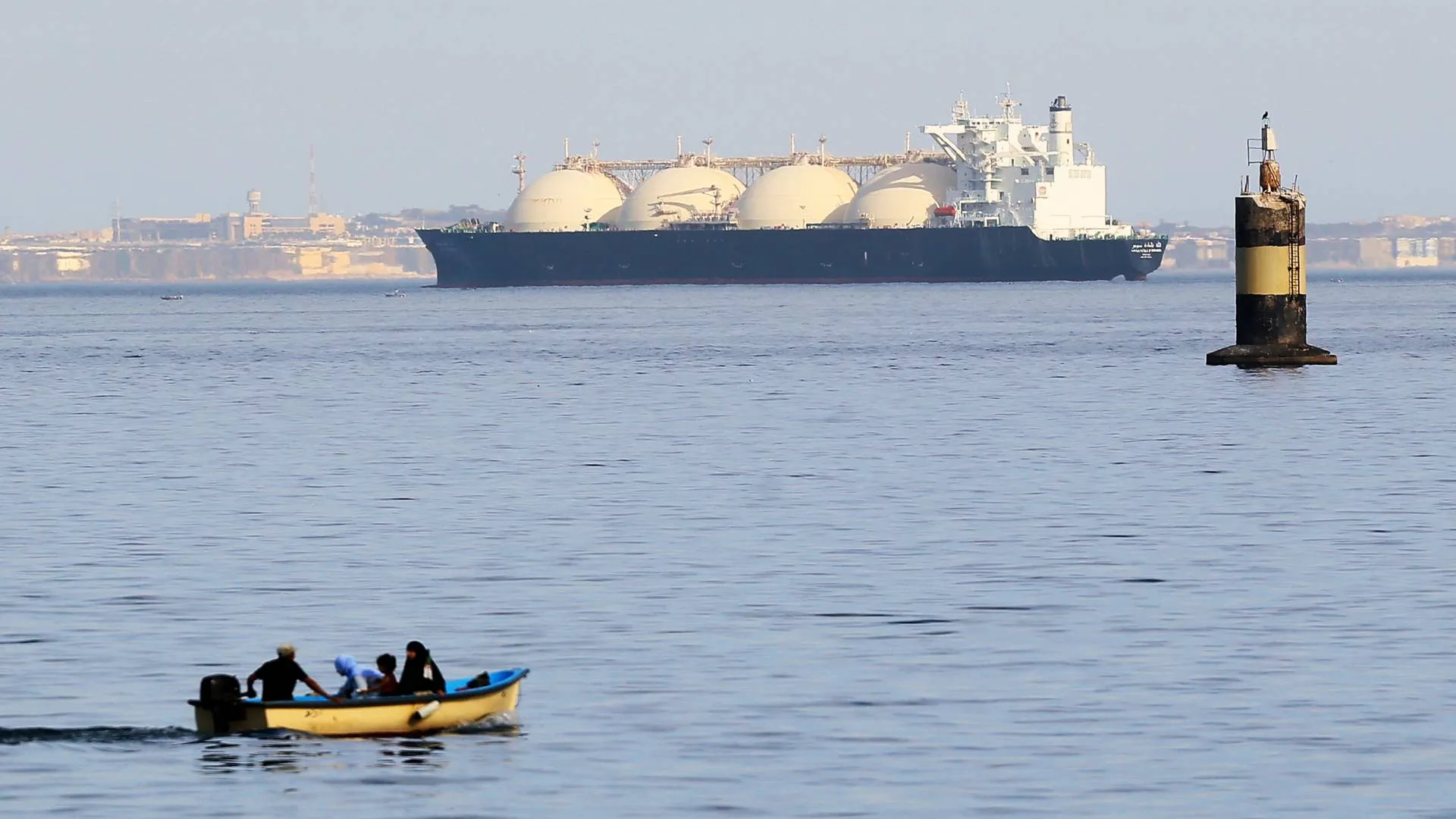
4.3 Mandatory 500m safety zone around LNG carriers during bunkering (MLIT Notice No. 1593).
5. Environmental Compliance
5.1 Oita Port is Sulfur Emission Control Area (SECA) – fuel changeover log must record switch to 0.1% sulfur fuel at 12NM from port.
5.2 Ballast water exchange prohibited within 12NM of port – must use approved treatment systems per Japan BWM Regulations.
5.3 Garbage discharge records require port agent’s counter-signature before departure.
6. Emergency Procedures
6.1 Oil spill response equipment stationed at Oita Port Fire Department (24hr contact via VHF Ch.16).
6.2 Medical evacuation coordination through Oita Port Control – helicopter landing zone at 33°14’12″N 131°36’45″E.
6.3 Tsunami evacuation route for vessels: proceed to 33°15’N 131°40’E minimum depth 50m.
7. Administrative Requirements
7.1 Crew changes require 72-hour notice to Immigration Office via appointed agent.
7.2 Original Ship Sanitation Control Exemption Certificate must be presented to quarantine officers.
7.3 Port dues payment must be completed 2 hours before departure – electronic payment accepted.
8. Pilotage and Tug Services
8.1 Compulsory pilotage for vessels over 200 GT or LOA exceeding 50m (Oita Port Ordinance No. 12).
8.2 Pilot boarding area at 33°13.5’N 131°38.0’E (2NM northeast of port entrance).
8.3 Minimum 2 tugboats required for vessels over 20,000 DWT during berthing/unberthing (3 tugs for VLCCs).
9. Port Security
9.1 ISPS Level 1 security measures enforced 24/7 – crew ID checks at all terminal gates.
9.2 Restricted areas marked with red/yellow zones – unauthorized entry prohibited (Port Security Plan Section 5.2).
9.3 Mandatory pre-arrival security declaration via e-Gov Japan system 24hrs before entry.
10. Weather and Sea Conditions
10.1 Sudden wind gusts exceeding 25 knots may occur in winter (November-March) – mooring lines must be monitored.
10.2 Fog advisories issued when visibility drops below 1NM – vessel movements restricted (Port Control decision).
10.3 Typhoon preparedness: Vessels must follow MLIT Typhoon Contingency Plan if winds exceed Beaufort 8.
11. Bunkering and Supplies
11.1 Low-sulfur fuel (0.1%) available at Oita Oil Terminal – prior bunker plan submission required.
11.2 Freshwater supply rate: 100 tons/hour at all berths (pressure 3.5 bar).
11.3 Prohibited to discharge sludge within port limits – use licensed waste contractors only.
12. Customs and Immigration
12.1 Crew personal effects declaration required for all non-Japanese nationals.
12.2 Prohibited items include certain medications (e.g., pseudoephedrine) – check MOFA Japan website.
12.3 Ship’s stamps must match Customs registry – discrepancies cause clearance delays.
13. Port Infrastructure
13.1 Maximum air draft: 48m at high tide (Floating Dock No. 2).
13.2 Shore power available at Container Terminal (440V/60Hz) – request 48hrs in advance.
13.3 Port hospital: Oita Port Medical Center (24/7 emergency care, no infectious disease treatment).
14. Local Regulations
14.1 No smoking within 10m of cargo operations areas (Oita City Fire Prevention Law).
14.2 Drones prohibited without Port Office authorization (Civil Aeronautics Act Article 132).
14.3 Fishing/swimming banned in commercial port zones (Maritime Safety Agency Notice 301).
15. Vessel Traffic Services (VTS)
15.1 Mandatory AIS transmission within 20NM of port (Japan Coast Guard Regulation).
15.2 Speed limit: 8 knots in inner harbor, 12 knots in approach channel.
15.3 VTS reporting points: At 10NM, 5NM, and upon passing breakwater (Lat/Long coordinates in Port Guide).
16. Cargo Documentation
16.1 Original Bill of Lading required for all breakbulk cargo – electronic copies not accepted.
16.2 Dangerous goods manifest must follow IMO DG Code format (Japanese/English bilingual).
16.3 Grain cargo: Official weight certificate from loading port mandatory.
17. Crew Welfare
17.1 Shore leave permitted for vaccinated crew with valid seaman’s book (COVID measures may apply).
17.2 Nearest seafarer center: Oita International Seamen’s Club (3km from main port gate).
17.3 Emergency cash advances available via port agents (max ¥200,000 per vessel).
18. Port Dues and Charges
18.1 Port dues calculated based on GT and vessel type – tariff published in Oita Port Regulations Annex 1.
18.2 Waste disposal fee: ¥15,000 per cubic meter for non-recyclable waste (receipt required).
18.3 Overtime charges apply for operations outside 0800-1700 JST (150% normal rate).
19. Communication Protocols
19.1 Daily noon reports mandatory for vessels at berth (submit to Port Control via email/fax).
19.2 Emergency contact chain: Vessel → Agent → Port Control → Japan Coast Guard (VHF Ch.16).
19.3 Official port notices broadcast daily at 0900 JST on VHF Ch.12 (weather/operational updates).
20. Special Cargo Handling
20.1 Project cargo exceeding 100 tons requires route survey by port engineer 72hrs prior.
20.2 Temperature-controlled cargo: Reefer monitoring reports must be submitted every 6 hours.
20.3 Live animal transport: Veterinary inspection required before discharge (Oita Quarantine Station).
21. Mooring Arrangements
21.1 Minimum 8 mooring lines required for vessels >200m LOA (4 headlines, 4 stern lines).
21.2 Synthetic ropes prohibited for vessels >50,000 DWT – steel wire ropes mandatory.
21.3 Tide compensators required at all berths with >2m tidal range.
22. Port Emergency Contacts
22.1 Oil spill response: +81-97-533-3111 (Oita Marine Disaster Prevention Center).
22.2 Medical emergency: #119 (direct line to port medical team).
22.3 Security incidents: +81-97-532-9110 (Port Security Office).
23. Vessel Inspection Requirements
23.1 Random PSC inspections target vessels >15 years old (Tokyo MOU criteria).
23.2 Pre-departure checklist must be signed by master/chief engineer and port inspector.
23.3 Cargo gear certificates must be valid for all loading/unloading equipment used.
24. Navigational Warnings
24.1 Submarine cable area 2NM east of breakwater – anchoring prohibited (JCG Notice No. 45).
24.2 Temporary fishing zones may appear near fairway – reduce speed and post lookout.
24.3 Strong currents (up to 3 knots) reported at turns in main channel during ebb tide.
25. Crew Training Requirements
25.1 All deck officers must complete Japan-specific ECDIS training (MLIT Certification).
25.2 Emergency drills must include tsunami response procedures when in Japanese ports.
25.3 Language requirements: At least one bridge officer fluent in maritime English.
26. Port-Specific Customs
26.1 Gift declarations required for crew items valued over ¥10,000.
26.2 Religious materials subject to inspection – no distribution without permit.
26.3 Ship’s stores inventory must match Customs declaration within 5% variance.
27. Electrical Safety
27.1 Shore connection cables must have Japan Industrial Standard (JIS) certification.
27.2 Portable electrical equipment requires 100V/200V dual voltage capability.
27.3 High-voltage warning signs must be posted during transformer operations.
28. Port Working Hours
28.1 Standard working day: 0800-1700 JST (1-hour lunch break at 1200).
28.2 National holidays follow Japanese government schedule (no cargo operations).
28.3 Sunday operations require triple overtime payment (approved cases only).
29. Dangerous Goods Storage
29.1 Class 3-8 DG must be removed from port within 48 hours of discharge.
29.2 Explosives (Class 1) stored only at designated Nishi-Maizuru Magazine Area.
29.3 Segregation distances strictly enforced per IMDG Code Amendment 41-22.
30. Vessel Repair Services
30.1 Dry docking available at Oita Shipyard (max 80,000 DWT capacity).
30.2 Radiography work requires 24hr notice to port authorities (safety perimeter).
30.3 Underwater repairs must use approved contractors with port licenses.
31. Port Entry/Exit Procedures
31.1 ETA submission required 72/48/24 hours prior to arrival via JP-MarineTraffic system
31.2 Vessels must pass through designated quarantine anchorage (33°14.2’N 131°37.8’E) for inspection
31.3 Departure clearance issued only after all port formalities completed (average processing time: 2 hours)
32. Vessel Traffic Management
32.1 One-way traffic enforced in main channel for vessels over 180m LOA
32.2 Mandatory VTS escort for VLCCs and vessels with dangerous cargo
32.3 No overtaking permitted within 3NM of port entrance (Maritime Traffic Law Article 24)
33. Cargo Handling Equipment
33.1 Maximum shore crane capacity: 50 tons (container terminal), 120 tons (heavy lift berth)
33.2 Grain elevator capacity: 800 tons/hour (certified dust-free operation)
33.3 Forklift availability: 3-25 ton capacity units with EX-proof certification for DG handling
34. Marine Pollution Control
34.1 Zero discharge policy for all vessel-generated wastes (incinerator ash included)
34.2 Mandatory use of spill containment booms during bunkering operations
34.3 Air emission monitoring required for vessels staying over 48 hours (PM2.5 levels recorded)
35. Ice Navigation (Winter Operations)
35.1 Anti-icing additives required for deck equipment November-March
35.2 Special mooring line heaters available for vessels staying over 5 days
35.3 Freshwater supply lines equipped with trace heating systems
36. Port Authority Contacts
36.1 Harbor Master Office: +81-97-533-1001 (24/7 operational contact)
36.2 Port State Control: psc-oita@mlit.go.jp (inspection requests)
36.3 Customs Clearance: oitacustoms@customs.go.jp (electronic submission preferred)
37. Vessel Dimension Limits
37.1 Maximum permissible dimensions: 330m LOA x 50m beam x 14.5m draft
37.2 Air draft restriction: 55m at mean high water spring (MHWS)
37.3 Turning basin diameter: 550m (tug assistance required for vessels >200m LOA)
38. Crew Health Protocols
38.1 Mandatory temperature screening for all disembarking crew
38.2 Designated medical waste disposal containers at all gangways
38.3 Port clinic provides free vaccinations (tetanus/hepatitis) with prior appointment
39. Electronic Documentation
39.1 e-Manifest submission through Japan Single Window system required 24h pre-arrival
39.2 Digital crew lists must include facial photos (JPEG format, 480×640 pixels)
39.3 Electronic bills of lading accepted only with certified digital signatures
40. Special Area Compliance
40.1 Strict enforcement of MARPOL Annex V (total garbage discharge prohibition)
40.2 VOC recovery systems mandatory for tankers loading crude/condensate
40.3 Underwater noise mitigation measures required for vessels with dynamic positioning
41. Port Meteorological Services
41.1 Real-time weather data available at all berths (wind speed/direction displays)
41.2 Typhoon warning system: Stage 1 (48h notice), Stage 2 (24h), Stage 3 (12h)
41.3 Earthquake early warning receivers installed at port control tower
42. Vessel Maintenance Restrictions
42.1 Hull cleaning/painting prohibited without environmental containment measures
42.2 Engine overhaul requires prior approval from port environmental office
42.3 No open-flame work permitted within 100m of operational tankers
43. Passenger Vessel Requirements
43.1 Cruise ships must use exhaust gas cleaning systems while at berth
43.2 Gangway watch mandatory with passenger manifest verification
43.3 Shuttle bus service coordination required for large passenger movements
44. Port Cybersecurity Measures
44.1 Mandatory antivirus updates verification for all ship-to-shore data transfers
44.2 Two-factor authentication required for port community system access
44.3 Monthly cybersecurity drills conducted for port operational systems
45. Bunker Quality Assurance
45.1 All bunker suppliers must be registered with Japan Ministry of Economy, Trade and Industry
45.2 Continuous sampling during bunkering operations (3-part sample retention)
45.3 Flash point testing conducted on every delivery (minimum 60°C requirement)
46. Port Lighting Requirements
46.1 Mandatory deck lighting from sunset to sunrise for all berthed vessels
46.2 Working lights must illuminate cargo operations areas to minimum 200 lux
46.3 Navigation lights verification required during Port State Control inspections
47. Freshwater Supply Regulations
47.1 Potable water testing certificates required from supplying vessels
47.2 Backflow prevention devices mandatory on all ship shore connections
47.3 Water conservation measures enforced during drought conditions
48. Vessel Speed Restrictions
48.1 5-knot speed limit within 500m of fishing zones (marked on port charts)
48.2 No-wake policy in effect for all vessels under 100m from shore facilities
48.3 Tugboats exempt from speed limits during emergency operations
49. Cargo Securing Standards
49.1 Container lashing must follow Japan’s enhanced CSC guidelines
49.2 Breakbulk cargo requires surveyor-approved stowage plans
49.3 Heavy lift units need port authority-approved sea fastening drawings
50. Radio Communication Protocols
50.1 Mandatory dual-channel monitoring (Ch.16 + working channel)
50.2 English language proficiency Level 3 required for bridge officers
50.3 Digital selective calling (DSC) equipment must be tested daily
51. Port Waste Reception Facilities
51.1 Separate collection systems for oily waste, garbage, and sewage
51.2 Electronic waste tracking through J-MARPOL system
51.3 Sludge reception capacity: 500m³/day (advance booking required)
52. Emergency Towing Arrangements
52.1 Designated emergency towing vessels on 30-minute standby
52.2 Vessels >20,000 GT must demonstrate towline readiness
52.3 Annual emergency towing drills conducted with port authorities
53. Port Access Control
53.1 Biometric identification for all shore personnel accessing restricted areas
53.2 Vehicle permits issued only to approved port operators
53.3 Drone surveillance active in high-security zones 24/7
54. Vessel Stability Requirements
54.1 Minimum GM of 0.15m required during cargo operations
54.2 Draft surveys conducted by licensed surveyors for bulk carriers
54.3 Free surface effect calculations mandatory for partial tank loads
55. Port Fire Prevention Measures
55.1 Hot work permits valid for maximum 8-hour periods
55.2 Fire patrols every 30 minutes during hazardous cargo operations
55.3 Annual fire drill certification required for all tankers
56. Special Navigation Conditions
56.1 Reduced visibility procedures activated when <1NM visibility
56.2 Monsoon season precautions (July-September) for heavy rainfall
56.3 Strong current warnings issued during spring tide periods
57. Crew Certification Verification
57.1 Original certificates must be available for inspection at all times
57.2 STCW training matrix required for all crew members
57.3 Japan-specific endorsements needed for certain officer positions
58. Port Sanitation Controls
58.1 Vector control measures enforced for vessels from dengue-risk areas
58.2 Medical waste must be incinerated at approved facilities
58.3 Monthly pest control inspections for vessels in port >15 days
59. Electronic Navigation Aids
59.1 AtoN status monitored in real-time by port VTS
59.2 Temporary buoys deployed during dredging operations
59.3 Differential GPS available with 1m accuracy in port approaches
60. Dangerous Goods Documentation
60.1 Multimodal DG declarations required for transshipment cargo
60.2 Emergency response plans must be port-specific
60.3 Segregation certificates required for incompatible goods
61. Port Laytime Calculations
61.1 Standard laytime commences 6 hours after NOR acceptance
61.2 Weather working days exclude periods with sustained winds >28 knots
61.3 Demurrage/dispatch calculated per Japan Shipping Exchange clauses
62. Vessel Draft Surveys
62.1 Certified draft surveyors available through port agents
62.2 Minimum three-point measurements required for accuracy
62.3 Density corrections applied using port water sampling data
63. Port Labor Regulations
63.1 Mandatory 30-minute break after 4 continuous work hours
63.2 Stevedores entitled to hazard pay for dangerous cargo handling
63.3 Union representatives must accompany all labor disputes
64. Bunker Delivery Procedures
64.1 Mass flow meters required for all bunker transfers >100 tons
64.2 Witness sampling conducted by independent surveyors
64.3 Bunker quality disputes resolved per ISO 4259 procedures
65. Port Ice Monitoring
65.1 Daily ice reports issued December-March for berth areas
65.2 Anti-icing fluid available for deck equipment (AMS-1431 certified)
65.3 Special fender systems installed for winter vessel berthing
66. Vessel Manoeuvring Restrictions
66.1 Bow thruster use prohibited within 200m of moored vessels
66.2 Maximum 5° list permitted during cargo operations
66.3 Tugboat horsepower requirements based on vessel displacement
67. Port Noise Abatement
67.1 Engine tests limited to 0800-1700 except emergencies
67.2 Noise barriers required for generator exhausts
67.3 Fines imposed for exceeding 75dB at property line
68. Cargo Damage Claims
68.1 Joint surveys required within 24 hours of damage discovery
68.2 Port CCTV footage available for incident investigation
68.3 Claims must follow Japan Commercial Code Article 577
69. Vessel Security Zones
69.1 Automatic Identification System (AIS) must remain active
69.2 50m restricted zone around naval/security vessels
69.3 Unauthorized photography prohibited in operational areas
70. Port Meteorological Equipment
70.1 Certified anemometers at all berths (10-minute averages recorded)
70.2 Storm warning signals displayed at port entrance
70.3 Real-time current meters in main navigation channel
71. Specialized Cargo Handling
71.1 Helicopter operations require 48-hour prior notice
71.2 Oversized cargo movements limited to daylight hours
71.3 Vessel cranes must pass annual load testing
72. Port Entry Documentation
72.1 Last 10 port clearance certificates must be available
72.2 P&I Club entry confirmation required
72.3 Crew vaccination records subject to inspection
73. Vessel Maintenance Reporting
73.1 Defect reporting mandatory for critical equipment
73.2 Spare part inventories verified during PSC inspections
73.3 Class society attendance required for major repairs
74. Port Tariff Structure
74.1 Discounts available for eco-friendly vessels
74.2 Wharfage fees vary by cargo type (HS Code based)
74.3 Storage charges accrue after 72 hours free period
75. Emergency Response Resources
75.1 Oil spill recovery capacity: 500 tons/day
75.2 Dedicated fireboats stationed at central port area
75.3 Mass casualty incident plan reviewed annually
76. Port Environmental Monitoring
76.1 Continuous water quality sampling at all liquid cargo berths
76.2 Air quality stations measure SOx/NOx levels hourly
76.3 Wildlife observers present during dredging operations
77. Vessel Ballast Water Management
77.1 Mandatory ballast water reporting 24 hours pre-arrival
77.2 Treatment systems must be USCG/IMO Type Approved
77.3 Sediment sampling required for vessels from high-risk areas
78. Port Infrastructure Maintenance
78.1 Daily fender condition inspections conducted
78.2 Berth depth surveys performed quarterly
78.3 Navigation aids undergo monthly functionality checks
79. Hazardous Area Classification
79.1 Zone 0/1/2 demarcation clearly marked at all terminals
79.2 Intrinsically safe equipment required in designated zones
79.3 Gas detection systems installed at petroleum berths
80. Vessel Communication Equipment
80.1 Satellite phone backup required for vessels >5000 GT
80.2 VHF DSC capability mandatory for all commercial vessels
80.3 Port-wide WiFi coverage for official communications
81. Port Community System
81.1 Single window platform for all regulatory submissions
81.2 Real-time cargo tracking available to authorized users
81.3 Automated berth allocation algorithm in use
82. Special Operations Coordination
82.1 Heavy lift moves require 72-hour advance notice
82.2 Simultaneous operations (SIMOPS) planning mandatory
82.3 Night navigation restricted for certain vessel types
83. Port Energy Efficiency
83.1 Shore power capability for 50% of berths
83.2 LED lighting installed throughout port facilities
83.3 Solar panels powering administrative buildings
84. Vessel Inspection Preparation
84.1 Pre-inspection checklist available in 5 languages
84.2 Dedicated PSC inspection berth available
84.3 Common deficiencies published quarterly
85. Port Data Management
85.1 All operational data archived for 7 years
85.2 Cybersecurity protocols meet ISO 27001 standards
85.3 Automated reporting to maritime authorities
86. Emergency Drills
86.1 Quarterly oil spill response exercises conducted
86.2 Annual port-wide security drill required
86.3 Vessel/port joint drills scheduled biannually
87. Port Performance Metrics
87.1 Average truck turnaround time: 45 minutes
87.2 Crane productivity: 30 moves/hour (containers)
87.3 Vessel working time: 22 hours/day average
88. Vessel Crew Requirements
88.1 Minimum safe manning certificates verified
88.2 Fatigue management plans inspected
88.3 Crew accommodation standards enforced
89. Port Logistics Services
89.1 Cross-docking facilities available
89.2 Cold chain monitoring for perishables
89.3 Bonded warehouse capacity: 50,000m²
90. Regulatory Compliance
90.1 All operations follow IMO/ILO conventions
90.2 Port state control inspection rate: 15%
90.3 Environmental compliance audits annual
91. Port Security Measures
91.1 ISPS Code Level 1 security maintained 24/7
91.2 Random container inspections conducted at 5% rate
91.3 Underwater hull inspections required quarterly for high-risk vessels
92. Vessel Anchorage Procedures
92.1 Designated anchorage areas marked with yellow buoys
92.2 Minimum 500m separation required between anchored vessels
92.3 Anchoring prohibited in cable/pipe zones (marked on charts)
93. Port Equipment Certification
93.1 All cargo handling equipment recertified annually
93.2 Lifting gear must display current test certificates
93.3 Pressure vessels inspected per Japanese Industrial Standards
94. Hazardous Weather Protocols
94.1 Typhoon preparedness drills conducted seasonally
94.2 Vessel evacuation procedures for tsunami warnings
94.3 Winter storm contingency plans activated December-March
95. Port Customs Procedures
95.1 Electronic customs clearance available 24/7
95.2 ATA Carnet accepted for temporary imports
95.3 Authorized Economic Operator (AEO) benefits apply
96. Vessel Technical Support
96.1 Emergency repair teams available on 2-hour notice
96.2 Drydock space allocated by priority system
96.3 Certified welding/hot work contractors on call
97. Port Waste Management
97.1 Recycling stations at all berths (separate streams)
97.2 Food waste composting facility available
97.3 Hazardous waste processed at licensed facility
98. Navigation Assistance Services
98.1 Pilotage available in 6 language options
98.2 Tugboat escort mandatory for certain vessel classes
98.3 Virtual arrival system reduces fuel consumption
99. Port Facility Maintenance
99.1 Pavement condition index monitored monthly
99.2 Electrical systems inspected biannually
99.3 Stormwater drainage cleaned pre-monsoon season
100. Vessel Performance Monitoring
100.1 Fuel efficiency benchmarking available
100.2 Emissions reporting through IMO DCS system
100.3 Port stay optimization recommendations provided
101. Special Cargo Coordination
101.1 Oversized cargo routing planned in advance
101.2 Project cargo teams available for complex operations
101.3 Temperature-sensitive cargo monitored continuously
102. Port Digital Services
102.1 Mobile app for real-time port updates
102.2 Electronic bill of lading platform integrated
102.3 Blockchain-based cargo tracking available
103. Vessel Supply Services
103.1 Bunker delivery within 4 hours of request
103.2 Provisions available with 12-hour notice
103.3 Technical stores delivered to berth
104. Port Safety Management
104.1 Near-miss reporting system implemented
104.2 Safety observation tours conducted weekly
104.3 Personal protective equipment strictly enforced
105. Port Digital Transformation
105.1 AI-powered predictive analytics for vessel scheduling
105.2 Automated gate systems using OCR technology
105.3 Digital twin implementation for port operations monitoring
106. Sustainable Port Operations
106.1 Shore power connection mandatory for vessels at berth >4 hours
106.2 Carbon footprint tracking for all port activities
106.3 Green tugboat fleet with hybrid propulsion systems
107. Smart Port Infrastructure
107.1 IoT sensors monitoring mooring line tensions
107.2 Automated container yard management system
107.3 Smart lighting with motion detection in storage areas
108. Port Cybersecurity Framework
108.1 Regular penetration testing of operational systems
108.2 Blockchain-based document verification system
108.3 Multi-factor authentication for all port systems
109. Advanced Cargo Screening
109.1 Non-intrusive inspection (NII) technology for containers
109.2 Radiation portal monitors at all terminal gates
109.3 AI-assisted image analysis for suspicious cargo