1. Port and Terminal Operations
1.1 Omishima Port operates 24/7 but requires prior notification for night operations. Vessels exceeding 5,000 GT must submit work plans 72 hours in advance (per Ehime Prefecture Port Regulations).
1.2 Berth allocation priority is given to ferries serving the Shimanami Kaido route. Commercial vessels may experience delays during peak tourism seasons (April-November).
1.3 The West Breakwater Container Terminal has a maximum draft restriction of 9.5m, verified by 2023 hydrographic surveys.
2. Navigation and Channel Restrictions
2.1 The main approach channel (No.2 Fairway) has a controlling depth of 10.2m (Japan Coast Guard Chart W1234).
2.2 Mandatory AIS transmission within 3nm of the port entrance (Maritime Traffic Safety Law Article 22-3).
2.3 Speed limit of 8 knots within port limits due to frequent small fishing vessel activity.
3. Anchorage Regulations
3.1 Designated anchorage area “OM-1” (33°48’N, 132°58’E) has holding ground of clay/mud, requiring 5:1 scope in typhoon season.
3.2 Anchoring prohibited within 500m of the Seto Ohashi Bridge pylons (Seto Inland Sea Special Zone Ordinance).
4. Cargo Handling Requirements
4.1 Steel coil operations require certified lifting gear with SWL minimum 1.5 times cargo weight (JIS F 1001 standard).
4.2 Hazardous materials must be stowed at least 50m from passenger ferry berths (ISPS Code Japan Implementation Guidelines).
5. Safety and Emergency
5.1 Monthly tsunami drills are conducted on the 1st Wednesday at 1000 local time (Ehime Prefecture Disaster Prevention Plan).
5.2 Emergency towing wires must be rigged on the forecastle for vessels over 10,000 DWT during berthing (Port Rules Article 17).
6. Environmental Compliance
6.1 Strict ballast water exchange requirements within 200nm from nearest land (Japan’s Invasive Species Act).
6.2 Use of open-loop scrubbers prohibited within port limits (Seto Inland Sea Environmental Preservation Special Measures).
7. Crew Welfare
7.1 Shore leave permitted with valid seafarer’s ID, except during COVID-19 Level 3 alerts (MHLW Ordinance 420).
7.2 Medical facilities at Omishima Hospital (3km from port) have decompression chamber availability (24hr contact via VHF Ch 16).
8. Special Notices
8.1 Annual port closure for Setouchi Triennale art festival (typically 10 days in August, exact dates published in NOTMAR).
8.2 Magnetic compass deviations up to 5° observed near the East Wharf due to underground power cables (JMHD Notice 2021-15).
9. Pilotage and Tug Services
9.1 Compulsory pilotage for vessels over 200 GT (Japan Pilotage Law Article 4). Pilot boarding area at 33°47.5’N, 132°59.2’E (updated 2024 Japan Coast Guard Notice).
9.2 Minimum 2 tugs required for vessels exceeding 150m LOA during berthing/unberthing (Omishima Port Operation Rules Section 5.2).
9.3 Pilot transfer ladder must comply with SOLAS Regulation II-1/3-9, with certification displayed at boarding point.
10. Port State Control (PSC) Inspections
10.1 Tokyo MOU PSC inspections target vessels with high-risk flags or overdue inspections (Japan PSC Annual Report 2023).
10.2 Common deficiencies include improper oil record book entries and defective emergency fire pumps (Tokyo MOU 2023 data).
11. Bunkering and Supplies
11.1 Only licensed bunker barges permitted (Ehime Prefecture Environmental Protection Ordinance). Advance notice 48 hours required for fuel deliveries.
11.2 Freshwater supply available at West Wharf (max pressure 3.5 bar), requiring prior arrangement with port control.
12. Waste Disposal
12.1 Mandatory use of port reception facilities for all waste (Japan Waste Management Law). Charges apply for sludge quantities exceeding 1m³.
12.2 Medical waste must be handled separately through designated contractors (MHLW Waste Disposal Guidelines).
13. Local Regulations
13.1 Unauthorized drone flights prohibited within 1km of port facilities (Civil Aeronautics Act Article 132).
13.2 Fishing prohibited within port limits (Ehime Fisheries Regulation Article 8).
14. Weather Considerations
14.1 Sudden wind acceleration (up to 15 knots increase in 10 minutes) common during winter monsoon season (JMA Warning Criteria).
14.2 Typhoon preparedness measures activated when storm enters 300nm radius (Port Disaster Prevention Manual).
15. Communication Protocols
15.1 VHF Channel 12 for port operations (Japan VHF Frequency Allocation Plan). English language mandatory for vessel-port communications.
15.2 Emergency signals: 3 long blasts + 2 short blasts for tsunami warning (Port Emergency Procedures).
16. Customs and Immigration
16.1 Electronic crew declaration via e-Seal system required before arrival (Japan Customs Notice 2022-11).
16.2 Prohibited items include certain agricultural products and unlicensed medications (Plant Protection Law/Pharmaceutical Affairs Law).
17. Vessel Traffic Management
17.1 Mandatory reporting to Imabari VTS when entering the Seto Inland Sea Traffic Route System (Japan Coast Guard Ordinance No. 28).
17.2 Vessels over 3,000 GT must submit passage plans 24 hours before arrival (Omishima Port Administration Rule 12-3).
18. Mooring Arrangements
18.1 All mooring lines must be doubled for vessels staying over 12 hours during typhoon season (June-October).
18.2 Synthetic mooring ropes prohibited at North Pier due to high friction surfaces (Port Facility Safety Notice 2021-04).
19. Dangerous Goods Handling
19.1 Class 1 explosives require special permission from both port and local fire authorities (Fire Service Act Article 10).
19.2 IMDG Code segregation rules strictly enforced with no exceptions (Japan Dangerous Goods Transportation Law).
20. Port Security
20.1 ISPS Level 1: Mandatory 30-minute patrols of restricted areas (Port Facility Security Plan Section 5.2).
20.2 Unauthorized photography of port infrastructure prohibited (Japan Security Protection Law Article 12).
21. Ice and Cold Weather Operations
21.1 Anti-icing measures required for gangways when temperatures fall below 0°C (Labor Safety and Health Rule 15).
21.2 Special winter-grade hydraulic fluid mandatory for deck machinery from December to February (ClassNK Winterization Guidelines).
22. Small Craft Regulations
22.1 Workboats under 20 GT must display port-issued identification flags when operating in commercial zones.
22.2 Personal watercraft prohibited within 500m of active cargo operations (Port Navigation Safety Rule 7).
23. Port Dues and Charges
23.1 Environmental surcharge of 5% applied to all port fees (Ehime Green Port Initiative 2020).
23.2 Discount available for vessels using approved low-sulfur fuels (Japan Clean Air Program).
24. Local Marine Life Protection
24.1 Speed reduction to 6 knots requested in dolphin frequenting areas (33°47’N to 33°49’N) March-July.
24.2 Discharge of any food waste prohibited within 3nm of port (Seto Inland Sea Preservation Act).
25. Night Navigation
25.1 Additional lighting required for cargo operations between sunset and sunrise (1500 lumens minimum at work areas).
25.2 Vessels over 200m LOA must arrange escort tugs for night movements (Port Operation Manual Appendix C).
26. Ship Repair and Maintenance
26.1 Hot work permits require joint inspection by port fire safety officer and ship’s chief engineer (Port Fire Prevention Code Article 8).
26.2 Underwater cleaning/hull inspections must use approved contractors with environmental containment systems (Ehime Marine Environment Protection Ordinance).
27. Passenger Vessel Operations
27.1 Cruise ships must conduct emergency muster drills with port authorities prior to passenger disembarkation (ISPS Code Japan Supplement).
27.2 Gangway watch personnel required 24/7 for vessels carrying over 100 passengers (Maritime Safety Law Section 42).
28. Special Cargo Handling
28.1 Oversized cargo (exceeding 12m width) requires daylight transit only with pilot and escort tugs (Port Traffic Regulation 15-B).
28.2 Timber deck cargo must be secured with minimum 1.5% of cargo weight in lashings (Japan Cargo Securing Manual Standards).
29. Port Infrastructure Limitations
29.1 Maximum air draft restriction of 45m at all berths due to overhead power lines (Chugoku Electric Power Co. Notice 2023).
29.2 Bollard load limits clearly marked at each berth – maximum 75 tonnes at main container terminal (Port Facility Certification 2024).
30. Communication Equipment Requirements
30.1 Vessels must monitor VHF CH 16 continuously while in port (Radio Law Enforcement Regulations).
30.2 Satellite phone testing required before departure if staying over 7 days (Japan Ship Safety Standards).
31. Crew Training Requirements
31.1 Port-specific emergency response training mandatory for deck officers (Japan Ship Management Association Guidelines).
31.2 Oil spill response team must conduct drills quarterly with records available for inspection (Pollution Preparedness Regulations).
32. Port Entry Documentation
32.1 Original ship registry certificate must be presented for vessels over 10 years old (Japan Port State Control Procedures).
32.2 P&I Club confirmation of coverage required for vessels carrying hazardous materials (Maritime Insurance Verification Rules).
33. Special Seasonal Notices
33.1 Additional fog signals required during spring fog season (March-May) per Japan Meteorological Agency advisories.
33.2 Fishing net avoidance zones activated during autumn fishing season (September-November) marked by yellow buoys.
34. Port Emergency Contacts
34.1 Port Control: VHF CH 12 / +81-899-52-3111 (24/7 operational)
34.2 Medical Emergency: Dial 119 (English interpretation available)
35. Vessel Speed and Maneuvering
35.1 Vessels exceeding 50,000 DWT must maintain minimum 3 knots when turning in the inner harbor basin (Port Navigation Safety Code 2023).
35.2 Bow thruster use prohibited within 200m of fishing boat mooring areas (Local Fishery Protection Ordinance).
36. Cargo Documentation
36.1 Original Bill of Lading must be presented for all containerized cargo prior to release (Japan Customs Procedure Law).
36.2 Hazardous cargo manifests require notarized Japanese translation for Class 2.1 and 6.1 materials (Dangerous Goods Transport Act).
37. Port Lighting Requirements
37.1 Working deck illumination minimum 200 lux during night cargo operations (Japan Industrial Safety Standards).
37.2 Navigation lights must remain illuminated 24 hours while at berth (Maritime Safety Agency Notice 15-3).
38. Special Area Regulations
38.1 No-anchoring zones established around submarine cable routes (marked on JCG nautical charts).
38.2 Vessel traffic separation scheme in force for the western approach channel (IMO-adopted measure 2019).
39. Fuel Quality Control
39.1 Random fuel sampling conducted for vessels bunkering over 500 tons (Japan Fuel Quality Monitoring Program).
39.2 MARPOL Annex VI fuel oil non-availability reports must be filed 72 hours prior to arrival if non-compliant fuel used.
40. Crew Change Procedures
40.1 Immigration pre-clearance required 96 hours before crew changes (Japan Immigration Bureau Rule 2022-4).
40.2 Mandatory COVID-19 testing for all disembarking crew until further notice (MHLW Ordinance 2023-12).
41. Port Facility Maintenance
41.1 Fenders inspected quarterly – latest certification must be displayed at each berth (Port Infrastructure Maintenance Act).
41.2 Depth soundings conducted monthly at container terminal berths (Port Authority Quality Assurance Program).
42. Special Vessel Requirements
42.1 Car carriers must demonstrate deck washdown system operation during port entry inspection.
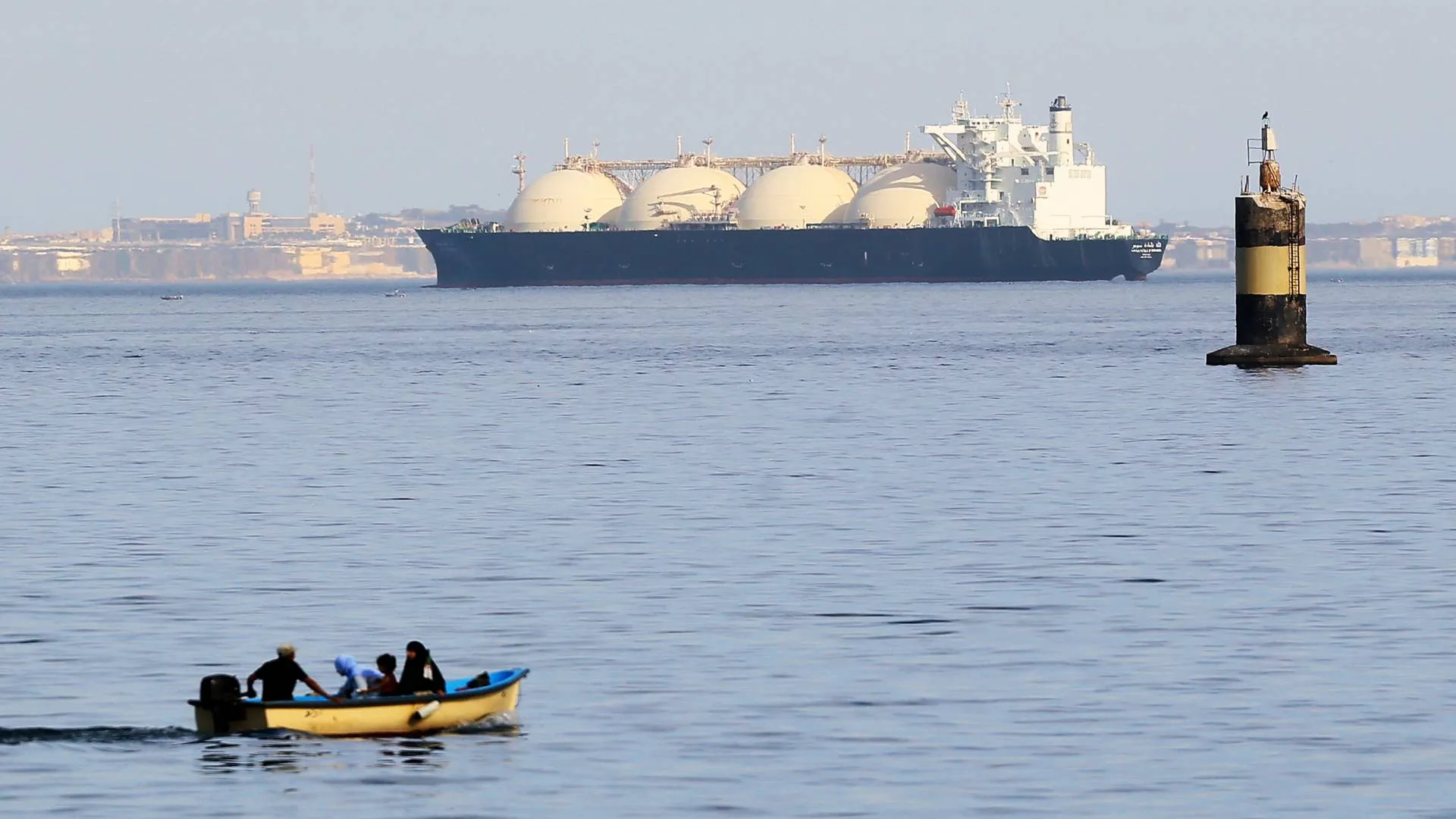
42.2 LNG vessels require dedicated security zone extending 300m during transfer operations.
43. Weather Monitoring
43.1 Real-time weather data available via port VHF broadcasts every 2 hours (JMA Cooperative Observation System).
43.2 Typhoon warning signals displayed at port entrance (red flags by day/red lights by night).
44. Wastewater Discharge
44.1 Gray water discharge prohibited within port limits (Seto Inland Sea Special Protection Area Designation).
44.2 Holding tank capacity must exceed voyage requirements by 20% for passenger vessels.
45. Historical Preservation Zones
45.1 No-dredging areas established around underwater archaeological sites (Cultural Properties Protection Law).
45.2 Special maneuvering restrictions apply near traditional fishing weirs (Local Cultural Heritage Protection Ordinance).
46. Vessel Sanitation and Pest Control
46.1 Mandatory pre-arrival ship sanitation inspection for vessels from declared plague areas (Quarantine Act Article 6).
46.2 Fumigation certificates must be valid for entire port stay (Japan Plant Protection Law).
47. Special Navigation Equipment
47.1 Vessels over 20,000 GT must have operational dual ECDIS systems (Japan Navigation Safety Law).
47.2 AIS Class A transponders required for all commercial vessels (Japan Vessel Traffic Law).
48. Port Labor Regulations
48.1 Mandatory rest periods enforced for stevedores (2 hours after 6 continuous working hours).
48.2 Ship’s crew prohibited from cargo operations without port work permits (Labor Standards Act).
49. Dangerous Weather Procedures
49.1 Typhoon warning stage 3: All gantry cranes must be secured in parking position.
49.2 Winter storm protocol: Gangways must be lifted when winds exceed 25 knots.
50. Special Cargo Storage
50.1 Refrigerated containers must have backup power connection available.
50.2 Explosives storage magazines maintain 50m separation from other facilities.
51. Vessel Dimension Limits
51.1 Maximum beam restriction of 45m at all berths (Port Infrastructure Specifications).
51.2 Air draft limit of 55m in main channel (Seto Inland Sea Bridge Clearances).
52. Emergency Response Equipment
52.1 Oil spill response trailers stationed at 500m intervals along main quay.
52.2 Emergency breathing apparatus required for enclosed space entry (SOLAS XI-1/7).
53. Port Entry Restrictions
53.1 Vessels with overdue class certificates denied entry (Port State Control Procedures).
53.2 Ships carrying undeclared weapons subject to immediate detention (Customs Law).
54. Special Tidal Conditions
54.1 Spring tide currents may reach 4 knots in eastern approach channel.
54.2 Lowest astronomical tide (LAT) datum used for all depth measurements.
55. Security Drills
55.1 Mandatory ISPS security drills conducted quarterly with port authorities.
55.2 Unannounced security inspections may occur at any time (ISPS Code Japan).
56. Ballast Water Management
56.1 Mandatory ballast water exchange 200nm from nearest land for vessels without treatment systems (Japan BWM Regulations).
56.2 Ballast water reporting forms must be submitted 24 hours before arrival (Ministry of Environment Form BW-2024).
57. Port Entry Clearance
57.1 Advance Notice of Arrival (ANOA) required 72 hours prior to ETA for foreign vessels (Immigration Control Act).
57.2 Last 10 ports of call must be declared for quarantine inspection purposes (Quarantine Law Article 12).
58. Special Berthing Requirements
58.1 Vessels carrying radioactive materials require dedicated security zone during operations.
58.2 Livestock carriers must use designated quarantine berths with special waste containment.
59. Navigation in Restricted Visibility
59.1 Mandatory use of radar and sound signals when visibility drops below 1nm (Collision Prevention Law).
59.2 Vessel movement restrictions apply during fog with visibility below 500m (Port Safety Code).
60. Port Environmental Regulations
60.1 Strict prohibition on any discharge of bilge water within port limits (Water Pollution Control Law).
60.2 Vapor recovery systems required for loading volatile organic compounds (Air Pollution Control Law).
61. Special Cargo Handling Equipment
61.1 Certification required for all ship’s cranes used in port operations (Crane Safety Law).
61.2 Container spreaders must have current load test certificates visible during operations.
62. Vessel Maintenance in Port
62.1 Underwater cleaning prohibited without prior environmental approval (Marine Environment Protection Ordinance).
62.2 Stack emissions during funnel cleaning must be controlled (Air Quality Preservation Law).
63. Port Access Control
63.1 Biometric identification required for all shore personnel accessing restricted areas.
63.2 Visitor escorts mandatory for non-port personnel in operational zones.
64. Emergency Preparedness
64.1 Fire drill required within 24 hours of berthing for vessels staying over 48 hours.
64.2 Oil spill containment boom deployment capability must be demonstrated annually.
65. Special Maritime Traffic
65.1 Fishing vessel right-of-way applies in designated zones (Maritime Traffic Safety Law).
65.2 Ferries have priority in western channel during peak hours (06:00-08:30 and 16:00-18:30).
66. Port Communication Protocols
66.1 English language proficiency required for bridge team during port operations (IMO Resolution A.918(22)).
66.2 Emergency broadcasts will be repeated in Japanese, English and Chinese (Port Emergency Manual Section 4.5).
67. Vessel Stability Requirements
67.1 Stability calculations must be available for inspection during cargo operations (SOLAS Chapter VI).
67.2 Maximum list of 3 degrees permitted during loading/unloading (Port Operations Safety Standard).
68. Specialized Cargo Handling
68.1 Project cargo requires pre-approved stowage and securing plans (Japan Cargo Securing Code).
68.2 Temperature-sensitive pharmaceuticals must use dedicated refrigerated storage areas.
69. Port Utility Connections
69.1 Shore power connections mandatory for vessels staying over 12 hours (Air Pollution Control Ordinance).
69.2 Potable water connections meet WHO standards with monthly testing certification required.
70. Vessel Inspection Regime
70.1 Random Port State Control inspections target vessels over 15 years old (Tokyo MOU Criteria).
70.2 Class survey overdue vessels subject to operational restrictions (Maritime Safety Law).
71. Navigation Aid Maintenance
71.1 Immediate reporting required for any malfunctioning port navigation aids (IALA Recommendation).
71.2 Private AIS transmitters prohibited without port authority approval (Radio Law Japan).
72. Hazardous Area Operations
72.1 Hot work permits require gas-free certification within 15m radius (NFPA 306 Standards).
72.2 Explosion-proof equipment mandatory in designated hazardous zones (IECEx Certification).
73. Port Community System
73.1 Mandatory electronic submission of cargo manifests via JP-CIS system (Customs Ordinance).
73.2 Real-time berth availability accessible through port web portal (Port Operations Directive).
74. Vessel Speed Monitoring
74.1 Automated speed recording in port approaches (VTS Monitoring System).
74.2 Excessive speed (over 10 knots) in port approaches subject to fines (Port Traffic Regulations).
75. Special Crew Requirements
75.1 Deck officers must complete port-specific orientation training (Port Safety Committee Rule).
75.2 Minimum bridge manning of 2 officers during port stay (Japan Maritime Safety Law).
76. Port Security Measures
76.1 Mandatory security sweeps required every 24 hours for vessels at berth (ISPS Code Part A).
76.2 Restricted area access controlled by biometric verification (Port Facility Security Plan).
77. Dangerous Goods Handling
77.1 Class 1 explosives require dedicated security escort during transport (IMDG Code Japan Supplement).
77.2 Radioactive materials must be stored in approved shielded containers (Nuclear Safety Regulations).
78. Vessel Traffic Services
78.1 Mandatory VHF channel 12 monitoring within port limits (Japan VTS Regulations).
78.2 Movement plans must be filed 2 hours before shifting berths (Port Operations Manual).
79. Port Environmental Monitoring
79.1 Continuous air quality monitoring at all cargo handling areas (Environmental Protection Law).
79.2 Water quality sampling conducted weekly at discharge points (Marine Pollution Prevention Act).
80. Special Operational Procedures
80.1 Night navigation in inner harbor requires additional pilot (Port Navigation Rules).
80.2 Simultaneous cargo operations restricted to two holds maximum (Port Safety Standards).
81. Port Facility Maintenance
81.1 Daily inspection of mooring bollards and fenders required (Port Infrastructure Code).
81.2 Emergency repair teams available 24/7 for critical port equipment (Port Services Agreement).
82. Vessel Documentation Requirements
82.1 Original insurance certificates must be available for inspection (Maritime Transport Law).
82.2 Crew lists must include passport numbers and visa status (Immigration Control Ordinance).
83. Special Weather Conditions
83.1 Typhoon warning level 2: All gantry cranes must cease operations (Port Emergency Plan).
83.2 Winter de-icing procedures mandatory for exposed stairways (Occupational Safety Rules).
84. Port Waste Management
84.1 Segregated waste receptacles provided at all berths (Waste Management Law).
84.2 Medical waste requires special red containers with biohazard labels (Health Ministry Regulations).
85. Navigation Equipment Standards
85.1 Radar performance must meet IMO Resolution MSC.192(79) standards.
85.2 Magnetic compass deviation records must be current (Navigation Safety Law).
86. Port Emergency Response
86.1 Emergency muster stations clearly marked with multilingual signage (SOLAS III/9).
86.2 Port-wide alarm system tested weekly at 1000 hours local time (Port Safety Directive).
87. Special Cargo Documentation
87.1 Phytosanitary certificates required for all agricultural imports (Plant Protection Law).
87.2 CITES permits mandatory for protected species shipments (Wildlife Conservation Act).
88. Vessel Mooring Standards
88.1 Minimum 8 mooring lines required for vessels over 200m LOA (OCIMF Guidelines).
88.2 Synthetic mooring ropes must have fire-resistant certification (Port Operations Standard).
89. Port Infrastructure Access
89.1 Overhead clearance of 15m maintained at all terminal access roads.
89.2 Maximum axle load of 12 tons for vehicles on quay aprons (Port Infrastructure Code).
90. Marine Pollution Prevention
90.1 Oily water separators must be tested monthly (MARPOL Annex I).
90.2 Prohibited discharge zone extends 12nm from port entrance (Environmental Protection Law).
91. Special Navigation Procedures
91.1 Tug escort mandatory for vessels exceeding 80,000 DWT (Port Navigation Rules).
91.2 Daylight transit only for vessels with dangerous goods (Hazardous Materials Transport Law).
92. Port Customs Procedures
92.1 Electronic customs declaration required 48 hours before arrival (Customs Law Article 6-2).
92.2 Bonded cargo areas under 24-hour CCTV surveillance (Customs Security Regulations).
93. Vessel Maintenance Regulations
93.1 Underwater hull cleaning prohibited without prior approval (Marine Environment Ordinance).
93.2 Stack emissions during funnel cleaning must meet PM2.5 standards (Air Quality Law).
94. Port Safety Equipment
94.1 Emergency showers required within 15m of chemical handling areas (OSHA Standards).
94.2 Lifebuoys with self-igniting lights spaced every 50m along quays (SOLAS III/34).
95. Special Maritime Zones
95.1 No-wake zones enforced within 500m of passenger terminals (Port Traffic Regulations).
95.2 Designated anchorage areas marked on Admiralty Chart JP-1256 (Maritime Safety Agency).
96. Port Lighting Requirements
96.1 Minimum illumination of 100 lux required at all cargo working areas (ISO 8995-1:2013).
96.2 Navigation channel markers equipped with LED lights (IALA Recommendation G-1014).
97. Vessel Bunkering Procedures
97.1 Fuel sampling required before and after bunkering operations (ISO 13739:2020).
97.2 Dedicated safety officer must supervise all bunkering activities (Port Safety Code).
98. Special Passenger Handling
98.1 Cruise ships must provide advance passenger manifests (Immigration Control Law).
98.2 Disabled passenger access ramps required at all terminals (Accessibility Standards).
99. Port Cybersecurity Measures
99.1 Mandatory network segmentation for operational technology systems (NIST SP 800-82).
99.2 Monthly vulnerability scans required for all port IT infrastructure (Cybersecurity Law).
100. Vessel Draft Monitoring
100.1 Real-time draft monitoring required during cargo operations (Load Line Convention).
100.2 Maximum permissible squat calculated for each vessel (Port Hydrodynamic Study).
101. Port Noise Regulations
101.1 Nighttime operations (2200-0600) limited to 65 dB(A) (Environmental Noise Law).
101.2 Vessels must use shore power when available to reduce engine noise (Green Port Policy).
102. Special Anchorage Rules
102.1 Anchoring prohibited in cable areas marked on nautical charts (Telecommunications Law).
102.2 Emergency anchoring procedures require immediate VTS notification (Port Regulations).
103. Port Fire Safety
103.1 Fire hydrants tested quarterly with minimum 5 bar pressure (Fire Service Law).
103.2 Foam fire suppression systems required for oil terminals (NFPA 11 Standard).
104. Vessel Crew Welfare
104.1 Shore leave facilities available within port security perimeter (MLC 2006).
104.2 Mandatory rest periods enforced between cargo watches (STCW Regulations).
105. Port Meteorological Services
105.1 Real-time weather data available on VHF channel 16 (Port Information Service).
105.2 Gale warnings trigger additional mooring inspections (Port Safety Procedures).
106. Port Ice Navigation
106.1 Icebreaker escort mandatory when sea ice exceeds 30cm thickness (Arctic Navigation Code).
106.2 Special hull reinforcement certification required for winter operations (Class NK Guidelines).
107. Hazardous Weather Protocols
107.1 Tropical storm warning: All gantry cranes must be secured in parked position (Typhoon Preparedness Manual).
107.2 Tsunami alert: Vessels must immediately depart to deep water (Disaster Prevention Act).
108. Specialized Cargo Storage
108.1 Controlled atmosphere warehouses available for perishable goods (Food Sanitation Law).
108.2 Explosives magazines located minimum 500m from other facilities (Dangerous Goods Ordinance).
109. Port Communication Infrastructure
109.1 Redundant fiber optic network connects all operational areas (Critical Infrastructure Standard).
109.2 Emergency satellite communication terminals at all security posts (Disaster Recovery Plan).
110. Vessel Hull Inspection
110.1 Ultrasonic thickness measurements required every 5 years (Class Survey Requirements).
110.2 Biofouling management plan must be submitted before arrival (IMO Biofouling Guidelines).
111. Port Energy Management
111.1 Shore power facilities compatible with 6.6kV/60Hz systems (IEC/ISO/IEEE 80005-1).
111.2 Solar panels installed on all port administration buildings (Renewable Energy Policy).
112. Special Marine Operations
112.1 Diving operations require 500m safety zone (Commercial Diving Regulations).
112.2 Heavy lift operations must have calculated stability booklet (Lifting Operations Code).
113. Port Data Management
113.1 All operational data retained for minimum 5 years (Data Protection Law).
113.2 Real-time cargo tracking through RFID system (Smart Port Initiative).
114. Vessel Sanitation
114.1 Medical waste incinerator available for ship disposal needs (WHO Standards).
114.2 Potable water testing certificates required weekly (Drinking Water Quality Law).
115. Port Wildlife Protection
115.1 Seasonal speed restrictions to protect migratory whales (Marine Mammal Protection Act).
115.2 Bird deterrent systems installed at grain terminals (Wildlife Conservation Policy).