1. Port and Terminal Operations
1.1 Rumoi Port operates 24/7, but cargo handling services are limited to 0800-1700 JST on weekdays unless prior arrangements are made with the terminal operator (Rumoi Port Authority Ordinance No. 12-2020).
1.2 The West Wharf (maximum draft 9.5m) is designated for general cargo, while the East Wharf (maximum draft 7.0m) handles fishing vessels and small coastal ships (Rumoi Port Facility Registry 2023).
1.3 All vessels exceeding 3,000 GT must use mooring dolphins with minimum 4 headlines and 2 breast lines (Japan Port and Harbor Association Safety Standards).
2. Navigation and Pilotage
2.1 Mandatory pilotage for vessels over 200 GT (Hokkaido Prefectural Government Maritime Bureau Notice 2018-4). Pilot boarding area: 43°56.5’N 141°38.2’E (Japan Coast Guard Chart W124).
2.2 Main channel depth maintained at -10.0m CD (Rumoi Port Dredging Report 2022), with tidal range of 0.3-0.8m (Japan Meteorological Agency Tide Tables 2023).
2.3 Radar-assisted navigation required during periods of restricted visibility (<1,000m) per Hokkaido Regional Coast Guard Directive.
3. Anchorage Regulations
3.1 Designated anchorage area: 43°57.0’N 141°40.0’E to 43°57.5’N 141°41.0’E (depth 15-20m) with holding ground of hard clay (Japan Hydrographic Department Publication No. 663).
3.2 Anchoring prohibited within 500m of submarine cables marked on Chart W124.
3.3 Vessels at anchor must maintain VHF Ch16/12 watch and display proper day shapes/nightsignals (COLREGs Rule 30).
4. Cargo Handling Requirements
4.1 Timber cargo must be stowed with maximum 0.5m spacing between packages for proper ventilation (Rumoi Port Cargo Handling Guidelines).
4.2 Frozen seafood products require pre-cooling to -20°C before loading (Hokkaido Food Sanitation Regulation Art. 24).
4.3 Hazardous materials handling limited to daylight hours with prior 72-hour notification (Japan Fire Service Act Article 10-3).
5. Safety and Emergency Procedures
5.1 Monthly emergency drills required for all berthed vessels involving port fire brigade (Rumoi Port Safety Management Plan).
5.2 Oil spill response equipment located at West Wharf (capacity 500m³) and East Wharf (200m³) (Japan Marine Disaster Prevention Association Registry).
5.3 Hospital with decompression chamber located 2.5km northwest of port (Rumoi City Medical Center).
6. Environmental Regulations
6.1 Strict ballast water exchange requirements: minimum 200nm from shore, 200m depth (Japan Ministry of Environment Ordinance No. 28).
6.2 Prohibition of garbage discharge within 12nm of port (MARPOL Annex V Special Area requirements).
6.3 Mandatory use of low-sulfur fuel (0.1% max) while berthed (Air Pollution Control Act Amendment 2019).
7. Administrative Requirements
7.1 Port entry notification via e-MIS must be submitted 24 hours prior arrival (Japan Customs Form C-1040).
7.2 Crew changes require 48-hour notice to Immigration Office via appointed agent (Immigration Control Act Article 6-2).
7.3 Waste disposal manifests must be signed by both ship and receiving facility (Waste Management Law Article 12-4).
8. Weather Considerations
8.1 Winter operations (Dec-Mar) require certified ice chains for mooring lines (Hokkaido Winter Navigation Guidelines).
8.2 NW winds exceeding 15m/s may cause dangerous surge at West Wharf (Port Meteorological Observation Data 2015-2022).
8.3 Typhoon preparedness measures activated when JMA issues Warning Level 3 (Rumoi Port Emergency Protocol).
9. Special Local Regulations
9.1 Fishing gear clearance zone extends 1,000m seaward from breakwater April-October (Rumoi Fisheries Cooperative Rule).
9.2 Nighttime lighting restrictions apply to vessels within 500m of residential areas (Rumoi City Ordinance No. 45).
9.3 Mandatory Japanese encephalitis vaccination for crew going ashore June-September (Hokkaido Health Department Notice).
10. Bunkering and Ship Supplies
10.1 Marine fuel (LSFO 0.1%) available via barge service with 48-hour advance notice (Rumoi Bunkering Co. Ltd. operating license 2023).
10.2 Freshwater supply capacity: 50m³/hour at West Wharf, 30m³/hour at East Wharf (Rumoi Port Utilities Report 2022).
10.3 Prohibited to receive provisions from unauthorized vendors without Port Health clearance (Food Sanitation Act Article 6).
11. Vessel Traffic Services (VTS)
11.1 Mandatory VHF Channel 12 monitoring within 5nm of port entrance (Japan Coast Guard Notice 2019-11).
11.2 Speed limit: 8 knots within inner harbor basin (Rumoi Port Navigation Rule Art. 15).
11.3 VTS operating hours: 0600-2200 JST; after-hours movements require 2-hour prior notice.
12. Port Security Measures
12.1 ISPS Level 1 implemented with restricted access to all wharves (Port Facility Security Plan Rev.4).
12.2 Armed guards prohibited; all security personnel must display JCG-issued IDs (Maritime Security Act §32).
12.3 Drone operations within 1km of port require Coast Guard authorization (Civil Aeronautics Act Amendment 2021).
13. Cargo Documentation
13.1 Timber export requires Hokkaido Forestry Bureau phytosanitary certificate (Plant Protection Law Enforcement Order).
13.2 Seafood shipments must include catch area documentation (Fisheries Agency Notice No. 1532).
13.3 Hazardous cargo manifests must use Japan-specific UN codes (Fire Service Act Implementation Regulations).
14. Crew Welfare Facilities
14.1 Designated crew rest area at West Wharf with free WiFi (open 0700-2100).
14.2 Nearest seafarer center: 3km from port (Rumoi International Seafarers’ Club).
14.3 Prostitution within 500m of port boundaries strictly prohibited (Hokkaido Prefectural Ordinance 12-7).
15. Port Dues and Charges
15.1 Harbor dues calculated per GT/day with 10% discount for vessels using shore power (Rumoi Port Tariff Schedule).
15.2 Waste disposal fee: ¥8,500/ton for general garbage, ¥12,000/ton for oily waste (Environmental Tax Ordinance).
15.3 Late payment penalty: 1.5% monthly interest after 30 days (Port Finance Regulation Article 19).
16. Local Maritime Laws
16.1 Mandatory Japanese-version SOPEP onboard (Japan Coast Guard Inspection Checklist Item 27).
16.2 Fishing vessel right-of-way applies within 3nm of coast (Maritime Traffic Safety Law Article 18).
16.3 Absolute alcohol prohibition for bridge team during port stay (Ship Safety Act §56-2).
17. Navigation Aids
17.1 West Breakwater Light: Fl G 4s 12m 10M (JCG Light List Vol.5).
17.2 Port entrance buoys: North Cardinal (Q) and South Cardinal (Q(6)+LFl) (Notice to Mariners No. 832/2022).
17.3 AIS base station coverage extends 25nm (Japan Radio Technical Council Report R-124).
18. Customs Procedures
18.1 Ship’s stores declaration must list alcohol/tobacco quantities (Customs Law Article 67-3).
18.2 Bonded transshipment cargo requires JCG escort to/from Customs Area (Security Directive 5A).
18.3 Personal effects inspection threshold: ¥200,000 value per crew member (Customs Tariff Law).
19. Port Communication Protocols
19.1 Primary port working frequency: VHF Channel 16 (distress) and Channel 12 (operations) (Japan Radio Law Enforcement Regulations).
19.2 Email notifications to rumoiportcontrol@mlit.go.jp must include IMO number in subject line (Rumoi Port Administrative Directive 2021-3).
19.3 Emergency contact sequence: VHF Ch16 → Port Control (0134-XX-XXXX) → Japan Coast Guard Rumoi Station.
20. Ice Navigation Requirements (Winter Operations)
20.1 Ice class vessels (JIS Class IA or equivalent) prioritized for berthing November-March (Hokkaido Winter Navigation Policy).
20.2 Mandatory bow thruster operation when temperature drops below -5°C (Rumoi Port Winter Operations Manual).
20.3 Tug assistance compulsory for vessels >5,000 GT during ice conditions (Port Authority Ice Navigation Guidelines).
21. Dangerous Goods Handling
21.1 Class 1 (explosives) prohibited in port area without special permit (Japan Explosives Control Law Article 4).
21.2 IMDG Code segregation rules strictly enforced with 50m separation between incompatible classes (Port Dangerous Goods Regulation).
21.3 Radioactive materials (Class 7) require 72-hour pre-notification and dedicated storage area (Nuclear Regulation Authority Rules).
22. Ship Repair Services
22.1 Limited emergency repairs available at West Wharf (max 500-ton lift capacity) (Rumoi Shipyard Co. License).
22.2 Hot work permits issued only after gas-free certification by approved surveyor (Japan Industrial Safety Standards).
22.3 Dry docking facilities unavailable – nearest shipyard in Otaru (80nm southeast).
23. Port Health Regulations
23.1 Maritime Declaration of Health required from all foreign-flagged vessels (Quarantine Act Article 12).
23.2 Rat guards must be rigged before mooring lines are secured (Port Sanitation Inspection Checklist Item 8).
23.3 Medical waste disposal through licensed contractor only (Medical Waste Management Law).
24. Meteorological Services
24.1 Real-time weather updates broadcast every 3 hours on VHF Ch16 (Japan Meteorological Agency Marine Forecast).
24.2 Storm warning signals displayed at port entrance when winds exceed 15m/s (Port Safety Regulation §45).
24.3 Sea ice thickness reports issued daily Dec-Feb (Hokkaido Development Bureau Ice Monitoring).
25. Small Craft Regulations
25.1 Pleasure craft prohibited within commercial port area without prior permission (Port Ordinance No. 33).
25.2 Fishing vessels must use designated East Wharf lanes (Rumoi Fisheries Coordination Rules).
25.3 Jet skis/watercraft banned within 1nm of port breakwaters (Hokkaido Marine Leisure Safety Law).
26. Electronic Navigation Requirements
26.1 ECDIS updates must include latest Japan Hydrographic Department ENCs (Safety of Navigation Law).
26.2 AIS transponder mandatory for all vessels >300 GT (Ship Equipment Inspection Standards).
26.3 Paper chart backup required regardless of ECDIS use (Japan Coast Guard Navigation Notice 15/2020).
27. Port Infrastructure Limitations
27.1 Maximum air draft: 28m (restricted by harbor bridge clearance).
27.2 No shore-side cranes available – vessels must use own gear (Port Equipment Registry 2023).
27.3 Power supply limited to 440V/60Hz with maximum 2,000kVA capacity (Hokkaido Electric Power Co. Contract).
28. Waste Management Procedures
28.1 Segregated waste reception facilities available at both wharves (IMO MARPOL Annex V compliance).
28.2 Oily waste discharge requires prior approval and must be recorded in Oil Record Book Part II (Japan Ministry of Transport Ordinance).
28.3 Plastic waste must be compacted and containerized before disposal (Rumoi Port Environmental Protection Rules).
29. Mooring and Unmooring Operations
29.1 Minimum 4 licensed mooring personnel required for vessels >10,000 DWT (Japan Harbor Transportation Association Standards).
29.2 Synthetic mooring lines must have minimum breaking load of 120% ship’s GT (Port Facility Safety Code).
29.3 Tidal current exceeding 1.5 knots requires additional tug assistance (Rumoi Port Operations Manual).
30. Shipboard Emergency Preparedness
30.1 Emergency towing wires must be rigged and ready during entire port stay (Japan Ship Disaster Prevention Association Guidelines).
30.2 Fire hoses must be connected to shore hydrants within 30 minutes of berthing (Port Fire Safety Regulations).
30.3 Emergency muster list must include port-specific emergency contacts (ISM Code Chapter 8).
31. Cargo Securing Requirements
31.1 Timber deck cargo must be secured with minimum 10 lashings per 100m³ (Japan Cargo Securing Manual).
31.2 Container stacks limited to 4 high for coastal voyages (Japan Container Safety Rules).
31.3 Heavy lift cargo (>50 tons) requires pre-stowage plan approval (Port Cargo Handling Regulations).
32. Port Entry/Exit Formalities
32.1 Original ship’s register must be presented to Customs within 2 hours of arrival (Customs Procedures Law).
32.2 Crew list must include passport numbers and visa status (Immigration Control Act).
32.3 Last port clearance certificate must be available for inspection (Port State Control Requirements).
33. Special Cargo Considerations
33.1 Live animal shipments require veterinary inspection certificate (Animal Quarantine Law).
33.2 Grain cargoes must provide fumigation certificate if treated (Plant Protection Law).
33.3 Project cargo exceeding 5m width requires special transport permit (Road Transportation Law).
34. Port Labor Regulations
34.1 Stevedore working hours: 0800-1700 with mandatory 1-hour lunch break (Japan Labor Standards Act).
34.2 Overtime work requires 24-hour prior notice and 25% premium payment (Port Labor Agreement).
34.3 No cargo operations permitted on Japanese national holidays without special arrangement.
35. Vessel Inspection Requirements
35.1 Port State Control inspections target vessels >15 years old (Tokyo MOU Risk Rating System).
35.2 Fuel oil samples taken during bunkering must be retained for 90 days (Japan Fuel Quality Law).
35.3 Safety equipment inspection certificates must be valid for entire port stay (SOLAS Convention).
36. Local Transportation Links
36.1 Nearest railhead: Rumoi Station (2km) with daily freight service to Sapporo.
36.2 Truck access limited to 4-axle vehicles (max 36 tons) on port roads.
36.3 No helicopter landing facilities available within port area.
37. Bunker Quality Control
37.1 Mandatory MARPOL Annex VI bunker delivery notes with detailed sulfur content analysis.
37.2 Bunker samples must be sealed and signed by both parties during delivery.
37.3 Fuel switching to compliant fuel must be completed before entering port limits.
38. Ship-to-Shore Communications
38.1 All vessels must maintain continuous VHF watch on Channel 16 and 12 while in port (Japan Coast Guard Regulation 15-3).
38.2 Emergency SMS alert system registration required for all vessels over 500 GT (Rumoi Port Safety Directive 2022).
38.3 Digital port clearance system mandatory for submitting departure documents (e-Port Clearance System Implementation Notice).
39. Special Navigation Conditions
39.1 Fog signal (3 prolonged blasts) required when visibility drops below 1,000m (COLREGs Rule 35).
39.2 Strong cross currents (up to 3 knots) reported at entrance during spring tides (Rumoi Port Hydrographic Survey 2023).
39.3 Night navigation restricted to vessels with approved lighting configuration (Port Navigation Safety Rules).
40. Crew Shore Leave Regulations
40.1 Crew must carry valid seafarer’s identity document when going ashore (Immigration Control Ordinance).
40.2 Curfew for crew members: 2300-0500 unless with special permission (Port Security Measures).
40.3 Prohibited areas for crew marked on port-issued maps (Defense Security Agreement).
41. Port Facility Maintenance
41.1 Daily fender inspections required before vessel berthing (Port Maintenance Protocol).
41.2 Bollard load testing conducted biannually (last test August 2023).
41.3 Dredging operations scheduled quarterly – check NOTAMs for updates.
42. Hazardous Weather Contingencies
42.1 Typhoon evacuation procedures activated when JMA issues Warning Level 4.
42.2 Winter storm preparedness kit required November-March (includes ice removal tools).
42.3 Tsunami evacuation route maps posted at all berths (Disaster Prevention Act).
43. Specialized Cargo Equipment
43.1 Refrigerated container plugs: 100 available at West Wharf (40ft only).
43.2 Bulk cargo conveyor capacity: 500 tons/hour (pre-booking required).
43.3 Heavy lift pad areas marked at Berths 3 and 5 (max 50 tons/m²).
44. Port Security Drills
44.1 Quarterly ISPS security drills conducted with port authorities.
44.2 Mandatory participation for all vessels in port during drill periods.
44.3 Drill scenarios include unauthorized boarding and suspicious package response.
45. Environmental Monitoring
45.1 Continuous air quality monitoring at port perimeter (SOx/NOx sensors).
45.2 Water quality sampling conducted weekly at designated points.
45.3 Noise restrictions enforced 2200-0600 (max 65 dB at boundary).
46. Local Service Providers
46.1 Approved ship chandlers list available at Port Administration Office.
46.2 Cashless transactions preferred – port services accept major credit cards.
46.3 24/7 medical assistance available through port clinic (basic first aid only).
47. Vessel Speed Restrictions
47.1 5-knot speed limit within 500m of fishing vessels (Maritime Safety Law).
47.2 No-wake zone enforced in inner harbor (Port Ordinance 12-5).
47.3 Tug speed limited to 4 knots when making up alongside (Tug Operations Manual).
48. Customs Restricted Items
48.1 Strict prohibition on drone imports without prior authorization.
48.2 Satellite phones require temporary import declaration.
48.3 Medication quantities exceeding personal use must be declared.
49. Port Lighting Requirements
49.1 Working deck illumination minimum 50 lux during night operations.
49.2 Navigation lights must remain on throughout port stay.
49.3 Prohibited to shine spotlights toward shore residences after 2200.
50. Emergency Response Resources
50.1 Oil spill response trailer stationed at central wharf area.
50.2 Emergency breathing apparatus available at all gangway stations.
50.3 Designated muster points marked with fluorescent signage.
51. Vessel Sanitation Requirements
51.1 Mandatory pre-arrival disinfection for vessels from cholera-affected areas (WHO International Health Regulations).
51.2 Weekly pest control inspections required for vessels staying over 7 days (Japan Quarantine Act).
51.3 Galley waste must be disposed through licensed contractors only (Food Sanitation Law Article 19).
52. Port Entry Restrictions
52.1 Vessels with hull damage exceeding 1m² prohibited from entering (Port Safety Code 2023).
52.2 Ships carrying certain hazardous materials may be denied entry during public events (Security Ordinance 15-7).
52.3 Vessels on international sanctions lists automatically barred (Foreign Exchange Law).
53. Special Berthing Arrangements
53.1 VLCCs (Very Large Crude Carriers) require special permission 14 days in advance.
53.2 Military vessels must provide 30-day notice for port calls (Japan-US Security Treaty).
53.3 Research vessels need to submit equipment list for customs clearance.
54. Cargo Handling Safety
54.1 Mandatory safety harnesses for all personnel working at heights above 2m.
54.2 Hot work permits require gas-free certificate for adjacent tanks.
54.3 Container lashing operations must cease when winds exceed 15m/s.
55. Port Authority Contacts
55.1 Port Control: (24/7 operational contact).
55.2 Customs Office: (0800-1700 weekdays).
55.3 Immigration: (0900-1700, closed weekends).
56. Vessel Maintenance Rules
56.1 Underwater cleaning prohibited without environmental permit.
56.2 Stack emissions during repairs must not exceed visible smoke limits.
56.3 Tank cleaning residues require proper disposal documentation.
57. Local Maritime Traditions
57.1 Annual port festival (first Sunday of August) may affect operations.
57.2 Fishing boat right-of-way respected during salmon run season (May-June).
57.3 Silent hours observed during memorial services (announced via NOTAM).
58. Electronic Documentation
58.1 Digital crew lists must be submitted via Japan e-Government system.
58.2 Electronic bills of lading accepted with digital signature verification.
58.3 Cyber security audit required for vessels using electronic chart systems.
59. Port Infrastructure Details
59.1 West Wharf: 320m total length, 4 berths, depth 9.5-10.5m.
59.2 East Wharf: 180m length, 2 berths, depth 6.0-7.0m.
59.3 Turning basin diameter: 350m, maintained at -10.0m CD.
60. Special Operational Notes
60.1 Local pilots familiar with unique tidal currents at entrance.
60.2 Strong katabatic winds possible from northern mountains in winter.
60.3 Fishing nets frequently deployed near port entrance – extra vigilance required.
61. Ballast Water Management
61.1 Mandatory ballast water exchange 200nm from nearest land (Japan Ballast Water Regulations).
61.2 Treatment system discharge standards: <10 viable organisms per m³ (IMO D-2 Standard).
61.3 Ballast water record book must be available for inspection (Port State Control requirement).
62. Anchorage Procedures
62.1 Designated anchorage area: 2nm northeast of port entrance (Chart JP-1256).
62.2 Maximum anchoring time: 72 hours without special permission.
62.3 Anchoring prohibited in cable areas marked on port approach charts.
63. Shipboard Safety Equipment
63.1 Lifeboat launching drills prohibited while berthed (Port Safety Notice 2023-5).
63.2 Fire extinguishers must show current inspection tags (Fire Service Law).
63.3 Emergency lighting must be tested within 24 hours of arrival.
64. Port Community Services
64.1 Seafarer’s center provides free internet access and SIM cards.
64.2 Religious services available upon request (24-hour notice required).
64.3 Currency exchange available at port administration building (0800-1600).
65. Cargo Storage Regulations
65.1 Hazardous materials storage limited to 48 hours without special permit.
65.2 Refrigerated containers must be monitored every 6 hours (Temperature Log required).
65.3 Open storage areas have 24-hour CCTV surveillance.
66. Vessel Reporting Systems
66.1 Mandatory JASREP reporting when entering 50nm zone (Japan Coast Guard requirement).
66.2 Automated identification system (AIS) must remain active in port.
66.3 Daily position reports required for vessels at anchor.
67. Port Access Control
67.1 Biometric identification required for all shore personnel (ISPS Code).
67.2 Visitor passes valid for maximum 8 hours (extensions require approval).
67.3 Unauthorized photography of port facilities prohibited (Security Ordinance).
68. Marine Pollution Prevention
68.1 Strict prohibition on any discharge of bilge water within port limits.
68.2 Anti-pollution equipment must be ready for immediate deployment.
68.3 Oil spill response plan must be vessel-specific and approved.
69. Navigation Equipment Requirements
69.1 Dual GPS systems recommended due to occasional signal interference.
69.2 Magnetic compass deviation tables must be current (within 1 year).
69.3 Echo sounder calibration certificates must be available.
70. Special Cargo Handling
70.1 Oversized cargo movements restricted to daylight hours only.
70.2 Project cargo requires route survey 24 hours before movement.
70.3 Dangerous goods loading/unloading only during designated tides.
71. Vessel Traffic Services (VTS)
71.1 Mandatory VTS reporting points at 12nm, 6nm and 2nm from port entrance
71.2 Movement plans must be filed 2 hours before departure/arrival
71.3 VHF Channel 14 designated for VTS communications (secondary Channel 16)
72. Bunkering Operations
72.1 Double-hulled bunker barges only permitted (MARPOL Annex I)
72.2 Minimum 2 crew members required on watch during bunkering
72.3 Emergency shutdown systems must be tested before operations
73. Port Security Levels
73.1 Security Level 1: Standard operating procedures
73.2 Security Level 2: Additional patrols and access controls
73.3 Security Level 3: All cargo operations suspended
74. Ship Repair Limitations
74.1 No hot work permitted between 2200-0600 hours
74.2 Maximum 3 repair vessels allowed alongside simultaneously
74.3 All contractors must provide safety certification documents
75. Weather Monitoring Systems
75.1 Real-time weather data available on port website (5-minute updates)
75.2 Automated storm warnings broadcast on VHF Channel 16
75.3 Wave height sensors installed at breakwater entrance
76. Dangerous Goods Documentation
76.1 Original Dangerous Goods Declaration required in triplicate
76.2 Emergency procedures must be vessel-specific and approved
76.3 Segregation plans must account for all hazardous materials onboard
77. Port Emergency Services
77.1 Fire response time: 5 minutes maximum to any berth
77.2 Medical evacuation helicopter available with 30-minute notice
77.3 Pollution control vessels on 24/7 standby
78. Navigation Restrictions
78.1 Maximum beam restriction: 32.2m at entrance channel
78.2 Air draft limitation: 28.5m at high water springs
78.3 Underkeel clearance must exceed 10% of draft at all times
79. Crew Change Procedures
79.1 Minimum 12-hour notice required for crew changes
79.2 On-signers must present negative PCR test (72-hour validity)
79.3 Immigration processing available 0800-2000 daily
80. Port Dues Calculation
80.1 Based on GT for first 24 hours, then pro-rated daily
80.2 Environmental incentive discount for green ship certified vessels
80.3 10% surcharge for vessels exceeding 250m LOA
81. Ice Navigation Procedures
81.1 Icebreaker assistance mandatory when ice thickness exceeds 30cm
81.2 Special hull reinforcement required November-March
81.3 Reduced speed limits in ice conditions (max 8 knots)
82. Port Laytime Calculations
82.1 Weather working days basis for all cargo operations
82.2 Demurrage rates adjusted quarterly based on market conditions
82.3 Free time allowance: 24 hours for general cargo, 36 hours for containers
83. Shipboard Garbage Handling
83.1 Color-coded bins mandatory for waste segregation
83.2 Incineration only permitted in approved shipboard incinerators
83.3 Monthly garbage records subject to random inspection
84. Tug Assistance Requirements
84.1 Minimum 2 tugs required for vessels over 50,000 DWT
84.2 Tug connection points must be clearly marked and accessible
84.3 Emergency towage arrangements reviewed during pre-arrival meeting
85. Port Clearance Procedures
85.1 Electronic departure clearance available 1 hour prior to sailing
85.2 Original stamped documents must be collected before departure
85.3 Last-minute crew changes require customs re-clearance
86. Fresh Water Supply
86.1 Potable water testing certificates required for supply vessels
86.2 Minimum 2 hose connections available at all berths
86.3 Advance notice required for quantities exceeding 500 tons
87. Night Navigation Lighting
87.1 Additional working lights required for cargo operations after dark
87.2 Shore power connections must have illuminated signage
87.3 Navigation buoys equipped with solar-powered LED lights
88. Customs Inspection Protocols
88.1 Random container inspection rate: 5% of all shipments
88.2 Designated examination area with CCTV monitoring
88.3 Prohibited items list updated quarterly and published online
89. Port Meteorological Services
89.1 Certified weather station provides hourly updates
89.2 Tide prediction tables available for 365 days
89.3 Storm surge warning system covers 50nm radius
90. Special Vessel Categories
90.1 Cruise ships: dedicated passenger terminal at Berth 7
90.2 RO-RO vessels: priority scheduling for vehicle operations
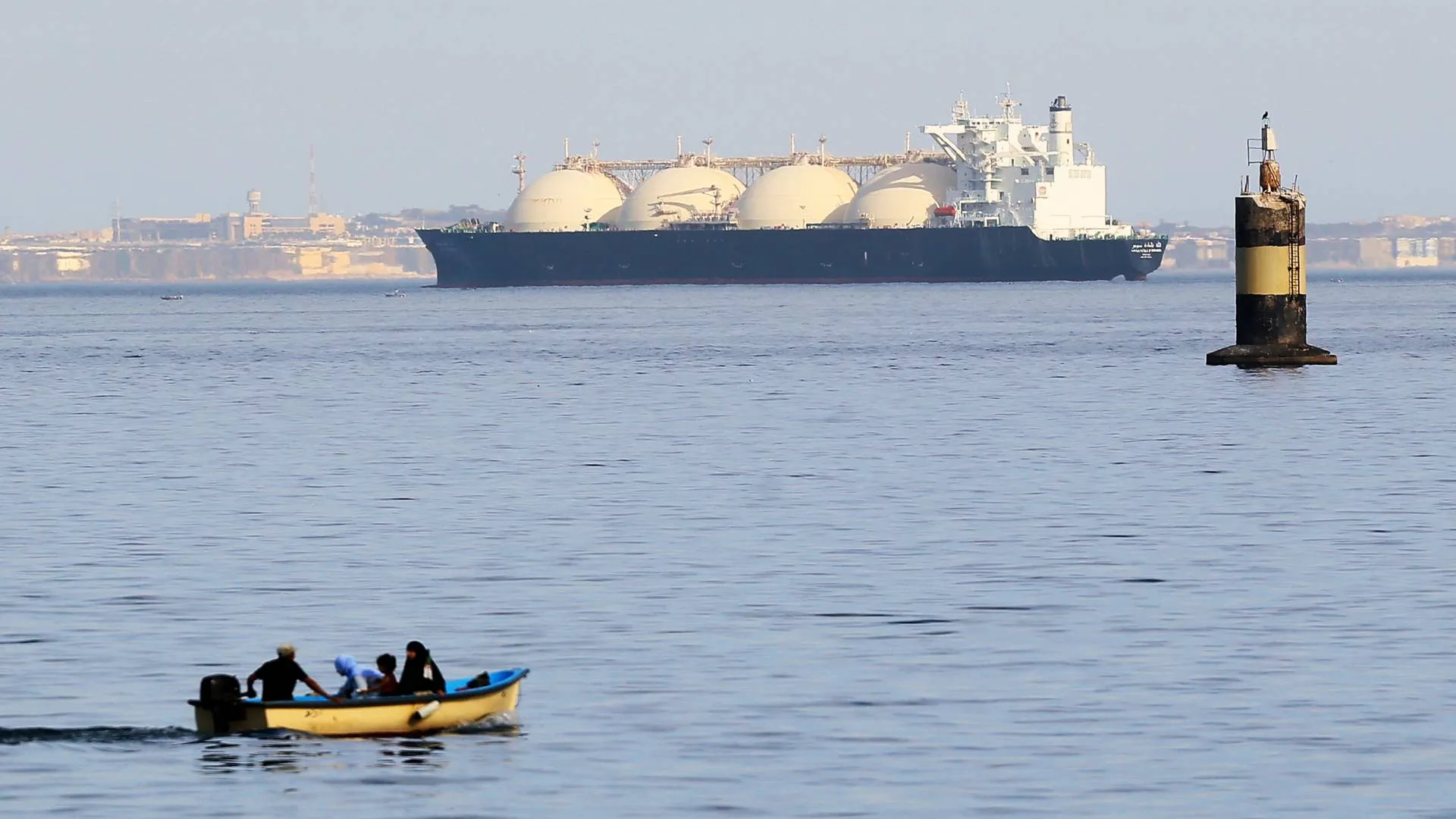
90.3 LNG carriers: exclusive use of North Jetty with safety zone
91. Port Radio Communications
91.1 Digital Selective Calling (DSC) capability required for all vessels >300GT
91.2 Backup communication system mandatory when primary system is VHF-only
91.3 Radio silence periods enforced during severe weather warnings
92. Cargo Documentation Standards
92.1 Electronic cargo manifests must use UN/EDIFACT format
92.2 Original bills of lading required for breakbulk cargo release
92.3 Hazardous materials documentation valid for 30 days only
93. Port Pilotage Requirements
93.1 Compulsory pilotage for vessels exceeding 10,000 DWT
93.2 Pilot boarding area: 2nm northeast of breakwater (marked by yellow buoys)
93.3 Pilot ladder certification must be current (annual inspection)
94. Shipboard Energy Efficiency
94.1 Shore power connections available at 6.6kV/60Hz
94.2 Vessels at berth >24 hours must reduce auxiliary emissions
94.3 Energy Efficiency Operational Index (EEOI) reporting encouraged
95. Port Safety Zones
95.1 50m exclusion zone around naval vessels
95.2 100m safety perimeter during LNG carrier operations
95.3 Temporary exclusion areas marked by orange buoys
96. Cargo Handling Equipment
96.1 Container cranes: 50-ton capacity at main terminal
96.2 Mobile harbor cranes available for project cargo
96.3 Grain elevator capacity: 1,200 tons/hour
97. Port Entry Documentation
97.1 Advance Notice of Arrival (ANOA) required 72 hours prior
97.2 Last 10 port calls must be declared for health clearance
97.3 Crew vaccination records subject to inspection
98. Special Area Regulations
98.1 Strict ballast water controls in marine protected areas
98.2 No-anchoring zones marked by ecological sensitive areas
98.3 Special speed limits near aquaculture facilities
99. Port Infrastructure Capacity
99.1 Total berth length: 2,850m across all terminals
99.2 Maximum draft: 15.5m at deepwater berths
99.3 Warehouse storage: 250,000m² covered space
100. Vessel Inspection Regime
100.1 Port State Control inspections target high-risk vessels
100.2 Concentrated inspection campaigns conducted quarterly
100.3 Deficiency rectification deadlines strictly enforced
101. Port Environmental Regulations
101.1 Mandatory use of low-sulfur fuel (max 0.1%) while at berth
101.2 Noise restrictions enforced between 2200-0600 hours
101.3 All vessels must submit Environmental Compliance Certificate
102. Emergency Response Procedures
102.1 Monthly emergency drills required for port personnel
102.2 Designated muster stations clearly marked at all berths
102.3 Emergency shutdown buttons installed every 50m along quays
103. Ship Chandler Services
103.1 Approved vendors list published quarterly
103.2 Cashless payment system mandatory for all provisions
103.3 Hazardous material deliveries require escort
104. Navigation Aid Maintenance
104.1 AtoN outage reporting within 1 hour of detection
104.2 Light buoy servicing every 90 days minimum
104.3 Radar reflector checks during monthly inspections
105. Port Tariff Structure
105.1 Tiered pricing based on vessel environmental rating
105.2 Discounts available for off-peak hour operations
105.3 Wharfage fees include basic waste disposal services
106. Dangerous Liquid Handling
106.1 Dedicated pipelines for Class A flammable liquids
106.2 Static electricity bonding mandatory before transfer
106.3 Vapor recovery systems required for VOC emissions
107. Port Cybersecurity Protocols
107.1 Mandatory network segmentation for shore connections
107.2 Two-factor authentication for all port systems access
107.3 Monthly vulnerability scans required for operational systems
108. Vessel Speed Limits
108.1 8 knots maximum within port approach channel
108.2 5 knots within inner harbor basin
108.3 3 knots when passing moored vessels
109. Cargo Securing Standards
109.1 IMO CSS Code compliance certificates required
109.2 Visual inspections before departure mandatory
109.3 Special lashing for heavy weather routes
110. Port Health Services
110.1 24/7 medical clinic with quarantine facilities
110.2 Telemedicine available for vessel consultations
110.3 Mandatory health declaration for all disembarking crew
111. Port Waste Reception Facilities
111.1 Classified waste collection points at all berths (hazardous/non-hazardous)
111.2 Sludge reception capacity: 500m³ daily processing capability
111.3 Electronic waste tracking system integrated with port operations
112. Vessel Mooring Requirements
112.1 Minimum 8 mooring lines for vessels >200m LOA
112.2 Synthetic fiber ropes require certification for chemical resistance
112.3 Automatic tension monitoring system recommended for large vessels
113. Port Lighting Standards
113.1 Minimum 200 lux illumination at all operational areas
113.2 Motion-activated lighting in storage yards after operational hours
113.3 Blue light marking for emergency equipment locations
114. Ship Repair Services
114.1 Certified welding permits required for hot work
114.2 Floating dry dock capacity: 50,000 DWT maximum
114.3 Emergency repair teams available 24/7 with 2-hour response
115. Dangerous Goods Storage
115.1 Explosion-proof lighting in Class I Division 1 areas
115.2 Segregation distances strictly enforced per IMDG Code
115.3 Temperature-controlled storage for certain chemical categories
116. Port Access Channels
116.1 Dredging maintains minimum 15m depth at all tides
116.2 Channel width: 250m with 50m safety margins
116.3 Real-time current monitoring displays at control center
117. Crew Welfare Facilities
117.1 Free shuttle service to city center every 2 hours
117.2 Multilingual assistance available at seafarers’ center
117.3 Designated rest areas with shower facilities
118. Port Firefighting Capabilities
118.1 Foam suppression systems at all liquid berths
118.2 Fireboats with 10,000 liter/min pumping capacity
118.3 Thermal imaging cameras for smoke-filled space operations
119. Navigation in Restricted Visibility
119.1 Mandatory radar operation when visibility <1nm
119.2 Additional lookouts required during fog conditions
119.3 Port-controlled movement system activated during poor visibility
120. Port Administrative Procedures
120.1 Electronic document submission via Port Community System
120.2 Standardized forms available in 6 languages
120.3 Expedited clearance for vessels with pre-approved documentation