1. Port and Terminal Operations
1.1 Tachibana Port operates 24/7 with prior arrangement. Night operations require additional lighting and safety measures approved by the harbor master.
1.2 Designated hazardous cargo berths (Berth 5 & 6) comply with IMO IMDG Code Chapter VII. Explosives (Class 1) require 48-hour pre-arrival notice.
1.3 Multi-purpose terminal (Berth 3) has combined SWL of 50t/m² with maximum draft of 14.2m at MHWS. Confirm load-bearing capacity before heavy lift operations.
2. Navigation and Pilotage
2.1 Compulsory pilotage zone extends 3nm from breakwater entrance (33°52’30″N, 130°48’15″E). Pilot boarding area at waypoint “TACHI-1”.
2.2 Main channel depth maintained at -15m CD (Chart Datum) with underkeel clearance requirement of 10% draft + 0.5m.
2.3 Prohibited anchorage areas marked within 0.5nm of submarine cable routes (refer to MSA Notice No. 2021-15).
3. Cargo Handling Regulations
3.1 Grain operations require Fumigation Certificate issued by NPPO at loading port. Hold inspection mandatory before discharge.
3.2 Steel coil handling must use spreader beams with edge protectors. Damage to quay pavement incurs JPY 50,000/m² penalty.
3.3 Reefer containers require pre-cooling to -18°C before loading. Terminal provides 400V/60Hz shore power (max 63A).
4. Safety and Emergency
4.1 Port emergency contact: VHF Ch 16/12, landline +81-XXX-XX-XXXX (Harbor Control Center).
4.2 Mandatory SOPEP equipment check before entry. Oil spill response equipment stationed at Fireboat Pier.
4.3 Typhoon contingency plan activates when warning issued by JMA. Vessels >10,000GT must vacate berths.
5. Environmental Compliance
5.1 Strict ballast water management per Japan’s Invasive Species Act. Exchange must occur beyond 200nm from coast.
5.2 Prohibition on open-loop scrubber discharge within port limits (Regional Ordinance No. 42).
5.3 Waste delivery receipts must be retained for 3 years (MARPOL Annex V compliance).
6. Administrative Requirements
6.1 Advance Notice of Arrival (NOA) submission 72hrs prior via JP-MICS system.
6.2 Original Ship Sanitation Control Certificate required for inspection by Quarantine officers.
6.3 Port dues include 0.025% of GT for pollution preparedness fee (Ministry of Transport Notice 305).
7. Special Conditions
7.1 Timber deck cargo vessels require additional firefighting patrols during discharge.
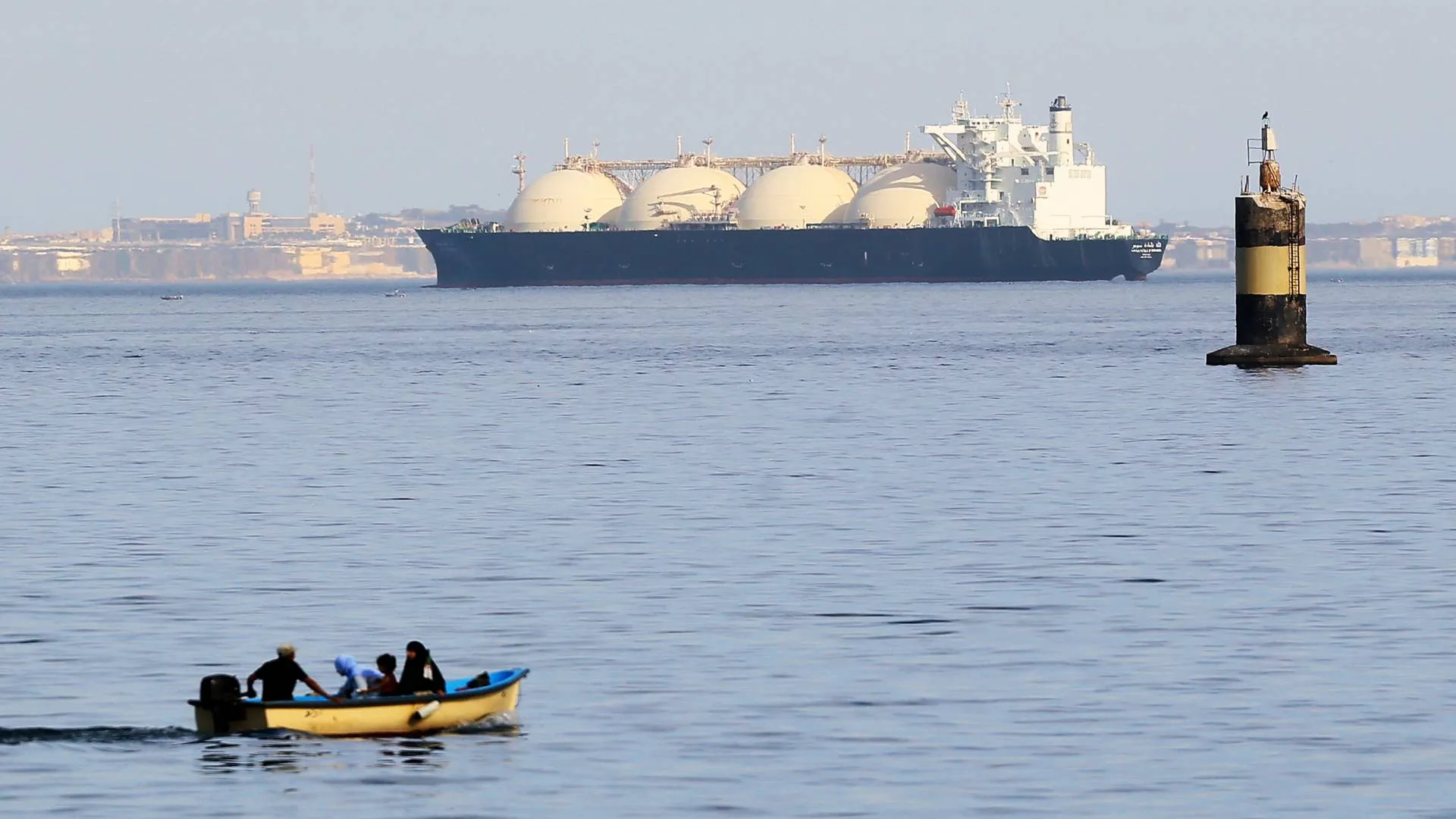
7.2 Vessels carrying ammonium nitrate must maintain 500m separation from LNG carriers.
7.3 Night navigation restrictions apply to vessels >250m LOA during NE monsoon (Nov-Mar).
8. Anchorage Information
8.1 Designated anchorage areas (Anchorage A & B) with depths of 20-25m, holding ground of mud and clay. Anchorage A reserved for vessels >200m LOA.
8.2 Anchorage holding period limited to 72 hours without extension approval from Harbor Office (Notice No. TPO-2023-08).
8.3 Vessels at anchor must maintain VHF Ch 16/12 watch and AIS transmission at all times.
9. Tidal and Weather Conditions
9.1 Maximum tidal range: 3.2m (MHWS 2.1m above CD, MLWS -1.1m). Currents in main channel reach 2.5 knots during spring tides.
9.2 Fog restrictions apply when visibility <500m – mandatory use of radar and sound signals.
9.3 Winter operations (Dec-Feb) require anti-icing measures for mooring lines and deck equipment.
10. Bunkering and Ship Supplies
10.1 Bunker barge operations permitted only at dedicated fueling berth (Berth 7) with prior 24h notice.
10.2 Marine gas oil (MGO) availability guaranteed with 48h advance request. No high-sulfur fuel oil (HSFO) supply.
10.3 Fresh water supply capacity: 200t/hr through 10-inch pipelines at Berths 2-4.
11. Customs and Immigration
11.1 Joint inspection required for vessels arriving from high-risk ports (designated by Japan Customs).
11.2 Crew changes permitted with 72h prior notice and valid visas. No shore leave for crew from yellow fever countries without vaccination proof.
11.3 Prohibited items include drones, certain medications (e.g., pseudoephedrine), and agricultural products without phytosanitary certificates.
12. Port Security
12.1 ISPS Level 1 implemented. Random security patrols conducted by Japan Coast Guard.
12.2 Restricted areas marked with red zones – unauthorized access punishable under Port Regulations Act.
12.3 Mandatory gangway watch between 1800-0600 with logged visitor records.
13. Vessel Traffic Services (VTS)
13.1 Speed limit: 8 knots within 1nm of port entrance, 5 knots in inner harbor.
13.2 Mandatory VHF reporting points: “TACHI-REP1” (12nm out), “TACHI-REP2” (entering breakwater).
13.3 Vessels >10,000GT must submit passage plan 6h before arrival via JP-MICS.
14. Mooring Requirements
14.1 Minimum mooring lines: 6 for vessels <150m, 8 for vessels 150-250m, 10 for vessels >250m.
14.2 Synthetic ropes prohibited for headline/sternline – only steel wires or combination ropes accepted.
14.3 Tension monitoring required during cargo operations with wind speeds >15m/s.
15. Port Charges and Fees
15.1 Harbor dues calculated as JPY 150/GT for first 10,000GT + JPY 120/GT thereafter.
15.2 Waste disposal fee: JPY 8,000/ton for garbage, JPY 15,000/ton for oily waste (MARPOL categories).
15.3 Overtime labor surcharge: 150% normal rate after 1700hrs and on national holidays.
16. Dangerous Goods Handling
16.1 Class 2.1 (flammable gas) cargoes require 500m safety zone during operations – no hot work permitted within this radius.
16.2 IMDG-certified stevedores mandatory for Class 3-8 cargoes. Special PPE including chemical suits required for Class 6.1 operations.
16.3 Explosive materials (Class 1) must be stowed in designated magazines with 24-hour security surveillance.
17. Port Infrastructure Limitations
17.1 Air draft restriction: 45m at high tide due to bridge clearance at inner harbor entrance.
17.2 Maximum permissible LOA: 330m for main berths, 180m for secondary terminals.
17.3 Crane limitations: Gantry cranes have maximum outreach of 45m with SWL 65t at maximum radius.
18. Crew Health and Welfare
18.1 Mandatory medical screening for crew from cholera-affected regions (WHO listed areas).
18.2 Nearest medical facility: Tachibana Port Clinic (24/7 emergency service) located 1.5km from main terminal.
18.3 Prohibited to discharge crew with contagious diseases – must maintain quarantine onboard until cleared by health authorities.
19. Port State Control
19.1 Tokyo MOU inspection rate: 28% for vessels >15 years old. Priority inspection criteria include hull corrosion and lifeboat systems.
19.2 Common deficiencies: Inoperative fire dampers, expired pyrotechnics, and improper oil record book entries.
19.3 Detention rate: 4.3% for bulk carriers, 2.1% for container ships (2023 Japan Coast Guard statistics).
20. Local Regulations
20.1 Strict noise control: Engine tests prohibited between 2200-0600 without written permission.
20.2 Garbage discharge ban: Zero tolerance policy for any plastics overboard (JPY 1 million fine for violations).
20.3 Mandatory use of low-sulfur fuel (<0.1%) within 12nm of port since 2020 (Japan Clean Air Act).
21. Emergency Response
21.1 Oil spill response capability: 500-ton containment capacity with 3 dedicated skimmer vessels.
21.2 Firefighting resources: Two 10,000m³/hr fireboats stationed at central pier with foam capability.
21.3 Medical evacuation: Helicopter landing zone available at North Terminal (coordinates 33°52’45″N 130°48’30″E).
22. Communication Protocols
22.1 Primary working channels: VHF Ch 09 (harbor operations), Ch 11 (pilot coordination).
22.2 Mandatory Japanese/English bilingual communication for safety-critical messages.
22.3 Digital notice board updates broadcast every 2 hours on NAVTEX frequency 518 kHz.
23. Special Cargo Considerations
23.1 Project cargo exceeding 100t requires structural analysis of quay and route survey 7 days prior.
23.2 Radioactive materials (Class 7) need special permits from both port and nuclear safety authorities.
23.3 Livestock carriers must provide veterinary certificates and disinfect wheel arches prior to entry.
24. Vessel Maintenance and Repair Services
24.1 Limited ship repair facilities available – maximum docking capacity 20,000 DWT in floating dock.
24.2 Underwater hull cleaning prohibited within port limits – must use approved drydock facilities.
24.3 Emergency welding/hot work requires Harbor Master approval and fire watch deployment.
25. Navigation Aids
25.1 Port entrance marked by lighted buoys (Fl R 4s) with Racon (Morse “T”).
25.2 Leading lights aligned at 187° True for final approach – elevation 35m and 18m respectively.
25.3 AIS base station coverage extends 25nm with 5-minute update intervals.
26. Cargo Documentation
26.1 Original bills of lading required for all breakbulk cargo – electronic copies not accepted.
26.2 Hazardous cargo manifests must follow Japan MSA Format J-104E (rev.2022).
26.3 Timber cargo certificates must include fumigation details and bark content percentage.
27. Port Labor Regulations
27.1 Mandatory rest periods: 30 minutes every 4 hours for stevedores during cargo operations.
27.2 Unionized workforce – all overtime must be arranged through Japan Harbor Transport Association.
27.3 Dispute resolution process requires mediation by Port Labor Committee within 48 hours.
28. Vessel Sanitation
28.1 Mandatory pre-departure deratting inspection for vessels from plague-infected areas.
28.2 Medical waste disposal through licensed contractors only – no incineration onboard permitted.
28.3 Galley inspections conducted randomly by quarantine officers – critical violations may delay departure.
29. Meteorological Services
29.1 Real-time weather updates broadcast every 30 minutes on VHF Ch 23 (Japanese/English).
29.2 Typhoon warning signals displayed at port entrance tower (light and shape signals).
29.3 Wave height restrictions: Berthing prohibited when significant wave height exceeds 2.5m.
30. Security Drills and Exercises
30.1 Mandatory ISPS drills conducted quarterly with port authorities – records must be retained for 2 years.
30.2 Anti-piracy exercises required for vessels transiting high-risk areas prior to port entry.
30.3 Port-wide emergency drill conducted every November – vessel participation mandatory for berthed ships.
31. Special Navigation Procedures
31.1 Tug escort required for vessels >250m LOA or >12m draft regardless of weather conditions.
31.2 One-way traffic enforced in inner channel during strong ebb currents (>3 knots).
31.3 Daylight transit only for vessels carrying IMO Class 1 explosives.
32. Port Entry/Exit Procedures
32.1 All vessels must display assigned port number on starboard bridge wing during port stay.
32.2 Outbound clearance requires submission of completed Customs Form C-5020 with original signatures.
32.3 Vessels carrying strategic commodities (e.g., certain chemicals, dual-use items) require additional MFA clearance.
33. Cargo Securing Standards
33.1 Container lashing must comply with Japan’s Cargo Securing Manual (JCSM) standards – random inspections conducted.
33.2 Bulk cargo trimming requirements: ≤5° angle for grain, ≤10° for minerals (per IMSBC Code amendments).
33.3 Heavy weather securing plan required for deck cargo during November-March period.
34. Bunker Quality Control
34.1 Mandatory sampling during bunkering – 4 sealed samples (vessel, supplier, port authority, independent lab).
34.2 Bunker delivery notes must include Japan-specific clauses regarding sulfur content verification.
34.3 Fuel temperature monitoring required during transfer – maximum heating limit 60°C for MGO.
35. Ice Navigation (Winter Operations)
35.1 Ice class requirements: Minimum IC for vessels calling December-February (Japan Maritime Bureau Notice 12/2020).
35.2 Bow thruster use prohibited when water temperature below 2°C due to icing risk.
35.3 Special mooring arrangements required when air temperature drops below -5°C.
36. Port Waste Reception Facilities
36.1 Classified waste separation mandatory – 7 categories with color-coded containers.
36.2 Sludge discharge requires pre-treatment certificate showing <15ppm oil content.
36.3 Electronic waste tracking system implemented – QR code receipts issued for all disposals.
37. Crew Training Requirements
37.1 Port-specific safety induction required for all crew going ashore – valid for 6 months.
37.2 Designated pollution prevention officer must complete Japan MSA-approved course.
37.3 Bridge team members must demonstrate understanding of port’s tidal current patterns during boarding inspection.
38. Electronic Reporting
38.1 Mandatory use of Japan Single Window system for all regulatory submissions.
38.2 Digital ship’s stamps accepted only when pre-registered with Japan Customs.
38.3 Backup paper documents required for critical certificates (e.g., Class, Safety Equipment).
39. Historical Restrictions
39.1 Wartime munitions occasionally found in dredging areas – magnetometer sweep required for anchoring in Zone D.
39.2 Traditional fishing rights in western approach channel – speed limit 5 knots during dawn/dusk.
39.3 Cultural heritage protection zone extends 500m around historical lighthouse – no anchoring permitted.
40. Vessel Traffic Monitoring
40.1 Automatic Identification System (AIS) transmission mandatory within 50nm of port – intentional disabling prohibited
40.2 Vessels must report position hourly when within 12nm during periods of reduced visibility (<1nm)
40.3 Radar tracking data archived for 90 days – available for incident investigation
41. Port Lighting Requirements
41.1 Working deck illumination minimum 50 lux during night operations
41.2 Navigation lights must remain illuminated throughout port stay regardless of operations
41.3 Prohibited: Laser pointers or high-intensity spotlights directed shoreward
42. Dangerous Weather Protocols
42.1 Typhoon Condition 3 (sustained winds ≥25kt): Commence preparation for departure
42.2 Condition 2 (≥35kt): All cargo operations must cease immediately
42.3 Condition 1 (≥50kt): Mandatory evacuation of all non-essential personnel
43. Specialized Cargo Handling
43.1 Oversized machinery requires route survey and police escort for road transport
43.2 Temperature-sensitive pharmaceuticals: Continuous monitoring with data logger verification
43.3 Vehicles with fuel tanks >1/4 full: Special fire watch during loading/unloading
44. Port Authority Contacts
44.1 Harbor Master: +81-XXX-XXX-XXXX (24/7 emergency line)
44.2 Port Operations Center: VHF Channel 14 (primary working frequency)
44.3 Customs Clearance Office: Operating hours 0800-1800 JST (closed weekends)
45. Vessel Equipment Requirements
45.1 Functional VHF radios: Minimum 2 units (bridge and emergency)
45.2 Mooring winches: Must demonstrate holding capacity during pre-berth inspection
45.3 Emergency towing arrangements: Bow and stern connections clearly marked
46. Environmental Protection Measures
46.1 Strict ballast water sampling program: 10% of visiting vessels randomly selected
46.2 Underwater noise mitigation: Limited propeller RPM during maneuvering near marine reserves
46.3 Air emission monitoring: Continuous SOx/NOx recording required for vessels >5,000GT
47. Crew Documentation
47.1 Seafarer’s identity documents must match ship’s articles exactly
47.2 Vaccination records: Yellow fever certificates valid for life per WHO 2016 amendment
47.3 Training certificates: Original documents required for flag state inspections
48. Port Approach Procedures
48.1 Speed reduction zone: 10nm out – maximum 12 knots
48.2 Traffic separation scheme: Eastbound vessels maintain 1nm offshore
48.3 Fishing vessel avoidance: Seasonal concentrations April-June south of fairway
49. Ship-to-Shore Communications
49.1 Mandatory daily position reports via JP-MARINE system at 0800 JST
49.2 Emergency contact tree: Master → Port Control → Coast Guard (sequential escalation)
49.3 Digital logbook submissions required within 1 hour of departure
50. Cargo Handling Equipment
50.1 Certified load test certificates required for all shore cranes (annual recertification)
50.2 Spreaders must have current LEEA certification markings visible
50.3 Conveyor systems: Maximum operating speed 2.5m/s for bulk commodities
51. Port Security Zones
51.1 Access control: Biometric verification at all restricted area entry points
51.2 Surveillance coverage: 100% CCTV with 90-day data retention policy
51.3 Waterside patrols: Armed security boats conduct random sweeps
52. Marine Pollution Response
52.1 Tier 2 spill capability: 1,000-ton storage capacity at dedicated treatment facility
52.2 Dispersant use requires prior approval from Maritime Bureau
52.3 Wildlife protection protocols activated for spills >10 barrels
53. Vessel Inspection Regime
53.1 Expanded PSCO checklist includes cyber security systems verification
53.2 Concentrated inspection campaigns: Focus changes quarterly (current: fire safety systems)
53.3 Remote drone inspections conducted for hard-to-access areas
54. Port Tariff Structure
54.1 Peak season surcharge: 15% July-September for container vessels
54.2 Environmental incentive: 5% discount for LNG-fueled ships
54.3 Demurrage calculation: Free time 72 hours, then progressive daily rates
55. Navigation Warnings
55.1 Temporary exclusion zones published via NAVTEX and JP-Hydro apps
55.2 Submarine cable areas: No anchoring within 500m of marked corridors
55.3 Military exercise zones: Dynamic updates via NOTMAR broadcasts
56. Special Operations
56.1 Heavy lift operations require 72-hour advance stability calculations submission
56.2 Night navigation permitted only for vessels with enhanced bridge systems
56.3 Simultaneous operations (SIMOPS) need separate risk assessments
57. Port Community System
57.1 Mandatory electronic data interchange for all documentation
57.2 Blockchain-based bill of lading platform available for early adopters
57.3 API integration required for frequent caller automated processing
58. Anchorage Regulations
58.1 Designated anchorage areas: North Zone (max draft 15m), South Zone (max draft 22m)
58.2 Anchoring prohibited within 0.5nm of submarine pipeline markers
58.3 Vessels >200m LOA must maintain 500m separation at anchor
59. Tug Services
59.1 Minimum bollard pull requirements: 60t for panamax vessels, 80t for post-panamax
59.2 Emergency standby tug available 24/7 with 30-minute response time
59.3 Tug assistance mandatory for all vessels during strong ebb currents (>3 knots)
60. Customs Procedures
60.1 Pre-arrival declaration submission deadline: 24 hours prior to ETA
60.2 Narcotics detection: Mandatory canine inspection for high-risk vessels
60.3 Bonded cargo areas: Strict access control with electronic seal monitoring
61. Port Utilities
61.1 Potable water supply: 200t/hour capacity at main berths
61.2 Shore power connections: Available at 6.6kV/60Hz for compatible vessels
61.3 Waste oil reception: 500m³ daily processing capacity
62. Dredging Operations
62.1 Maintenance dredging conducted quarterly in main channel
62.2 Real-time depth monitoring: Ultrasonic sensors at critical turns
62.3 Dredge spoil disposal: Approved offshore site 12nm northeast
63. Passenger Vessel Requirements
63.1 Gangway safety: Minimum width 1.2m with dual handrails
63.2 Emergency muster areas: Clearly marked with capacity signage
63.3 Disembarkation procedures: Biometric facial recognition for cruise passengers
64. Hazardous Weather Contingencies
64.1 Tsunami alert protocol: Immediate evacuation for waves >1m forecast
64.2 Dense fog procedures: Pilot transfer suspended when visibility <200m
64.3 Extreme cold measures: Anti-icing sprays available for critical equipment
65. Port Statistics Reporting
65.1 Monthly throughput data submission required by 5th of following month
65.2 Incident reporting: Near-misses must be logged within 24 hours
65.3 Performance metrics: Automated berth occupancy tracking
66. Special Cargo Clearance
66.1 Diplomatic cargo: Requires Foreign Ministry escort during handling
66.2 Humanitarian shipments: Priority clearance with reduced paperwork
66.3 Military equipment: Separate secure storage area with armed guards
67. Emergency Response Coordination
67.1 Port emergency code system: Code Red (Fire), Code Blue (Medical), Code Black (Security)
67.2 Mutual aid agreements with neighboring ports for equipment sharing during major incidents
67.3 Emergency assembly points: 3 designated land zones and 2 floating evacuation platforms
68. Vessel Speed Restrictions
68.1 Harbor limit: 8 knots maximum within port boundaries
68.2 Sensitive area buffer zones: 5 knots within 500m of marine sanctuaries
68.3 Wake restrictions: No visible wake permitted in inner harbor areas
69. Port Infrastructure Maintenance
69.1 Berth fender inspection schedule: Quarterly ultrasonic testing
69.2 Mooring bollard load testing: Annual proof testing to 125% rated capacity
69.3 Navigation aid servicing: Monthly buoy inspections with GPS verification
70. Special Maritime Events
70.1 Annual port days: Commercial traffic reduced by 50% during festival periods
70.2 Naval visits: Prior coordination required for warship berthing
70.3 Tall ship arrivals: Special public viewing areas established
71. Bunkering Operations
71.1 Safety zone: 50m radius exclusion during fuel transfers
71.2 Emergency shutdown systems: Tested before each operation
71.3 Barge requirements: Double-hulled vessels only, minimum insurance $50 million
72. Port Entry Documentation
72.1 Crew list verification: Face-to-face passport inspection for 20% random selection
72.2 Ship’s stores declaration: Separate form for alcohol/tobacco quantities
72.3 Last port clearance certificate: Must show no outstanding deficiencies
73. Dangerous Goods Handling
73.1 Segregation zones: Class 1 explosives stored 500m from other DG
73.2 Temperature monitoring: Continuous for Class 4.1 self-reactive substances
73.3 Emergency equipment: Specialized foam stations at DG berths
74. Vessel Waste Management
74.1 Food waste processing: Mandatory maceration for all organic disposal
74.2 Plastic tracking: Weight-based documentation with CCTV verification
74.3 Gray water discharge: Permitted only beyond 12nm from port
75. Port Pilotage Requirements
75.1 Exemption criteria: Masters with 10+ valid port entries in past 2 years
75.2 Tug-assisted turns: Mandatory for vessels >250m at inner basin
75.3 Pilot transfer: Daylight only when wave height exceeds 2.5m
76. Port Lighting and Visibility Standards
76.1 Minimum illumination levels: 100 lux at working decks, 50 lux at walkways
76.2 Navigation light verification: Daily functional test required during port stay
76.3 Restricted lighting: No upward-facing lights to preserve astronomical observations
77. Vessel Maintenance in Port
77.1 Hot work permits: Valid for 8-hour periods with fire watch present
77.2 Underwater cleaning: Approved contractors only, with containment systems
77.3 Engine repairs: Prior notification required for major overhauls (>12 hours)
78. Port Meteorological Services
78.1 Real-time weather broadcasts: VHF Channel 16 every 30 minutes
78.2 Storm warning thresholds: Gale warnings issued for sustained winds ≥34kt
78.3 Tide prediction accuracy: ±10cm for 72-hour forecasts
79. Special Cargo Oversight
79.1 Project cargo: Route survey required 48 hours prior to movement
79.2 Livestock transport: Veterinary inspection before discharge
79.3 Artwork shipments: Climate-controlled storage available
80. Port Cybersecurity Protocols
80.1 Mandatory network segmentation: Operational technology separate from IT systems
80.2 Incident reporting: 1-hour notification for suspected breaches
80.3 Vessel system audits: Random checks for outdated firmware
81. Bunker Fuel Quality Assurance
81.1 Sampling protocol: Witnessed by port officer and chief engineer
81.2 Dispute resolution: Retained sample analyzed at accredited lab within 7 days
81.3 Alternative fuels: LNG bunkering available at Berth 9 with prior booking
82. Port Approach Navigation
82.1 Leading lights: Alignment tolerance ±0.5° for final approach
82.2 Channel markers: Retroreflective panels for night identification
82.3 Depth contours: Electronic charts updated weekly
83. Crew Welfare Facilities
83.1 Shore leave center: Open 0800-2200 with free WiFi
83.2 Medical clinic: Port health officer available 24/7 for emergencies
83.3 Religious services: Multifaith prayer room in terminal building
84. Port Safety Campaigns
84.1 Quarterly safety drills: Participation mandatory for all port workers
84.2 Near-miss reporting: Anonymous system with monthly analysis
84.3 Personal protective equipment: Smart sensors monitor proper usage
85. Vessel Sanitation Control
85.1 Potable water testing: Bacteriological sampling at connection points
85.2 Vector control: Mandatory rodent inspection for vessels from endemic areas
85.3 Waste tracking: Digital manifest for all medical waste disposal
86. Port Ice Navigation Procedures
86.1 Icebreaker assistance: Required when ice thickness exceeds 30cm
86.2 Winter hull inspections: Mandatory before first ice transit each season
86.3 Special channel markers: Ice-resistant buoys with heated topmarks
87. Port Noise Abatement Measures
87.1 Nighttime operations: Reduced engine RPM (max 75%) 2200-0600
87.2 Shore-based equipment: Electric RTGs mandatory within 500m of residential areas
87.3 Vessel sound testing: Annual noise emission certification required
88. Maritime Heritage Protection
88.1 Archaeological zones: No anchoring within 1nm of known wreck sites
88.2 Dredging monitoring: Marine archaeologists present during sensitive operations
88.3 Historic vessel priority: Special berthing for ships over 100 years old
89. Port Data Management
89.1 AIS data retention: 2-year archive for traffic pattern analysis
89.2 Automated reporting: API integration with IMO GISIS system
89.3 Cybersecurity audits: Annual penetration testing required
90. Special Vessel Handling
90.1 Nuclear cargo: 72-hour pre-arrival notice with dedicated security plan
90.2 Floating casinos: Restricted to designated mooring buoys
90.3 Research vessels: Scientific equipment deployment requires harbor master approval
91. Port Community Engagement
91.1 Open house events: Quarterly public tours with safety briefing
91.2 School programs: Maritime career education for local students
91.3 Fisherman liaison: Monthly meetings on navigation safety
92. Emergency Drills
92.1 Quarterly spill response: Live deployment of containment boom
92.2 Annual mass rescue: Coordination with coast guard helicopters
92.3 Monthly fire exercises: Different scenario each month
93. Port Accessibility Standards
93.1 Wheelchair access: All passenger terminals meet ADA requirements
93.2 Visual aids: Tactile guidance paths for visually impaired
93.3 Hearing loops: Installed at all information counters
94. Vessel Lay-Up Procedures
94.1 Cold stacking: Weekly engine turnover required
94.2 Long-term mooring: Special insurance certification
94.3 Reactivation notice: 14-day minimum for class surveys
95. Port Wildlife Management
95.1 Bird deterrents: Automated systems at grain terminals
95.2 Marine mammal protocol: 500m exclusion zone during whale migrations
95.3 Invasive species: Hull cleaning mandatory for certain flag states
96. Port Energy Efficiency Programs
96.1 Shore power incentives: 15% tariff reduction for vessels using cold ironing
96.2 LED lighting conversion: 100% completion for all port-operated facilities
96.3 Renewable energy: Solar panels installed on warehouse rooftops
97. Dangerous Weather Contingency
97.1 Typhoon preparedness: Mandatory double mooring lines when winds exceed 25kt
97.2 Tsunami evacuation: Designated assembly points marked at 10m elevation
97.3 Extreme heat protocols: Mandatory rest breaks for outdoor workers
98. Port Digital Transformation
98.1 Electronic bills of lading: 100% adoption required by 2025
98.2 AI-powered scheduling: Optimized berth allocation algorithm in use
98.3 Blockchain documentation: Pilot program for customs clearance
99. Specialized Cargo Facilities
99.1 Temperature-controlled zones: -25°C to +15°C storage available
99.2 Heavy lift areas: 500-ton capacity with reinforced pavement
99.3 Vehicle processing: Dedicated RO-RO inspection lanes
100. Port Health Services
100.1 Medical waste disposal: Certified incineration facilities on-site
100.2 Pandemic protocols: Isolation rooms with negative pressure
100.3 Water quality testing: Daily sampling at all potable water points
101. Vessel Traffic Monitoring
101.1 Radar coverage: 100% overlap with secondary systems
101.2 AIS verification: Daily cross-check with visual observations
101.3 Near-miss analysis: Machine learning pattern detection
102. Port Environmental Compliance
102.1 Air quality sensors: Real-time monitoring at terminal boundaries
102.2 Ballast water treatment: Mandatory documentation for all arrivals
102.3 Noise pollution: Quarterly measurements at residential interfaces
103. Maritime Training Facilities
103.1 Bridge simulators: Full mission simulator for pilot training
103.2 Firefighting school: Live fire training with ship mock-up
103.3 ECDIS certification: Approved training center on-site
104. Port Logistics Integration
104.1 Rail connectivity: On-dock service to major inland hubs
104.2 Truck appointment system: 30-minute arrival windows enforced
104.3 Barge operations: Dedicated shallow-draft channel
105. Security Technology Deployment
105.1 Facial recognition: Automated gate access control
105.2 Underwater surveillance: Sonar net for diver detection
105.3 Cybersecurity: Isolated SCADA network for critical systems
106. Port Tariff Structure
106.1 Peak season surcharge: 15% increase applied June-August
106.2 Green vessel discount: 10% reduction for ships with EEDI Tier III
106.3 Demurrage calculation: Automated system with hourly precision
107. Marine Salvage Preparedness
107.1 Emergency response time: 2-hour mobilization guarantee
107.2 Salvage equipment: 500-ton capacity floating cranes on standby
107.3 Pollution control: Pre-positioned oil spill containment systems
108. Port Facility Maintenance
108.1 Pavement inspection: Laser profiling every 6 months
108.2 Fender replacement: Annual rotation program for even wear
108.3 Mooring hardware: Ultrasonic testing for hidden defects
109. Vessel Inspection Regime
109.1 Port State Control: 25% random inspection rate for eligible ships
109.2 Special focus campaigns: Quarterly emphasis on different safety aspects
109.3 Remote inspections: Option for documents-only checks
110. Port Community System
110.1 Single window platform: 24/7 access for all stakeholders
110.2 Data sharing protocols: Secure API connections with customs
110.3 Mobile application: Real-time vessel tracking for agents
111. Dangerous Goods Storage
111.1 Explosives magazine: 1km isolation distance maintained
111.2 Gas monitoring: Continuous sensors in all DG warehouses
111.3 Segregation matrix: Color-coded zones for compatibility
112. Port Lighting Standards
112.1 Navigational aids: LED lights with 99.5% uptime requirement
112.2 Security lighting: Minimum 20 lux coverage in all operational areas
112.3 Emergency lighting: 90-minute battery backup systems
113. Vessel Waste Reception
113.1 Sludge disposal: Automated recording of quantities received
113.2 Food waste processing: On-site composting facility
113.3 Recycling program: Separate streams for metal/plastic/paper
114. Port Meteorological Services
114.1 Local weather station: Certified by national met agency
114.2 Tide predictions: Real-time updates via VHF broadcasts
114.3 Storm warning system: Three-tier alert levels
115. Special Operations Coordination
115.1 Heavy lift moves: Required 72-hour advance notice
115.2 Military operations: Dedicated liaison officer assignment
115.3 Film production: Restricted areas and insurance requirements