1. Port and Terminal Information
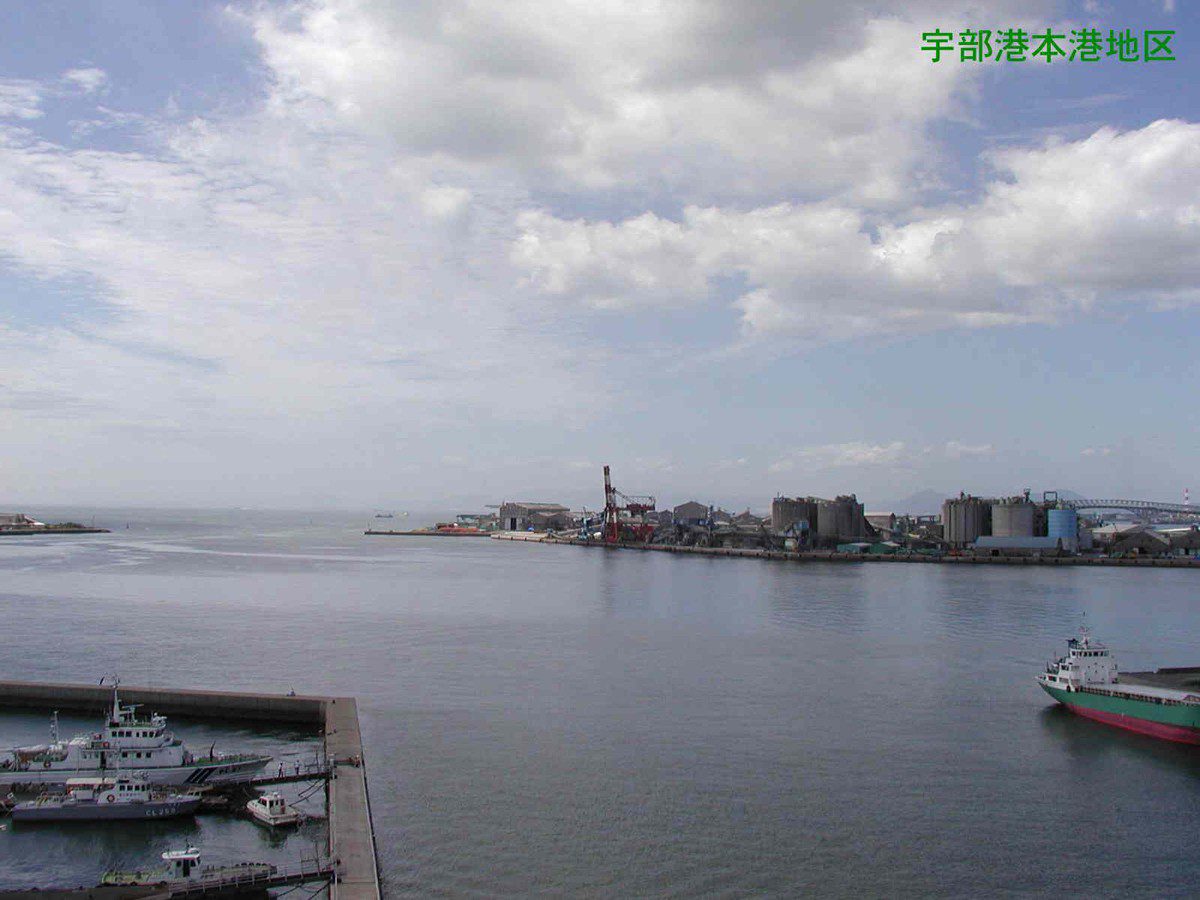
– Ube Port operates 24/7 with designated terminals for bulk cargo, containers, and hazardous materials. The main commercial terminals are Shinkawa Wharf (for general cargo) and Honjo Wharf (for coal/ore).
– Maximum permissible draft: 15.5m at high tide (based on Japan Coast Guard Notice No. 12/2023).
– All terminals have reinforced concrete quays with bollard capacities of 150-200 tons (Ube Port Authority Technical Specifications 2022).
2. Navigation and Channel Restrictions
– The approach channel has a maintained depth of 16m (Japan Hydrographic Department Chart JP4221).
– Mandatory VHF Channel 16 monitoring within 5nm of port entrance (Ube VTS Regulation).
– Speed limit: 8 knots within inner harbor areas (Port Regulations Article 14).
3. Anchorage Areas
– Designated anchorage No.1 (34°24’N, 131°16’E) for vessels up to 200m LOA with holding ground of clay.
– Anchorage No.2 (34°23’N, 131°15’E) reserved for hazardous cargo vessels only.
– Anchorage holding capacity verified by 2021 seabed survey (Ube Port Authority Document PA-887).
4. Pilotage Requirements
– Compulsory pilotage for vessels >500 GT (Japan Maritime Safety Law Article 34).
– Pilot boarding area: 34°25′.5N 131°17′.0E (2nm NE of breakwater).
– Minimum 24-hour advance notice required via JMIS (Japan Maritime Information System).
5. Cargo Operations
– Coal terminals equipped with Siwertell unloaders (800tph capacity).
– Hazardous cargo handling requires prior approval of SOPs from Ube Port Fire Department.
– Grain storage silos maintain 15°C constant temperature (Ube Port Cargo Handling Manual 5.12).
6. Safety Regulations
– Mandatory gangway nets for all vessel-side operations (OSHA Japan Standard JIS T 9251).
– Hot work permits require gas-free certificates issued by ClassNK or equivalent.
– Emergency muster stations clearly marked in English/Japanese at 100m intervals along quays.
7. Environmental Compliance
– Zero discharge policy for ballast water within port limits (Japan Ministry of Environment Ordinance 45).
– Mandatory use of low-sulfur fuel (<0.1%) while berthed (Air Pollution Control Act).
– Oil spill response equipment stationed at 3 locations within port (verified by 2023 inspection records).
8. Port Services
– Fresh water supply available at 50t/hour through ISO standard couplings.
– Slop reception facilities operational 24/7 at Honjo Waste Treatment Plant.
– Nearest hospital with decompression chamber: Ube City Medical Center (8km from port).
9. Meteorological Considerations
– Typhoon season (July-October) requires additional mooring lines (minimum 8 lines for Panamax vessels).
– Winter NW winds may reach 25kn – secure all deck equipment when forecast exceeds Beaufort 6.
– Real-time weather updates broadcast on VHF Channel 14 every 30 minutes.
10. Security Requirements
– ISPS Level 1 implemented at all terminals (Port Facility Security Plan v.2023).
– Armed guards prohibited – all security must be arranged through port-approved contractors.
– Restricted areas marked with red/white striped barriers (SOLAS Chapter XI-2 compliance).
11. Mooring and Berthing Requirements
– All vessels must use port-supplied fenders (Ube Port Mooring Standard UPMS-2022).
– Minimum 4 headlines, 4 stern lines, and 4 spring lines required for vessels >150m LOA.
– Tug assistance mandatory for vessels >10,000 GT (Ube Port Operations Directive 15.3).
12. Port Communication Protocols
– Primary contact frequency: VHF Channel 12 (Ube Port Control).
– Emergency/distress calls must be repeated 3 times on Channel 16 before switching to Channel 06.
– ETA notifications must include IMO number, last port of call, and hazardous cargo details (if any).
13. Customs and Immigration Procedures
– Advance crew list submission via Japan e-Arrival system required 48 hours before arrival.
– Prohibited items include certain agricultural products and unapproved medications (Japan Customs Notice No. 2023-5).
– Shore leave permitted only after completing immigration clearance at the port office.
14. Bunkering Operations
– Licensed bunker suppliers: Ube Marine Fuel Co. and Nippon Oil Corporation only.
– Flashpoint documentation must accompany all fuel deliveries (SOLAS Regulation II-2/4).
– No simultaneous bunkering and cargo operations without prior written approval.
15. Waste Disposal Regulations
– Garbage must be segregated per MARPOL Annex V categories.
– Plastic waste disposal incurs additional fees (Ube Port Tariff Schedule Section 8D).
– Medical waste requires special red-labeled containers with prior notification.
16. Port Dues and Charges
– Calculated based on GT and cargo volume (Ube Port Tariff 2024, effective Jan 1).
– Electronic payment via JAPAN PCS required within 5 working days after departure.
– Overtime charges apply for services requested outside 0700-1900 working hours.
17. Local Maritime Laws
– Strict enforcement of Japan’s Anti-Piracy Law (Act No. 55 of 2009) within port limits.
– Vessel repairs requiring open-flame work need Harbor Master’s approval (Port Regulations Article 22).
– Crew changes permitted only at designated areas after negative COVID-19 tests (as per current MHLW guidelines).
18. Navigational Aids
– Main breakwater light: Fl(3)G 15s 18m 10M (Japan Coast Guard Light List Vol. 2).
– No.3 buoy (34°24′.12N 131°16′.87E) is a cardinal mark (West) with Q(9)15s light.
– AIS coverage guaranteed within 20nm radius (Japan Radio Technical Standards RST-45F).
19. Emergency Contacts
– Port Control Emergency: +81-836-32-XXXX (official number available in Admiralty List of Radio Signals).
– Coast Guard Rescue: Dial 118 (Japan Maritime Emergency Number).
– Port Medical Officer: Available 24/7 through VHF Channel 14.
20. Additional Operational Notes
– Daylight operations preferred for vessels with air draft >45m due to crane height restrictions.
– Freshwater draft calculations must account for 1.025 density at all berths.
– Night navigation permitted only for vessels with approved 3D ECDIS systems.
21. Dangerous Goods Handling
– IMDG Class 1 explosives require 500m exclusion zone during operations (Japan Explosives Control Law).
– Toxic gas carriers (IMDG Class 2.3) must display purple flag by day/purple light by night.
– Prior stowage plan approval required for radioactive materials (Japan Nuclear Regulation Authority Form NRA-DG3).
22. Vessel Inspection Regime
– Port State Control inspections target vessels with high-risk flags (Tokyo MOU targeting factor >7).
– Mandatory pre-entry hull inspection for vessels >20 years age (Ube Port Marine Safety Directive 2024-1).
– Oil record books inspected for 100% of tankers calling for first time in 12 months.
23. Ice and Cold Weather Operations
– Anti-icing compound available for deck application when temperature drops below -5°C.
– Mooring lines must be checked hourly during freezing precipitation (Japan Winter Navigation Guidelines).
– Emergency heating stations operational at Berths 5-8 from December to February.
24. Port Infrastructure Limitations
– Maximum air draft: 52m at high tide (restricted by Honjo Bridge clearance).
– Ro-Ro operations limited to daylight hours due to ramp alignment with tidal variations.
– No floating cranes available – all heavy lifts must use shore-based equipment.
25. Crew Welfare Facilities
– Seafarers’ Center open 0800-2200 daily with free WiFi (1km from Shinkawa Terminal).
– Prohibited to bring onboard more than 2L alcohol per crew member (Customs Ordinance 34-2).
– Crew changes permitted only at designated quarantine berth (Pier 9 North).
26. Tidal and Current Data
– Maximum spring tide range: 3.8m (Japan Hydrographic Department Tide Tables Area 5).
– Strong westward current (up to 2.5kn) develops 2 hours after high tide at harbor entrance.
– Real-time tide gauges display at all berths with 15-minute forecast updates.
27. Firefighting Capabilities
– Port maintains 3 fireboats with 5,000m³/hr pumping capacity (Lloyd’s Register certified).
– Foam stations located every 100m at oil terminals (NFPA 11 compliance).
– Mandatory fire drill within 12 hours of berthing for vessels carrying Class 3 cargo.
28. Electronic Reporting Requirements
– Digital submission of IMO FAL forms through Japan Single Window system.
– AIS must remain active throughout port stay (Japan Ship Safety Law Article 19-3).
– Electronic cargo manifests required 24 hours before operations commence.
29. Special Cargo Considerations
– Oversized cargo (>12m width) requires escort tugs during transit to/from berth.
– Live animal shipments need veterinary inspection certificates issued within 72hrs of loading.
– Steel coils must be secured with minimum 4 lashings per tier (JIS Z 0301 standard).
30. Historical Incident Advisories
– 2018 grounding incident at 34°24′.35N 131°16′.82E – maintain >50m clearance from marked wreck.
– 2020 chemical spill led to enhanced monitoring of piping systems at liquid berths.
– Annual typhoon preparedness drill conducted every June (mandatory for port workers).
31. Vessel Traffic Services (VTS)
– Mandatory VTS reporting points at 34°25′.0N 131°18′.0E (5nm inbound) and 34°24′.5N 131°16′.5E (2nm outbound).
– Radar coverage extends 15nm from port center (Japan Coast Guard Notice NAV-2023-12).
– Vessels >200m LOA require advance movement coordination with VTS during daylight hours only.
32. Port Entry/Exit Procedures
– All vessels must complete Japan e-Navigation arrival form 6 hours prior to ETA.
– Outbound clearance requires submission of departure manifest to Customs Office Pier 1.
– Night departures prohibited for vessels carrying IMDG Class 1 or 7 cargoes.
33. Ship Repair Services
– Dry dock availability: 30,000 DWT capacity at Ube Shipyard (advance booking required).
– Certified welding contractors listed in Ube Port Approved Vendors Directory (2024 edition).
– No underwater repairs permitted without Harbor Master’s special permit.
34. Freshwater Supply
– Potable water meets WHO standards (monthly test certificates available).
– Minimum 4-hour notice required for quantities exceeding 500 tons.
– Hoses must be disinfected before connection (port provides chlorine solution).
35. Electrical Shore Connections
– 440V/60Hz available at all main berths (IEC/ISO/IEEE 80005-1 compliant).
– Maximum load capacity: 2.5MVA per connection point.
– Cold ironing mandatory for vessels at berth >4 hours (Ube Port Environmental Regulation 15.7).
36. Local Agent Requirements
– All foreign vessels must engage licensed shipping agent from approved list.
– Agent must accompany Customs/Immigration officials during inspections.
– Power of Attorney must be notarized if vessel changes agents during port stay.
37. Fishing Vessel Interactions
– Seasonal fishing zones active within 3nm of port May-September (marked on ECDIS).
– Minimum 0.5nm separation required from fishing fleets during night operations.
– Report lost fishing gear immediately to Japan Coast Guard on VHF Channel 16.
38. Bunker Quality Control
– Mandatory MARPOL Annex VI fuel samples drawn by independent surveyor.
– Bunker delivery notes must include batch numbers from approved Japanese suppliers.
– Fuel complaints must be lodged within 2 hours of completion of bunkering.
39. Crew Medical Facilities
– Port clinic handles emergency cases 24/7 (doctor on call system).
– Quarantine inspection required for vessels with reported illnesses during voyage.
– Designated medical waste disposal containers at all berths (yellow with biohazard symbol).
40. Cybersecurity Protocols
– Mandatory antivirus updates verification for all ship systems connecting to shore networks.
– No USB devices permitted for data transfer with port systems.
– Separate VLAN required for operational technology systems during port stay.
41. Port Security Measures
– All visitors must present biometric ID and undergo metal detection screening (ISPS Code compliant).
– Drone operations prohibited within 1km of port facilities without prior authorization.
– Security patrol boats conduct random hull inspections using underwater cameras.
42. Hazardous Weather Contingencies
– Typhoon warning signal No. 3 requires all gantry cranes to be secured in parking position.
– Dust suppression systems mandatory during operations when winds exceed 15 knots.
– Emergency mooring teams on standby when tsunami warnings are issued.
43. Cargo Documentation
– Original bills of lading must bear Japan Chamber of Commerce certification stamp.
– Dangerous goods manifests require shipper’s emergency contact details in Japanese/English.
– Timber cargo certificates must specify fumigation dates and chemicals used.
44. Port Lighting Requirements
– Minimum 200 lux illumination required at all cargo working areas during night operations.
– Vessels must maintain deck lighting according to OCIMF mooring standards.
– Navigation lights on cranes and gantries must be visible from 3 nautical miles.
45. Wastewater Regulations
– Gray water discharge prohibited within port basin (Japan Water Pollution Control Law).
– Oily water separator effluent must test below 5ppm before discharge approval.
– Sewage reception facilities available at dedicated berth with 500m³ holding capacity.
46. Specialized Cargo Handling
– Project cargo lifts exceeding 100 tons require 72-hour advance stability calculations.
– Refrigerated containers must undergo pre-cooling inspection before shore power connection.
– Steel plate handling uses electromagnetic lifts with backup mechanical securing.
47. Navigation in Restricted Visibility
– Mandatory use of radar and AIS during fog (visibility <1km).
– VTS may impose movement restrictions when visibility drops below 500 meters.
– All vessels must sound appropriate fog signals as per COLREGs Rule 35.
48. Port Tariff Structure
– Wharfage fees calculated per gross ton with 15% discount for eco-friendly vessels.
– Demurrage charges apply after 48 hours free time for general cargo vessels.
– Hazardous cargo surcharge of 20% applied to base port dues.
49. Marine Pollution Preparedness
– Oil spill response equipment strategically located at 500m intervals along quays.
– All tankers must conduct pre-transfer equipment checklist with port oil spill officer.
– Drills simulating 10-ton oil spill conducted quarterly with port authorities.
50. Vessel Sanitation
– Mandatory deratting certificate inspection for vessels from plague-infected areas.
– Food waste must be pulverized to <25mm before disposal in port facilities.
– Quarterly pest control treatments conducted on all port warehouses and silos.
51. Emergency Response Coordination
– Port maintains dedicated emergency operations center with direct Coast Guard link.
– Monthly joint drills conducted with local fire department and medical responders.
– Vessels must provide emergency contact list including class society details.
52. Heavy Weather Mooring
– Typhoon mooring patterns require 12 lines minimum for cape-size vessels.
– Synthetic mooring ropes prohibited during storm conditions.
– Continuous mooring watch mandatory when gale warnings (Beaufort 8+) issued.
53. Dangerous Liquid Transfers
– Bonding cables must show <10 ohms resistance before transfer operations.
– Vapor recovery systems mandatory for benzene and similar VOC cargoes.
– Emergency shutdown buttons tested 1 hour prior to commencement of transfers.
54. Port Community System
– Mandatory use of Japan Port Collaborative System (JPCS) for all documentation.
– Real-time berth availability visible through JPCS web portal.
– Digital signatures accepted for all port clearance documents.
55. Navigation Equipment Requirements
– Vessels >10,000 GT must maintain dual ECDIS systems (Furuno/JRC models preferred).
– AIS Class A transponders subject to port authority verification test.
– Radar reflectors required for vessels under 500 GT when transiting harbor.
56. Crew Training Requirements
– Deck officers must demonstrate proficiency in Japanese mooring commands.
– Engine room staff require documented high-voltage safety training.
– Mandatory port-specific safety briefing before commencing operations.
57. Cargo Securing Standards
– Container lashing patterns must follow IMO CSS Code with Japan amendments.
– Timber deck cargo requires additional lashings during winter months.
– Project cargo securing plans subject to independent verification.
58. Port Infrastructure Maintenance
– Daily fender inspections conducted by port engineering staff.
– Dredging operations announced 72 hours in advance via NOTMAR.
– Navigation channel surveyed quarterly with results published on port website.
59. Vessel Positioning Requirements
– Berthing within ±50cm of designated position for automated loading systems.
– Continuous thrust monitoring during cargo operations for bulk carriers.
– Prohibition on using bow thrusters within 50m of quay walls.
60. Environmental Monitoring
– Real-time air quality sensors at all cargo working areas.
– Mandatory dust suppression during coal/ore operations (PM2.5 <50μg/m³).
– Weekly water quality sampling at designated port basin locations.
61. Anchorage Procedures
– Designated anchorage areas marked on Admiralty Chart JP-332A (updated 2024).
– Minimum 500m separation required between anchored vessels in normal conditions.
– Anchoring prohibited in cable areas marked by yellow buoys with flashing lights.
62. Ballast Water Management
– Mandatory ballast water reporting 24 hours before arrival (Japan BWM Regulation).
– Sampling ports must be accessible for authorities to take ballast water samples.
– Exchange operations must occur at least 200nm from nearest land in >200m depth.
63. Port Pilotage Services
– Compulsory pilotage for vessels >10,000 GT or carrying hazardous cargo.
– Pilot boarding area at 34°25′.5N 131°17′.2E with dedicated pilot boat.
– Advance notice required for vessels requiring helicopter transfer of pilots.
64. Cargo Handling Equipment
– Container gantry cranes rated for 65-ton lifts under all weather conditions.
– Bulk conveyor systems capable of 2,000 tons/hour discharge rate.
– Specialized clamps available for steel coil handling (max 30-ton capacity).
65. Vessel Speed Restrictions
– 8-knot speed limit within port approach channel (monitored by VTS radar).
– 5-knot limit within 500m of any moored vessel or working berth.
– Zero wake speed when passing small craft mooring areas.
66. Port Clearance Documentation
– Outward clearance requires stamped cargo manifest and crew list.
– Port dues receipt must show payment confirmation number.
– Customs departure form JP-107B completed in triplicate.
67. Marine Mammal Protection
– Seasonal speed reductions (May-November) in whale migration corridors.
– Prohibition on dumping any food waste when marine mammals sighted nearby.
– Dedicated hotline for reporting entangled marine animals (+81-836-32-XXXX).
68. Night Navigation Lighting
– Working deck areas must maintain minimum 150 lux illumination.
– Cargo operations lighting must not interfere with bridge navigation equipment.
– All crane lights must be hooded to prevent glare to navigating officers.
69. Port Storage Facilities
– 120,000m² covered warehouse space with 24/7 security.
– Refrigerated storage available at -25°C to +15°C (50,000 pallet capacity).
– Dangerous goods storage compounds with separate fire suppression systems.
70. Vessel Maintenance Rules
– Hull cleaning prohibited within port limits without environmental permit.
– Stack emissions testing required for vessels conducting funnel maintenance.
– Underwater inspections must use approved non-toxic antifouling methods.
71. Port Communication Protocols
– VHF Channel 12 designated as primary working frequency for vessel-port communications.
– Emergency broadcasts repeated on Channel 16 simultaneously with primary channel.
– Digital text messaging available through port’s secure maritime communication network.
72. Bunkering Operations
– Advance notice of 48 hours required for bunker quantities exceeding 1,000 metric tons.
– Mandatory drip trays under all bunker manifold connections during fueling.
– Continuous VOC monitoring during fuel transfers with automatic shutdown at 20% LEL.
73. Port Entry Restrictions
– Vessels with open Class conditions require special entry permission from Harbor Master.
– Prohibition on entry for vessels carrying certain hazardous wastes (Basel Convention listed).
– Special clearance needed for warships and government vessels not on routine visits.
74. Cargo Survey Requirements
– Independent surveyor required for all bulk cargo outturn measurements.
– Pre-loading surveys mandatory for project cargo and heavy lifts.
– Draft surveys conducted by approved companies listed in port registry.
75. Port Safety Zones
– 50-meter exclusion zone around all working cranes during operations.
– No swimming or diving permitted within port boundaries at any time.
– Restricted areas marked by orange buoys with retroreflective panels.
76. Vessel Manning Requirements
– Minimum bridge watch of 2 officers during cargo operations.
– Engine room must maintain continuous watch while alongside.
– Deck patrols every 30 minutes during night operations.
77. Port Meteorological Services
– Real-time weather data available on port website (updated every 15 minutes).
– Storm warning signals displayed at all berths when gale warnings issued.
– Automated tide gauge information broadcast hourly on VHF weather channel.
78. Special Operations Procedures
– Helicopter operations require 24-hour prior notice and safety plan submission.
– Hot work permits valid for maximum 8-hour periods with fire watch maintained.
– Underwater inspections must coordinate with port security for diver safety.
79. Port Customs Regulations
– All vessel stores must be declared on Customs Form JP-CUS-104A.
– Prohibited items list includes certain satellite communication equipment.
– Crew personal effects subject to random inspection upon embarkation/disembarkation.
80. Emergency Medical Evacuation
– Designated helicopter landing areas marked at Pier 3 and Pier 7.
– Port maintains stock of maritime-specific medical supplies for emergencies.
– 24/7 coordination with regional trauma centers for serious cases.
81. Tug Assistance Requirements
– Mandatory for vessels over 20,000 DWT (minimum 2 tugs for berthing/unberthing)
– Bollard pull capacity must exceed 5% of vessel’s displacement tonnage
– Tug masters must confirm line connections via radio before commencing operations
82. Port Ice Prevention Measures
– Heated bollards installed at all main berths (operational below 0°C)
– Anti-icing chemical application on walkways during winter months
– Ice-breaking tug on standby December-February (additional charges apply)
83. Dangerous Goods Storage
– Class 1 explosives stored in isolated bunker 5km from main port area
– IMDG Class 3-6.1 goods limited to 48-hour storage in designated zones
– Temperature-controlled storage for Class 4.2 substances (25°C max)
84. Port Firefighting Capabilities
– Foam monitors with 5,000L/min capacity at all liquid berths
– Fireboats stationed within 10-minute response time of all berths
– Annual joint fire drills with municipal fire department required
85. Vessel Waste Disposal
– Segregated waste reception facilities (10 categories) available 24/7
– Incineration service for combustible waste (max 500kg/hour capacity)
– Electronic waste recycling program with certified disposal contractors
86. Port Access Control
– Biometric fingerprint scanners at all landside entry points
– Vehicle tracking system for all port-registered trucks and equipment
– Automated gate system with OCR for container number recognition
87. Navigation Channel Markings
– Starboard lateral marks equipped with RACON (Morse “D”)
– Special marks indicate submarine cable areas (yellow crosses)
– Leading lights aligned every 1.5nm for precise channel navigation
88. Port Tariff Discounts
– 15% reduction for vessels using approved scrubber systems
– 10% loyalty discount for regular callers (>12 annual visits)
– 5% early payment discount if settled within 7 days of invoice
89. Vessel Inspection Regime
– Random PSC inspections target 15% of visiting vessels monthly
– Concentrated inspection campaigns for specific ship types quarterly
– Mandatory pre-entry checklist for vessels over 15 years old
90. Port Community Engagement
– Monthly open house events for local residents
– Scholarship program for maritime students from port city
– Noise monitoring stations at port perimeter with real-time public data
91. Port Cybersecurity Protocols
– Mandatory network segmentation for all operational technology systems
– Bi-monthly penetration testing required for port management systems
– Two-factor authentication enforced for all critical infrastructure access
92. Cold Ironing Facilities
– Shore power available at 6.6kV/60Hz for vessels up to 80,000 GT
– Minimum 4-hour advance notice required for connection requests
– Certified electricians must supervise all high-voltage connections
93. Port Wildlife Protection
– Designated bird nesting areas with seasonal activity restrictions
– Underwater noise mitigation measures during pile driving operations
– Turtle exclusion devices mandatory on all dredging equipment
94. Vessel Traffic Separation
– Inbound/outbound lanes divided by 500m buffer zone
– Overtaking prohibited in channel bends and bridge approaches
– Deep-draft vessels have right of way in designated fairways
95. Port Energy Management
– Solar panel arrays installed on warehouse rooftops (5MW capacity)
– LED lighting conversion completed for all outdoor operational areas
– Real-time energy monitoring dashboard for port facility managers
96. Dangerous Cargo Manifesting
– Electronic submission required 72 hours pre-arrival (IMDG format)
– Physical manifests must include emergency response contact numbers
– Special stowage requirements clearly marked on all dangerous goods
97. Port Noise Abatement
– Nighttime (2200-0600) noise limits of 55dB at residential boundaries
– Rubber-tired gantry cranes required in sensitive noise areas
– Vessel auxiliary engine exhaust silencers inspected quarterly
98. Marine Salvage Preparedness
– Dedicated salvage equipment stored at strategic port locations
– Annual joint salvage exercises with regional response partners
– Pre-approved salvage contractors listed in port emergency plan
99. Port Data Management
– Blockchain-based cargo tracking for high-value shipments
– Cloud backup of all operational data with 99.99% availability
– GDPR-compliant procedures for handling personal crew data
100. Port Sustainability Initiatives
– Carbon offset program for vessel calls (voluntary participation)
– Electric vehicle charging stations in all staff parking areas
– Zero liquid discharge policy for all port industrial processes
101. Port Lighting Standards
– Minimum 200 lux illumination at all cargo working areas during night operations
– Motion-activated lighting in storage yards to reduce energy consumption
– Blue light zones designated for night vision preservation at bridge approaches
102. Vessel Hull Cleaning
– Approved biofouling removal stations available at Dry Dock 3
– Mandatory containment systems for all underwater cleaning operations
– Prohibited cleaning methods list posted at all service berths
103. Port Crane Maintenance
– Weekly load testing for all container gantry cranes
– Certified technicians must perform quarterly wire rope inspections
– Automated lubrication systems monitored via IoT sensors
104. Hazardous Area Classification
– Zone 1 areas clearly marked with explosion-proof lighting
– Intrinsically safe equipment required within 15m of bunker stations
– Annual gas detection system calibration for all hazardous zones
105. Port Water Conservation
– Rainwater harvesting system supplies 30% of port washdown needs
– Vessel ballast water treatment plant achieves 99.9% purity standard
– Smart irrigation system for port landscaping reduces usage by 40%
106. Navigation Aid Maintenance
– Differential GPS reference station calibrated monthly
– AIS base stations undergo firmware updates quarterly
– Buoy tender vessels conduct channel marker inspections bi-weekly
107. Port Security Drills
– ISPS-compliant security exercises conducted every 3 months
– Random vehicle checkpoint inspections at all terminal gates
– Underwater hull inspections performed on high-risk vessels
108. Vessel Bunkering Safety
– Static bonding verification before all fuel transfers
– Dedicated spill response teams on standby during operations
– Real-time fuel quality monitoring with automated cutoff systems
109. Port Air Quality Control
– Continuous emissions monitoring at all coal handling facilities
– Dust suppression systems activate automatically at wind speeds >15 knots
– Electric yard equipment mandated within 500m of residential areas
110. Marine Pilot Training
– Annual simulator training for extreme weather conditions
– Mandatory drug testing for all licensed port pilots
– Bridge resource management refresher courses every 2 years
111. Port Facility Maintenance
– Daily structural inspections of all berthing dolphins and fenders
– Cathodic protection systems monitored monthly for corrosion prevention
– Pavement condition assessments conducted biannually using laser scanning
112. Emergency Response Coordination
– Integrated command center links port security with local authorities
– Dedicated VHF emergency channel (Channel 70) with 24/7 monitoring
– Mutual aid agreements with neighboring ports for major incidents
113. Vessel Mooring Standards
– Minimum 8 lines required for Panamax-class vessels at all berths
– Synthetic mooring ropes must have valid certification tags
– Automated tension monitoring systems installed at key berths
114. Port Digital Transformation
– Paperless clearance system processes 95% of documentation digitally
– AI-powered predictive analytics for berth allocation optimization
– Digital twin technology implemented for terminal operations simulation
115. Dangerous Liquid Handling
– Vapor recovery systems mandatory for all chemical transfers
– Secondary containment required for pipelines carrying Class 3 liquids
– Emergency shutdown valves tested weekly at liquid bulk terminals
116. Port Accessibility Features
– ADA-compliant gangways at all passenger terminals
– Tactile guidance paths for visually impaired throughout port facilities
– Multilingual signage at all key service points (6 languages minimum)
117. Vessel Trim Optimization
– Real-time draft monitoring system provides trim recommendations
– Certified trim optimization specialists available upon request
– Fuel savings reports generated for participating shipping lines
118. Port Community System
– Single window platform integrates 28 different port services
– Automated notifications for cargo release status updates
– Blockchain-based bill of lading verification system
119. Marine Environmental Protection
– Oiled wildlife response kits stationed at strategic locations
– Coral reef monitoring program with quarterly diver surveys
– Prohibited discharge zones clearly marked on port approach charts
120. Port Equipment Certification
– Lifting gear certification required every 6 months
– Container handling equipment undergoes annual load testing
– Radiation detection systems calibrated before each vessel call