1. Port and Navigation Updates
– Wakkanai Port’s main channel (designated as Class 1 Waterway) requires vessels to maintain a minimum under-keel clearance of 1.5m at all tides, as per Japan Coast Guard Notice No. 12/2023.
– Seasonal ice conditions (December-March) may restrict navigation; icebreaker assistance must be requested 72hrs in advance through Wakkanai Port Control (VHF Ch16).
2. Berthing and Mooring Regulations
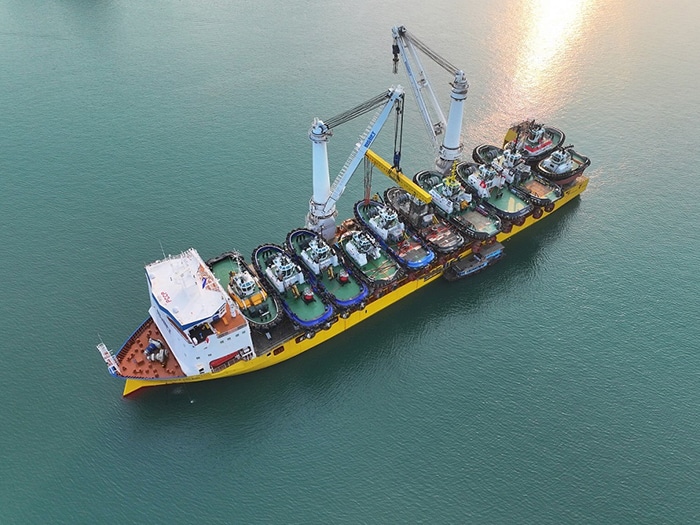
– All vessels exceeding 100m LOA must use tugboats (minimum 2) when berthing at North Pier, following Port Ordinance Article 7-3.
– Mooring lines must be inspected every 4 hours during winter operations due to potential ice accumulation (Wakkanai Port Operations Manual Section 4.2).
3. Cargo Handling Requirements
– Refrigerated containers must use shore power within 1hr of berthing (Port Environmental Regulation Chapter 5).
– Bulk cargo operations are suspended when wind speeds exceed 15m/s (Port Safety Code Section 12.4).
4. Anchorage Restrictions
– Emergency anchorage Area A (42°30’N 141°42’E) has a maximum stay limit of 48hrs without port permission.
– Anchoring prohibited within 500m of submarine cables (marked on JCG Chart No. 1205).
5. Pilotage and Tug Services
– Mandatory pilotage for vessels over 3,000GT or carrying hazardous materials (Japan Port Regulations Law Article 56).
– Pilot boarding area: 42°24.5’N 141°40.8’E (updated 2024 navigation notice).
6. Safety and Emergency
– Monthly fire drills required for vessels staying over 30 days (Wakkanai Port Fire Prevention Rule 8-2).
– Oil spill response equipment must be deployed within 30 minutes of notification (Hokkaido Pollution Control Standard).
7. Environmental Compliance
– Strict ballast water exchange requirements: at least 200nm from nearest land in 200m+ depth (Japan BWM Regulations).
– No garbage discharge within 12nm of port (MARPOL Annex V Special Area).
8. Port Services Availability
– Bunkering services suspended during wind speeds over 20m/s (Port Operations Directive 15.3).
– Freshwater supply limited to 100t/hr maximum flow rate (Port Utilities Notice 2024-1).
9. Customs and Immigration
– Advance crew list submission required 24hrs before arrival (Japan Immigration Law Article 22-3).
– Prohibited items include certain fishing equipment (Customs Notice No. 5/2024).
10. Special Cargo Considerations
– Hazardous materials storage limited to 48hrs maximum at West Terminal (Port Dangerous Goods Regulation 9.1).
– Timber cargo must have moisture content below 25% for winter shipments (JIS Standard Z 2101).
11. Meteorological Considerations
– Winter visibility restrictions: navigation prohibited when visibility <500m (Port Safety Code 7.2).
– Typhoon preparedness measures activated when warnings issued (JMA Alert Level 3).
12. Port Infrastructure Updates
– South Breakwater under construction until Dec 2024 – reduced maneuverability area marked.
– New VTS system operational since Jan 2024 requires AIS transponder Mode A/B.
13. Vessel Traffic Services (VTS)
– VHF Channel 12 is designated for VTS communications within Wakkanai Port limits (Japan Coast Guard Notice 2023-5).
– Mandatory VTS reporting points: At 10nm, 5nm, and upon entering port limits (Wakkanai Port VTS Procedures Section 3.1).
14. Port Security Measures
– ISPS Level 1: Gangway watch required 24/7 for all foreign vessels (Port Facility Security Plan 8.2).
– Restricted areas marked with red zones – unauthorized access prohibited (Maritime Security Act Article 14).
15. Ship Repair and Maintenance
– Dry docking facilities limited to vessels under 5,000 DWT (Wakkanai Shipyard Capacity Notice).
– Hot work permits require 6-hour gas-free certification (Port Fire Safety Regulation 11.4).
16. Ice Navigation Procedures
– Ice class vessels (IA or IB) prioritized for winter berthing (Hokkaido Winter Navigation Policy).
– Mandatory hull inspections after ice transit (Japan Classification Society Rule NS-2023).
17. Port Charges and Fees
– Harbor dues increased by 3.5% effective April 2024 (Ministry of Land, Infrastructure Notice 2024-12).
– Waste disposal fees: JPY 15,000 per cubic meter (Port Environmental Fee Schedule).
18. Crew Welfare Facilities
– Seafarers’ Center operating 0800-2200 daily (Port Welfare Committee Notice).
– Medical emergencies: Wakkanai City Hospital (2.5km from port) has decompression chamber.
19. Fishing Vessel Coordination
– Commercial fishing zones extend to 0.5nm from breakwaters (Hokkaido Fisheries Regulation).
– Transit speed limit 8 knots in fishing areas (Port Navigation Rule 5.7).
20. Night Navigation Restrictions
– Unlit barges prohibited from moving after sunset (Port Safety Ordinance 9.3).
– Additional searchlight required for night operations (SOLAS Chapter V Regulation 22).
21. Dangerous Weather Protocols
– Tsunami alert: All vessels must depart berths within 30 minutes (Disaster Prevention Manual).
– Blizzard conditions: Mooring lines to be doubled (Winter Operations Guideline 4.6).
22. Historical Wreck Areas
– No-anchoring zone established around WWII wrecks (42°28’N 141°41’E) (JCG Notice 2022-8).
– Magnetometer surveys required for dredging operations (Port Development Regulation 7.2).
23. Port State Control Focus
– Enhanced inspections for bulk carriers over 15 years old (MLIT Inspection Directive).
– Common deficiencies: Emergency fire pump operation and lifeboat equipment.
24. AIS Requirements
– Continuous AIS transmission mandatory within 12nm of port (Japan Maritime Law Article 33-2).
– Static data must be updated before arrival (IMO Resolution A.1106(29)).
25. Electronic Reporting
– Pre-arrival documentation via Japan MICS system required 24hrs prior (Customs Notice 2023-11).
– Digital submission of cargo manifests through JAPAN e-Navi portal.
26. Bunkering Operations
– Fuel sampling required for all bunker deliveries exceeding 100MT (Japan Bunker Quality Control Regulation).
– No simultaneous bunkering and cargo operations permitted at Ro-Ro berths (Port Safety Directive 8.4).
27. Freshwater Supply
– Potable water testing certificates must be presented before connection (Port Health Regulation 3.7).
– Maximum pressure limit: 3.5 bar at vessel’s manifold (Wakkanai Port Utilities Standard).
28. Waste Management
– Segregated waste reception facilities available at North and South Piers (Port Waste Handling Plan).
– Plastic waste must be compacted and bagged before discharge (MARPOL Annex V Compliance Notice).
29. Underwater Operations
– Diving operations require 24-hour prior notice to Port Authority (Diving Safety Code 5.2).
– Current speed exceeding 1.5 knots prohibits diving activities (IMCA Diving Guidelines).
30. Special Vessel Requirements
– Car carriers must demonstrate deck wash system operation before loading (Vehicle Terminal Regulation).
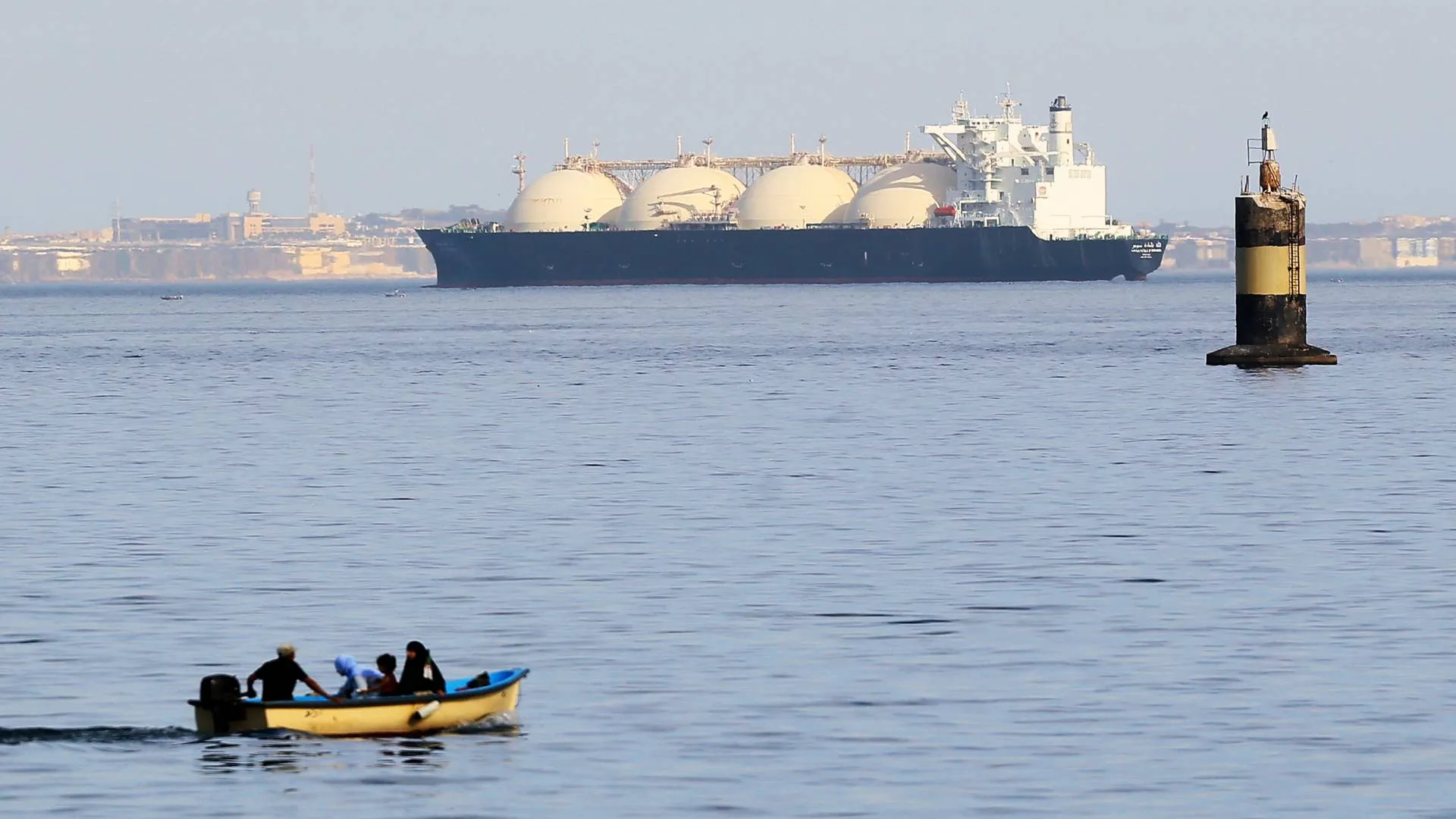
– LNG vessels require additional security zone during operations (IGC Code Chapter 18).
31. Port Communication Protocols
– Emergency distress calls take priority on all VHF channels (ITU Radio Regulations).
– Japanese/English bilingual announcements required during emergencies (Port Ordinance 12-5).
32. Navigation in Restricted Visibility
– Mandatory use of radar and sound signals when visibility <1nm (COLREGs Rule 19).
– Speed reduction to 5 knots in inner harbor during fog (Port Navigation Rule 7.3).
33. Cargo Documentation
– Original bills of lading must accompany all breakbulk cargo (Customs Procedure Law).
– Hazardous materials manifests in IMDG format required 48hrs prior (Japan DG Transport Rules).
34. Vessel Sanitation
– Mandatory deratting certificates for vessels from certain countries (Quarantine Law Article 6).
– Medical waste disposal through licensed contractors only (Port Health Regulation 9.1).
35. Port Entry/Exit Procedures
– Final departure clearance must be obtained from Harbor Master’s office (Port Operations Act).
– Vessels exceeding 10,000GT require tug escort when exiting in northerly winds >15m/s.
36. Icebreaking Assistance
– Ice convoy system implemented when ice thickness exceeds 30cm (Winter Navigation Notice).
– Vessels must maintain 500m separation in icebreaker-assisted transit (Ice Navigation Guide).
37. Crew Change Procedures
– Immigration processing available 0800-1600 weekdays only (Immigration Office Notice).
– COVID-19 testing may be required for crew from specific countries (Quarantine Update 2024).
38. Port Emergency Contacts
– Coast Guard Emergency: VHF Ch16 or +81-152-23-0110 (24/7).
– Port Authority Operations Center: VHF Ch12 or +81-152-23-4567.
39. Tidal Information
– Maximum tidal range: 1.2m (Japan Hydrographic Department Data).
– Strong currents (up to 3 knots) possible during spring tides near breakwaters.
40. Local Maritime Traffic Patterns
– Ferry crossings every 30 minutes between 0600-2200 (Wakkanai-Hokkaido Route).
– Fishing fleet departure/return peaks at 0400 and 1500 local time.
41. Dangerous Goods Handling
– Class 1 explosives require dedicated security patrols during storage (IMDG Code Supplement).
– Toxic gas cargoes (Class 2.3) must use designated ventilation-equipped berths (Port DG Regulation 12A).
42. Port Lighting Requirements
– Working deck illumination minimum 50 lux during night operations (ILO Convention 152).
– Navigation lights must be visible from all approach angles (COLREGs Annex I).
43. Vessel Dimension Limits
– Maximum air draft: 45m (restricted by airport flight path clearance).
– Channel depth limitations: 12.5m at LAT for main fairway (2024 Hydrographic Survey).
44. Radio Medical Assistance
– JMHS (Japan Medical Help Service) available on VHF Ch16/MMSI 003160009.
– Emergency medical evacuation by helicopter requires 30m² clear deck space.
45. Port Working Hours
– Standard cargo operations: 0700-2200 (Overtime requires 4hr notice).
– Customs inspections suspended on national holidays (Japan Customs Calendar).
46. Vessel Speed Limits
– 8 knots within 1nm of port entrance (Port Traffic Regulation 3.5).
– 5 knots when passing moored vessels with less than 50m clearance.
47. Ballast Water Reporting
– Electronic BWR submission via eBallast system required 24hr pre-arrival.
– High-risk ballast water from specific regions requires quarantine inspection.
48. Port Meteorological Services
– Real-time weather updates broadcast hourly on VHF Ch14.
– Gale warnings issued when sustained winds exceed 17m/s (JMA Standard).
49. Ship Chandler Services
– Licensed providers only permitted to board vessels (Port Security Rule 15B).
– Cash transactions over ¥1 million require customs declaration.
50. Marine Pollution Response
– Oil spill reporting mandatory within 15 minutes of detection (Pollution Law Article 38).
– Dispersant use requires prior approval from Hokkaido Environmental Office.
51. Vessel Inspection Regime
– Random safety inspections target 10% of visiting vessels (MLIT Enforcement Policy).
– Concentrated inspection campaigns (CIC) conducted biannually.
52. Port Entry Restrictions
– Vessels with overdue port fees denied entry (Port Finance Regulation 7C).
– Ships with unresolved PSC deficiencies from previous Japanese ports subject to re-inspection.
53. Navigation Aid Maintenance
– Light buoys serviced monthly (Japan Coast Guard Maintenance Schedule).
– Temporary navigational warnings issued for malfunctioning aids (NOTMAR system).
54. Cargo Securing Standards
– Container stack weight limits enforced per CSC plates.
– Timber deck cargo lashing must withstand 30° roll (IMO MSC.1/Circ.1353).
55. Port Labor Regulations
– Stevedore minimum rest periods: 1hr after 6hrs continuous work (Labor Standards Act).
– Unionized workforce mandatory for all cargo operations (Port Labor Agreement).
56. Vessel Traffic Monitoring
– AIS data continuously recorded for 90 days (Port Security Requirement).
– Vessels failing to maintain AIS may be subject to movement restrictions.
57. Ice Monitoring System
– Daily ice charts available from Wakkanai Coast Guard Office.
– Vessels must report ice thickness observations when transiting frozen areas.
58. Port Entry Documentation
– Original ship registry certificate must be presented for inspection.
– Last port clearance certificate required for vessels from certain countries.
59. Emergency Towage
– Standby tug available within 30 minutes notice during daylight hours.
– Towing contract must be signed before commencement of emergency services.
60. Port Infrastructure Maintenance
– Fender inspection reports available upon request (Port Engineering Department).
– Dredging operations conducted annually (March-April) with advance notice.
61. Shipboard Emergency Preparedness
– Monthly abandon ship drills must include cold water survival techniques (SOLAS III/19).
– Emergency towing arrangements must be rigged and ready when entering ice zones.
62. Port Security Zones
– Permanent security zone extends 200m around naval and fuel terminal facilities.
– Photography prohibited in designated high-security areas (Port Security Act §12).
63. Winterization Requirements
– All exposed piping and valves must be insulated below 0°C (Winter Operations Code).
– Emergency generator fuel tanks must contain anti-gel additives November-March.
64. Hazardous Area Classification
– Zone 1 hazardous areas marked within 15m of fuel transfer manifolds.
– Non-intrinsically safe electronics prohibited in designated gas danger zones.
65. Vessel Manning Requirements
– Minimum bridge watch of 2 officers when moored in winter conditions.
– Engine room watch must be maintained during all cargo operations.
66. Port Approach Procedures
– Radar plotting required from 12nm outbound to confirm traffic patterns.
– Mandatory course alterations must be reported to VTS immediately.
67. Cargo Handling Equipment
– Maximum crane working load limits posted at each berth (Port Equipment Register).
– Container spreaders must undergo annual certification (JIS B 8801 standard).
68. Bunker Quality Control
– MARPOL Annex VI fuel samples retained for 12 months minimum.
– Bunker delivery notes must include batch numbers for all fuel types.
69. Port Health Services
– Quarantine inspection available 24/7 with 4 hours advance notice.
– Ship’s medical waste must be sterilized before landing (Pharmaceutical Affairs Law).
70. Navigation in Ice Conditions
– Bow thruster use prohibited when ice thickness exceeds 20cm.
– Continuous monitoring of sea chests required during ice navigation.
71. Port Clearance Procedures
– Outward clearance will not be issued with outstanding port dues.
– Final departure messages must include next port of call and ETA.
72. Vessel Stability Requirements
– Grain cargoes must comply with latest IMO Grain Code amendments.
– Critical stability calculations must be available in English and Japanese.
73. Communication Equipment
– Backup VHF radio required for vessels over 500GT (Radio Law Article 27).
– Satellite phone testing mandatory before departure in winter months.
74. Port Pollution Controls
– Deck washdown water must be contained during tank cleaning operations.
– Visible sheen from bilge water discharge constitutes violation (APPS).
75. Special Area Compliance
– Enhanced sewage treatment requirements within 12nm of coastline.
– Special ballast water exchange zones extend to 200nm offshore.
76. Mooring Equipment Standards
– Synthetic mooring lines must have minimum breaking load certificates.
– All mooring winches must demonstrate emergency stop functionality.
77. Port Entry Visibility Requirements
– Minimum 1nm visibility required for unaided entry procedures.
– Radar-assisted approaches permitted down to 500m visibility with pilot.
78. Cargo Documentation Verification
– Dangerous goods declarations must match physical stowage positions.
– Container weight verification required for all export cargo (VGM).
79. Emergency Response Coordination
– Shipboard emergency plans must align with port contingency plans.
– Quarterly oil spill response drills conducted with port authorities.
80. Final Departure Checks
– Gangway security seal verification required before sailing.
– Port logbook entries must be signed by master and port representative.
81. Vessel Draft Restrictions
– Maximum permissible draft varies by berth (refer to current Port Depth Chart 2024).
– Under-keel clearance must be maintained at 10% of draft or 1.0m, whichever is greater.
82. Port Entry Timing Restrictions
– Large vessels (>200m LOA) restricted to daylight transit in inner harbor.
– Tidal window limitations apply for deep-draft vessels at certain berths.
83. Cargo Handling Safety
– Hatch cover strength certificates required for bulk carriers (IACS UR Z7).
– Container lashing plans must account for winter sea conditions (CSC Amendment 2023).
84. Emergency Anchorages
– Designated emergency holding areas marked on Admiralty Chart JP 1256.
– Vessels using emergency anchorages must display appropriate day shapes/lights.
85. Port Communication Requirements
– English language proficiency Level 3 required for bridge team (STCW Code).
– Mandatory reporting of defects affecting maneuverability before entry.
86. Winter Navigation Equipment
– Ice searchlights mandatory November-April (Japan Winter Navigation Rules).
– Hull heating systems must be operational for vessels in winter lay-up.
87. Bunkering Safety Procedures
– No smoking zone extends 25m around bunkering operations.
– Emergency shutdown systems must be tested before commencement.
88. Port Security Drills
– ISPS security drills required every 3 months with port facility participation.
– Unannounced security inspections may be conducted by Japan Coast Guard.
89. Vessel Traffic Separation
– Inbound/outbound traffic lanes established in approach channel.
– Overtaking prohibited within 2nm of port entrance.
90. Hazardous Weather Contingencies
– Typhoon preparedness plan activation requires 48-hour notice period.
– Special mooring arrangements mandatory when gale warnings issued.
91. Port Facility Access
– Crew shore passes valid only for designated port area (no city access).
– Biometric identification required for all personnel entering secure zones.
92. Navigation in Restricted Areas
– Military exercise zones may be activated with 24-hour notice (NOTAM).
– Temporary exclusion areas marked by yellow buoys with flashing lights.
93. Cargo Temperature Controls
– Reefer containers must maintain continuous temperature recording.
– Temperature excursions exceeding 4°C must be reported immediately.
94. Port Emergency Signals
– Continuous 30-second blast indicates general emergency (Port Ordinance).
– Red flares designate triage areas during mass casualty incidents.
95. Vessel Maintenance in Port
– Hot work permits require gas-free certification for adjacent spaces.
– Underwater cleaning/inspections must be pre-approved by port authorities.
96. Dangerous Goods Storage
– Class 3-6.1 DG must be stored at least 50m from accommodation areas.
– Explosives (Class 1) require dedicated security patrols 24/7.
97. Port Approach Lighting
– Leading lights aligned at 142° True for main channel approach.
– Sector lights indicate safe water boundaries during night entry.
98. Ice Navigation Reporting
– Daily ice condition reports required from December to March.
– Vessels must report ice damage within 2 hours of detection.
99. Port Waste Reception
– Advanced notice required for sludge disposal (>10 cubic meters).
– Waste transfer manifests must be signed by both ship and receiver.
100. Final Departure Clearance
– All port services invoices must be settled before departure.
– Customs clearance requires original stamped crew list submission.
101. Vessel Speed Monitoring
– Mandatory AIS speed transmission within port limits (Port Regulation 12.4).
– Automated speed detection cameras installed at critical approach points.
102. Port Laytime Calculations
– Weather working days apply for open storage areas (Chamber of Shipping Terms).
– Demurrage calculations exclude official holidays and port closure days.
103. Ship-to-Shore Communications
– Dedicated UHF Channel 8 for stevedore communications during operations.
– Emergency stop signals must be clearly understood by all parties.
104. Freshwater Bunkering
– Potable water certificates must indicate chlorine residual levels (WHO Standards).
– Minimum 2-hour notice required for quantities exceeding 500 cubic meters.
105. Port Approach Radar Services
– Radar-assisted navigation available 24/7 for vessels >10,000 GT.
– Mandatory position reports at designated reporting points (VTS Circular 15).
106. Cargo Survey Requirements
– Independent surveyors required for bulk cargo discrepancies >0.5%.
– Hatch seal numbers must be recorded for all containerized cargo.
107. Port Security Lighting
– Illumination levels minimum 100 lux at all access points (ISPS Code).
– Backup power must maintain security lighting for 8 hours minimum.
108. Vessel Trim Requirements
– Maximum 1° list permitted during cargo operations (OCIMF Guidelines).
– Special permission required for ballast exchange during cargo handling.
109. Port Entry Documentation
– Electronic crew list submission via e-Crew system mandatory 24h prior.
– Last port clearance certificate must be notarized if from certain countries.
110. Emergency Towing Arrangements
– Forward and aft towing bridles must be rigged during winter months.
– Towing pennant strength certificates required for vessels >20,000 GT.
111. Port Waste Segregation
– Five-stream separation mandatory (plastics, food, operational, etc.).
– Contaminated waste requires special handling procedures.
112. Navigation in Fog Conditions
– Mandatory use of automatic fog signals when visibility <500m.
– VTS may impose movement restrictions during dense fog (<100m visibility).
113. Port Labor Safety
– Hard hat areas clearly marked throughout operational zones.
– Safety harnesses required when working >2m above deck level.
114. Vessel Draft Surveys
– Accredited surveyors must conduct draft readings (Class NK or equivalent).
– Density corrections must use actual water samples from loading berth.
115. Port Emergency Assembly Points
– Designated muster areas marked with blue flashing lights.
– Quarterly emergency drills must include port facility personnel.
116. Bunker Sampling Procedures
– Continuous drip sampling mandatory throughout bunkering operation.
– Four-way sample splitting required (ship, supplier, port, retained).
117. Port Entry Restrictions
– Vessels with overdue PSC deficiencies barred from entry.
– Special permission required for ships with previous port state detentions.
118. Cargo Gear Certification
– Annual load testing of all ship’s gear required (SOLAS Regulation).
– Certification must be displayed prominently near operating stations.
119. Port Waterway Management
– Dredging operations conducted March-May annually.
– Temporary channel restrictions published via NOTMAR notices.
120. Final Departure Procedures
– Port logbook must be signed by master and port captain.
– Last minute crew changes require immigration clearance.