1. Port and Terminal Information
1.1 Yawatahama Port operates 24/7, but specific terminals may have restricted hours based on cargo type. Confirm with the Port Authority in advance.
1.2 Main commercial terminals: Yawatahama West Pier (max LOA 200m, draft 9.5m) and East Pier (max LOA 150m, draft 7.0m). Both handle general cargo, containers, and RO-RO.
1.3 Dedicated timber terminal at West Pier with specialized handling equipment (capacity: 150 tons/hr).
1.4 All terminals have bollard capacities of 50-100 tons. Mooring lines must be inspected before berthing.
2. Navigation and Pilotage
2.1 Mandatory pilotage for vessels >500 GT or LOA >50m. Pilot boarding area: 33°27.5’N, 132°25.5’E (1.5nm NW of port entrance).
2.2 Main channel depth maintained at 10m (MLLW), with 200m width. Tide range: 1.5-2.0m.
2.3 Prohibited anchorage zones exist within 0.5nm of the breakwater. Designated anchorage: 33°26.8’N, 132°24.0’E (depth 15-20m, holding ground good).
2.4 VHF channels: Ch 16 (emergency), Ch 12 (port operations), Ch 14 (pilot).
3. Cargo Operations
3.1 Timber cargoes must be properly secured with Japanese Agricultural Standard (JAS) certified lashings.
3.2 Hazardous materials handling requires 24-hour prior notice to the Ehime Prefecture Hazardous Materials Office.
3.3 Grain silos at East Pier have 15,000-ton capacity with dust explosion prevention systems.
3.4 Container gantry cranes (SWL 40 tons) operate at max wind speed of 15m/s.
4. Safety Regulations
4.1 Strict enforcement of ISPS Code. All visitors must show ID at port gates.
4.2 Firefighting capability: 4 fireboats (capacity 5,000 tons/hr) stationed at the port.
4.3 Oil spill response equipment maintained per Japan’s Marine Pollution Prevention Law.
4.4 Emergency muster stations clearly marked in English/Japanese at all berths.
5. Environmental Requirements
5.1 Zero discharge policy for bilge water within port limits. Approved reception facilities available.
5.2 Mandatory use of low-sulfur fuel (<0.1%) while berthed per Japanese Air Pollution Control Law.
5.3 Nighttime lighting must comply with Ehime Prefecture’s Light Pollution Ordinance (shielding required after 2200).
6. Administrative Procedures
6.1 Pre-arrival documents (via JPORT system): Crew list, cargo manifest, last 10 ports of call.
6.2 Port dues calculated based on GT and cargo volume (current tariff: ¥35/GT for first 10,000 GT).
6.3 Customs clearance available 0800-1700 weekdays only. Overtime fees apply for after-hours.
7. Local Services
7.1 Fresh water supply: 100 tons/hr capacity at all berths (advance notice required).
7.2 Bunkering: Only by licensed suppliers with prior approval from the Port Authority.
7.3 Garbage disposal: Segregation into 6 categories (plastic, food, etc.) mandatory.
8. Weather Considerations
8.1 Typhoon season (July-October): Mandatory evacuation procedures when warning issued.
8.2 Winter NW winds may reach 25 knots, requiring additional mooring lines.
8.3 Real-time weather updates broadcast on VHF Ch 12 every 2 hours.
9. Crew Welfare
9.1 Shore leave permitted with valid CDC and passport copy (gangway watch maintains log).
9.2 Nearest medical facility: Yawatahama City Hospital (3km from port, 24-hour emergency).
9.3 Crew changes require 72-hour notice to Immigration Office at Matsuyama.
10. Special Notices
10.1 Annual port closure for maintenance: First week of December (confirm exact dates yearly).
10.2 Fishing boat traffic peaks May-September – reduced speed (<8 knots) in approach channel.
10.3 Underwater inspections require 14-day advance notice to Maritime Bureau.
11. Port Security Measures
11.1 All vessels must submit Security Pre-Arrival Notification (SPAN) 24 hours prior to arrival via JPORT system.
11.2 Armed guards are prohibited within port limits unless authorized by Japan Coast Guard.
11.3 Drone operations strictly prohibited within 1km of port facilities without prior permission.
11.4 Random ISPS compliance inspections conducted by Japan Coast Guard (average 15% of vessels).
12. Vessel Traffic Management
12.1 AIS must remain operational at all times within port limits (33°25’N–33°30’N, 132°22’E–132°28’E).
12.2 Speed limit: 8 knots in inner harbor, 12 knots in approach channel (radar monitored).
12.3 Vessels >10,000 GT require tug escort during berthing/unberthing (minimum 2 tugs).
12.4 Daylight transit recommended for vessels with air draft >25m due to bridge clearance.
13. Cargo Documentation
13.1 Original Bill of Lading must be presented for all containerized cargo before discharge.
13.2 Timber exports require Phytosanitary Certificate from Japanese Ministry of Agriculture.
13.3 Hazardous cargo manifests must follow IMDG Code format with Japanese translation.
13.4 Weight certification mandatory for all bulk cargo (tolerance ±2% of declared weight).
14. Mooring and Berthing
14.1 Mooring lines must be inspected by Port State Control if vessel has prior detention history.
14.2 Fenders: Standard cylindrical type (D=1.5m, L=3m) at all berths. Private fenders prohibited.
14.3 Tidal current may reach 1.8 knots during spring tides – mooring winches must be manned.
14.4 Simultaneous cargo operations and bunkering require Port Authority approval.
15. Port Infrastructure
15.1 Maximum air draft: 28m at high tide (East Pier), 32m (West Pier).
15.2 Shore power available (440V/60Hz) at West Pier only (500kVA capacity).
15.3 All berths equipped with fixed foam firefighting systems (500L/min flow rate).
15.4 Port draught survey conducted biannually (June/December) – latest chart: JHA-1121Ed.2023.
16. Emergency Protocols
16.1 Oil spill response time: First boom deployment within 30 minutes of notification.
16.2 Medical evacuation helicopter landing zone: West Pier open area (33°27’12″N, 132°25’45″E).
16.3 Tsunami warning sirens tested monthly (first Wednesday at 1000 local time).
16.4 Emergency contact: Japan Coast Guard Yawatahama Station +81-894-22-0110 (24/7).
17. Customs Regulations
17.1 Prohibited imports: Drones, satellite phones, and certain agricultural products.
17.2 Crew personal effects declaration required for items exceeding ¥200,000 in value.
17.3 Bonded warehouse available for temporary cargo storage (max 30 days).
17.4 Strict penalties for undeclared ship’s stores (minimum ¥500,000 fine).
18. Local Ordinances
18.1 Noise restrictions: Engine tests prohibited 2200-0600 within port limits.
18.2 Garbage discharge records must be kept for 2 years (Japanese format only).
18.3 Smoking prohibited on open decks during cargo operations.
18.4 Ballast water exchange must occur >12nm from coast per Japanese Water Pollution Law.
19. Navigational Warnings
19.1 Uncharted shallow patches reported at 33°26’30″N, 132°25’15″E (depth 6.2m).
19.2 Submarine cable area (33°27’00″N–33°27’30″N) – anchoring/fishing prohibited.
19.3 Temporary works near West Pier breakwater (2024-2025) – reduced maneuvering area.
19.4 Strong currents observed near No.2 buoy during ebb tide (2.5 knots max).
20. Additional Services
20.1 Ship chandler available 24/7 with 3-hour advance notice (provisions only).
20.2 Underwater hull cleaning requires prior environmental impact assessment.
20.3 Nearest ship repair: Imabari Shipyard (65nm NW) for drydocking >5,000 GT.
20.4 Bunker quality testing available from Japan Inspection Organization (JIO).
21. Dangerous Goods Handling
21.1 Class 1 (explosives) and Class 7 (radioactive) materials require special permission from Ehime Prefecture Governor.
21.2 IMDG Code segregation rules strictly enforced – incompatible cargoes must be stored ≥50m apart.
21.3 Nighttime handling of hazardous cargo prohibited (2000-0600) except for emergency situations.
21.4 All hazardous material spills must be reported immediately to Japan Coast Guard (VHF Ch 16).
22. Port State Control
22.1 Tokyo MOU inspection rate: 28% for vessels >15 years old (focus on structural integrity).
22.2 Common deficiencies: Fire damper malfunctions (32% of detentions), outdated nautical publications (18%).
22.3 Vessels with 3+ deficiencies in last 12 months will undergo expanded inspection.
22.4 PSC inspection reports must be retained onboard for 2 years (Japanese/English versions).
23. Meteorological Services
23.1 Real-time weather data available from Yawatahama Port Authority website (10-minute updates).
23.2 Storm warning thresholds: Operations cease when sustained winds exceed 20m/s (Beaufort 8).
23.3 Fog signal station operational at West Breakwater (audible range 2nm during visibility <1km).
23.4 Tsunami evacuation routes marked in blue at all berths (follow arrows to designated shelters).
24. Waste Management
24.1 Plastic waste must be compacted and labeled with vessel’s IMO number before discharge.
24.2 Food waste processing fee: ¥5,000/ton (includes sterilization treatment).
24.3 Special handling required for battery waste (separate storage container mandatory).
24.4 Waste transfer receipts must include Japanese-translated waste category codes.
25. Crew Health Protocols
25.1 Mandatory temperature screening for all disembarking crew (fever threshold: 37.5°C).
25.2 Quarantine anchorage: 33°25’30″N, 132°23’00″E (activated during disease outbreaks).
25.3 Port medical officer available for emergency consultations (advance notice required).
25.4 Vaccination records must include English translation of Japanese encephalitis immunization.
26. Bunker Operations
26.1 Bunker delivery notes must comply with Japan’s Fuel Oil Quality Control Law.
26.2 Maximum sulfur content verification required for each bunker delivery (0.1% limit).
26.3 Simultaneous operations (SIMOPS) with cargo work requires additional fire watch personnel.
26.4 Bunker sampling must be witnessed by ship’s officer and supplier representative.
27. Electronic Reporting
27.1 Digital submission of Maritime Declaration of Health via e-Quarantine system.
27.2 Electronic cargo manifests must be submitted through NACCS system 48 hours pre-arrival.
27.3 Crew list updates require IMM Japan-approved software (version 3.2 or later).
27.4 All digital submissions must include vessel’s JPORT registration number.
28. Small Craft Regulations
28.1 Ship’s boats require port permission for operations beyond 500m from mother vessel.
28.2 Mandatory lifejackets for all personnel in port-launched tenders.
28.3 No wake zone enforced within 200m of commercial berths (max speed 3 knots).
28.4 After-hours boat operations require prior approval from Harbor Master’s office.
29. Port Dues and Charges
29.1 Wharfage fees: ¥120/ton for general cargo, ¥80/TEU for containers (discounts for >500 TEU).
29.2 Pilotage exemption available for vessels <500 GT with certified local knowledge.
29.3 Overtime charges: 150% normal rate for 2000-0600 and weekends.
29.4 Environmental incentive: 5% discount on port fees for vessels with Green Award certification.
30. Special Cargo Considerations
30.1 Oversized cargo (>5m width) requires road escort coordination with Ehime Police.
30.2 Refrigerated containers must provide temperature logs for customs inspection.
30.3 Steel coil loading requires certification of proper stowage/securing from ClassNK or equivalent.
30.4 Project cargo operations mandate pre-loading meeting with stevedores and port engineers.
31. Vessel Maintenance and Repairs
31.1 Hot work permits require 24-hour advance notice and fire watch deployment during operations.
31.2 Underwater hull cleaning restricted to approved contractors with environmental permits.
31.3 Use of ship’s cranes for repairs must be coordinated with terminal operators to avoid cargo handling conflicts.
31.4 Emergency repair services available through Yawatahama Ship Engineering Co. (Japan Classification Society certified).
32. Port Communication Protocols
32.1 All official communications must be in Japanese or English (certified translations required for other languages).
32.2 Digital Notice of Readiness (NOR) acceptance requires timestamp confirmation from port control.
32.3 Incident reporting forms must follow Japan Transport Safety Board format (JTSB Form 12).
32.4 Radio silence periods enforced during Japan Coast Guard weather broadcasts (0100 and 1300 local time).
33. Special Navigation Areas
33.1 Restricted zone within 500m of Yawatahama Fishery Harbor (enforced by patrol boats).
33.2 Seasonal fishing gear (May-September) extends 300m beyond marked fairway buoys.
33.3 Military exercise areas occasionally activated – monitor VHF Ch 16 for NAVAREA warnings.
33.4 Seabed pipeline corridor (marked by yellow buoys) prohibits anchoring along 33°26’N parallel.
34. Port Labor Regulations
34.1 Stevedore shifts: 0800-1700, 1700-0100, 0100-0800 (30-minute meal breaks mandatory).
34.2 Minimum gang sizes: 8 workers for general cargo, 12 for container operations.
34.3 Rain stops work when precipitation exceeds 10mm/hour (safety protocol).
34.4 Union representatives must be present during cargo disputes (contact via Port Labor Office).
35. Ship’s Agency Services
35.1 Only licensed ship agents allowed to clear customs (Japan Maritime Agents Association members).
35.2 Agency fee structure regulated by Ehime Prefecture (standard 0.15% of cargo value).
35.3 Mandatory agency attendance required during PSC inspections.
35.4 Crew transportation services must use licensed providers (display yellow port permits).
36. Ice Navigation Procedures
36.1 Winter monitoring (December-February): Port Authority issues daily ice condition bulletins.
36.2 Icebreaker assistance available for vessels without ice class (48-hour notice required).
36.3 Special mooring arrangements needed when water temperature drops below 3°C.
36.4 Ballast water exchange prohibited when air temperature is below freezing.
37. Port Entry/Exit Procedures
37.1 Final departure clearance requires signed “Port Clearance Certificate” from customs.
37.2 Vessels must report passing the outer fairway buoy (No.1) when exiting port limits.
37.3 Early departure requests (before 0600) require Harbor Master approval.
37.4 Outbound vessels carrying hazardous cargo receive priority channel access.
38. Electronic Navigation Tools
38.1 ENC charts: JP1YAWAT1 (approach), JP1YAWAT2 (harbor) – must be updated quarterly.
38.2 AIS-SART testing required before departure (record in deck logbook).
38.3 ECDIS backup arrangements must be verified during port state control inspections.
38.4 Digital tide tables available through Japan Hydrographic Association subscription.
39. Port Infrastructure Maintenance
39.1 Dredging operations conducted annually (March-April) – consult Notice to Mariners.
39.2 Navigation aids serviced monthly (light characteristics published in JCG Notice No.8).
39.3 Berth load testing certificates renewed every 5 years (available for inspection).
39.4 Emergency generator testing at West Pier every Thursday 1400-1600 (noise advisory).
40. Miscellaneous Regulations
40.1 Photography restrictions apply within 200m of military storage areas.
40.2 Religious ceremonies onboard require port security notification 24 hours in advance.
40.3 Lost property must be reported to Port Police within 12 hours of discovery.
40.4 Complaints regarding port services must be filed using official Ehime Prefecture forms.
41. Vessel Sanitation and Hygiene
41.1 Mandatory ship sanitation inspections conducted every 6 months for vessels engaged in food transport.
41.2 Rat guards must be properly installed on all mooring lines during port stay.
41.3 Garbage receptacles must be rodent-proof and clearly labeled in Japanese/English.
41.4 Medical waste disposal requires special containers and prior arrangement with port health authorities.
42. Port Lighting and Visibility
42.1 Navigation lights must be operational from sunset to sunrise, including during cargo operations.
42.2 Working deck illumination must not exceed 500 lux to prevent light pollution violations.
42.3 Emergency lighting systems must be tested before departure and recorded in ship’s log.
42.4 Laser pointers strictly prohibited for use in port area due to aviation safety concerns.
43. Dangerous Weather Contingencies
43.1 Typhoon preparedness level 1 activated when winds exceed 15m/s – secure all movable equipment.
43.2 Earthquake procedures: Immediately stop cargo operations when seismic intensity reaches 4 (Japan scale).
43.3 Heavy rain protocol: Non-essential personnel must evacuate decks when precipitation exceeds 30mm/hour.
43.4 Frost conditions: Anti-slip materials must be applied to working decks when temperature drops below 0°C.
44. Port Entry Documentation
44.1 Original ship registry certificate must be available for inspection during port entry.
44.2 P&I Club certification must include Japanese translation of coverage details.
44.3 Last port clearance certificate must show no outstanding deficiencies or fines.
44.4 Crew competency certificates must include STCW endorsements with Japanese translations.
45. Special Marine Operations
45.1 Diving operations require 72-hour notice to port authorities and Japan Coast Guard.
45.2 Scientific research equipment deployment needs special permit from Maritime Bureau.
45.3 Underwater surveys must use Japan-certified diving contractors only.
45.4 Aerial operations (helicopters/drones) restricted to approved service providers.
46. Port Security Drills
46.1 Mandatory ISPS drills must be conducted within 24 hours of port arrival.
46.2 Port facility security officer must witness at least one anti-piracy drill annually.
46.3 Bomb threat procedures must be coordinated with Yawatahama Police Department.
46.4 Security drill records must be maintained for 3 years including Japanese translations.
47. Cargo Handling Equipment
47.1 Ship’s gear certification must be current and available for terminal operator review.
47.2 Container lashing equipment must meet Japanese Industrial Standards (JIS).
47.3 Bulk cargo grabs must have spill containment skirts for environmental protection.
47.4 Specialized timber handling clamps required for log operations (available for rent).
48. Port Environmental Monitoring
48.1 Continuous air quality monitoring conducted at all berths (SOx/NOx levels recorded).
48.2 Water quality sampling performed monthly – vessels may be subject to discharge testing.
48.3 Noise level measurements taken quarterly – exceedances may restrict operations.
48.4 Wildlife protection zones enforced within 500m of designated seabird nesting areas.
49. Vessel Traffic Separation
49.1 Inbound vessels have right of way in main channel during daylight hours.
49.2 Fishing vessels priority in western approach zone 0600-1800 local time.
49.3 Tankers restricted to specific transit windows (0200-0400 and 1400-1600).
49.4 Vessels >200m LOA require 30-minute advance notice before entering traffic lanes.
50. Final Departure Requirements
50.1 Port clearance certificate must show all fees settled and no outstanding violations.
50.2 Final crew count must match immigration records exactly before departure.
50.3 Garbage disposal receipts must cover entire port stay period.
50.4 Last minute crew changes require special approval from immigration authorities.
51. Shipboard Emergency Preparedness
51.1 Emergency towing wires must be rigged and ready for deployment throughout port stay.
51.2 Oil spill containment boom deployment drills required quarterly for tankers.
51.3 Emergency muster lists must be posted in Japanese and English at all muster stations.
51.4 Lifeboat launching exercises prohibited within port limits without prior approval.
52. Port Authority Contact Protocols
52.1 Urgent communications must use designated VHF channels (Ch 12 primary, Ch 14 secondary).
52.2 Non-emergency inquiries should be directed to Port Administration Office (0830-1700 weekdays).
52.3 After-hours emergencies contact Japan Coast Guard Yawatahama Station directly.
52.4 Written complaints must follow Ehime Prefecture Maritime Affairs Division format.
53. Special Cargo Handling
53.1 Heavy lift operations (>100 tons) require 72-hour pre-arrival stability calculations.
53.2 Project cargo stowage plans must be approved by ClassNK or equivalent society.
53.3 Temperature-sensitive pharmaceuticals require dedicated power monitoring.
53.4 Livestock transport vessels must provide veterinary certificates in Japanese.
54. Port Facility Access
54.1 Crew access restricted to designated pathways marked with yellow safety lines.
54.2 Terminal vehicle speed limit strictly enforced at 20 km/h throughout port area.
54.3 Photography prohibited in secure areas without Port Security Department approval.
54.4 Visitors must be escorted at all times and wear visible identification badges.
55. Vessel Technical Requirements
55.1 Main engine standby notice must be given 2 hours before departure maneuvering.
55.2 Ballast water management records must include Japanese translations.
55.3 Fuel oil changeover procedures must be properly documented for PSC inspection.
55.4 Emergency generator must be tested daily during port stay with log entries.
56. Local Maritime Traditions
56.1 Annual port festival (July 15-17) may affect operations – check schedules in advance.
56.2 Fishing boat right-of-way applies during traditional fishing seasons (April-May).
56.3 Special navigation caution required during lantern floating ceremonies (August).
56.4 Local pilotage customs include traditional greeting protocols when boarding.
57. Port Information Resources
57.1 Updated port regulations available at Yawatahama Maritime Safety Office.
57.2 Tide tables published quarterly by Japan Coast Guard Hydrographic Department.
57.3 Navigation warnings broadcast daily at 0900 and 2100 on VHF Ch 16.
57.4 Port guidebook (English version) available from ship agents upon arrival.
58. Crew Welfare Facilities
58.1 Designated crew rest area available at West Terminal Building (0800-2200).
58.2 Free Wi-Fi access provided at port seafarers’ center (daily 4GB data limit).
58.3 International phone cards available for purchase at port security gate.
58.4 Religious services arranged upon request through port chaplaincy service.
59. Bunker Quality Assurance
59.1 Bunker samples must be sealed and signed by both ship and supplier representatives.
59.2 MARPOL Annex VI fuel oil samples retained for 12 months minimum.
59.3 Dispute resolution must follow Japan Bunker Industry Association procedures.
59.4 Alternative fuel arrangements require 96-hour advance notice to port authorities.
60. Final Safety Checks
60.1 Gangway security must be maintained until all lines are singled up.
60.2 Final pre-departure checklist must be signed by master and port representative.
60.3 Navigation equipment must be verified operational before leaving berth.
60.4 Port clearance will not be issued with any outstanding safety violations.
61. Port Environmental Compliance
61.1 Vessel exhaust emissions monitoring conducted randomly – non-compliant ships may face operational restrictions.
61.2 Ballast water sampling performed on 15% of visiting vessels (priority given to high-risk routes).
61.3 Use of open-loop scrubbers prohibited within 12nm of port limits.
61.4 Oily water separator discharge records must be maintained for 3 years in Japanese/English.
62. Special Navigation Procedures
62.1 Vessels with unusual superstructure must submit visibility diagrams before arrival.
62.2 Tug escort requirements increase during neap tides (minimum 3 tugs for >50,000 DWT).
62.3 Radar-assisted navigation mandatory during periods of restricted visibility (<1km).
62.4 VHF radio checks required when passing designated reporting points in approach channel.
63. Port Storage Regulations
63.1 Dangerous goods in transit must be stored in designated bonded areas only.
63.2 Refrigerated container plugs limited to 30-minute connection/disconnection periods.
63.3 Open storage of sensitive cargo requires 24-hour security arrangements.
63.4 Warehouse fumigation notices must be posted in Japanese, English and pictograms.
64. Vessel Inspection Protocols
64.1 Class society inspectors must present current accreditation when boarding.
64.2 Hull thickness measurements require Port Authority witness for official records.
64.3 Cargo gear testing certificates must show Japan MOLIT approval stamps.
64.4 Remote inspection options available for routine surveys (prior arrangement required).
65. Port Community Services
65.1 Seafarer medical clinic operates 24/7 with multilingual staff (Japanese/English/Indonesian).
65.2 Crew change facilities include quarantine waiting area with separate amenities.
65.3 Lost document assistance available through port immigration office.
65.4 Legal counseling provided for maritime labor convention issues.
66. Cargo Documentation Standards
66.1 All shipping documents must show complete HS codes for customs processing.
66.2 Electronic bills of lading require Japan Digital Commerce Association certification.
66.3 Original certificates of origin must bear embossed seals for authenticity.
66.4 Dangerous goods declarations must include UN number in red ink.
67. Port Infrastructure Access
67.1 Crane maintenance platforms require 48-hour booking through terminal operator.
67.2 Shore power connection teams available on 2-hour notice (certified electricians only).
67.3 Water barge delivery requires minimum 4-hour advance request.
67.4 Emergency repair docks prioritize vessels with ClassNK emergency certificates.
68. Vessel Traffic Coordination
68.1 Arrival sequencing based on ETA submissions – late arrivals forfeit priority.
68.2 Outbound vessels must confirm departure readiness 2 hours before planned sailing.
68.3 Vessel traffic service (VTS) advisories issued hourly during peak periods.
68.4 Fishing fleet movements given priority during dawn/dusk periods.
69. Port Safety Equipment
69.1 Emergency breathing apparatus must be stationed every 50m along quays.
69.2 Spill response kits positioned at all berths (capacity for 1,000L hydrocarbon).
69.3 Anti-slip coatings reapplied quarterly on all working surfaces.
69.4 Night illumination meets IMO minimum standards for safe operations.
70. Final Administrative Procedures
70.1 Last port agent’s fee settlement receipt required for departure clearance.
70.2 Crew list updates must be stamped by immigration before final submission.
70.3 Port logbook entries must be signed by duty officer and port representative.
70.4 Feedback questionnaires mandatory for all first-time visiting vessels.
71. Port Customs Procedures
71.1 Customs declarations must be submitted electronically through NACCS system 24 hours prior to arrival.
71.2 Prohibited items list includes certain agricultural products – consult Japan Customs website for updates.
71.3 Temporary import bonds required for high-value equipment not remaining in Japan.
71.4 Customs inspections may involve x-ray scanning of randomly selected containers.
72. Vessel Mooring Requirements
72.1 Minimum 8 mooring lines required for vessels over 200m LOA in all weather conditions.
72.2 Synthetic mooring ropes must have protective sleeves at chafing points.
72.3 Tidal range compensation devices mandatory for stays exceeding 12 hours.
72.4 Emergency quick-release mechanisms must be tested during port stay.
73. Port Security Measures
73.1 ISPS Level 1 security protocols enforced 24/7 with random patrols.
73.2 Waterborne security barriers deployed for high-risk vessels as determined by JCG.
73.3 All visitors must present biometric identification for port entry.
73.4 Unattended vehicles within 100m of vessels subject to immediate tow-away.
74. Marine Pollution Prevention
74.1 Bilge water discharge strictly prohibited – use of port reception facilities mandatory.
74.2 Grey water retention required for vessels staying less than 24 hours.
74.3 Anti-fouling paint application prohibited during port stay.
74.4 Plastic waste must be compacted and sealed in approved containers before disposal.
75. Port Operational Communications
75.1 Daily operations briefing conducted at 0730 at Port Control Center.
75.2 Incident reporting must follow Japan Transport Safety Board templates.
75.3 All radio communications recorded and archived for 90 days.
75.4 Emergency broadcasts override all other communications on designated channels.
76. Special Vessel Handling
76.1 VLCCs restricted to daylight hours and favorable tide conditions.
76.2 Car carriers must demonstrate adequate stability margins before operations.
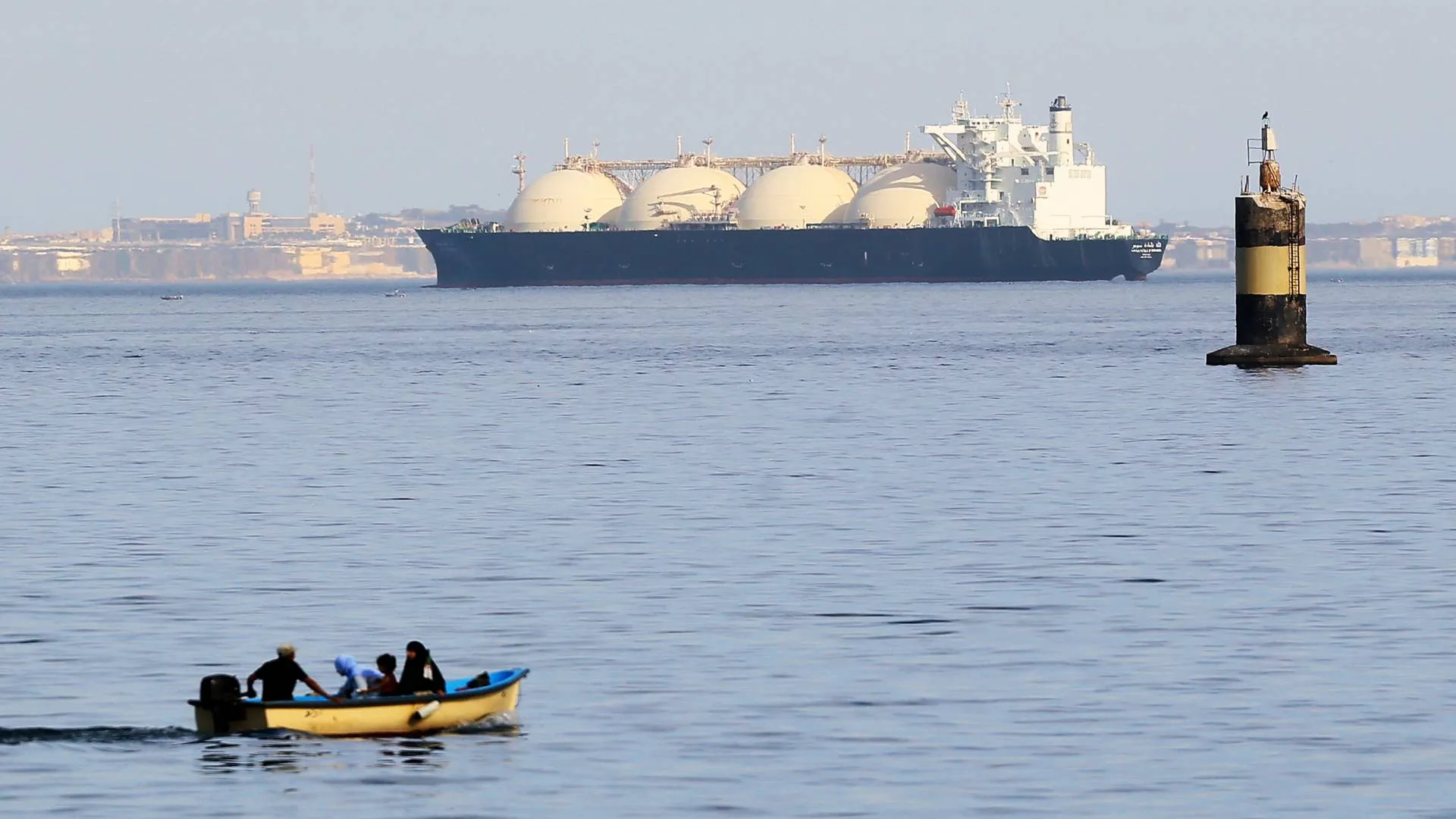
76.3 LNG vessels require 500m exclusion zone during transfer operations.
76.4 Nuclear-powered vessels prohibited except with special government approval.
77. Port Tariff Structure
77.1 Wharfage fees calculated per GRT with 10% discount for Japanese-flagged vessels.
77.2 Pilotage charges include 1 hour standby time – additional hours billed separately.
77.3 Fresh water supply subject to drought conservation measures June-September.
77.4 Environmental incentive rebates available for vessels with IMO Tier III engines.
78. Crew Health Services
78.1 Mandatory tuberculosis screening for crew from high-risk countries.
78.2 Emergency dental care available through port medical center.
78.3 Psychological counseling services offered in multiple languages.
78.4 Vaccination records must include Japanese encephalitis immunization dates.
79. Navigation Aid Maintenance
79.1 AtoN status reports issued weekly via NAVTEX and port website.
79.2 Buoy positions verified monthly by Japan Coast Guard hydrographic vessels.
79.3 Light characteristics published in Notice to Mariners No.18 series.
79.4 Temporary navigational warnings broadcast on VHF Ch 16 when needed.
80. Final Departure Clearance
80.1 All port charges must be settled in JPY through approved banking channels.
80.2 Final crew count must match immigration records with no discrepancies.
80.3 Last garbage disposal receipt must cover entire port stay duration.
80.4 Port clearance certificate valid for 6 hours after issuance only.
81. Port Meteorological Services
81.1 Real-time weather data available from port control via VHF Ch 12 every 30 minutes.
81.2 Storm warning signals displayed at all berths when winds exceed 25 knots.
81.3 Typhoon tracking maps distributed to vessels 72 hours before expected impact.
81.4 Barometric pressure readings must be recorded hourly during severe weather alerts.
82. Vessel Stability Requirements
82.1 Stability calculations must account for maximum tidal range of 3.2 meters.
82.2 Cargo operations suspended when list exceeds 3 degrees during loading/unloading.
82.3 Ballast water exchange records must show compliance with Japan’s special areas.
82.4 Heavy lift operations require independent stability verification by ClassNK surveyor.
83. Port Emergency Response
83.1 Fireboats stationed at strategic points with 5-minute response capability.
83.2 Oil spill response teams maintain Tier 2 readiness 24/7.
83.3 Medical evacuation helicopters available with 30-minute advance notice.
83.4 Emergency muster points clearly marked with multilingual instructions.
84. Ship Repair Services
84.1 Dry dock availability requires 14-day advance booking confirmation.
84.2 Hot work permits issued only after gas-free certification by approved surveyor.
84.3 Certified welding contractors listed in Japan Ship Machinery Association register.
84.4 Spare parts customs clearance facilitated through bonded warehouse system.
85. Port Data Management
85.1 Electronic Data Interchange (EDI) mandatory for all manifests and declarations.
85.2 Vessel tracking data archived for 5 years per Maritime Bureau regulations.
85.3 Cybersecurity protocols enforced for all port operational systems.
85.4 Digital logbooks must be backed up daily to port cloud servers.
86. Special Cargo Handling
86.1 Oversized cargo movements restricted to 0100-0400 hours only.
86.2 Hazardous materials segregation follows IMDG Code plus Japan supplements.
86.3 Temperature-controlled cargo requires continuous monitoring with alarms.
86.4 Military cargo operations require Japan Self-Defense Forces supervision.
87. Port Infrastructure Specifications
87.1 Berth depth maintained at chart datum + 15% under keel clearance.
87.2 Bollard load testing certificates available for inspection at port office.
87.3 Fender systems inspected quarterly and after any major vessel impact.
87.4 Crane load charts must be visibly posted in metric and imperial units.
88. Vessel Traffic Management
88.1 Mandatory AIS transmission required within 20nm of port limits.
88.2 VTS routing instructions take precedence over COLREGS in confined waters.
88.3 Speed limits enforced by radar surveillance throughout port approaches.
88.4 Vessel arrival/departure slots strictly enforced with penalty for non-compliance.
89. Port Safety Inspections
89.1 Random safety audits conducted on 10% of visiting vessels monthly.
89.2 Gangway safety nets mandatory when tide range exceeds 2 meters.
89.3 Hazardous area classifications posted at all cargo handling locations.
89.4 Emergency lighting tested weekly with records available for PSC inspection.
90. Final Administrative Checks
90.1 Last port state control inspection report must show no outstanding deficiencies.
90.2 Crew vaccination records verified against Japan quarantine requirements.
90.3 All borrowed port equipment must be returned before departure clearance.
90.4 Final port log entry must be countersigned by harbor master’s representative.
91. Port Waste Management
91.1 Segregated waste receptacles provided at all berths (5-category system).
91.2 Food waste must be separated and stored in leak-proof containers.
91.3 Hazardous waste collection available Tuesdays/Thursdays by appointment.
91.4 Waste transfer notes must accompany all disposals to licensed facilities.
92. Vessel Bunkering Procedures
92.1 Bunker delivery notes must include Japan-specific sulfur content declaration.
92.2 Simultaneous operations (SIMOPS) require additional fire watch personnel.
92.3 Fuel sampling must be witnessed by ship’s officer and bunker surveyor.
92.4 Emergency shutdown procedures tested before commencement of bunkering.
93. Port Labor Regulations
93.1 Stevedore shifts limited to 8 hours with mandatory 1-hour break.
93.2 Union representatives must be present during all cargo operations.
93.3 Dispute resolution follows Japan International Freight Forwarders Association rules.
93.4 Overtime rates apply for work outside 0600-2200 window.
94. Navigation Equipment Standards
94.1 Radar systems must be Japan Radio Law certified for coastal use.
94.2 ECDIS updates must include Japan Hydrographic Association ENCs.
94.3 AIS static data must be verified against IMO database records.
94.4 Magnetic compass deviation tables current within 12 months.
95. Port Ice Prevention Measures
95.1 Anti-icing fluid available for deck equipment December-March.
95.2 Heated gangways provided when temperatures drop below -5°C.
95.3 Special winter mooring configurations required for freezing conditions.
95.4 Ice accumulation reports must be submitted to port control every 4 hours.
96. Vessel Documentation Requirements
96.1 Continuous Synopsis Record must show complete history without gaps.
96.2 Safety Management Certificate must list all operational ports.
96.3 Insurance certificates must specify Japan as covered territory.
96.4 Crew contracts must comply with MLC 2006 Japan amendments.
97. Port Electrical Services
97.1 Shore power connections rated at 440V/60Hz with ISO/IEC 80005 compliance.
97.2 Emergency power backup guaranteed for all shore connections.
97.3 Electrical safety inspections required before connecting to shore power.
97.4 Power consumption metered and billed in 15-minute increments.
98. Special Marine Operations
98.1 Dredging operations require 14-day environmental impact notice.
98.2 Underwater inspections limited to daylight hours with dive flag displayed.
98.3 Aerial surveys must coordinate with local airport control tower.
98.4 Salvage operations require Japan Coast Guard salvage master approval.
99. Port Facility Maintenance
99.1 Daily fender inspections recorded in port maintenance logbook.
99.2 Berth depth surveys conducted monthly with multi-beam sonar.
99.3 Navigation aids checked weekly by certified technicians.
99.4 Emergency equipment tested quarterly with full functional checks.
100. Final Port Clearance
100.1 All port services must be signed off by respective department heads.
100.2 Final crew immigration clearance obtained from 3rd floor customs office.
100.3 Port departure checklist must be completed in triplicate.
100.4 Master must confirm next port of call to port control before sailing.
101. Port Cybersecurity Protocols
101.1 Mandatory network vulnerability scans required before connecting to port systems
101.2 Two-factor authentication enforced for all port operational databases
101.3 Vessel ECDIS systems must have updated antivirus protection
101.4 Cyber incident reporting required within 1 hour of detection
102. Alternative Fuel Handling
102.1 LNG bunkering operations require dedicated safety zone clearance
102.2 Hydrogen fuel cell vessels must submit safety case 30 days prior to arrival
102.3 Biofuel blending documentation must show complete supply chain traceability
102.4 Ammonia-fueled vessels prohibited until 2025 safety standards implemented
103. Port Noise Abatement
103.1 Engine testing limited to 0800-1700 weekdays only
103.2 Decibel monitoring conducted at port perimeter stations continuously
103.3 Vessels exceeding 75dB at 100m must implement noise reduction measures
103.4 Complaints trigger mandatory noise assessment within 4 hours
104. Autonomous Vessel Procedures
104.1 Unmanned surface vehicles require special navigation permit
104.2 Remote control vessels must maintain human override capability
104.3 AI navigation systems must be certified by ClassNK or equivalent
104.4 Testing of autonomous systems restricted to designated areas
105. Port Wildlife Protection
105.1 Speed limits enforced in marine mammal migration corridors
105.2 Underwater noise reduction measures required during whale seasons
105.3 Bird deterrent systems must be operational at grain terminals
105.4 Turtle exclusion devices mandatory for all dredging operations
106. Vessel Air Emissions
106.1 Continuous emissions monitoring systems required for vessels >5000GT
106.2 Particulate filters mandatory for auxiliary engines during port stay
106.3 NOx reduction technology verification required for Tier II vessels
106.4 Shore power connection incentives for zero-emission vessels
107. Port Digital Documentation
107.1 Blockchain-based bills of lading accepted with prior approval
107.2 Digital crew certificates must be verifiable through IMO’s database
107.3 Electronic logbooks must meet Japan’s data retention standards
107.4 Cloud-based manifests require port authority encryption approval
108. Specialized Cargo Monitoring
108.1 Pharmaceutical shipments require temperature data loggers
108.2 High-value cargo must have GPS tracking activated in port
108.3 Perishable goods inspections conducted by certified specialists
108.4 Artwork transport requires humidity-controlled storage options
109. Port Emergency Drills
109.1 Quarterly oil spill response exercises with live deployments
109.2 Annual full-scale port security incident simulation required
109.3 Monthly firefighting drills at all operational terminals
109.4 Biannual mass casualty incident coordination exercises
110. Final Digital Clearance
110.1 Electronic port clearance certificates issued via secured portal
110.2 Digital signatures must meet Japan’s Authentication Act standards
110.3 All departure documentation archived in port blockchain system
110.4 Vessel systems must confirm data wipe of port operational data
111. Port Energy Efficiency
111.1 Vessel speed optimization recommendations provided upon entry
111.2 Shore power capacity prioritized for vessels with energy efficiency design index (EEDI) below phase 3 requirements
111.3 Waste heat recovery systems qualify for port fee reductions
111.4 LED lighting conversion completed for all port operational areas
112. Dangerous Goods Handling
112.1 Class 1 explosives require dedicated security escort at all times
112.2 Radioactive materials handling limited to designated berth #17 only
112.3 Temperature-sensitive hazardous cargo must have dual monitoring systems
112.4 Emergency response plans must be vessel-specific for high-risk shipments
113. Port Digital Twin Systems
113.1 Real-time 3D port model available for navigation planning
113.2 Predictive analytics used for berth allocation optimization
113.3 Virtual reality training mandatory for all port pilots
113.4 Digital twin data integrated with vessel traffic management system
114. Vessel Hull Cleaning
114.1 Underwater cleaning prohibited without prior environmental assessment
114.2 Capture systems required for all in-water hull cleaning operations
114.3 Anti-fouling paint removal must use approved containment methods
114.4 Cleaning waste disposal records must be maintained for 3 years
115. Port Community Engagement
115.1 Monthly public open house sessions at port visitor center
115.2 School education programs on maritime careers offered quarterly
115.3 Community noise complaint hotline staffed 24/7
115.4 Annual port sustainability report published in multiple languages
116. Smart Port Infrastructure
116.1 AI-powered predictive maintenance for all cargo handling equipment
116.2 Automated container yard management system operational since 2023
116.3 IoT sensors monitor structural health of all piers and wharves
116.4 Digital queuing system for truck access to container terminals
117. Vessel Data Sharing
117.1 Mandatory noon reports submitted via standardized digital format
117.2 Engine performance data shared with port for emissions tracking
117.3 Cargo operations data exchanged through port community system
117.4 Anonymized navigation data contributed to maritime safety database
118. Port Climate Resilience
118.1 Flood barriers tested monthly during typhoon season
118.2 Critical infrastructure elevated to +5m above mean sea level
118.3 Emergency generators fuel supply maintained for 7-day operations
118.4 Climate adaptation plan updated annually with latest projections
119. Maritime Training Facilities
119.1 Full-mission bridge simulator available for pilot training
119.2 Liquid cargo handling simulator certified by OCIMF
119.3 Virtual reality firefighting training center operational 24/7
119.4 Annual competency assessments required for all port personnel
120. Final Sustainability Checks
120.1 Environmental compliance certificate required before departure
120.2 Waste audit report must show 90%+ proper segregation
120.3 Carbon footprint calculation for port stay operations provided
120.4 Sustainability performance rating included in port clearance documents