
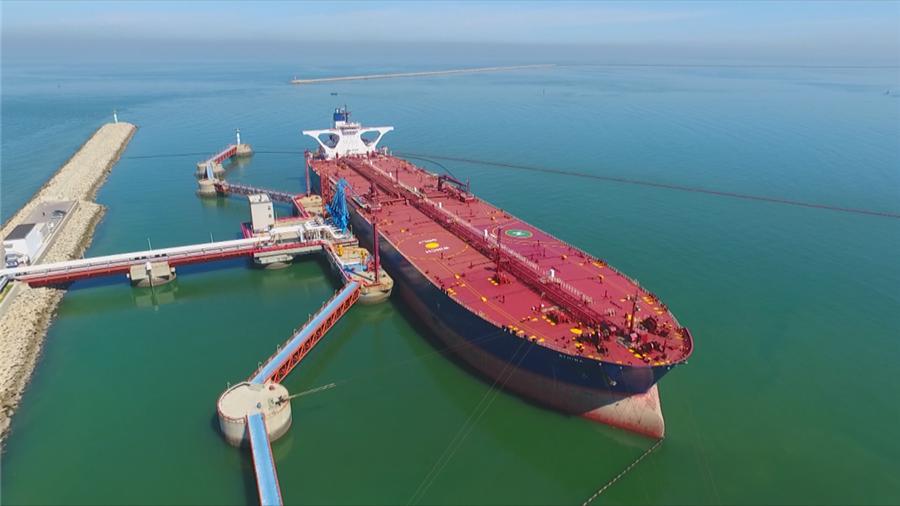
1. Port and Terminal Information
1.1 Yingkou Port operates 24/7 including holidays, with special operations (hazardous cargo, oversized lifts) requiring 48-hour prior notice.
1.2 Main operational terminals:
– Bayuquan Port Area:
• Berths 1-3: Coal (max draft 16.8m, LOA 300m)
• Berths 4-6: Iron ore (max draft 17.5m, LOA 350m)
• Container Terminal: 4 berths (max draft 15m, 2 STS cranes with 65m outreach)
– Yingkou Old Port:
• Berths 7-9: General cargo/Ro-Ro (max draft 9.8m, 150m LOA)
– Xianrendong Port Area:
• Berths 10-12: Liquid bulk (crude/chemicals, max draft 15.2m, vapor recovery systems mandatory)
1.3 Tide restrictions:
– Bayuquan tidal window: +2.5m above chart datum required for vessels >16m draft (tide tables published monthly by Yingkou Maritime Safety Administration).
1.4 Security measures:
– ISPS Level 1 standard at all terminals
– ISPS Level 2 activation: Requires 72-hour notice with submitted security plan and crew background checks
– Restricted areas clearly marked with yellow/black striping
2. Navigation and Anchorage
2.1 VHF communication protocol:
– Continuous monitoring: Ch 16 (emergency), Ch 12 (Port Control)
– Operational channels: Ch 08 (Pilot), Ch 71 (Tug coordination), Ch 14 (VTS)
2.2 Anchorage specifications:
– No.1 Anchorage (40°40’N 122°15’E):
• Capacity: 6 vessels >200m LOA
• Holding ground: Clay/mud (good holding)
• Max stay: 72 hours (extensions require Port Authority approval)
– No.2 Anchorage (40°38’N 122°18’E):
• Capacity: 12 vessels <200m LOA
• Depth: 15-18m
– Emergency Anchorage (40°37’N 122°20’E):
• Priority for vessels with:
◦ Machinery failure
◦ Medical emergencies
◦ Severe weather avoidance
2.3 Ice navigation (December 1 – March 15):
– Mandatory icebreaker escort when:
• Ice thickness >15cm
• Air temperature <-10°C for 48 consecutive hours
– Vessel requirements:
• Minimum ice class: Chinese Class B or equivalent
• Bow thruster operational
• Emergency towing arrangements rigged
2.4 Reporting procedures:
– 72h pre-arrival:
• Submit ETA (±1h accuracy)
• Cargo particulars (especially IMDG)
• Last 10 ports of call
– 24h pre-arrival:
• Confirm bunker ROB
• Crew health declaration
• P&I Club certificate validity
– At reporting point “Yingkou Fairway Buoy” (40°36’N 122°24’E):
• Current draft (fore/aft/midships)
• Defects affecting maneuverability
• Dangerous goods stowage position
3. Pilotage and Tug Services
3.1 Pilotage requirements:
– Compulsory zone: Beyond 3nm from port entrance (Liaodong Bay)
– Boarding area: 40°35’N 122°25’E (NE of No.1 Light Buoy)
– Boarding conditions:
• Minimum freeboard: 1.5m
• Pilot ladder + accommodation ladder combination required for >9m freeboard
• Night operations: Adequate lighting (minimum 50 lux at ladder position)
– Cancellation policy:
• >12h notice: No charge
• 6-12h notice: 50% fee
• <6h notice: Full fee applicable
3.2 Tug assistance:
– Standard requirements:
• Panamax vessels: 2×4000HP (minimum)
• Capesize vessels: 3×6000HP + 1 escort tug (laden condition)
• VLCCs: 4×6000HP (minimum) with two tugs made fast forward
– Special conditions:
• Winter operations (Nov-Mar): +1 additional tug for vessels >50,000 DWT
• Night operations: All tugs must have enhanced lighting/communication
3.3 Mooring arrangements:
– Standard:
• Minimum 8 lines (4 head, 4 stern) for vessels >200m LOA
• Synthetic tails required on all lines
– Winter precautions (Nov-Mar):
• Double mooring lines for vessels >50,000 DWT
• Anti-icing spray on mooring decks
• Hourly line tension checks when temperature <-5°C
4. Cargo Operations
4.1 Dry bulk handling:
– Coal:
• Dust suppression: Water spraying activated when PM10 >150μg/m³
• Loading rate restrictions: Max 8,000 MT/hr during night operations (2200-0600)
• Stockpile management: Minimum 5m separation between different coal grades
– Iron ore:
• Moisture content certification required (TML/FMP)
• Trim requirements: Max 1:50 during loading
– Grain:
• Fumigation certificate must:
◦ Be original document
◦ Specify treatment type/duration
◦ Include gas-free confirmation pre-loading
4.2 Container operations:
– VGM requirements:
• Submission deadline: 12h before loading commences
• Certification method: Weighbridge or calculated (SOLAS VI/2 compliant)
– IMDG handling:
• Stowage plan approval: Port State review required 48h prior
• Segregation: Minimum 3 container tiers between incompatible classes
• Emergency equipment: Dedicated spill kit on standby for Class 3/8 cargo
4.3 Liquid bulk transfer:
– Crude oil:
• Static bonding: Maximum 25 ohms resistance
• Vapor recovery: Mandatory for vessels >20,000 DWT
• SOPEP equipment: Pre-stationed at both manifold connections
– Chemicals:
• Compatibility verification: Matrix signed by both ship/shore representatives
• Inhibitor certification: Required for polymerizing cargoes
• Tank cleaning: Pre-wash certificates for previous cargoes retained
5. Safety Regulations
5.1 Hot work permits:
– Issuance requirements:
• Gas-free certificate (<1% LEL)
• Fire watch posted (minimum 2 crew)
• Portable extinguishers (2×10kg dry powder) within 5m
– Prohibited areas:
• Within 30m of cargo manifolds
• Above fuel oil tanks
5.2 Emergency preparedness:
– Firefighting systems:
• Two operational fire pumps (minimum 120m³/hr capacity each)
• International shore connection: Stored at gangway with 50m of hose
– Gangway watch:
• Continuous monitoring (24/7)
• Safety equipment:
◦ Lifebuoy with light/smoke
◦ Heaving line (30m)
◦ Illumination (minimum 100 lux at night)
5.3 Navigational safety:
– Speed limits:
• Port entrance: ≤8 knots
• Inner basin: ≤5 knots
• During bunkering: ≤3 knots
– AIS requirements:
• Continuous transmission (China MSA Regulation 2021-15)
• Static/voyage data verified against documents
6. Environmental Compliance
6.1 Air emissions control:
– Fuel sulfur limits:
• At berth: ≤0.1% m/m (MARPOL Annex VI)
• Testing: Random sampling by MSA inspectors
– Shore power:
• Mandatory for vessels >3,000 GT from 2024
• Connection protocol: ISO/IEC/IEEE 80005-1 compliant
6.2 Waste management:
– Garbage handling:
• Segregation: 5-category system (MARPOL Annex V)
• Disposal receipts: Retained for 1 year minimum
– Oily waste:
• Zero discharge policy
• Pre-booked reception facilities (24h notice required)
6.3 Ballast water:
– Exchange standards:
• Location: >50nm from shore & >200m depth
• Volume: Minimum 95% exchange per tank (IMO D-1)
– Treatment systems:
• Type-approved systems only (USCG/IMO compliant)
• Contingency plans required for system failures
7. Special Circumstances
7.1 Weather contingencies:
– Typhoon precautions:
• Stage 1 (Beaufort 6): Secure cargo gear
• Stage 2 (Beaufort 8): Vacate berths (tugs standby 1h notice)
• Stage 3 (Beaufort 10): All operations suspended
– Fog procedures:
• Visibility <1000m: Reduced speed
• Visibility <500m: Movement suspended (VTS radar guidance available)
7.2 Winter operations:
– Deck safety:
• Ice accumulations >5cm must be cleared
• Non-slip coatings required on walkways
– Cargo handling:
• Steam-out lines insulated for oils with pour point >10°C
• Coal cargoes: Anti-freeze additives for moisture >8%
7.3 Health measures:
– Pandemic controls:
• Daily temperature logs (all crew)
• Contactless operations preferred
– Medical emergencies:
• Designated hospital: Yingkou Central Hospital (decompression chamber available)
• Telemedicine: MOH-approved video consultation through agents
8. Documentation Requirements
8.1 Pre-arrival documents:
– 72h prior:
• Crew list (with passport/visa details)
• Last 10 ports of call
• Cargo manifest (preliminary)
– 24h prior:
• Bunker ROB declaration
• P&I Club certificate
• Ship Security Plan summary
8.2 Port clearance:
– Mandatory documents:
• Original stamped cargo manifest
• Updated crew vaccination records
• Waste disposal certificates
– Customs requirements:
• Ship’s stamps must exactly match registry documents
• Bonded store inventory listing
8.3 Post-departure:
– Departure report submitted within 1h of sailing
– Feedback form on port services (optional but recommended)
9. Crew Management
9.1 Shore leave:
– Authorization process:
• Immigration clearance required
• Valid seaman’s book + passport
• Port pass issued (valid 24h)
– Restricted zones:
• 5km radius from military installations
• Marked on port-issued maps
9.2 Medical services:
– Designated facilities:
• Yingkou Central Hospital (40°39’N 122°13’E):
◦ Decompression chamber
◦ 24h toxicology unit
– Emergency response:
• Dial 120 for medical ambulance
• Agent coordination required for hospitalization
9.3 Crew changes:
– Requirements:
• 72h advance notice
• PCR test (48h validity)
• Port health clearance
– Logistics:
• Designated crew change area at Bayuquan Terminal
• Chartered transport mandatory
10. Contact Protocols
10.1 Port authorities:
– VTS Center:
• Call sign: “Yingkou Port Radio”
• Working channels: Ch 12/16
– Emergency contacts:
• Maritime SAR: Dial 12395
• Pollution response: +86-417-12369 (Port Authority hotline)
10.2 Agent coordination:
– Mandatory services:
• All commercial communications (bunkers/stores/repairs)
• Customs/immigration clearance
– Verification:
• Check agent’s MSA-issued license
10.3 Regulatory references:
– Key documents:
• China MSA Notice [2023] No.6 (Revised Port Safety Regulations)
• IMO Circular MSC.1/Circ.1598 (Yingkou Special Requirements)
• Yingkou Port Tariff Schedule (2024 Edition)
11. Additional Critical Notices
11.1 Prohibited items:
– Strictly forbidden:
• Drones (without MSA authorization)
• Weapons/firearms
• GPS jammers
• Non-approved communication devices
11.2 Cybersecurity:
– Mandatory measures:
• USB port blocking during port stay
• Two-factor authentication for shore-based network access
• Daily antivirus scan reports submitted to agent
11.3 PSC inspections:
– Focus areas:
• Fire doors (operational test)
• Emergency generator (30s auto-start verification)
• Lifeboat engine (full test run)
• Bridge equipment (updated charts/publications)
– Deficiency categories:
• Grounds for detention: Oil filtering equipment tampering, missing lifesaving equipment
• Common deficiencies: Inadequate muster lists, expired pyrotechnics


