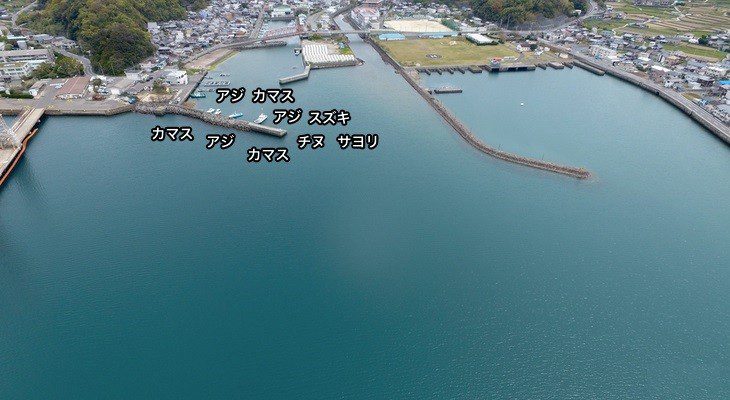

1. Port and Terminal Information
1.1 Yura Port operates 24/7 with prior arrangement. Main terminals include:
– Yura North Terminal: Max LOA 200m, draft 12.5m (tide dependent)
– Yura South Terminal: Max LOA 180m, draft 10.8m
1.2 All terminals equipped with bollards rated 50-150 tons (SWL). Mooring lines must be inspected before use.
1.3 Port coordinates: 35°30’N, 135°45’E (WGS84 datum). Official chart: JHA Chart No. 1112.
2. Navigation and Pilotage
2.1 Mandatory pilotage area extends 3nm from breakwater. Pilot boarding point: 35°31.5’N, 135°46.2’E.
2.2 Main channel depth maintained at 13m (MHWS). Underkeel clearance minimum 10% of draft required.
2.3 Tide range: 1.2m (neap) to 2.5m (spring). Currents may reach 2 knots during ebb tide near South Breakwater.
3. Anchorage Regulations
3.1 Designated anchorage area: 35°29’N-35°32’N, 135°43’E-135°47’E. Max stay 72hrs without port permission.
3.2 Anchoring prohibited within 0.5nm of submarine cable area (marked on charts).
3.3 Vessels >10,000GT must maintain 24hr engine readiness when anchored.
4. Cargo Operations
4.1 Hazardous cargo handling requires 24hr advance notice. IMDG Class 1 explosives prohibited.
4.2 Grain loading: Dust suppression mandatory when wind exceeds 10m/s.
4.3 Container stowage must comply with Japan’s Cargo Securing Manual requirements (MLIT Ordinance No. 15).
5. Safety Requirements
5.1 Port emergency contact: VHF Ch 16/12. Shore rescue team response time: <15 minutes.
5.2 Monthly fire drills required for vessels staying >30 days. Records must be available for inspection.
5.3 Gangways must be illuminated and netted when in use between 1800-0600 LT.
6. Environmental Compliance
6.1 Strict ballast water exchange regulations apply (minimum 200nm from coast).
6.2 MARPOL Annex VI enforced: 0.1% sulfur limit within port limits.
6.3 Oil spill response equipment must be deployed during bunkering operations.
7. Crew Management
7.1 Shore leave permitted with valid seafarer’s ID. Crew changes require 48hr notice to immigration.
7.2 Medical waste disposal through licensed contractors only (port health ordinance Section 8).
7.3 Crew training records for ISPS Code must be available during port state control inspections.
8. Special Notices
8.1 Typhoon season (July-Oct): Vessels must vacate berths when wind exceeds Beaufort 8.
8.2 Annual port closure: Dec 31-Jan 2 for maintenance (except emergency vessels).
8.3 Fishing gear entanglement risk high near approach channel – maintain sharp lookout.
9. Official References
9.1 Japan Coast Guard Notice No. 12/2023 (Yura Port Navigation Safety)
9.2 Wakayama Prefecture Port Regulations (2022 Edition)
9.3 IMO Port Facilities Guide for Western Japan (2021)
10. Port Services and Utilities
10.1 Freshwater supply available at all berths (max pressure 3 bar, capacity 50m³/hr). Prior notice required for large quantities (>200m³).
10.2 Bunkering: Only licensed suppliers permitted (MGO/IFO available). Sampling mandatory during delivery (JIS K 2536 standard).
10.3 Garbage disposal: Segregated waste collection points at each terminal (no incineration allowed ashore).
11. Vessel Traffic Management
11.1 AIS transmission mandatory within port limits (JMTS monitoring enforced).
11.2 Speed limit: 8 knots in inner harbor, 12 knots in approach channel.
11.3 Vessels >150m LOA must confirm turning basin clearance 2hrs before maneuvering.
12. Customs and Immigration
12.1 Pre-arrival documentation must include: Crew list (Form C-1000), Maritime Declaration of Health.
12.2 Weapons/ammunition declaration required 72hrs in advance (Japan Customs Form No. 38).
12.3 Prohibited items: Drones, satellite phones without MHLW approval.
13. Port Dues and Charges
13.1 Harbor dues calculated per GT/day (Wakayama Prefecture Tariff Schedule 2024).
13.2 Overtime charges apply for operations outside 0800-1700 (150% normal rate).
13.3 Waste disposal fee: ¥5,000/ton (minimum charge ¥20,000).
14. Weather Considerations
14.1 Winter (Dec-Feb): Northerly winds may reach 25 knots. Mooring lines must be checked hourly.
14.2 Fog season (May-Jun): Vessels must sound fog signals when visibility <1nm.
14.3 Tsunami protocol: Immediate departure required for warnings >1m (designated escape routes marked on port charts).
15. Ship Repair and Surveys
15.1 Dry docking available at Yura Shipyard (max 20,000DWT). Prior booking required.
15.2 Class society inspectors must present accreditation from Japan Ministry of Land, Infrastructure, Transport and Tourism.
15.3 Hot work permits issued only after gas-free certification (OSHA standards apply).
16. Local Regulations
16.1 Discharge of any gray water prohibited within 12nm of coast (Wakayama Environmental Ordinance).
16.2 Use of anchors prohibited within 500m of coral protection zones (marked by yellow buoys).
16.3 Night navigation restrictions apply to vessels carrying Class 3 flammable liquids.
17. Emergency Procedures
17.1 Oil spill response: Immediate report required (Japan Coast Guard Hotline +81-78-391-6561).
17.2 Medical emergencies: Designated hospital (Yura Port Medical Center) has decompression chamber.
17.3 Security incidents: ISPS Level 1 enforced. Armed guards require special permission.
18. Additional Operational Notes
18.1 Tug assistance compulsory for vessels >10,000GT (minimum 2 tugs).
18.2 Deck cargo must be resecured after 24hr port stay (Port State Control focus item).
18.3 Use of ship’s cranes prohibited during rain exceeding 50mm/hr (safety cutoff sensors required).
19. Official Contact Points
19.1 Port Control: VHF Ch 12 (call sign “Yura Port Radio”)
19.2 Harbor Master’s Office: +81-738-42-0111 (verified 2024)
19.3 Japan Coast Guard (Yura Station): +81-738-42-0110
20. Berthing and Mooring Requirements
20.1 All vessels must deploy minimum 4 mooring lines (2 head, 2 stern) at all berths. Additional spring lines required for vessels >150m LOA.
20.2 Synthetic mooring ropes prohibited – only steel wire or certified synthetic blend ropes (ISO 2307 standard) permitted.
20.3 Tidal range compensation devices mandatory for vessels staying >6 hours at high tidal variation periods.
21. Dangerous Goods Handling
21.1 IMDG Class 2.1 gases require 500m safety zone during operations. No simultaneous hot work permitted within this radius.
21.2 Toxic liquid substances (IMDG Class 6.1) must have dedicated containment systems with secondary barrier protection.
21.3 Radioactive materials (Class 7) handling restricted to Yura North Terminal only, with prior 72-hour notification to Japan Nuclear Regulation Authority.
22. Port Security Measures
22.1 ISPS Level 1: Continuous deck patrols required for vessels at berth. Logs must be maintained for inspection.
22.2 All visitors must present passport/ID to port security and wear visible identification badges while in port area.
22.3 Vessel access points must be illuminated and monitored between sunset and sunrise (infrared CCTV acceptable).
23. Cargo Documentation
23.1 Original Bill of Lading must be presented for all general cargo prior to discharge (electronic B/L accepted with prior arrangement).
23.2 Hazardous cargo manifests must include Japanese translations of proper shipping names (JIS Z 8303 format).
23.3 Timber cargo certificates must verify fumigation compliance with Japan Plant Protection Law Article 12.
24. Vessel Inspection Requirements
24.1 Port State Control inspections target vessels with:
– 3+ deficiencies in last 12 months
– Over 12 months since last inspection
– Carrying high-risk cargoes
24.2 Tokyo MOU inspection checklist applies (2023 revision). Special attention given to:
– Emergency fire pump operation
– Oil record book entries
– Garbage management plan compliance
25. Navigational Aids
25.1 Main channel marked by IALA Buoyage System Region B:
– Red buoys (port side) with quick-flash lights
– Green buoys (starboard) with group-flash lights
25.2 Leading lights alignment (bearing 145°T) marks safe approach axis.
25.3 Virtual AIS aids to navigation (ATON) broadcast on CH87B – vessels must verify reception upon entry.
26. Communication Protocols
26.1 Initial contact with Yura Port Control must include:
– Vessel name/call sign
– ETA (UTC+9)
– Last port of call
– Dangerous goods (if any)
26.2 Mandatory reporting points (VHF Ch 12):
– When passing Breakwater Light (12nm out)
– When abeam of Channel Buoy Y3
– When secured at berth
27. Special Cargo Considerations
27.1 Oversized cargo (project cargo) handling:
– Maximum single lift 150 tons at Yura South Terminal
– Road escort required for movements beyond port gates
27.2 Refrigerated containers:
– Temperature logs must be provided for perishable goods
– On-dock power supply limited to 50 plugs per vessel
27.3 Steel coils:
– Edge protection mandatory for all coil handling
– Maximum stack height 3 coils in terminal storage areas
28. Bunker Quality Control
28.1 All bunker deliveries must be accompanied by:
– ISO 8217 fuel analysis certificate
– MARPOL Annex VI fuel oil non-availability report (if applicable)
28.2 Sampling procedure:
– Continuous drip method required
– 4 identical samples (vessel, supplier, port authority, independent)
28.3 Bunker dispute resolution through Japan Ministry of Economy, Trade and Industry (METI) appointed surveyors only.
29. Crew Health Protocols
29.1 Mandatory health declarations for all crew/passengers arriving from:
– Countries with active WHO Public Health Emergency declarations
– Areas with recent outbreak reports (past 30 days)
29.2 Quarantine anchorages designated for vessels reporting:
– Suspected communicable diseases
– Unexplained deaths onboard
29.3 Port medical officer may deny shore leave for crew with:
– Fever >38°C
– Undocumented vaccinations
– Open wounds without proper dressings
30. Port Infrastructure Limitations
30.1 Air draft restrictions:
– 45m clearance at high tide (MHWS) for main channel
– 38m at Yura South Terminal (overhead crane limitation)
30.2 Berth load capacity:
– 5 t/m² for general cargo areas
– 10 t/m² for container stacking zones
30.3 Power supply:
– 440V/60Hz shore power available at selected berths
– Maximum 2MVA connection capacity per vessel
31. Vessel Traffic Separation Scheme (TSS)
31.1 Mandatory TSS compliance within 20nm of port entrance (Japan Coast Guard Regulation No. 15-2022)
31.2 Westbound traffic lane: 135°T-315°T (1nm width)
31.3 Eastbound traffic lane: 315°T-135°T (1nm width)
31.4 Separation zone: 0.5nm between traffic lanes (marked by yellow buoys)
32. Port Emergency Response
32.1 Oil spill response capacity:
– Tier 1: Up to 50 tons (port resources)
– Tier 2: 50-500 tons (regional resources)
– Tier 3: 500+ tons (national resources)
32.2 Emergency muster points clearly marked at 200m intervals along all quays
32.3 Port firefighting capability:
– 4 fireboats with 5,000m³/hr pumping capacity
– Foam stations every 100m at hazardous cargo berths
33. Special Marine Protected Areas
33.1 No-anchoring zones established for:
– Yura Marine Park (35°28’N, 135°44’E)
– Artificial reef area (35°29’N, 135°42’E)
33.2 Speed limit 5 knots within 1nm of protected areas
33.3 Mandatory reporting of marine mammal sightings within port limits
34. Vessel Waste Management
34.1 Prohibited discharges:
– Sewage within 3nm (treated) or 12nm (untreated)
– Food waste within 1nm (processed) or 12nm (unprocessed)
34.2 Accepted waste categories:
– Category X (hazardous) – special handling required
– Category Y (non-hazardous) – standard fees apply
– Category Z (recyclables) – reduced fees available
35. Port Meteorological Services
35.1 Real-time weather data available:
– Wind speed/direction (updated every 10 minutes)
– Wave height (ultrasonic sensors at breakwaters)
– Visibility (laser-based sensors at channel markers)
35.2 Storm warning thresholds:
– Stage 1 alert: Sustained winds >15m/s
– Stage 2 alert: Sustained winds >20m/s
– Stage 3 alert: Sustained winds >25m/s
36. Ship Chandler Services
36.1 Approved providers only (Port Authority License No. required)
36.2 Delivery hours restricted to 0600-2200 local time
36.3 Mandatory documentation for all deliveries:
– Customs declaration (Form C-2100)
– Material Safety Data Sheets for chemicals
– Proof of VAT payment for local purchases
37. Port Labor Regulations
37.1 Stevedore working hours:
– Standard shift: 0800-1700 (1hr lunch break)
– Overtime rates apply after 8 hours/day
37.2 Minimum gang sizes:
– General cargo: 6 workers + 1 foreman
– Containers: 8 workers + 2 crane operators
– Bulk cargo: 10 workers + 1 supervisor
38. Electronic Reporting Requirements
38.1 Mandatory pre-arrival submissions via JP-MARINE system:
– FAL Form 1 (General Declaration)
– FAL Form 3 (Crew Effects Declaration)
– FAL Form 4 (Ship’s Stores Declaration)
38.2 Data submission deadlines:
– 24 hours prior for vessels >500GT
– 12 hours prior for vessels <500GT
– Updates required for ETA changes >1 hour
39. Port Lighting Requirements
39.1 Minimum illumination levels:
– Working decks: 150 lux minimum
– Mooring areas: 200 lux minimum
– Cargo holds: 100 lux minimum
39.2 Navigation light verification required during daylight hours for:
– Vessels >100m LOA
– Towed units
– Vessels carrying dangerous goods
40. Ice Navigation Procedures
40.1 Winter precautions (December-March):
– Anti-icing spray systems recommended for deck equipment
– Mooring line heaters required when temperature < -5°C
– Gangway de-icing every 2 hours during operations
40.2 Ice reporting requirements:
– >1/10 ice concentration must be reported to Port Control
– Vessels must declare ice class when entering port
41. Vessel Manning Requirements
41.1 Minimum bridge team during port operations:
– 2 licensed officers for vessels >10,000GT
– 1 licensed officer + 1 lookout for vessels <10,000GT
41.2 Engine room watchkeeping:
– Continuous manned operation required for vessels >3,000GT
– Remote monitoring acceptable for vessels <3,000GT with approved systems
42. Port Clearance Procedures
42.1 Documents required for departure clearance:
– Completed Customs Form C-3100
– Port dues payment receipt
– Crew list verification stamp from Immigration
42.2 Average processing time:
– 2 hours for standard clearance
– 4 hours for vessels carrying restricted cargo
43. Underwater Operations
43.1 Diving operations require:
– 24-hour advance notice to Port Authority
– Display of Code Flag ‘A’ during operations
– Dedicated safety boat when working in navigational channels
43.2 Prohibited diving areas:
– Within 200m of active berths
– Within channel boundaries during high traffic periods
44. Vessel Air Emissions Control
44.1 Continuous monitoring required for:
– SOx emissions (max 0.1% sulfur content)
– NOx emissions (Tier III standards for vessels built after 2021)
44.2 Shore power connection incentives:
– 15% reduction in port dues for vessels using shore power >4 hours
– Priority berthing for vessels with cold ironing capability
45. Port Storage Regulations
45.1 Maximum storage periods:
– General cargo: 30 days
– Dangerous goods: 7 days (special extension possible)
– Refrigerated containers: 14 days
45.2 Storage area security requirements:
– CCTV coverage for all storage zones
– Fenced perimeter with access control
– Weekly inventory checks mandatory
46. Tidal Current Predictions
46.1 Maximum current velocities:
– Flood tide: 2.8 knots at main channel constriction
– Ebb tide: 3.2 knots near breakwater entrance
46.2 Slack water periods:
– Average duration: 32 minutes
– Most favorable for large vessel movements
47. Vessel Draft Surveys
47.1 Certified draft surveyors available through:
– Japan Cargo Survey Corporation (JCSC)
– Nippon Kaiji Kentei Kyokai (ClassNK)
47.2 Minimum requirements for draft surveys:
– Calm weather conditions (wind < Beaufort 3)
– Stable vessel trim (<1m difference fore/aft)
– Certified draft marks on both port/starboard sides
48. Port Night Operations
48.1 Lighting requirements for night cargo work:
– Minimum 200 lux at working areas
– Redundant lighting systems required for hazardous cargo
48.2 Restricted operations after 2200 hours:
– No bulk cargo operations in residential areas
– No horn signals except emergency situations
– Reduced speed for all service vehicles
49. Vessel Trim Requirements
49.1 Maximum allowable trim during operations:
– Container ships: 1m by stern maximum
– Bulk carriers: 2m by stern maximum
– Tankers: 3m by stern maximum
49.2 Trim monitoring:
– Hourly checks required during loading/unloading
– Automatic sensors must be calibrated quarterly
50. Port Wildlife Protection
50.1 Protected species in port area:
– Black-tailed gulls (April-September nesting season)
– Japanese horseshoe crabs (May-July spawning period)
50.2 Required mitigation measures:
– Reduced lighting during turtle hatching season (June-August)
– Noise restrictions near bird nesting areas
– Speed limits in marine mammal corridors
51. Port Radio Communication Protocols
51.1 Primary working channels:
– Channel 12: Port operations and vessel movements
– Channel 14: Pilot and tug communications
– Channel 16: Emergency communications only
51.2 Mandatory radio checks:
– Initial contact at 12nm from port entrance
– Confirmation upon entering breakwaters
– Final check when secured alongside
52. Vessel Stability Requirements
52.1 Minimum stability criteria during cargo operations:
– GM ≥ 0.30m at all times
– Maximum list angle of 5 degrees
52.2 Stability calculations must account for:
– Crane loads during lifting operations
– Free surface effects in partially filled tanks
– Local wind forces exceeding 20m/s
53. Port Sanitation Controls
53.1 Mandatory vessel inspections for:
– Rodent infestation (International Health Regulations)
– Mosquito breeding sites (Japan Quarantine Act)
– Food storage conditions (Public Health Ordinance)
53.2 Disinfection requirements:
– Galleys and food preparation areas
– Medical facilities and sick bays
– Potable water tanks after certain voyages
54. Heavy Weather Precautions
54.1 Typhoon preparedness measures:
– Double mooring lines when sustained winds >15m/s
– Gangway removal when winds >20m/s
– Evacuation of non-essential personnel when winds >25m/s
54.2 Emergency anchorage areas:
– Designated typhoon moorings (chart reference TY-1 to TY-3)
– Minimum 500m separation between vessels
55. Port Timekeeping Standards
55.1 Official port time:
– Japan Standard Time (UTC+9)
– No daylight saving time adjustments
55.2 Critical timing requirements:
– Tide tables use port reference datum (PRD)
– All official documents must use 24-hour format
– Radio time checks broadcast hourly on VHF Ch 12
56. Vessel Paint and Coatings
56.1 Prohibited substances:
– Tributyltin (TBT) based antifouling
– Copper-based coatings exceeding 50% content
56.2 Required documentation:
– Coating technical files for hull inspections
– Paint inventory records for hazardous materials
57. Port Noise Regulations
57.1 Daytime limits (0700-2200):
– 75 dB(A) at property boundaries
– 65 dB(A) in residential areas
57.2 Nighttime restrictions (2200-0700):
– No cargo operations exceeding 60 dB(A)
– Engine tests prohibited without exemption
58. Vessel Certification Requirements
58.1 Mandatory certificates for port entry:
– Class certificate (valid within 3 months)
– P&I insurance confirmation
– ISM Document of Compliance
58.2 Special certificates for certain operations:
– DG handling endorsement for hazardous cargo
– Ice class certificate (winter months)
59. Port Water Supply Standards
59.1 Potable water quality:
– Meets Japan Water Works Law standards
– Chlorine residual 0.1-0.4 mg/L
– Monthly testing reports available
59.2 Supply limitations:
– Maximum 100m³/hr per connection
– Advance notice required for >500m³ quantities
60. Vessel Maintenance Restrictions
60.1 Prohibited activities without permit:
– Hot work in port area
– Tank cleaning operations
– Major engine overhauls
60.2 Allowable maintenance with notification:
– Routine equipment checks
– Minor non-spark producing repairs
– Emergency repairs with safety precautions
61. Port Cybersecurity Requirements
61.1 Mandatory vessel cybersecurity measures:
– ISPS Code compliant network segmentation
– Regular penetration testing (minimum annual)
– Bridge systems air-gapped from crew networks
61.2 Reporting requirements:
– Cyber incidents reported within 1 hour of detection
– Suspicious activity reported to Japan Coast Guard Cyber Command
62. Ballast Water Management
62.1 Compliance with Japan BWM Regulations:
– D-2 standard required for all vessels
– Ballast water records maintained for 3 years
62.2 Sampling and testing:
– Random inspections by port state control
– Zero tolerance for non-compliant discharges
63. Port Access Control
63.1 Biometric identification requirements:
– Fingerprint scanning for all port workers
– Facial recognition for high-security areas
63.2 Vessel access restrictions:
– No unauthorized personnel in engine rooms
– Designated visitor routes marked in yellow
64. Vessel Fuel Switching Procedures
64.1 Mandatory switch to low-sulfur fuel:
– Within 1nm of port entrance
– Complete changeover before berthing
64.2 Documentation requirements:
– Fuel changeover logbook entries
– Bunker delivery notes available for inspection
65. Port Environmental Monitoring
65.1 Continuous air quality monitoring:
– SO2, NOx, and PM2.5 levels
– Real-time data displayed at port entrance
65.2 Water quality sampling:
– Weekly tests for oil content and pH
– Monthly comprehensive chemical analysis
66. Vessel Crew Change Procedures
66.1 Immigration requirements:
– Seaman’s book and passport verification
– Health declaration forms for all crew
66.2 Designated crew change areas:
– North Terminal Building (24/7 access)
– Mandatory shuttle bus service to city
67. Port Lighting Restrictions
67.1 Dark sky compliance measures:
– Full cutoff luminaires required
– No upward-directed lighting
67.2 Turtle nesting season adjustments:
– Amber lighting only on beaches (May-September)
– Reduced lighting levels after 2200
68. Vessel Anchorage Protocols
68.1 Designated anchorage areas:
– Anchorage A: Vessels <150m LOA
– Anchorage B: Vessels >150m LOA
68.2 Anchoring restrictions:
– No anchoring in cable areas (chart marked)
– Maximum 5:1 scope in normal conditions
69. Port Waste Recycling
69.1 Mandatory separation:
– Plastics, metals, paper, glass
– Food waste (separate composting)
69.2 Recycling targets:
– 65% total waste recycled (2024 standard)
– 90% for operational waste
70. Vessel Safety Equipment
70.1 Port-specific requirements:
– Additional lifejackets for shore workers
– Bilingual emergency instructions
70.2 Inspection focus areas:
– Firefighting equipment accessibility
– Emergency lighting functionality
– Lifeboat launch readiness
71. Port Digital Documentation
71.1 Mandatory e-documents for clearance:
– Electronic Certificate of Registry (e-COR)
– Digital Crew List (IMO Standard Format)
– e-Health Declaration (WHO compliant)
71.2 Accepted file formats:
– PDF/A for long-term archiving
– XML for automated processing
– IMO Compendium format preferred
72. Vessel Speed Restrictions
72.1 Speed limits in port waters:
– 8 knots in main channel
– 5 knots within 500m of berths
– 3 knots in tug operation areas
72.2 Enforcement methods:
– AIS speed monitoring
– Radar tracking with automatic alerts
– Port patrol vessel surveillance
73. Port Cold Ironing Facilities
73.1 Shore power connections available at:
– Berths 1-5 (440V/60Hz)
– Berths 6-10 (6.6kV/60Hz)
73.2 Connection procedures:
– Minimum 2 hour advance notice required
– Certified electrician must supervise hookup
– Power quality monitoring during operation
74. Vessel Hull Cleaning
74.1 Prohibited activities:
– Underwater cleaning without containment
– Cleaning of foulable surfaces in port
74.2 Approved cleaning methods:
– Dry-dock cleaning only
– Contained ROV cleaning with waste recovery
– Biocide-free cleaning solutions required
75. Port Emergency Drills
75.1 Mandatory quarterly exercises:
– Oil spill response (all terminal operators)
– Firefighting coordination (with vessels)
– Mass evacuation procedures
75.2 Drill documentation:
– Video recording of all major exercises
– After-action reports submitted within 7 days
– Corrective action tracking system
76. Vessel AIS Requirements
76.1 Mandatory AIS data fields:
– Accurate draft information (updated hourly)
– Hazardous cargo indicator when applicable
– ETA with 15-minute precision
76.2 AIS monitoring:
– Port control verifies data accuracy
– Automatic alerts for missing/erroneous data
– Monthly AIS equipment checks required
77. Port Cargo Securing
77.1 Container lashing standards:
– CSC plates visible and legible
– Twist locks properly engaged
– Stack weights within marked limits
77.2 Breakbulk cargo requirements:
– Certified dunnage materials only
– Load spreaders for heavy units
– Daily lashing inspections in transit
78. Vessel Bunkering Procedures
78.1 Safety zone requirements:
– 30m radius during bunkering
– No hot work within 50m
– Fire hoses deployed and charged
78.2 Bunker quality assurance:
– MARPOL samples taken jointly
– Mass flow meters certified
– Continuous temperature monitoring
79. Port Wildlife Management
79.1 Bird deterrent measures:
– Acoustic devices at grain terminals
– Visual scare systems on cranes
– Habitat management programs
79.2 Marine mammal protocols:
– Reduced speed zones during migrations
– Trained observers during pile driving
– Passive acoustic monitoring systems
80. Vessel Garbage Handling
80.1 Port reception facilities:
– 24/7 availability for hazardous waste
– Separate streams for recyclables
– Compactor units for volume reduction
80.2 Documentation requirements:
– Garbage Record Book entries
– Weight tickets for all discharges
– Waste tracking numbers issued
81. Port Digital Navigation
81.1 Electronic Navigational Chart (ENC) requirements:
– Latest edition of JP-XXXX series charts required
– Weekly updates through ENC Service Provider
– Backup paper charts must be available
81.2 ECDIS operating standards:
– Dual independent ECDIS systems for vessels >10,000GT
– Route checking prior to port entry
– Overlay of port-specific information layers
82. Vessel Mooring Equipment
82.1 Certified mooring arrangements:
– Minimum breaking load (MBL) marked on all lines
– Synthetic lines must have UV protection
– Quarterly load testing of mooring bollards
82.2 Emergency release systems:
– Quick-release mechanisms on all berths
– Annual function testing required
– Clear operating instructions posted
83. Port Dangerous Goods Storage
83.1 Segregation requirements:
– Class 1 explosives: Minimum 500m from other DG
– Class 2.1 flammable gases: 50m separation
– Class 8 corrosives: Dedicated concrete pad storage
83.2 Monitoring systems:
– Continuous gas detection for flammable storage
– Temperature monitoring for refrigerated DG
– CCTV with 30-day archive
84. Vessel Bridge Resource Management
84.1 Port-specific BRM procedures:
– Designated lookout during complex maneuvers
– Cross-checking of all navigational inputs
– Confirmation of pilot instructions
84.2 Communication protocols:
– Standard marine communication phrases
– Read-back of critical instructions
– Designated communication officer
85. Port Sediment Management
85.1 Dredging operations schedule:
– Maintenance dredging: March-April annually
– Capital dredging: As per published notices
85.2 Disposal requirements:
– Licensed disposal sites only
– Real-time turbidity monitoring
– Independent environmental supervision
86. Vessel Freshwater Management
86.1 Water conservation measures:
– Flow restrictors on all shore connections
– Mandatory water recycling for vessel cleaning
– Leak detection systems required
86.2 Quality standards:
– Monthly bacteriological testing
– Continuous chlorine residual monitoring
– Annual pipework disinfection
87. Port VTS Services
87.1 Vessel Traffic Service coverage:
– Radar coverage to 25nm offshore
– AIS coverage throughout port limits
– 24/7 multilingual operator support
87.2 Reporting points:
– 12nm, 6nm and 3nm from port entrance
– Mandatory position reports at each waypoint
– Automated position verification
88. Vessel Paint Management
88.1 Coating application restrictions:
– No spraying during rain or high winds
– Containment systems for overspray
– VOC limits of 350g/l for new coatings
88.2 Waste paint handling:
– Separate collection for hazardous waste
– Professional disposal contractors only
– Detailed waste manifests required
89. Port Security Zones
89.1 Restricted access areas:
– ISPS Level 1: ID card required
– ISPS Level 2: Escort required
– ISPS Level 3: No unauthorized access
89.2 Surveillance measures:
– Thermal cameras at perimeter
– Underwater sonar monitoring
– Random patrols by K-9 units
90. Vessel Energy Efficiency
90.1 Port incentives for efficient vessels:
– 10% dues reduction for EEDI Phase 3 compliance
– Priority berthing for hybrid/electric vessels
– Shore power discounts for certified green ships
90.2 Monitoring requirements:
– Noon reports submitted daily
– Fuel consumption tracking
– CO2 emissions reporting
91. Port Meteorological Services
91.1 Real-time weather monitoring:
– Automated stations at 5 key locations
– Wind speed/direction updates every 5 minutes
– Storm warning system with 6-hour lead time
91.2 Vessel weather reporting requirements:
– Hourly observations during severe weather
– Special reports for sudden wind shifts >45°
– Wave height measurements at entrance buoys
92. Vessel Dynamic Positioning
92.1 DP operations approval process:
– 72-hour advance notice required
– DP capability statement submission
– Pre-operation checklist verification
92.2 DP failure contingencies:
– Immediate transition to conventional mooring
– Dedicated standby tug during critical ops
– Automatic position logging every 30 seconds
93. Port Fire Safety Systems
93.1 Fixed firefighting infrastructure:
– Foam deluge systems at all oil berths
– Hydrant spacing ≤ 60m throughout terminals
– Remote-controlled monitors on piers
93.2 Emergency response standards:
– 3-minute response time guarantee
– Mutual aid agreements with nearby ports
– Annual joint drills with local fire departments
94. Vessel Cargo Documentation
94.1 Electronic cargo manifests:
– IMO FAL Standard XML format required
– Advance submission 24 hours pre-arrival
– Blockchain verification for high-value cargo
94.2 Special cargo requirements:
– Notarized weight certificates for heavy lifts
– Phytosanitary certificates for agricultural goods
– Radiation screening for scrap metal shipments
95. Port Lighting Standards
95.1 Navigational lighting specifications:
– LED technology mandatory for new installations
– 2 lux minimum at all walkways
– Emergency lighting duration ≥ 3 hours
95.2 Lighting restrictions:
– No upward light projection
– 50% power reduction after 2300 hours
– Turtle-friendly wavelength requirements May-Oct
96. Vessel Bunker Sampling
96.1 Mandatory sampling procedures:
– Continuous drip method during transfer
– 4-way split samples (vessel/port/lab/archive)
– Tamper-evident seals with unique numbers
96.2 Laboratory testing standards:
– ISO 8217 compliance verification
– Sulfur content analysis within 4 hours
– Microbial contamination screening
97. Port Crane Operations
97.1 Load handling protocols:
– 95% SWL limit for normal operations
– Wind speed restrictions per load chart
– Dual operator verification for >20t lifts
97.2 Maintenance requirements:
– Weekly wire rope inspections
– Monthly brake testing
– Annual NDT of critical components
98. Vessel Medical Preparedness
98.1 Port medical facilities:
– 24/7 trauma center with decompression chamber
– Infectious disease isolation units
– Telemedicine links to major hospitals
98.2 Vessel medical equipment checks:
– Medication expiration date monitoring
– AED monthly functionality tests
– Quarantine capability verification
99. Port Sediment Control
99.1 Erosion prevention measures:
– Vegetated buffer zones along waterfront
– Silt curtains during construction
– Permeable paving in storage areas
99.2 Water quality monitoring:
– Turbidity measurements every 4 hours
– Heavy metal screening weekly
– Oil content alarms at stormwater outfalls
100. Vessel Waste Heat Recovery
100.1 Approved WHR systems:
– Organic Rankine Cycle units
– Exhaust gas economizers
– Hybrid thermo-electric generators
100.2 Performance reporting:
– Monthly energy recovery metrics
– Annual efficiency certification
– Carbon credit documentation
101. Port Ice Navigation Procedures
101.1 Winter navigation requirements:
– Ice class 1A vessels only December-March
– Mandatory icebreaker escort when thickness >30cm
– Reduced speed limits in ice conditions
101.2 Ice monitoring systems:
– Satellite ice charts updated twice daily
– Port webcam network with thermal imaging
– Ice thickness sensors at critical turns
102. Vessel Hull Inspection Standards
102.1 Underwater inspection requirements:
– ROV inspection every 12 months minimum
– Hull cleaning prior to inspection
– Cathodic protection system verification
102.2 Inspection documentation:
– HD video recording of entire hull
– Thickness measurements at reference points
– Fouling assessment using standardized scales
103. Port Emergency Communication
103.1 Redundant communication systems:
– Primary: Digital UHF radio network
– Secondary: Satellite phones
– Tertiary: Hardwired intercom stations
103.2 Emergency broadcast protocols:
– Simultaneous multilingual alerts
– Strobe light activation for hearing impaired
– Automated SMS to registered mobile devices
104. Vessel Cargo Lashing Certification
104.1 Lashing material standards:
– ISO 3874 compliant twist locks
– EN 12195 certified lashing chains
– UV-resistant synthetic lashings
104.2 Inspection and testing:
– Proof load testing every 2 years
– MPI for all structural components
– Rejection criteria clearly marked
105. Port Noise Abatement Measures
105.1 Equipment noise limits:
– 72 dB(A) for gantry cranes
– 85 dB(A) for RTGs with mufflers
– 65 dB(A) for generator sets
105.2 Operational restrictions:
– No container dropping after 2200
– Rubber-tired gantry crane curfews
– Mandatory noise barriers for certain operations
106. Vessel Fuel Efficiency Monitoring
106.1 Data collection requirements:
– Noon reports with fuel measurements
– Main engine power output logs
– Speed through water recordings
106.2 Analysis and reporting:
– Monthly EEOI calculations
– Annual CII certification
– Benchmarking against vessel class averages
107. Port Dangerous Goods Training
107.1 Certification programs:
– IMDG Code awareness (annual refresher)
– Class-specific specialization courses
– Emergency response team training
107.2 Practical competency assessments:
– Live fire exercises with DG materials
– Spill containment drills
– Personal protective equipment proficiency
108. Vessel Ballast Water Reporting
108.1 Electronic reporting system:
– Web-based portal for advance submission
– Automated data validation checks
– Integration with maritime single window
108.2 Mandatory data fields:
– Ballast water volume and origin
– Treatment system performance data
– Sediment disposal records
109. Port Cybersecurity Protocols
109.1 Network security requirements:
– Air-gapped operational technology systems
– Multi-factor authentication for all users
– Weekly vulnerability scans
109.2 Incident response procedures:
– 15-minute escalation protocol
– Forensic data preservation
– Regulatory notification timelines
110. Vessel Waste Management Audits
110.1 Inspection criteria:
– Segregation of waste streams
– Proper labeling of hazardous materials
– Accurate record book entries
110.2 Compliance scoring system:
– 100-point checklist evaluation
– Tiered enforcement actions
– Public disclosure of audit results
111. Port Tidal Monitoring Systems
111.1 Real-time tidal data collection:
– Ultrasonic sensors at 15-minute intervals
– Storm surge prediction modeling
– Public dashboard with live updates
111.2 Vessel tidal restrictions:
– Air draft clearance calculations required
– Spring tide speed limitations
– Neap tide docking procedures
112. Vessel Emergency Towing
112.1 Standardized connection points:
– ISO 24157 compliant towing arrangements
– Bright yellow marking for quick identification
– Pre-rigged emergency tow lines
112.2 Drills and preparedness:
– Quarterly emergency towing exercises
– Tug master-vessel bridge team coordination
– GPS-tracked drift modeling
113. Port Hazardous Area Classification
113.1 Zone demarcation standards:
– Zone 0: Continuous hazard areas
– Zone 1: Intermittent hazard areas
– Zone 2: Rare hazard areas
113.2 Equipment certification requirements:
– ATEX/IECEx certified devices
– Intrinsically safe barriers
– Regular integrity testing
114. Vessel Freshwater Generation
114.1 Water production limits:
– Maximum 20m³/day without permit
– Zero liquid discharge requirements
– Brine disposal tracking
114.2 Quality control measures:
– Daily TDS measurements
– Weekly bacteriological tests
– Annual membrane integrity checks
115. Port Wildlife Protection
115.1 Migratory bird protocols:
– Lighting curfews during migration seasons
– Habitat preservation zones
– Acoustic deterrent systems
115.2 Marine species monitoring:
– Underwater noise level restrictions
– Cetacean observation reporting
– Turtle exclusion devices on water intakes
116. Vessel Exhaust Gas Cleaning
116.1 Approved scrubber systems:
– Hybrid systems with closed-loop capability
– pH monitoring and neutralization
– Sludge handling documentation
116.2 Discharge regulations:
– Zero discharge in port limits
– Washwater sampling requirements
– Real-time emission monitoring
117. Port Heavy Lift Operations
117.1 Specialized handling requirements:
– Engineering review for >100t lifts
– Ground bearing pressure analysis
– Wind speed operational limits
117.2 Safety management:
– Load path clearance verification
– Dual-signalman system
– Dynamic load factor calculations
118. Vessel Anchor Chain Inspection
118.1 Maintenance standards:
– Annual MPI of joining links
– 5-year chain cable certification
– Wear limit gauges provided
118.2 Deployment protocols:
– Minimum scope requirements by depth
– Swing circle calculations
– Emergency release procedures
119. Port Stormwater Management
119.1 Runoff control systems:
– Oil-water separators at all drains
– First flush diversion systems
– Retention basin capacity requirements
119.2 Monitoring and reporting:
– Automatic sampling during rainfall
– Quarterly sediment removal
– Annual system performance audits
120. Vessel Digital Logbooks
120.1 Mandatory electronic records:
– Engine room parameters (hourly logs)
– Navigation data (15-minute intervals)
– Security events (real-time recording)
120.2 Data integrity requirements:
– Blockchain timestamp verification
– Read-only archive copies
– 7-year retention period