1. Port Overview
Yura Port is a regional port classified under “Important Ports” by the Japanese Ministry of Land, Infrastructure, Transport and Tourism (MLIT). Located in Wakayama Prefecture (33°57’N, 135°06’E), it primarily handles industrial materials, petroleum products, and containerized cargo. The port is managed by Wakayama Prefectural Government under the Port and Harbor Law (Port Regulations Act No. 218 of 1950).
2. Legal Framework
2.1 International Conventions:
– SOLAS 1974 (Chapter V – Safety of Navigation)
– MARPOL 73/78 (Annex I, IV, V – Waste Management)
– ISPS Code (Security Compliance)
2.2 National Laws:
– Port Regulations Act (Act No. 218 of 1950)
– Ship Safety Act (Act No. 11 of 1933)
– Waste Management and Public Cleansing Act (Act No. 137 of 1970)
3. Navigation Rules
3.1 Vessel Traffic Service (VTS):
– Mandatory reporting via VHF Ch.16/12 when entering port limits (3nm radius from breakwater head)
– Speed limit: 8 knots within inner harbor (marked by buoys)
3.2 Restricted Areas:
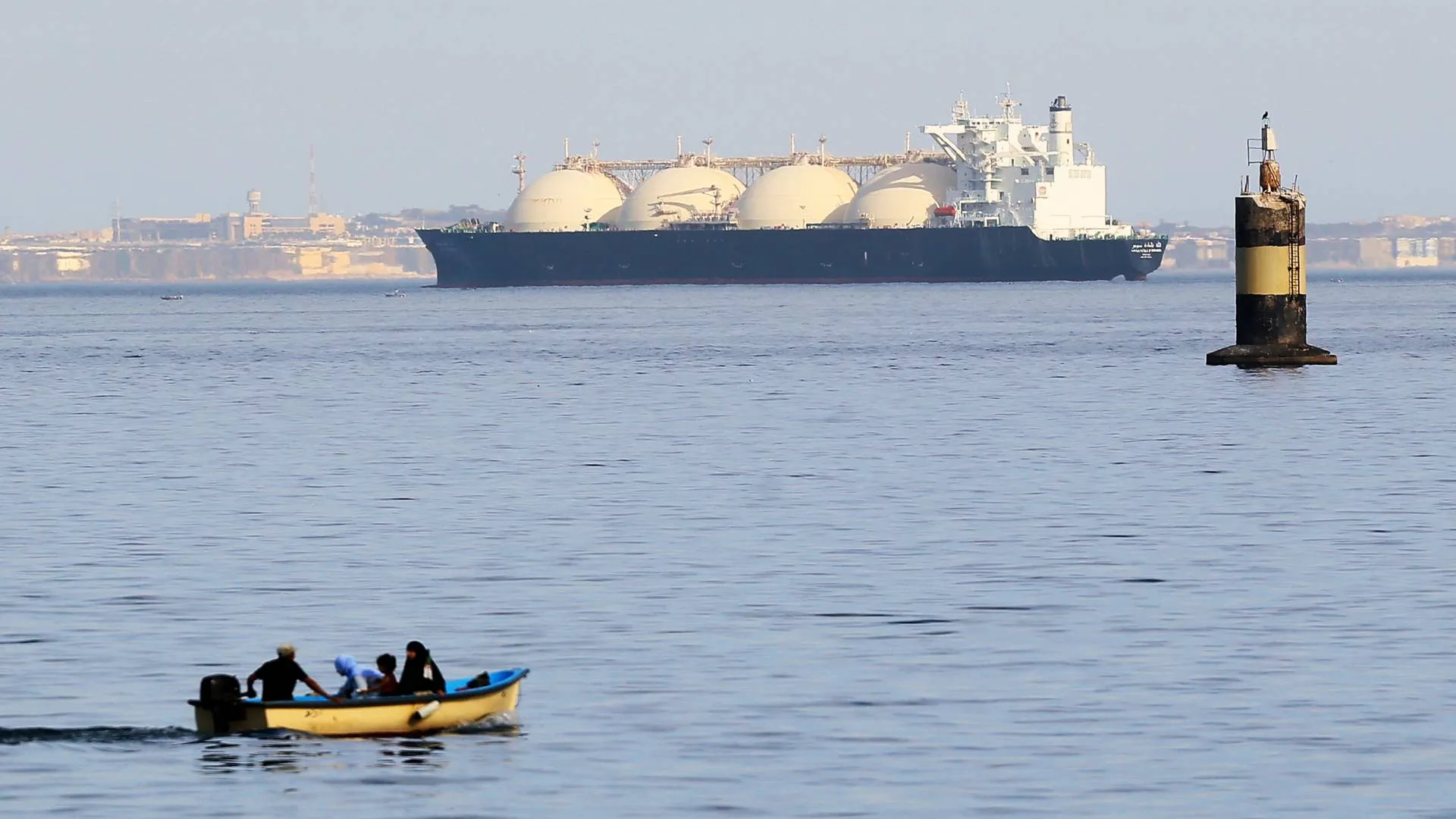
– No anchoring within 500m of LNG terminal (33°56’42″N, 135°05’18″E)
– Prohibited entry zones around military facilities (exact coordinates not publicly disclosed)
4. Safety Regulations
4.1 Crew Requirements:
– Minimum safe manning certificate per Japan Coast Guard Standard MSMC-2021
– Mandatory PSC inspections for vessels >100GT every 12 months
4.2 Emergency Equipment:
– Lifeboats: SOLAS-approved, tested quarterly
– Firefighting: Minimum 2 systems operational at all times (FOAM/CO2)
5. Environmental Compliance
5.1 Waste Disposal:
– Oily waste: Only through licensed contractors (MLIT-approved)
– Garbage: Segregation per MARPOL Annex V (no shore discharge)
5.2 Air Emissions:
– Sulfur cap: 0.1% within port limits (per Japan Clean Air Act)
– Mandatory use of low-sulfur fuel during berthing
6. Enforcement Measures
6.1 Penalties:
– Fine up to ¥3M for unauthorized discharge (Waste Management Act Art.25)
– Vessel detention for ISPS non-compliance (up to 30 days)
6.2 Inspection Authority:
– Japan Coast Guard (Wakayama Branch) conducts random inspections
– MLIT Port Office verifies cargo documentation
7. Operational Requirements
7.1 Berthing:
– Advance notice: 24h for vessels >500GT (via JP-MARINET system)
– Tug escort: Compulsory for tankers >10,000DWT
7.2 Cargo Operations:
– Hazardous materials: Requires special permit (48h processing)
– Container weight verification: VGM declaration mandatory
8. Contact Information (Official Sources Only)
– Japan Coast Guard Wakayama: +81-73-422-0110 (24h emergency)
– MLIT Kinki Regional Bureau: Published on www.mlit.go.jp/kisha/kisha07/08/080313_.html
9. Port Security Measures
9.1 ISPS Code Compliance:
– Security Level 1 (Normal): Mandatory gangway watch and port entry log
– Security Level 2 (Heightened): Additional armed patrols and 100% container screening
– Restricted access to port facilities with biometric authentication for high-risk zones
9.2 Surveillance Systems:
– 24/7 CCTV coverage of operational areas (retention period: 90 days)
– AIS monitoring of all vessels within 5nm radius
10. Dangerous Goods Handling
10.1 Classification:
– IMDG Code categories 1-9 strictly enforced
– Special berths allocated for Class 1 (explosives) and Class 7 (radioactive) materials
10.2 Storage Requirements:
– Explosives: Minimum 500m separation from other cargo
– Flammable liquids: Secondary containment systems mandatory
11. Pilotage Services
11.1 Compulsory Areas:
– All vessels >200GT or LOA >50m must take pilots
– Pilot boarding point: 33°56’30″N, 135°07’15″E (2nm NE of breakwater)
11.2 Tidal Restrictions:
– Maximum draft: 12.5m during high tide (+1.8m chart datum)
– No night navigation for vessels >15m beam without special permission
12. Port State Control
12.1 Inspection Criteria:
– Priority inspection for vessels with 3+ deficiencies in last 12 months
– Concentrated Inspection Campaigns (CICs) conducted biannually
12.2 Common Deficiencies:
– Fire damper malfunctions (SOLAS Ch.II-2)
– Inaccurate oil record books (MARPOL Annex I)
13. Emergency Procedures
13.1 Oil Spill Response:
– Tier 1 capacity: 50 tons (port-owned equipment)
– Immediate notification to Japan Coast Guard Pollution Control Division
13.2 Medical Emergencies:
– Designated decontamination area at Berth 7
– Helicopter medevac available (30min advance notice required)
14. Bunkering Regulations
14.1 Fuel Quality:
– Sampling and testing per ISO 8217 standards
– Bunker delivery notes must include sulfur content verification
14.2 Operational Limits:
– No bunkering during cargo operations for tankers
– Static bonding required during all fuel transfers
15. Crew Welfare Provisions
15.1 Shore Leave:
– Visa waiver for crew from STCW signatory nations (max 72h)
– Designated crew change area at Terminal 3
15.2 Provisions:
– Potable water available at all berths (JIS K 0101 standard)
– Medical waste disposal through licensed facilities only
16. Meteorological Restrictions
16.1 Wind Limits:
– General cargo: Operations cease at Beaufort 7
– Container cranes: Max operating wind speed 15m/s
16.2 Typhoon Preparedness:
– Mandatory evacuation plan submission for vessels staying >24h
– Port closure declared when sustained winds exceed 20m/s
17. Customs Procedures
17.1 Documentation:
– Electronic cargo declaration via NACCS system required 6h pre-arrival
– Physical inspection rate: 3% random selection for non-risk shipments
17.2 Prohibited Items:
– Strict enforcement of CITES species restrictions
– Agricultural quarantine for all organic materials
18. Port Dues and Charges
18.1 Fee Structure:
– Basic tonnage tax: ¥32.5 per GT (min ¥15,000)
– Waste disposal fee: ¥8,000 per m³ for hazardous materials
18.2 Payment Methods:
– Electronic funds transfer only (no cash accepted)
– Late payment penalty: 1.5% monthly interest
19. Vessel Traffic Management
19.1 Traffic Separation Scheme:
– Mandatory use of designated inbound/outbound lanes within 5nm radius
– Crossing prohibited at angles >30° to main traffic flow
19.2 VHF Communication Protocols:
– Continuous monitoring required on Ch.16 (distress) + Ch.12 (port operations)
– Standard marine communication phrases (SMCP) enforced for non-Japanese vessels
20. Ballast Water Management
20.1 Treatment Standards:
– IMO D-2 standard mandatory for all vessels >400GT
– Sampling ports required on all ballast lines
20.2 Reporting Requirements:
– Ballast Water Reporting Form submitted 24h before arrival
– Zero discharge policy for untreated ballast in port limits
21. Port Infrastructure Specifications
21.1 Berth Capacities:
– North Terminal: Max LOA 250m, draft 14m (tidal dependent)
– South Terminal: Max LOA 180m, draft 10m (all tide)
21.2 Mooring Arrangements:
– Minimum 6 lines required for vessels >150m LOA
– Synthetic mooring ropes prohibited for tankers
22. Hazardous Weather Contingencies
22.1 Tsunami Preparedness:
– Immediate evacuation order when >1m wave predicted
– Designated safe zones marked at 15m elevation
22.2 Winter Operations:
– Anti-icing chemicals applied when temperature drops below -5°C
– Reduced speed limits during snowfall (>5cm accumulation)
23. Ship Repair Services
23.1 Dry Dock Availability:
– No.1 Dock: 280m x 45m (max 80,000DWT)
– Emergency repair teams on 2h standby
23.2 Waste Handling:
– Asbestos removal requires special permit (72h notice)
– Paint stripping prohibited in open areas
24. Port Entry/Exit Procedures
24.1 Documentation Checks:
– Original certificates required for first-time visitors
– Electronic pre-clearance available for regular callers
24.2 Health Protocols:
– Maritime Declaration of Health required from high-risk areas
– Infrared fever screening at all passenger terminals
25. Special Cargo Handling
25.1 Oversized Loads:
– Advance notice 72h for items >100 tons
– Mandatory route survey for abnormal indivisible loads
25.2 Cold Chain Logistics:
– Temperature monitoring devices required for refrigerated cargo
– Power supply standards: 440V/60Hz ±5%
26. Anchorage Regulations
26.1 Designated Areas:
– Outer Anchorage: 33°58’N, 135°08’E (max stay 72h)
– Emergency Anchorage: 33°55’N, 135°04’E (priority for distressed vessels)
26.2 Holding Requirements:
– Minimum 5:1 scope for all anchor chains
– Daily position reports required when anchored >24h
27. Diving Operations
27.1 Permit Requirements:
– Commercial diving: JIS C 6803 compliant equipment only
– Advance notice 48h for hull inspections
27.2 Safety Zones:
– 50m exclusion radius around active dive sites
– Surface marker buoys required at all times
28. Port Lighting Requirements
28.1 Navigation Lights:
– Compliance with COLREGs 72 for all vessels
– Additional working lights required for night operations
28.2 Shore Lighting:
– Minimum 200 lux at all cargo handling areas
– Emergency lighting with 2h battery backup mandatory
29. Port Labor Regulations
29.1 Working Hours:
– Maximum 12-hour shifts for port workers with 8-hour minimum rest periods
– Overtime requires prior approval from Port Labor Office
29.2 Safety Training:
– Mandatory monthly safety drills for all dockworkers
– Special certification required for hazardous material handlers
30. Vessel Sanitation
30.1 Health Inspections:
– Routine checks by Quarantine Station for vessels from high-risk areas
– Mandatory deratting certificate verification every 6 months
30.2 Waste Reception:
– Medical waste incineration facility available (24h notice required)
– Gray water discharge prohibited within 3nm of port
31. Navigation Aids
31.1 Buoyage System:
– IALA Region A (red to port) marking system implemented
– Light characteristics: 2.5nm minimum visibility range
31.2 Electronic Navigation:
– ENC coverage: INT1 standard for approach channels
– Differential GPS available (accuracy ±1m)
32. Port Access Control
32.1 Identification Requirements:
– Biometric ID cards for all port personnel
– Visitor escorts mandatory for non-cleared individuals
32.2 Vehicle Restrictions:
– Speed limit: 20km/h in all operational areas
– Hazardous material transport requires advance clearance
33. Ice Navigation (Winter)
33.1 Icebreaking Services:
– Available for vessels >5,000GT (48h notice required)
– Ice convoy system when thickness exceeds 30cm
33.2 Hull Protection:
– Mandatory use of ice class coatings November-March
– Bow thruster operation restrictions below -10°C
34. Port Fire Safety
34.1 Equipment Standards:
– Fire main pressure: Minimum 7kg/cm² at all hydrants
– Foam stations located every 100m in tank farm area
34.2 Emergency Response:
– Fire boats on 5-minute standby (capacity 10,000L/min)
– Mandatory hot work permits for all welding operations
35. Radioactive Materials Handling
35.1 Special Berthing:
– Dedicated area with 1km exclusion zone
– Continuous radiation monitoring during operations
35.2 Documentation:
– IAEA Certificate of Competence required for handlers
– Real-time tracking of all radioactive shipments
36. Port Noise Regulations
36.1 Operational Limits:
– 85dB(A) maximum at property boundary
– Night operations (2200-0600) require special permit
36.2 Vessel Restrictions:
– Auxiliary engine noise suppression mandatory during berthing
– Whistle signals prohibited except emergency situations
37. Dredging Operations
37.1 Permit Requirements:
– Environmental impact assessment for projects >10,000m³
– Continuous turbidity monitoring during operations
37.2 Disposal Sites:
– Designated offshore area (33°52’N, 135°12’E)
– Contaminated sediment treatment facility available
38. Port Cybersecurity
38.1 System Protection:
– Mandatory IEC 62443 compliance for operational technology
– Monthly vulnerability scans for all port networks
38.2 Incident Reporting:
– 1-hour notification requirement for critical system breaches
– Annual penetration testing by certified auditors
39. Port Facility Maintenance
39.1 Infrastructure Inspections:
– Quarterly structural integrity checks for all berths
– Annual underwater surveys for pier foundations
39.2 Repair Protocols:
– Immediate closure of facilities with >5mm deformation
– Non-destructive testing required for all weld repairs
40. Dangerous Cargo Documentation
40.1 Submission Requirements:
– IMDG declaration + Safety Data Sheets (SDS) 48h pre-arrival
– Multimodal Dangerous Goods Form for transshipments
40.2 Storage Records:
– Real-time temperature logs for Class 4.1 materials
– Daily inspection reports for explosive storage magazines
41. Tugboat Operations
41.1 Performance Standards:
– Minimum bollard pull: 35 tons for vessels >50,000DWT
– Twin screw configuration mandatory for tanker assistance
41.2 Crew Certification:
– STCW Tugboat Master endorsement required
– Annual simulator training for emergency maneuvers
42. Port Water Quality
42.1 Monitoring Program:
– Weekly sampling at 15 designated points
– Real-time oil content analyzers at discharge points
42.2 Discharge Limits:
– <15ppm oil content in bilge water discharges
- Zero tolerance for visible sheen
43. Navigation in Restricted Visibility
43.1 Radar Requirements:
– Dual ARPA systems mandatory when visibility <1nm
- Continuous plotting of all targets within 6nm range
43.2 Speed Restrictions:
- Maximum 5 knots when visibility <500m
- Mandatory use of automatic fog signals
44. Port Cargo Handling Equipment
44.1 Certification:
– Annual load testing for all cranes >5 tons capacity
– Lifting gear color-coded by inspection month
44.2 Operational Limits:
– Wind speed restrictions posted on each crane
– Anti-collision systems required for gantry cranes
45. Vessel Manning Requirements
45.1 Watchkeeping:
– Minimum 2 officers on bridge during port transit
– Engine room manned watch during cargo operations
45.2 Language Proficiency:
– English or Japanese fluency required for deck officers
– Port-specific phrasebook provided to all vessels
46. Port Emergency Drills
46.1 Frequency:
– Full-scale oil spill response exercise biannually
– Monthly fire evacuation drills for port facilities
46.2 Participation:
– Mandatory for all port tenants
– Vessels in port must conduct concurrent drills
47. Specialized Cargo Terminals
47.1 LNG Facility:
– No naked lights within 200m radius
– Static dissipation systems on all loading arms
47.2 Grain Elevator:
– Dust explosion prevention systems mandatory
– Continuous methane monitoring in silos
48. Port Wildlife Protection
48.1 Migratory Birds:
– Lighting restrictions during migration seasons
– Acoustic deterrent systems near fuel storage
48.2 Marine Mammals:
– Speed reduction zones during whale migration
– Underwater noise monitoring during pile driving
49. Port Entry Permits
49.1 Vessel Clearance:
– Pre-arrival documentation submission via JP-MARINET 24h prior
– Customs and immigration clearance at designated boarding station
49.2 Special Permissions:
– Archaeological survey required for anchoring in historic zones
– Night navigation permit for vessels with restricted visibility
50. Hazardous Weather Protocols
50.1 Typhoon Preparedness:
– Mandatory double mooring when sustained winds >25m/s forecast
– Evacuation order for all non-essential personnel at Level 3 alert
50.2 Tsunami Response:
– Vertical evacuation to designated reinforced structures
– Vessel departure protocol for 30-minute warning window
51. Port Lighting Standards
51.1 Navigational Aids:
– Leading lights aligned every 200m with 3° tolerance
– Sector lights marking channel edges with 10° overlap
51.2 Operational Lighting:
– Minimum 500 lux at container handling areas
– Emergency lighting duration: 3 hours minimum backup
52. Vessel Waste Management
52.1 Segregation Requirements:
– Six-category separation system for all ship-generated waste
– Incinerator ash must be stored in sealed containers
52.2 Reception Facilities:
– 24/7 availability for hazardous waste reception
– Dedicated medical waste autoclave on Terminal 2
53. Port Security Zones
53.1 Access Control:
– Three-tier security perimeter with biometric verification
– Automated license plate recognition for all vehicle entry
53.2 Surveillance:
– Thermal imaging cameras at critical infrastructure points
– Underwater sonar monitoring of port approaches
54. Special Vessel Handling
54.1 RO-RO Operations:
– Maximum 5° list during vehicle loading/unloading
– Dedicated safety officers for each ramp operation
54.2 Livestock Carriers:
– Veterinary inspection prior to discharge
– Minimum ventilation rates enforced during berthing
55. Port Meteorological Services
55.1 Monitoring Systems:
– Real-time wind measurement at 10m and 50m elevations
– Wave radar covering 5nm radius from port entrance
55.2 Weather Briefings:
– Mandatory consultation for vessels >10,000GT
– Typhoon tracking updates every 3 hours during season
56. Port Dangerous Goods Storage
56.1 Segregation Rules:
– IMDG compatibility groups strictly enforced
– Minimum 50m separation between incompatible classes
56.2 Fire Protection:
– Automatic deluge systems for all hazardous material warehouses
– Foam cannon coverage of entire storage compound
57. Vessel Maintenance in Port
57.1 Hot Work Regulations:
– Gas-free certification required for all welding operations
– Fire watch maintained for 4 hours post-work completion
57.2 Underwater Inspections:
– Diver operations restricted to daylight hours
– Continuous communication with surface team required
58. Port Emergency Communication
58.1 Alert Systems:
– Red flashing lights + sirens for chemical spills
– Strobe lights + PA announcements for tsunami warnings
58.2 Coordination:
– Unified command center with direct JCG link
– Multilingual emergency instructions broadcast system