Japanese shipbuilders’ order volume in May fell again.
Recently, the Japan Ship Exporters’ Association (JSEA) released the latest data on Japanese shipbuilders’ order volume for May 2026. In May 2026, Japanese shipbuilders received a total of 15 vessels, amounting to 661,900 gross tons (GT), a year-on-year decrease of 25.1%, marking the first time in three months that monthly order volume fell below the same period last year.
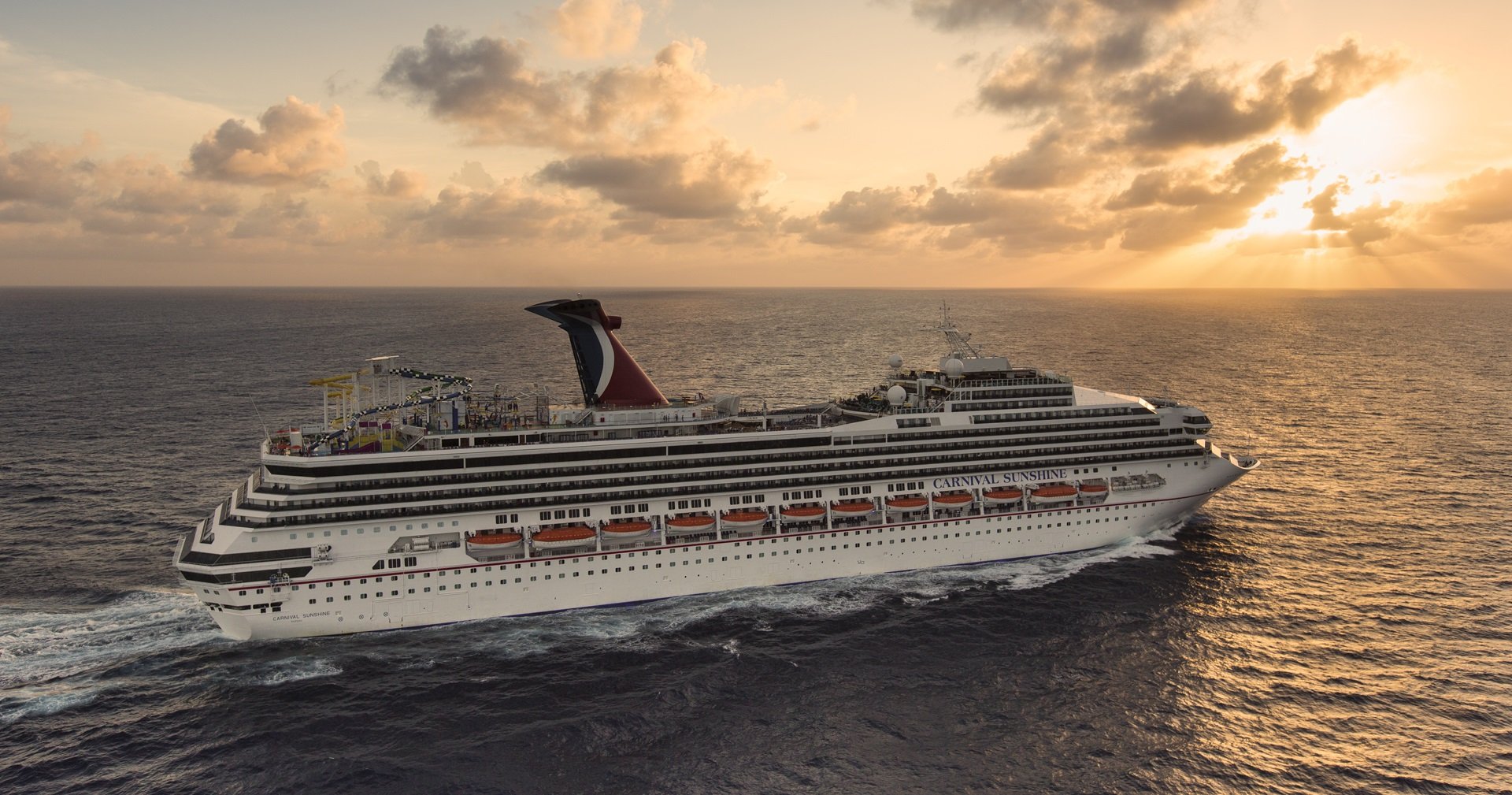
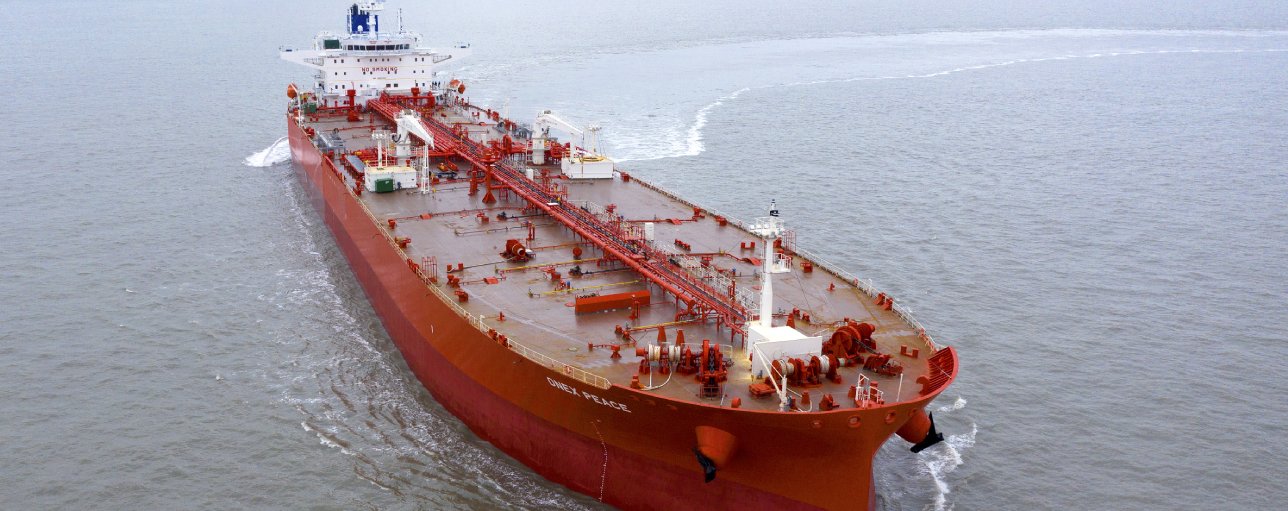
By vessel type, the 15 new ship orders received by Japanese shipbuilders in May this year included 2 cargo ships (car carriers) totaling 149,200 GT, and 13 bulk carriers (3 Handysize, 6 Supramax, 3 Panamax, and 1 Capesize) totaling 512,700 GT, with zero orders for tankers.
By delivery period, of the new orders in May, 49.0% are scheduled for delivery in fiscal year 2028 (April 2028 to March 2029), 45.5% will be delivered in fiscal year 2029, and the remaining 5.5% are scheduled for delivery in fiscal year 2030.
In the first five months of this year, Japanese shipbuilders’ total order volume was 75 vessels, amounting to 3,594,870 GT, a year-on-year decrease of 2%, including 3 cargo ships (160,600 GT), 63 bulk carriers (2,685,450 GT), and 9 tankers (748,820 GT).
In the first two months of fiscal year 2026 (April 2026 – March 2027), Japanese shipbuilders’ order volume totaled 31 vessels, amounting to 1,326,700 GT, a year-on-year decrease of 13.2%, including 2 cargo ships (149,200 GT) and 29 bulk carriers (1,177,500 GT).
Although global demand for new shipbuilding remains strong, constrained by persistently tight domestic berth resources and labor shortages, Japanese shipbuilders are not only struggling to actively compete for overseas orders but also finding it difficult to meet the renewal needs of domestic shipowners. Currently, Japanese shipyards are alleviating capacity bottlenecks by expanding the introduction of overseas labor and accelerating the application of intelligent technologies such as robots, but the short-term effects remain limited.
As of the end of May this year, Japanese shipbuilders’ order backlog totaled 602 vessels, amounting to 29.27 million GT, a slight increase from 29.22 million GT at the end of April. Based on current construction capacity, this represents approximately 3.4 years of workload, with the order backlog remaining at a relatively high level.