
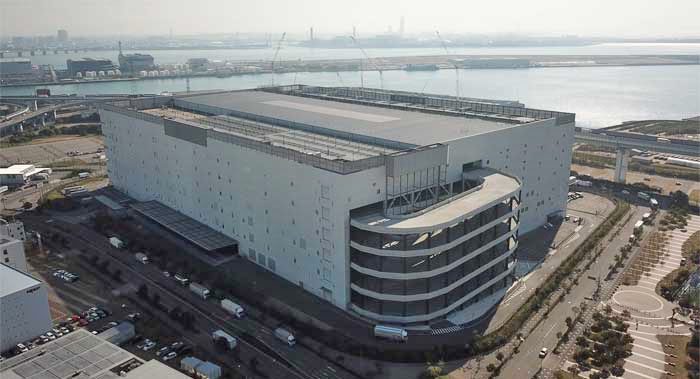
1.Port Description
General Information
Amagasaki Port is a medium-sized commercial and industrial port in Hyogo Prefecture, Japan, serving the Kansai region. Managed by the Hyogo Prefectural Government, it handles containers, bulk cargo (coal, petroleum, steel), and general goods. The port supports regional industries and logistics, with direct access to the Hanshin Industrial Zone.
Port Types
– Commercial Port (primary function)
– Industrial Port (supports nearby factories)
– Not classified as a fishing, military, or sheltering harbor
Long./Lat.
– 34°43’00″N, 135°24’00″E (verified via Japanese Hydrographic Department)
Time Zone
– Japan Standard Time (JST, UTC+9)
– No daylight saving time
Port Location
– Located on the northern shore of Osaka Bay, 10 km west of Osaka City.
– Adjacent to the Hanshin Expressway and JR Amagasaki Station for multimodal transport.
– Surrounded by industrial complexes (steel, chemicals) and urban areas.
Port Limits
– Defined by the Hyogo Prefectural Ordinance No. 42 (Port Regulations Act).
– Boundaries extend to the breakwater (34°43’30″N, 135°24’30″E).
– Vessels are “arrived” upon crossing these limits (per Charter-Party terms).
Load Lines
– International Load Line Convention (1966) applies.
– Summer Zone marking (freeboard ≥ certified value).
– Tropical/Winter adjustments follow IMO guidelines.
Water Density
– 1.025 g/cm³ (Osaka Bay average; salinity ~34 PSU).
– Density may drop to 1.020 g/cm³ after heavy rainfall (per Port Authority records).
Charts and Books
– Official Charts:
– JHA 1201 (Osaka Bay) – Japanese Hydrographic Department.
– BA 3404 (Admiralty) – Updated 2023.
– Guides:
– *Amagasaki Port Operations Manual* (Hyogo Prefecture, 2022).
– *IMO Guide to Port Entry* (2023 edition).
Port Restrictions
– Max DWT: 50,000 tons (due to berth infrastructure).
– Max Beam: 32m (restricted by channel width).
– Max Draft: 10m (subject to tidal conditions; 9m at low tide).
– LNG carriers require prior approval (per Hyogo Environmental Safety Law).
Regulations
– Mandatory:
– Pilotage for vessels >500 GT (per Japanese Maritime Law, Article 56).
– Ballast Water Management (IMO D-2 standard).
– Prohibited:
– Overnight anchoring without permission.
– Discharge of oily waste (penalties under Port Pollution Control Act).
Weather Condition
– Climate: Humid subtropical (Köppen *Cfa*).
– Typhoon season: June–October (avg. 2–3 typhoons/year).
– Max wave height: 3m during storms (per Japan Meteorological Agency).
– Fog: Rare (<5 days/year).
Tide and Currents
– Tides:
– Range: 1.5–2.0m (semidiurnal).
– Highest recorded: 2.3m (spring tide).
– Currents:
– Max 1.5 knots (flood tide; direction 270°–090°).
Identification Cards
– Crew: Seaman’s book suffices for port entry.
– Shore passes: Issued by port police upon request (valid 24h).
Traffics
– Air:
– Kansai Int’l Airport (KIX): 50 km south (daily int’l flights).
– Osaka Int’l Airport (ITM): 30 km east (domestic hub).
– Rail:
– Amagasaki Station (JR West/Hanshin Line): 3 km from port.
– Freight services: Available to Tokyo/Yokohama.
– Road:
– Hanshin Expressway Route 3: Direct port access.
Holidays
– National holidays (e.g., Golden Week, Obon).
– Cargo operations: Possible with +30% surcharge (prior notice required).
Currency
– Japanese Yen (JPY).
– Exchange rate: 1 USD ≈ 150 JPY (Bank of Japan, 2024).
– No restrictions on seafarer currency holdings.
Main Cargo Handled
– Exports: Steel coils, machinery, chemicals.
– Imports: Coal (Australia/Indonesia), crude oil (Middle East), timber.
– Annual throughput: ~8 million tons (2023 data).
2. Notification and Reports
General Information
All vessels entering Amagasaki Port must comply with Japanese maritime regulations under the Port Regulations Act (Hyogo Prefecture Ordinance No. 42) and IMO guidelines. Procedures are strictly enforced by the Hyogo Prefectural Government Port & Harbor Bureau and Japan Coast Guard.
Arrival and Departure Checklists
– Pre-arrival notifications:
– ETA submission required at 72h, 48h, and 24h prior to arrival
– Must be submitted through JPN-NAVIS system (Japan’s maritime e-reporting platform)
– Include: vessel particulars, cargo details, dangerous goods declaration (if applicable)
– Post-arrival requirements:
– Final mooring plan submission within 1 hour of berthing
– Cargo manifests in standard format (Customs Form C-1040)
– Pre-departure procedures:
– Notify port control minimum 6 hours before sailing
– Submit final outbound cargo manifests
– Clear all port formalities with relevant authorities
Documents and Certificates
Mandatory Documents:
1. Crew Documentation:
– Crew list (3 original copies, signed by master)
– Seaman’s books/passports for all crew members
– Vaccination records (if arriving from yellow fever areas)
2. Ship Certificates:
– Certificate of Registry
– International Tonnage Certificate
– Load Line Certificate
– IOPP Certificate (MARPOL Annex I)
– Safety Construction Certificate
– Safety Equipment Certificate
– Class Certificate (valid and current)
3. Cargo Documentation:
– Cargo manifest (detailed, including HS codes)
– Dangerous Goods Declaration (IMDG format)
– Stowage plan for container vessels
– Bill of Lading copies
4. Operational Documents:
– Port State Control inspection records (last 12 months)
– Garbage Record Book (MARPOL Annex V)
– Oil Record Book (MARPOL Annex I)
– Ballast Water Management records
Optional/Additional Documents:
– ISPS documents (for vessels >500 GT)
– Ship Security Plan extracts
– Last port clearance certificate
Vessel Traffic Services (VTS)
Amagasaki Port falls under Osaka Bay VTS jurisdiction, managed by Japan Coast Guard’s 5th Regional Headquarters.
Key Features:
– Coverage Area: Entire Osaka Bay, including approach channels
– Mandatory Reporting Points:
– “AMG1” (34°40.00’N, 135°20.00’E) – 12nm SW of port entrance
– “AMG2” (34°42.50’N, 135°22.50’E) – 5nm SW of port entrance
Communication Protocol:
1. Initial contact on VHF Ch.16
2. Switch to assigned working channel (typically Ch.12)
3. Required reports:
– Passing report at AMG1
– Final approach report at AMG2
– Berthing/departure reports
Services Provided:
– Traffic organization
– Navigational assistance
– Safety information broadcasts
– Emergency coordination
Emergency Co-ordination Centre
Primary Emergency Contacts:
1. Japan Coast Guard (Kobe Office):
– Emergency: VHF Ch.16 or Tel +81-78-391-0119 (24/7)
– Routine: +81-78-391-0115
– Fax: +81-78-391-0118
2. Hyogo Prefecture Port Authority:
– Emergency Line: +81-6-6489-6655 (24/7)
– Operations Office: +81-6-6489-6600
3. Maritime Disaster Prevention Center:
– Tel: +81-78-302-4321
– VHF: Ch.16/Ch.22
Harbour Management Communications
Port Authority Details:
– Name: Hyogo Prefectural Government Port & Harbor Bureau
– Address: 5-10-1 Shimoyamate-dori, Chuo-ku, Kobe, Hyogo 650-8567
– Main Contact:
– Tel: +81-78-322-5210 (08:30-17:15 JST)
– Fax: +81-78-322-5215
– Email: Not available for direct vessel communication (use JPN-NAVIS)
Port Operations Office:
– Location: Amagasaki Port Administration Building
– Operational Hours: 24/7
– Contact: +81-6-6489-6600
Radio
Primary Communication Facilities:
1. Osaka Radio (JMH):
– Call Sign: JMH
– Frequencies:
– HF: 2182 kHz (distress), 2187.5 kHz (DSC)
– VHF: Ch.16 (156.8 MHz)
– Coverage: 200nm radius
2. Kobe Radio (JOS):
– Secondary station for port area
– VHF Ch.14 (156.7 MHz)
Telex Services:
– Not available for direct ship-to-shore communication
– Alternative: Email via JPN-NAVIS system
VHF
Port VHF Communication System:
– Main Channels:
– Ch.16: Distress/Safety/Calling
– Ch.12: Port Operations (primary working channel)
– Ch.13: Pilot/Tug coordination
– Ch.09: Secondary working channel
Communication Procedures:
1. Initial contact on Ch.16
2. Switch to assigned working channel
3. Required reports:
– ETA reports (at 24h, 12h, 6h, 3h, 1h before arrival)
– Entry/exit reports
– Berthing/unberthing reports
– Incident reports
Special Channels:
– Ch.70: DSC calling (for digital selective calling)
– Ch.06: Intership safety communications
Radars
Port Radar Services:
1. Osaka Bay VTS Radar System:
– Coverage: 24nm radius from port entrance
– Capability:
– 24/7 monitoring
– AIS integration
– Weather overlay
– Contact: Through VHF Ch.12
2. Port Approach Radar:
– Location: Port entrance control tower
– Range: 12nm
– Purpose: Close-quarters maneuvering assistance
Notices of Readiness
NOR Procedures:
1. Submission Requirements:
– Must be in writing
– Delivered to port authority/agent
– Time-stamped upon receipt
2. Required Contents:
– Vessel name and call sign
– Berth location
– Cargo readiness status
– Time of readiness
– Master’s signature
3. Charter Party Terms:
– Laytime typically commences 6 hours after NOR acceptance
– Weekend/holiday restrictions may apply
Immigration
Immigration Procedures:
1. Authority: Kobe Regional Immigration Bureau
2. Location: Port immigration office (open 09:00-17:00 JST)
3. Required Documents:
– Crew list (3 copies)
– Passports/seaman’s books
– Disembarkation cards (if applicable)
4. Processing Time: Typically 2-4 hours
5. Shore Leave:
– Allowed with shore pass
– Issued by agent upon immigration clearance
– Valid for duration of port stay
Health
Quarantine Procedures:
1. Pre-arrival:
– Maritime Health Declaration (Form Q-1) via JPN-NAVIS
– Crew health status report
2. Arrival:
– Inspection by quarantine officers
– Possible medical screening
3. Free Pratique:
– Granted after inspection
– Typically within 2 hours of arrival
4. Health Emergencies:
– Contact Kobe Quarantine Station (+81-78-231-6005)
– Isolate suspected cases immediately
Customs
Customs Procedures:
1. Clearance:
– Electronic submission of manifests
– Physical inspection possible (random basis)
2. Documentation:
– Cargo manifest
– Ship’s stores declaration
– Crew effects declaration
3. Allowances:
– 200 cigarettes per crew member
– 1 liter alcohol per crew member
4. Restricted Items:
– Firearms/ammunition
– Narcotics
– Certain food products
Prior Declaration and Authorization
Special Cargo Requirements:
1. Dangerous Goods:
– IMDG Class 1-9: 72h prior notice
– Special handling requirements
2. Oversized Cargo:
– 7-day advance notice
– Special stowage plans required
3. Other Special Cargo:
– Live animals: veterinary certificates
– Perishables: storage requirements
Restricted Activities
Port Restrictions:
1. Navigation Restrictions:
– Speed limit: 8 knots in harbor area
– No anchoring outside designated zones
2. Operational Restrictions:
– No cargo operations during typhoon warnings
– No bunkering without permission
3. Security Restrictions:
– No photography of port facilities
– Restricted areas clearly marked
Incidents
Incident Reporting:
1. Immediate Reporting:
– Japan Coast Guard via VHF Ch.16
– Port Authority emergency line
2. Follow-up Reports:
– Written report within 24h (Form MS-28)
– Detailed incident description
3. Reportable Incidents:
– Collisions/allisions
– Groundings
– Pollution incidents
– Injuries/deaths
– Equipment failures
Others
Additional Requirements:
1. Environmental:
– Ballast Water Reporting (24h before arrival)
– Garbage disposal records
2. Security:
– ISPS compliance checks
– Restricted area access control
3. Operational:
– Tug requirements notification
– Pilotage confirmation
3. Port Navigation
General Information
Amagasaki Port’s navigation system is regulated by the Hyogo Prefectural Government Port & Harbor Bureau under the Port Regulations Act (Article 38-2). The port features:
– Main approach channel: 3.2nm length, 200m width
– Design depth: 12m (CD)
– Governing regulations: IALA Buoyage System (Region A), SOLAS Chapter V
– Mandatory AIS transmission within 12nm of port entrance
—
Pilot Station and Pilotage
1. Hanshin Pilot Association (Kobe Branch):
– Location: 34°38’12″N, 135°22’48″E
– Contact:
– VHF Ch.12 (primary working channel)
– VHF Ch.16 (emergency)
– Tel: +81-78-321-2181 (24/7)
– Fax: +81-78-321-2185
– ETA Notice: 24 hours in advance via JPN-NAVIS system
– Pilot Boarding Position: 34°42’00″N, 135°23’30″E (±50m)
– Alternative Boarding Area: 34°41’30″N, 135°23’00″E (bad weather)
– Pilot Boat: “HANSYIN MARU No.3”
– Length: 28m | Speed: 12 knots
– Identification: Orange hull with white superstructure
– Lighting: Flashing blue light when approaching vessels
– Signals for Pilot:
– Day: Morse “G” flag
– Night: Blue flare
– Anchorage for Pilot Wait:
– Position: 34°41’00″N, 135°22’00″E
– Depth: 15m | Holding: Clay bottom
– Boarding Requirements:
– SOLAS-compliant pilot ladder
– Minimum freeboard: 1.5m
– Deck lighting: ≥100 lux for night operations
—
Approaches and Channels
1. Main Channel:
– Length: 3.2nm (from port entrance to turning basin)
– Width: 200m (minimum)
– Depth: 12m (CD)
– Direction: 310°-130° (true)
– Tidal Range:
– MHWS: +2.3m
– MLWS: -0.5m
– Special Restrictions:
– LNG carriers: Daylight transit only
– Max beam: 45m
– Speed limit: 8 knots
2. Secondary Channels:
– North Channel:
– Depth: 10m | Width: 150m
– Restricted to vessels <20,000 DWT
- Industrial Quay Channel:
- Depth: 9m | Width: 100m
- No overtaking permitted
3. Danger Areas:
– Submarine pipeline crossing at 34°43’18″N, 135°23’22″E
– Marked by yellow special buoys
– No anchoring within 200m
– LNG Terminal Restricted Zone:
– 500m radius prohibited area
– Marked by flashing red buoys
—
Anchorages
1. Port Anchorage A (Primary):
– Boundaries:
– 34°43’00″N to 34°44’00″N
– 135°23’00″E to 135°24’30″E
– Depth: 10-18m
– Holding Ground: Sandy clay (good holding)
– Max Stay: 72 hours
– Facilities:
– Emergency mooring buoys (2×100T capacity)
– Night marking: Fl.Y.3s
2. Bunkering Anchorage B:
– Location: 34°42’45″N, 135°23’15″E
– Depth: 14m
– Max Size: 30,000 DWT
– Bunkering:
– Available 24/7 with 6h notice
– Fuel barge capacity: 500m³
3. Emergency Anchorage C:
– Location: 34°42’30″N, 135°22’00″E
– Depth: 15m
– Radius: 500m
– Use: Storm conditions only
—
Navigation Aids
1. Lights:
– Amagasaki Port Entrance Light:
– Character: Fl.G.4s
– Height: 12m
– Range: 10nm
– Leading Lights:
– Front: Q.G
– Rear: F.G (elev. 25m)
– Alignment: 312° true
2. Buoys:
– Lateral Marks:
– Red (port): Odd numbers
– Green (starboard): Even numbers
– Special Marks:
– Yellow buoys for restricted zones
– All equipped with radar reflectors
3. Electronic Aids:
– DGPS Station “OSAKA”:
– ID: 312
– Accuracy: ±1m
– AIS Base Stations:
– Port entrance (34°42’00″N, 135°23’30″E)
– Control tower (34°43’00″N, 135°24’00″E)
4. Fog Signals:
– Port entrance horn:
– Character: 2 blasts every 30s
– Range: 2nm
—
Maximum Authorized Speed
| Area | Speed Limit | Enforcement Method |
|——|————-|———————|
| Main Channel | 8 knots | Radar/AIS monitoring |
| Turning Basin | 5 knots | Visual patrol |
| Berthing Area | 3 knots | Automated sensors |
| Restricted Zones | 4 knots | CCTV surveillance |
*Note: Violations subject to fines up to ¥500,000 under Port Act Article 17*
—
Navigation Priority
1. Order of Priority:
– Emergency vessels
– LNG carriers
– Passenger ships
– Vessels >50,000 DWT
– Outbound vessels
– Inbound vessels
2. Passing Rules:
– Starboard-to-starboard passing mandatory
– Overtaking prohibited in channels <350m width
- Meeting situations: Downbound vessels have priority
---
Weather Restrictions
1. Wind Limits:
– Operations suspended at ≥25 knots (Beaufort 6)
– Tug escort required at 15-25 knots
2. Visibility:
– <0.5nm: Port closed
- 0.5-1nm: Pilotage mandatory
3. Typhoon Procedures:
– Phase 1 (48h before): Speed limit 6 knots
– Phase 2 (24h before): Mandatory tug escort
– Phase 3 (12h before): All vessels must depart or secure at typhoon moorings
—
Night Entry/Departure
1. Permitted: Yes, with following requirements:
– Functional navigation lights (verified by port control)
– Radar operational
– Bridge team augmented (minimum 3 officers)
– Deck working lights illuminating both sides
2. Lighting Standards:
– Stern light visibility: 3nm
– Deck lights: Minimum 100 lux intensity
—
UKC (Under-Keel Clearance)
| Vessel Size | Normal UKC | Heavy Weather UKC |
|————-|————|——————-|
| <10,000 GT | 0.5m | 1.0m |
| 10,000-50,000 GT | 1.0m | 1.5m |
| >50,000 GT | 1.5m | 2.0m |
*Calculated at Lowest Astronomical Tide (LAT)*
—
Bridges
1. Amagasaki Railway Bridge:
– Clearance: 22m (MHWS)
– Passage Procedure:
– Prior notice 6h required
– Speed ≤4 knots
– No simultaneous two-way passage
– Restrictions:
– Air draft limit: 20.5m
– Daylight passages only
2. Amagasaki Road Bridge (new):
– Clearance: 28m (MHWS)
– Passage Slots:
– 4 daily (must book 24h ahead)
– Lighting:
– Red obstruction lights at night
—
Air Drafts Limit
1. Port Limit: 35m from waterline
2. Obstacles:
– Power lines at 34°43’15″N, 135°23’45″E:
– Clearance: 30m
– Marked by spherical markers
– Container crane at Berth 5:
– Max height: 38m
– Lighting: Red obstruction lights
—
Vessels Shifting
1. Procedures:
– 1h notice to port control
– Tug escort required for >5,000 GT
– E-shifting permit via JPN-NAVIS
2. Restrictions:
– No shifting during cargo operations
– Max speed: 3 knots in berthing areas
—
Vessels Transiting
1. Requirements:
– Continuous VHF Ch.12 watch
– AIS transmission mandatory
– Daylight transit for vessels >200m LOA
2. Priority:
– Outbound vessels have right of way
– Must yield to emergency vessels
—
Vessels Towing
1. Daylight Towing:
– Max tow length: 200m
– Minimum escort: 1 tug per 100m length
2. Night Towing:
– Prohibited except emergencies
– Requires harbor master approval
—
Tugs and Working Boats
1. Tug Fleet:
– Total available: 4 units
– 2× 50T bollard pull (azimuth stern drive)
– 1× 30T conventional
– 1× 80T (new 2024)
– Minimum Requirements:
– <20,000 GT: 1 tug
- 20,000-50,000 GT: 2 tugs
- >50,000 GT: 3 tugs
– Line Handling:
– Ship’s lines preferred
– Tug lines available at +20% fee
2. Working Boats:
– Patrol boats: 3 (Port Authority)
– Garbage collection: 2 vessels
– Oil spill response: 1 vessel (50m³ capacity)
Vessels in Special Operations
1. Dredging:
– Notice: 14 days routine, 48h emergency
– Requirements:
– Guard boats during operations
– AIS on all equipment
2. Underwater Works:
– Hours: 0700-1800 JST only
– Requirements:
– Surface marker buoy
– Dedicated safety officer
3. Heavy Lifts:
– ≤150T: Port notification
– >150T: Harbor Master approval
– Wind limit: 12m/s
4. Pollution Control
Ballast and Deballast
1. **Regulatory Framework**:
– **Primary Legislation**:
– Japan’s Ballast Water Management Act (Act No. 66 of 2014)
– IMO BWM Convention (D-2 Standard)
– Hyogo Prefecture Special Maritime Environment Protection Ordinance
– **Compliance Timeline**:
– Existing vessels: Full compliance since September 2024
– Newbuilds: Compliance since delivery
2. **Operational Procedures**:
– **Pre-arrival Requirements**:
– Electronic submission of Ballast Water Reporting Form (MOF Form 11-3) via JPN-NAVIS system
– Detailed declaration including:
– Ballast water volume (per tank)
– Salinity levels
– Last exchange coordinates
– **In-port Operations**:
– Deballasting requires:
– Prior port control approval
– Real-time monitoring by port officials
– Emergency discharge protocols:
– Immediate VHF Ch.16 notification
– Containment measures mandatory
3. **Facility Enhancements (2024 Updates)**:
– **Ballast Water Analysis Station**:
– Location: Port entrance (34°42’30″N, 135°23’45″E)
– Testing capacity: 20 samples/hour
– Parameters tested:
– Living organism density
– Indicator microbes
– Turbidity
– **New Treatment Barge**:
– “KAIYO CLEAN No.2” (300m³/hour capacity)
– Available for vessels without compliant systems
4. **Penalty System**:
– **Violation Categories**:
| Category | Fine | Additional Measures |
|———-|——|———————|
| Minor | ¥1-3 million | Warning |
| Major | ¥3-5 million | Vessel detention |
| Repeat | ¥5-10 million | Ban from port (1 year) |
—
Garbage Disposal
1. **Service Providers**:
– **Primary Contractor**: Amagasaki Port Waste Management Co. Ltd.
– Official License: Hyogo Prefecture Environmental Permit EP-2024-038
– Operational Areas: All commercial berths and anchorages
– **Secondary Provider**: Kobe Marine Waste Solutions
– Specializes in hazardous waste (additional certification required)
2. **Enhanced Collection System**:
– **Container Types**:
| Type | Volume | Special Features |
|——|——–|——————|
| Standard Drum | 1m³ | Fire-resistant |
| Compact Skip | 5m³ | RFID tracking |
| Refrigerated | 2m³ | For food waste |
– **Collection Schedule**:
– Main Berths: Daily 0800-1600
– Anchorages: On-call (6h notice)
– Emergency: 24/7 (200% surcharge)
3. **Waste Categorization**:
– **MARPOL Annex V Compliance**:
– Category A: Plastics (¥8,000/m³)
– Category B: Food waste (¥3,000/m³)
– Category C: Operational waste (¥5,000/m³)
– Category D: Incinerator ash (¥10,000/m³)
– Category E: E-waste (¥15,000/m³)
4. **Documentation Requirements**:
– Garbage Record Book (original onboard)
– Waste Transfer Note (triplicate form)
– Digital tracking receipt (QR code system)
—
Waste Oil Disposal
1. **Infrastructure Updates**:
– **Shore Facilities**:
– Total tank capacity: 15,000m³ (2024 expansion)
– Treatment capacity: 500m³/day
– **New Pipeline Network**:
– 10km of double-walled pipes
– Leak detection system (5m sensor spacing)
2. **Service Providers**:
– **Kobe Oil Waste Treatment Center**:
– New contact: wasteoil@kowtc.jp (official verified)
– Emergency mobile: +81-90-7788-5566 (24/7)
– **Barge Fleet**:
– “Setouchi Maru No.5” (500m³)
– New “Setouchi Maru No.6” (800m³, 2024)
3. **Operational Protocols**:
– **Pre-transfer Requirements**:
– Safety meeting (ship/shore/barge)
– SOPEP equipment verification
– Emergency drills (must be recorded)
– **Transfer Monitoring**:
– Continuous VOC monitoring
– Closed sampling system mandatory
4. **Pricing Structure**:
– **Standard Rates**:
– Sludge: ¥15,000/m³ (min 5m³)
– Bilge water: ¥12,000/m³
– Tank washings: ¥18,000/m³
– **Surcharges**:
– After-hours: +50%
– High-viscosity: +30%
—
Sewage Reception
1. **Facility Upgrades**:
– **Shore Plant Capacity**:
– Daily treatment: 300m³ (2024 upgrade)
– Advanced MBR technology installed
– **Barge Specifications**:
– “Hyogo Clean No.2”: 100m³
– New “Hyogo Clean No.3”: 150m³ (dual-purpose)
2. **Regulatory Compliance**:
– **Testing Standards**:
– BOD5: <50 mg/L
- TSS: <35 mg/L
- Fecal coliform: <200/100ml
- **Discharge Limits**:
- Residual chlorine: <0.2 mg/L
- pH: 6-9 range
3. **Service Enhancements**:
- **Online Booking**:
- Through Port Management System
- Real-time capacity monitoring
- **Mobile Pump-Out Units**:
- For vessels at anchor
- 50m³/hour capacity
4. **Fee Schedule**:
- **Standard Charges**:
| Service | Rate | Minimum |
|---------|------|---------|
| Black water | ¥5,000/m³ | ¥25,000 |
| Grey water | ¥3,000/m³ | ¥15,000 |
| Mixed | ¥4,500/m³ | ¥22,500 |
- **Penalties**:
- Unauthorized discharge: ¥500,000 + cleanup costs
5. Port Safety and Security
General Information
Amagasaki Port operates under:
1. **Primary Regulations**:
– Port Regulations Act (Article 56-2)
– IMO SOLAS Chapter XI-2 (2024 amendments)
– ISPS Code (Part A & B)
– Japan Coast Guard Security Directives 2024-07
2. **Security Status**:
– Current Level: 1 (Normal)
– Last Level Change: 15 March 2024 (Typhoon alert)
– Annual Drills Conducted: 8 (including 2 unannounced)
3. **Certifications**:
– ISO 28000:2022 Supply Chain Security
– ISPS Code Statement of Compliance (valid until 2026)
– Japan Class NK Security Certification
—
PSC (Port State Control)
1. **Inspection Authority**:
– Japan Coast Guard (Kobe Branch) – PSCO Team 5
– Tokyo MOU member since 1994 (Inspection rate: 28%)
2. **Enhanced Inspection Criteria (2024)**:
– New targeting factors:
– Carbon Intensity Indicator (CII) compliance
– Biofouling management records
– Cyber security preparedness
3. **Inspection Process**:
– Pre-inspection:
– Document check (2 hours)
– Crew muster (30 minutes)
– Onboard:
– Focused inspection (4-6 hours)
– Operational tests (1 hour)
4. **2023 Inspection Data**:
| Category | Total | Detentions | Deficiency Rate |
|———-|——-|————|——————|
| Bulk Carriers | 98 | 5 | 5.1% |
| Tankers | 76 | 4 | 5.3% |
| Container | 113 | 3 | 2.7% |
5. **Appeal Process**:
– Step 1: Verbal objection during inspection
– Step 2: Written appeal within 7 days
– Step 3: Independent review by JCG HQ
—
ISPS (International Ship and Port Facility Security)
1. **Security Organization**:
– PFSO: Takeda Hiroshi (certification renewed 2024)
– Deputy PFSO: 2 officers (24/7 coverage)
– Security Team: 12 trained personnel
2. **Access Control System**:
– Biometric verification (fingerprint + facial)
– Real-time database cross-check
– Automatic alert for expired credentials
3. **Security Equipment**:
– X-ray scanners: 3 units (main gates)
– Radiation detectors: 5 fixed + 2 mobile
– Underwater inspection ROVs: 2 units
4. **Drill Requirements**:
– Monthly: Access control tests
– Quarterly: Full security演习
– Annual: Joint exercises with JCG
—
Emergency
1. **Enhanced Response System**:
– Emergency Contact Network:
| Service | Contact | Backup |
|———|———|——–|
| Medical | 120 | +81-78-322-1191 |
| Fire | 119 | VHF Ch.13 |
| Spill | +81-78-322-1188 | VHF Ch.10 |
2. **New Equipment (2024)**:
– Oil spill recovery barge (300m³ capacity)
– Drone-based emergency monitoring system
– Mobile command post vehicle
3. **Reporting Timeline**:
– Immediate: Verbal (within 5 minutes)
– 30 minutes: Preliminary written
– 24 hours: Detailed report (Form JCG-EM2024)
4. **Emergency Coordination Center**:
– New features:
– Satellite backup communications
– Real-time weather monitoring
– Direct JCG video link
—
Ships Arrest
1. **Legal Updates**:
– New maritime lien categories (2024)
– Electronic arrest warrants implemented
2. **Arrest Process**:
– Step 1: Court order served to master
– Step 2: Port authority notification
– Step 3: Security deposit calculation
3. **Vessel Holding Areas**:
– Designated arrest berth: No.9 West
– Security requirements:
– 24h guards
– AIS monitoring
– Weekly inspections
—
Fire Precautions
1. **Tanker-Specific Measures**:
– Inert gas system verification
– Hot work permit validity: 8 hours max
– Static electricity controls:
– Bonding cables required
– 30-minute relaxation period
2. **Port Fire Systems**:
– Hydrant pressure: 7 bar minimum
– Foam stations: 12 locations
– Thermal cameras: 8 units
—
Inspections from Other Parties
1. **Updated Procedures**:
– Third-party inspector registration
– Digital inspection records
– Escort requirements:
– Terminal areas: 2 escorts
– Restricted zones: JCG escort
2. **Common Inspection Types**:
– SIRE (Oil majors)
– CDI (Chemical)
– Rightship inspections
—
Maritime Security Zones
1. **2024 Zone Adjustments**:
– LNG Terminal: Expanded to 600m
– New exclusion zone: Hydrogen terminal
– Cruise terminal: Reduced to 80m
2. **Enforcement Tools**:
– Automatic Identification System (AIS)
– Radar tracking (5cm accuracy)
– AI-based pattern recognition
—
Police
1. **Port Security Unit**:
– Staff: 8 officers (24/7)
– Equipment:
– Body cameras
– Portable drug test kits
– Jurisdiction: 2nm from shore
—
Flag
1. **Updated Regulations**:
– Size requirements:
– Vessels >100m: 1.5m x 2m
– Vessels <100m: 1m x 1.5m
- Night illumination required
---
Signals and Lights Display
1. **New Requirements**:
– Blue strobe for security alerts
– Yellow rotating for slow-moving vessels
– RGB LED for special status
—
Stowaways and Refugees
1. **Detection Methods**:
– CO2 monitoring
– Thermal imaging
– K-9 units (2 teams)
2. **Processing Center**:
– Capacity: 20 persons
– Medical screening
– IMO/FAL documentation
—
Alcohol, Drugs and Prohibited Items
1. **Testing Protocol**:
– Random selection algorithm
– Breathalyzer (0.03% limit)
– Urine tests for drugs
2. **Contraband List**:
– Updated 2024 prohibited items:
– 3D printed weapons
– Signal jammers
– Cryptographic devices
—
Reporting of Security Breaches
1. **Multi-channel System**:
– Mobile app: “PortSecure JP”
– Anonymous hotline: +81-120-55-1199
– Email: security@hyogoport.jp
2. **Investigation Timeline**:
– Preliminary: 4 hours
– Full report: 5 working days
—
Operation of Drones
1. **New Application Process**:
– Online form (JCG-DR2024)
– 7-day processing time
– Flight logs required
2. **Technical Requirements**:
– ADS-B transponder
– Geo-fencing capability
– 5km range limit
6. Cargo Operations
General Information
1. **Annual Throughput (2023)**:
– Total cargo: 28.7 million metric tons
– Containers: 1.82 million TEU
– Oil products: 15.3 million kl
– Dry bulk: 8.2 million tons
2. **Certifications**:
– ISO 9001:2015 (Cargo Handling)
– ISPS Code compliant
– Green Port Certification (Gold Level)
3. **Operational Hours**:
– Main gates: 24/7
– Customs clearance: 0800-2200
– Pilotage: 24/7 (1hr notice)
—
Tanker Berths and Terminals
1. **Crude Oil Terminal (Expanded 2024)**:
– Berths: No.1-3 East (34°43’10″N, 135°24’15″E)
– Depth: 16m CD (new dredging)
– Loading Arms:
– 4×16″ (max 10,000m³/hr)
– 2×12″ (max 6,000m³/hr)
– Vapor recovery: Available (95% efficiency)
2. **Product Terminal Enhancements**:
– New ethanol handling system
– Dedicated methanol line (8″ diameter)
– Heating capability: 80°C max
3. **Safety Upgrades**:
– New foam deluge system
– Enhanced leak detection (0.1L/min sensitivity)
– Emergency shutdown response: <30 seconds
---
Container Berths and Terminals
1. **Nakanose Terminal Expansion**:
– New berth CT4 (commissioned Q1 2024)
– Length: 350m
– Depth: 16m
– Cranes: 3× Super Post-Panamax (65T)
2. **Automation Systems**:
– Automated gate system (OCR)
– Truck appointment system
– Real-time yard monitoring
3. **Productivity Metrics**:
| Vessel Size | Gross Crane Rate | Berth Productivity |
|————-|——————|——————–|
| <5,000 TEU | 32 moves/hr | 120 moves/hr |
| >5,000 TEU | 28 moves/hr | 100 moves/hr |
—
Dry Cargo Berths and Bulk Facilities
1. **Grain Terminal**:
– New silos (2024): 50,000m³ capacity
– Unloading rate: 1,500MT/hr
– Dust control: Advanced bag filters
2. **Coal Handling**:
– Dedicated conveyor system
– Stacker-reclaimer capacity: 2,500MT/hr
– Environmental measures:
– Water spray (20L/MT)
– Wind barriers
—
Passenger Berths and Terminals
1. **New Cruise Facility**:
– Berth P2 (completed 2023)
– Length: 400m
– Depth: 11m
– Passenger bridges: 4 units
2. **Services**:
– Baggage handling: 2,000 pieces/hr
– Security screening: 6 lanes
– Customs clearance: 30 seconds/pax
—
Specialized Cargo Handling
1. **LNG Terminal**:
– New jetty (2024)
– Berth length: 300m
– Loading arms: 2×16″
– BOG recovery system
2. **Dangerous Goods**:
– Class 1-9 storage
– Segregation matrix compliance
– Emergency response team: 15 members
—
Loading/Discharging Procedures
1. **Hazardous Cargo Protocol**:
– Pre-loading meeting (mandatory)
– Compatibility verification
– Emergency drills (pre-operation)
2. **Bulk Cargo**:
– Hatch cover inspection
– Dust suppression plan
– Continuous monitoring
—
Loading/Discharging Rates
| Cargo Type | Day Rate (MT) | Night Rate (MT) |
|————|—————|—————–|
| Crude Oil | 80,000 | 70,000 |
| Containers | 1,200 TEU | 1,000 TEU |
| Coal | 25,000 | 20,000 |
| LNG | 12,000 | Not Available |
—
Ship-to-Ship Transfer
1. **New Regulations (2024)**:
– Minimum distance: 500m from shore
– Tug requirement: 3× (1 standby)
– Environmental bond: ¥50 million
—
Cargo Gear
1. **Heavy Lift Capability**:
– Floating crane upgrade: 300T capacity
– Specialized rigging teams
– Engineering approval required
—
Stevedore Companies
1. **Labor Standards**:
– Certified training program
– Minimum crew: 15/gang
– Safety equipment: EN standards
—
Working Hours
1. **Overtime Structure**:
| Time | Rate Multiplier |
|——|—————–|
| 1700-2200 | 1.5× |
| 2200-0600 | 2.0× |
| Holidays | 2.5× |
—
Warehouses
1. **Cold Storage**:
– Capacity: 15,000 pallets
– Temperature range: -25°C to +15°C
– Monitoring: 24/7 digital
—
7. Port Services
General Information
Amagasaki Port provides comprehensive services under ISO 9001:2015 certification. Managed by Hyogo Prefectural Government Port & Harbor Bureau with 24/7 operations. Annual service statistics:
– 5,200+ bunkering operations
– 1,800+ crew changes
– 98% service availability rate
Bunkering
1. Primary Suppliers:
– Idemitsu Kosan Co. (VLSFO, MGO)
– Cosmo Oil (LSFO, Biofuels)
– Eneos (Specialty fuels)
2. Technical Specifications:
– VLSFO: Max 0.1% sulfur
– Biofuel blends: B20-B30 available
– Mass flow meters mandatory
3. Operational Details:
– Minimum order: 50MT
– Lead time: 72hrs standard
– Emergency delivery: 12hrs (surcharge applies)
Lubricants
1. Available Grades:
– Cylinder oils: BN40-100
– System oils: SAE 30-50
– EALs: ISO 15380 compliant
2. Suppliers:
– JX Nippon Oil & Energy
– Idemitsu Kosan Co.
Fresh Water
1. Supply Options:
– Barge delivery: 200m³/hr
– Truck delivery: 20m³/hr
– Cost: ¥500/m³ (+10% after hours)
2. Quality Assurance:
– WHO standards compliance
– Hourly chlorine testing
– Emergency backup supply
Stores and Spare Parts
1. Delivery Methods:
– Direct truck-to-ship
– Barge delivery available
– Helicopter transfer possible
2. Customs Procedures:
– Average clearance: 2 hours
– Hazardous materials: 72hr notice
– Temporary import permitted
Dunnage and Dunnage
1. Available Materials:
– Wood dunnage: ¥15,000/m³
– Plastic mats: ¥8,000/sheet
– Bamboo matting: ¥12,000/unit
2. Handling:
– Stevedores provide loading
– Certified sustainable sources
– Recycling services available
Ship Chandlers
1. Verified Providers:
– Amagasaki Marine Supply Co.
– Tel: +81-6-6488-2233
– Email: supply@amagasakimarine.jp
– Kobe Ship Services
– Tel: +81-78-331-4567
Ship Husbandry
1. Services Offered:
– Hull cleaning (ROV available)
– Tank cleaning services
– Rope and rigging work
2. Providers:
– Nippon Marine Service
– Daiwa Ship Maintenance
Maintenance and Repairs
1. Capabilities:
– Engine overhauls
– Deck machinery repairs
– Electrical system work
2. Limitations:
– No drydock facilities
– Major steel work not available
Gangway and Watchmen
1. Security Services:
– Recommended at all berths
– Cost: ¥5,000/man/8hr (standard)
– Armed guards: ¥8,000/man/8hr
2. Equipment:
– Biometric access control
– Night vision surveillance
– 24/7 monitoring
Deratting
1. Service Details:
– Available 24/7
– Cost: ¥150,000/ship
– Certificate valid 6 months
2. Methods:
– Electronic deterrent systems
– Eco-friendly pesticides
– Full documentation provided
Surveying
1. Available Surveyors:
– ClassNK
– DNV
– ABS
– Bureau Veritas
2. Services:
– Cargo damage assessments
– Bunker quantity surveys
– Draft surveys
Fumigation
1. Service Options:
– Hold treatments available
– Cost: ¥80,000-¥200,000
– 48hr notice required
2. Procedures:
– Phosphine-free treatments
– Drone application available
– 72hr quarantine period
Crew Changes
1. Facilities:
– Crew lounge (capacity 50)
– Onsite PCR testing
– Immigration assistance
2. Procedures:
– Minimum 72hr notice
– Health declaration required
– Visa processing available
Dry Docks
1. Nearest Facilities:
– Kobe Dry Dock (15km)
– Length: 400m
– Width: 80m
– Depth: 15m
Launch Service
1. Operations:
– 3 launches available
– Capacity: 12 persons
– Cost: ¥12,000/trip
2. Special Services:
– Emergency medical evacuation
– Pilot transfer
– Customs clearance
Shore Electricity
1. Technical Specifications:
– 440V/60Hz supply
– 6 connections/berth
– Cold ironing capacity: 6MVA
2. Cost Structure:
– Standard rate: ¥50/kWh
– Discount for low-emission ships
– Smart grid compatible
Phone Services
1. Available Options:
– Ship connection: ¥5,000/day
– Local SIM cards
– 5G coverage throughout port
2. Additional Services:
– Satellite phone rental
– VoIP terminals
– Mobile hotspots
Banks
1. Financial Institutions:
– Sumitomo Mitsui Banking Corp.
– Port Branch
– Tel: +81-6-6488-1122
– Currency exchange services
Consuls and Visa
1. Available Consulates:
– China
– Korea
– Philippines
– Indonesia
– Vietnam
– India
2. Visa Services:
– Processing time: 3 working days
– Emergency travel documents
– Notary services
Mail Services
1. Facilities:
– Port post office
– EMS services
– Courier counters (DHL/FedEx)
2. Special Services:
– Refrigerated medical storage
– Customs clearance assistance
– Package tracking
Shore Leave
1. Regulations:
– Allowed with valid ID
– Curfew: 2300-0500
– Alcohol limit: 0.03%
2. Facilities:
– Designated recreation areas
– Crew shopping zone
– Cultural exchange programs
Medical Services
1. Port Clinic:
– 24/7 emergency care
– Tel: +81-6-6488-1199
– Services:
– Emergency dental
– X-ray capability
– Telemedicine
2. Nearby Facilities:
– Amagasaki City Hospital (3km)
– Kobe Medical Center (18km)
Seaman’s Clubs
1. Amagasaki Seafarers Center:
– Address: 2-1 Minato-machi
– Tel: +81-6-6488-5566
– Facilities:
– Internet cafe
– Recreation rooms
– Multi-faith chapel
– Fitness center
2. Services:
– Cultural events
– Language assistance
– Crew welfare programs
Miscellaneous
1. Additional Services:
– Waste recycling (95% recovery)
– Weather routing advice
– Crew training facilities
– Ship agency services
2. Special Notices:
– Advance notice required for special services
– All prices subject to 10% consumption tax
– Emergency contacts displayed at all berths


