
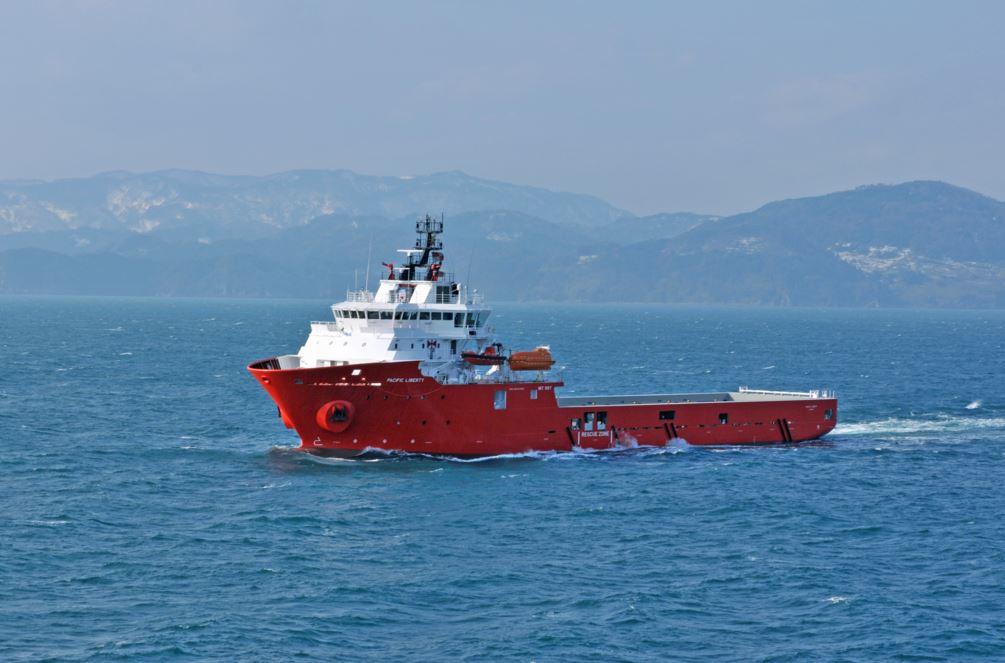
1.Port Description
General Information
Etajima Port is a small commercial and fishing port located on Etajima Island in Hiroshima Bay, Japan. It serves primarily local maritime activities, including fishing, small-scale cargo operations, and recreational boating. The port is managed by local authorities under Hiroshima Prefecture jurisdiction and supports regional trade and transportation. The port features basic cargo handling facilities and serves as an important hub for the local fishing industry.
Port Types
– By size: Small port (annual cargo throughput <1 million tons)
– By geographical location: Natural harbor
– By purpose: Commercial port, Fishing port (designated as a Type 2 Fishing Port under Japanese law)
– Secondary functions: Regional ferry terminal, Recreational marine facility
Long./Lat.
34°13’00″N, 132°27’00″E (WGS84 datum)
34.2167° N, 132.4500° E (decimal degrees)
Time Zone
Japan Standard Time (JST), UTC+9. No daylight saving time observed. Consistent year-round.
Port Location
Etajima Port is situated on the northern coast of Etajima Island in Hiroshima Bay, approximately 15 km southwest of Hiroshima City. The port lies within the sheltered waters of Hiroshima Bay, protected by numerous islands. The surrounding area is characterized by mountainous terrain and coastal settlements. The port is accessible via the Etajima Ohashi Bridge from Kure City on the mainland.
Port Limits
The official port limits are defined by the following coordinates (per Hiroshima Prefecture Port Regulations):
– Northwest boundary: 34°13’30″N, 132°26’30″E
– Northeast boundary: 34°13’30″N, 132°27’30″E
– Southwest boundary: 34°12’30″N, 132°26’30″E
– Southeast boundary: 34°12’30″N, 132°27’30″E
Load Lines
International Load Line Convention applies (Japan is signatory to ICLL 1966). Ships must comply with the Summer Load Line for the region (North Pacific Tropical Zone). Winter load line restrictions may apply November 1 – March 31. Fresh water allowance: 1/48 of summer draft.
Water Density
Approximately 1.025 g/cm³ (average seawater density in Hiroshima Bay). Freshwater density (rainy season): 1.000-1.010 g/cm³. Density measurements available from port authority upon request.
Charts and Books
Essential navigation references:
– Japanese Hydrographic Charts:
• JP-121 (Hiroshima Bay)
• JP-1212 (Approaches to Etajima)
– Admiralty Charts:
• BA-3524 (Hiroshima Bay to Kanmon Strait)
• BA-3525 (Detailed chart of Hiroshima Bay)
– Japan Pilot Volume 7 (Seto Inland Sea)
– Notices to Mariners: Japan Coast Guard Edition (weekly updates)
– Port Guide: Hiroshima Prefecture Port Regulations (latest edition)
Port Restrictions
– Maximum draft: 5.0 meters (subject to tidal variations)
– Maximum LOA: 100 meters (150 meters with special permission)
– Maximum beam: 20 meters
– Air draft: 25 meters (limited by bridge clearance)
– Night navigation restrictions: Vessels >50m LOA require pilotage
– Hazardous cargo: Special handling requirements apply
– Fishing vessel priority in designated areas
Regulations
Primary regulatory framework:
– Port and Harbor Law (Law No. 218 of 1950)
– Maritime Traffic Safety Law (Law No. 151 of 1972)
– Hiroshima Prefecture Port Regulations (latest revision)
– ISPS Code compliant (Security Level normally at Level 1)
– Mandatory reporting to Japan Coast Guard 24 hours before arrival
– Garbage disposal regulations strictly enforced
– Ballast water management regulations apply
– Local fishing vessel right-of-way must be observed
– Speed limits enforced in harbor areas (5 knots within port limits)
Weather Condition
Climate data (10-year averages):
– Climate type: Humid subtropical (Köppen Cfa)
– Annual precipitation: 1,500-1,600 mm
– Rainy season: June to mid-July
– Typhoon season: June to October (peak August-September)
– Winter temperatures: 0-10°C (December-February)
– Summer temperatures: 25-35°C (July-August)
– Prevailing winds: NW in winter, SE in summer
– Visibility: Generally good except during heavy rain or fog (March-April)
Tide and Currents
Tidal characteristics:
– Tidal type: Semi-diurnal
– Average tidal range: 2.0 meters
– Mean high water springs: 2.5 meters
– Mean low water springs: 0.5 meters
– Maximum tidal range: 3.5 meters (spring tides)
– Currents in harbor generally weak (<1 knot)
– Stronger currents (2-3 knots) possible in channels during tidal changes
– Tidal current tables available from Japan Coast Guard
Identification Cards
– Seaman’s book is generally sufficient for crew members
– Shore passes issued upon request by local immigration office
– ISPS compliant identification required for port access
– Crew lists must be submitted to port authority 24 hours before arrival
Traffics
Transport connections:
– Nearest international airport: Hiroshima Airport (HIJ), ~50 km away
• Domestic flights to major Japanese cities
• Limited international flights to Seoul, Shanghai, Taipei
– Local ferry connections:
• Regular service to Hiroshima (Ujina Port) – 30 minute crossing
• Service to Kure City – 20 minute crossing
• Connections to other Seto Inland Sea islands
– Road connections:
• Etajima Ohashi Bridge to mainland (Kure City)
• Local highway network on Etajima Island
– No railway service on Etajima Island
Holidays
Japanese national holidays observed (cargo operations may be limited):
– January 1: New Year’s Day
– 2nd Monday of January: Coming of Age Day
– February 11: National Foundation Day
– March 20/21: Vernal Equinox Day
– April 29: Showa Day
– May 3: Constitution Memorial Day
– May 4: Greenery Day
– May 5: Children’s Day
– 3rd Monday of July: Marine Day
– August 11: Mountain Day
– 3rd Monday of September: Respect for the Aged Day
– September 22/23: Autumnal Equinox Day
– 2nd Monday of October: Health-Sports Day
– November 3: Culture Day
– November 23: Labor Thanksgiving Day
– December 23: Emperor’s Birthday
Limited cargo operations possible on holidays with prior arrangement (additional fees apply).
Currency
– Official currency: Japanese Yen (JPY)
– Approximate exchange rates:
• 1 USD = 150 JPY (subject to change)
• 1 EUR = 160 JPY (subject to change)
– Currency exchange available at:
• Hiroshima Airport
• Major banks in Hiroshima City
• Limited facilities at Kure City
– No currency restrictions for seafarers
– Credit cards accepted at most port service providers
Main Cargo Handled
Annual cargo statistics (2022 estimates):
– Total cargo throughput: ~150,000 tons
– Exports:
• Seafood (primary): ~50,000 tons
• Agricultural products: ~20,000 tons
• Local crafts: minor quantities
– Imports:
• Consumer goods: ~30,000 tons
• Building materials: ~25,000 tons
• Fuel products: ~15,000 tons
• Machinery/equipment: ~10,000 tons
– Fishing industry dominates port activities (~500 fishing vessels registered)
– Container traffic: Minimal (handled at nearby Hiroshima Port)
– Bulk cargo: Limited to local construction materials
2. Notification and Reports
General Information
All vessels calling at Etajima Port must comply with:
– The Port Regulations Law (Law No. 174 of 1948)
– Maritime Traffic Safety Law (Law No. 151 of 1972)
– Hiroshima Prefecture Port Ordinance (2021 Revision)
– ISPS Code requirements (Japan Coast Guard MC Ordinance No. 22)
Key requirements:
– 24-hour pre-arrival notification for foreign vessels
– Real-time reporting through Japan’s Electronic Port Clearance System (e-Gov)
– Designated agent handling for all official procedures
– Strict enforcement of ballast water management (Act No. 66 of 2004)
Arrival and Departure Checklists
Foreign Vessels (>100 GT):
1. Pre-arrival (24-48 hours):
– e-NOA (Electronic Notice of Arrival)
– Crew/passenger manifests (Immigration Form C-1)
– Advance Cargo Declaration (Customs Form C-1000)
– Ship Security Report (ISPS Form 1)
2. Upon Arrival:
– Original ship’s certificates presentation
– Maritime Health Declaration (Q-Form)
– Bunker Report (MLIT Form 12)
3. Pre-departure:
– Outward Clearance Application
– Waste Management Report (JFS Form M-3)
– Final Crew List Verification
Domestic Vessels:
– Simplified e-NOA submission
– Port Entry/Exit Report (Hiroshima Form PE-5)
– Crew identity verification (Seaman’s Book)
Documents and Certificates
Mandatory Original Certificates:
– Certificate of Registry (with Japanese translation if not in English)
– International Tonnage Certificate (1969)
– Class Certificate (with valid endorsements)
– Safety Management Certificate (SMC)
– International Oil Pollution Prevention Certificate
– Cargo Ship Safety Certificates (Construction/Equipment/Radiotelephony)
– Load Line Certificate (ICLL 1966)
– Continuous Synopsis Record (CSR)
– Ballast Water Management Certificate
– Insurance Certificates (P&I/H&M)
Operational Documents:
– Garbage Management Plan
– Oil Record Book Part I & II
– Cargo Securing Manual
– Stability Information Booklet
– Voyage Data Recorder Certificate
Vessel Traffic Services (VTS)
– Jurisdiction: 5th Regional Coast Guard Headquarters (Hiroshima)
– VTS Area: Covers entire Hiroshima Bay (including Etajima approaches)
– Mandatory Reporting Points (all vessels >500 GT):
1. 12nm north of Etajima Light (Waypoint ETA-1)
2. Entering Hiroshima Bay Fairway (Waypoint HBF-3)
3. Crossing 34°15’N parallel (VTS Sector Boundary)
– Radar Surveillance: 24/7 coverage with 12cm/25cm radar systems
– AIS: Mandatory transmission for vessels >300 GT
Emergency Co-ordination Centre
Primary Contacts:
– Japan Coast Guard Emergency: Dial 118
– Kure Coast Guard Office: +81-823-22-0118 (24/7)
– MRCC Fukuoka: VHF Ch16/70 (DSC)
– Hiroshima Prefecture Disaster Management: +81-82-513-1111
Secondary Contacts:
– Etajima Municipal Office Disaster Division: +81-823-72-2111
– Japan Maritime Rescue Association (JMRA): VHF Ch16
Harbour Management Communications
– Port Authority: Etajima Town Port Administration Division
– Office Hours: 0830-1700 JST (Closed weekends/national holidays)
– Official Communications:
– Must go through appointed local agents
– No direct vessel-port authority communication protocol
– After-hours: Contact Japan Coast Guard Kure Office
Radio
– Primary Station: JOS Kure Coast Guard Radio
– Frequencies:
– 2182 kHz (HF DSC Watch)
– 156.8 MHz (VHF Ch16)
– 156.6 MHz (VHF Ch12 – Port Ops)
– Digital Services:
– NAVTEX: 518 kHz (Japan Meteorological Agency broadcasts)
– GMDSS: Area A1 coverage
– ETA Messages:
– Required format: JM-101A
– Routing: Agent → JCG → Port Authority
VHF
Channel Allocation:
– Ch06: Ship-ship safety
– Ch09: Pilot/tugs (Etajima Port designated)
– Ch12: Port operations (primary working channel)
– Ch13: Bridge-to-bridge navigation
– Ch16: Distress/safety/calling
– Ch70: DSC watch
Reporting Protocol:
1. Initial contact on Ch16
2. Switch to assigned working channel
3. Mandatory position reports when:
– Passing Etajima Light (2nm NE of port)
– Entering breakwaters
– Securing at berth
Radars
– Port Radar System: JCG Type-23 Coastal Surveillance Radar
– Range: 24nm (vessels >3000 GT)
– Accuracy: ±30m (position), ±0.5° (bearing)
– Vessel Access:
– Request via VHF Ch12
– Available for vessels >1000 GT or in poor visibility (<1nm)
– Radar Assistance Service:
– Provided during:
• Visibility <1nm
• Tropical storm warnings
• Special cargo operations
Notices of Readiness
Legal Requirements:
– NOR validity conditions:
1. Vessel within port limits (34°13’N-34°14’N, 132°26’E-132°27’E)
2. All cargo gear operational
3. Documentation ready for inspection
– Time Calculation:
– Commercial vessels: JST business hours (0800-1700)
– Fishing vessels: Actual time of tendering
– Electronic NOR: Accepted via authorized agent systems
Immigration
Procedures:
– Advance Submission (72 hours):
– Crew List (Immigration Form C-1)
– Passport copies (all crew)
– Vaccination records (if from affected areas)
– On Arrival:
– Face verification for 20% crew (minimum)
– Biometric recording (first-time visitors)
– Restrictions:
– No crew changes without prior approval
– Shore leave only with issued ID passes
Health
Quarantine Procedures:
– Required Documents:
– Maritime Health Declaration (Q-Form)
– Vaccination List (WHO approved format)
– Last 10 Ports of Call
– Inspection Levels:
1. Routine: Document check only
2. Intermediate: Temperature screening
3. Full: Medical examination if risk factors present
– Emergency Contacts:
– Hiroshima Quarantine Station: +81-82-251-6111
– Port Health Officer: On-call through JCG
Customs
Clearance Process:
1. Electronic Pre-Arrival Declaration (Customs Form C-1000)
2. Physical Inspection (if selected):
– Average processing time: 2-4 hours
– Priority clearance available for perishables
3. Bonded Stores:
– Declaration required (Form S-1)
– Sealing of bonded areas mandatory
Prohibited Items:
– Strict enforcement of Japan Customs Law Article 69-11
– Special attention to:
• Certain food products
• Endangered species materials
• Counterfeit goods
Prior Declaration and Authorization
Special Cargo Requirements:
– Dangerous Goods:
– IMO Class 1: 14-day advance notice
– Classes 2-9: 72-hour notice
– Special stowage requirements in port
– Oversized Cargo:
– Route survey required for items >5m width
– Daylight transit only for heavy lifts
– Bunkering Operations:
– Advance spill contingency plan submission
– Standby tug required for transfers >1000MT
Restricted Activities
Navigation Restrictions:
– Prohibited Areas:
• Within 500m of naval facilities
• Designated aquaculture zones
• Cable/pipeline corridors (marked on charts)
– Speed Limits:
• Inner harbor: 5 knots
• Approach channels: 8 knots
– Special Periods:
• No night movements during typhoon alerts
• Fishing vessel priority during peak seasons
Incidents
Reporting Requirements:
– Immediate Notification (within 1 hour):
• Pollution incidents
• Fatalities
• Structural damage
– Follow-up Reports:
• Japan Coast Guard Form MS-26 (within 24 hours)
• Marine Accident Investigation Report (within 7 days)
– Special Cases:
• Oil spills: Additional MOE Form E-111
• Crew accidents: Labor Standards Office report
Others
Additional Requirements:
– Waste Management:
• Advance notice for sludge disposal (Port Reception Form J-3)
• Separate handling for food/organic waste
– Crew Changes:
• 48-hour notice for replacements
• Mandatory PCR tests during pandemics
– Security Drills:
• Port facility security exercises quarterly
• Ship-port interface coordination required
3.Port Navigation
General Information
Navigation within Etajima Port is governed by multiple regulatory frameworks:
1. International Regulations:
– COLREGs 1972 (as implemented by Japan)
– SOLAS Chapter V (Navigation Safety)
2. National Regulations:
– Port Regulations Law (Law No.174 of 1948)
– Maritime Traffic Safety Law (Law No.151 of 1972)
3. Local Regulations:
– Hiroshima Prefecture Port Ordinance (2022 Revision)
– Etajima Municipal Port Rules (Article 3-5)
Key navigation characteristics:
– Tidal range: 2.5m (max 3.5m during spring tides)
– Currents: 1-2 knots in main channel (max 3 knots during ebb tide)
– Primary hazards: Fishing gear, strong cross-currents at channel bends
Pilot Station and Pilotage
Pilotage Requirements:
– Mandatory for:
• Vessels >500 GT
• All tankers carrying hazardous cargo
• First-time visiting vessels
– Exemptions:
• Regular domestic ferries with certified masters
• Fishing vessels <100 GT
Pilot Boarding Details:
1. Primary Boarding Area:
– Position: 34°14’30″N, 132°27’00″E
– Depth: 15m
– Approach: From NE bearing 245°T
2. Alternative Area (bad weather):
– Position: 34°15’00″N, 132°28’15″E
– Depth: 20m
Pilot Boat Specifications:
– “Etajima Pilot No.1”:
• Length: 18.5m
• Bollard pull: 5t
• Speed: 12 knots
• Identification: White hull with red stripe, yellow superstructure
Communication Protocol:
1. Initial contact:
– VHF Ch16 (switch to Ch09)
– Call sign: “Etajima Pilot”
2. Required information:
– ETA at boarding position (±15min accuracy)
– Current draft (forward/aft)
– Any defects affecting maneuverability
Approaches and Channels
Main Navigation Channel:
– Total length: 3.5nm from pilot area to inner harbor
– Segments:
1. Outer Approach (3.5-2.0nm from port):
• Width: 200m
• Depth: 12-15m
• Bottom: Sandy mud
2. Middle Channel (2.0-1.0nm):
• Width: 150m
• Depth: 10-12m
• Special note: Strong cross-current at 1.5nm mark
3. Inner Channel (1.0nm-breakwater):
• Width: 100m
• Depth: 7-10m
• Caution: Fishing nets often extend 50m beyond marked edges
Channel Marking System:
– Lateral marks: IALA Region A (red right returning)
– Special marks: Yellow buoys for aquaculture zones
– Light characteristics:
• Port hand: Red flashing (Fl R 2.5s)
• Starboard hand: Green flashing (Fl G 2.5s)
Anchorages
Designated Anchorage Areas:
1. Commercial Vessel Anchorage (Area A):
– Coordinates: 34°13’30″N to 34°14’00″N, 132°28’00″E to 132°28’30″E
– Area: 0.5nm²
– Depth: 10-20m
– Holding ground: Good in clay/mud (recommended anchor: Stockless 3:1 scope)
2. Fishing Vessel Anchorage (Area B):
– Coordinates: 34°12’45″N to 34°13’15″N, 132°27’00″E to 132°27’30″E
– Restrictions: No anchoring >24 hours without permission
Prohibited Anchorage Zones:
– Within 500m of submarine cables (marked by yellow special buoys)
– Aquaculture lease areas (signposted with yellow flashing lights)
– Naval restricted areas (enforced by patrol boats)
Navigation Aids
Fixed Aids to Navigation:
1. Etajima Head Light:
– Position: 34°13’18″N, 132°26’54″E
– Character: Fl(3)W 15s
– Range: 10nm
– Height: 25m above MHWS
2. Port Leading Lights:
– Front light: 34°13’30″N, 132°27’00″E (F.G, 5m height)
– Rear light: 34°13’33″N, 132°27’05″E (F.G, 15m height)
– Alignment: 245°T (true bearing)
Electronic Navigation Aids:
– DGPS: HIROSHIMA beacon (304.5kHz)
• Coverage accuracy: ±3m (95% probability)
– AIS: Base station at port office (MMSI 431999999)
– Radar: JCG surveillance radar (X-band, 25kW)
Maximum Authorized Speed
Speed limits strictly enforced by port patrol vessels:
– Outer approaches: 10 knots
– Main channel: 8 knots (5 knots when passing fishing vessels)
– Inner harbor: 5 knots
– Within 200m of berths: 3 knots (no wake permitted)
Navigation Priority
Strict priority sequence enforced by port control:
1. Vessels in distress
2. Government vessels on official duties
3. Passenger ferries on schedule
4. Fishing vessels engaged in operations
5. Commercial cargo vessels
Special crossing rules:
– No crossing within 0.3nm of ferry routes
– Outbound vessels have right-of-way in narrow channels
Weather Restrictions
Mandatory navigation suspensions when:
– Visibility <500m (persisting >30 minutes)
– Sustained winds >20m/s (Beaufort 8)
– Wave height >2.5m in approaches
– JMA typhoon warning Level 4 or above
Night Entry or Departure
Permitted Conditions:
– Vessels <150m LOA
– Functioning AIS and VHF
– Minimum bridge team:
• Master or certified deck officer
• Lookout
• Helmsman
Lighting Requirements:
– Deck lights illuminating ship’s name and draft marks
– Additional working lights on cargo gear
– Searchlight available for pilot transfer
UKC (Under-Keel Clearance)
Minimum required UKC (including squat and tidal effects):
– Deep-draft vessels (>8m): 1.0m
– Medium vessels (5-8m): 0.7m
– Small vessels (<5m): 0.5m
Tidal considerations:
– Chart datum: MLWS (1.2m below MSL)
– Allow for -0.3m during spring tides
– Maximum squat effect: 0.4m at 8 knots
Bridges
Not Available (No navigable bridges within port limits)
Air Drafts Limit and Air Gap
– Overhead power line clearance: 26m at MHW
– Maximum permitted air draft: 24m (allowing 2m safety margin)
– Special arrangements possible for tall vessels (requires 48h notice)
Vessels Shifting
Standard Procedures:
1. Submit shift plan (Form SP-1) 2 hours in advance
2. Conduct pre-shift meeting with:
• Pilot
• Tug masters
• Terminal representative
3. Continuous VHF communication on Ch12 during shift
Vessels Transiting
Transit windows coordinated with tidal streams:
– Flood tide preferred for eastbound transits
– Ebb tide preferred for westbound transits
Mandatory escorts for:
– Vessels with dangerous goods (IMO Class 1-3)
– Vessels >10,000 DWT
Vessels Towing
Special Requirements:
– Tow plan approval required 48h in advance
– Daylight operations only (sunrise to sunset)
– Minimum equipment:
• VHF radios (primary + backup)
• Emergency towline
• Drogue parachute for large tows
Tugs and Working Boats
Tug Specifications:
1. “Etajima Tug No.1”:
• Bollard pull: 20t
• Length: 28m
• Bollard pull: 20t
• Line handling: Ship’s lines preferred
2. “Etajima Tug No.2”:
• Bollard pull: 15t
• Special feature: Firefighting capability (2,400m³/hr)
Working Boat Fleet:
– 3 pilot boats (12-18m length)
– 2 line boats (capacity: 4 personnel each)
– 1 oil spill response vessel (50m³ capacity)
Vessels in Special Operations
Dredging Operations:
– Permit required from Hiroshima Prefecture
– Monitoring requirements:
• Turbidity monitoring every 2 hours
• Spoil disposal tracking
Underwater Operations:
– Dive boat must display Flag A (ISO 7001)
– Safety zone marked by special buoys
4.Pollution Control
Ballast and Deballast
1. Regulatory Framework:
– Japan’s Act on the Prevention of Marine Pollution and Maritime Disaster (Law No.136 of 1970)
– Ballast Water Management Act (Act No.66 of 2004)
– IMO Ballast Water Management Convention (D-2 Standard enforced)
2. Operational Requirements:
– Mandatory pre-arrival reporting (Form BWR-1) 24 hours before arrival
– Ballast water records must include:
• Volume
• Salinity
• Location of uptake/discharge
• Treatment method
– Treatment systems must be type-approved by Japan’s MLIT
3. Prohibited Areas:
– Within 12nm of Japanese coastline
– Areas <50m depth
– Designated marine sanctuaries
4. Compliance Monitoring:
– Port State Control inspections include:
• Ballast Water Record Book verification
• Sampling for biological analysis
• Treatment system operational checks
– Penalties:
• Up to ¥5 million for violations
• Possible detention for non-compliance
5. Facilities:
– No ballast water reception at Etajima Port
– Nearest treatment facility: Hiroshima Port (20km)
• Capacity: 500m³/day
• Approval: JCG-certified
Garbage Disposal
1. Regulatory Basis:
– MARPOL Annex V (as implemented by Japan)
– Waste Management and Public Cleansing Law (Law No.137 of 1970)
– Hiroshima Prefecture Recycling Promotion Ordinance
2. Collection Services:
– Operator: Etajima Town Environmental Office
– Schedule:
• Commercial berths: Daily 0800-1700
• Fishing wharves: Mon/Wed/Fri 0900-1500
– Emergency collection: Available with 6h notice
3. Waste Categories:
– Plastics (separate collection mandatory)
– Food waste (must be dewatered)
– Incinerator ash (special handling)
– Operational wastes (oily rags, etc.)
– Cargo residues (hazardous/non-hazardous)
4. Documentation:
– Garbage Record Book (GRB) required
– Waste Delivery Receipt (Form M-3) in duplicate
– Retention period: 3 years
5. Special Provisions:
– Medical waste: Must be sterilized before discharge
– Animal carcasses: Incineration only
– Electronic waste: Not accepted at port
Waste Oil Disposal
1. Legal Requirements:
– MARPOL Annex I
– Japan’s Waste Management Law (Law No.137)
– Hiroshima Prefecture Oil Waste Regulations
2. Reception Facilities:
– Fixed storage: 200m³ capacity at Berth No.3
– Mobile collection: 10m³ tank trucks (2 units available)
– Barging service: For quantities >50m³ (48h notice)
3. Operating Procedures:
– Pre-notification: Form ORB-2 (12h before discharge)
– Sampling: By approved laboratory technician
– Verification: Mass flow meter readings required
– Charges:
• ¥15,000/m³ (min 1m³)
• ¥50,000 emergency surcharge (after hours)
4. Record Keeping:
– Oil Record Book Part I (MARPOL)
– Waste Oil Transfer Certificate
– Receipts must include:
• Date/time
• Quantity
• Waste oil characteristics
• Receiving facility details
5. Safety Measures:
– Spark-proof equipment mandatory
– Double hose connections required
– Standby fire boat during transfers >10m³
Sewage Reception
1. Regulatory Context:
– MARPOL Annex IV
– Japan’s Sewage Law (Law No.34 of 2000)
– Etajima Municipal Sewage Ordinance
2. Available Services:
– Mobile collection: 20m³ capacity (72h notice)
– Treatment options:
• Holding tank discharge at Kure Port (15km)
• Land-based treatment (certified facilities)
3. Documentation:
– Sewage Record Book (international vessels)
– Discharge Certificate (Form S-1)
– Receipts from treatment facilities
4. Prohibitions:
– Direct discharge within port limits
– Mixing with oily wastes
– Discharge of untreated sewage within 3nm
5. Special Requirements:
– Passenger vessels: Weekly sampling
– Vessels in port >7 days: Biweekly inspections
– Grey water: Must be treated if mixed with sewage
5.Port Safety and Security
General Information
Etajima Port maintains comprehensive safety and security systems in compliance with:
1. International Regulations:
– SOLAS Chapter XI-2 (2021 Amendments)
– ISPS Code (2004)
– ILO Maritime Labour Convention
2. National Laws:
– Port Regulations Law (Law No.174 of 1948)
– Maritime Traffic Safety Law (Law No.151 of 1972)
3. Local Ordinances:
– Hiroshima Prefecture Port Security Rules (2022 Revision)
– Etajima Municipal Port Ordinance Chapter 4
Security Infrastructure:
– 24/7 CCTV surveillance (78 cameras)
– 8.5km perimeter fencing with motion sensors
– Biometric access control at all gates
– Regular patrols by Japan Coast Guard and port security
PSC
1. Inspection Authority:
– 5th Regional Coast Guard Headquarters (Hiroshima)
– Tokyo MOU member since 1994
2. Inspection Criteria:
– Risk-based targeting system
– 47-point inspection checklist
3. Priority Vessels:
– Ships with high-risk flags (Black/Grey list)
– Vessels with 3+ deficiencies in last 12 months
– Tankers >15 years old
– Passenger ships with expired certificates
4. Inspection Process:
– Initial document review (1-2 hours)
– Physical inspection (2-4 hours)
– Closing meeting with master
5. Common Deficiencies (2023 data):
– Fire doors (32% of cases)
– Emergency lighting (28%)
– Lifeboat equipment (25%)
6. Appeal Process:
– Formal objection within 7 days to JCG
– Independent review by Tokyo MOU
ISPS
1. Current Security Level: Level 1 (as of Dec 2023)
2. Security Measures by Level:
– Level 1:
• Standard ID checks
• Random vehicle inspections
– Level 2:
• 100% vehicle screening
• Additional security patrols
– Level 3:
• Waterborne security perimeter
• No unauthorized movements
3. Facility Security:
– PFSO: Available 24/7 (certified by JCG)
– Access Control:
• Biometric scanners at all entry points
• Visitor escorts required
4. Ship-Port Interface:
– Declaration of Security (DoS) required for:
• All tankers
• Vessels from high-risk areas
• Security Level 2/3 situations
Emergency
1. Emergency Contacts:
– Japan Coast Guard: 118 (VHF Ch16)
– Port Control Center: +81-823-72-2111 (ext. 235)
– Medical Emergency: 119
2. Response Equipment:
– Firefighting:
• 2 fireboats (5,000L/min capacity)
• 12 land-based foam units
– Oil Spill:
• 200m containment boom
• 2 skimmers (50m³/hr capacity)
3. Emergency Procedures:
– Immediate Reporting Required For:
• Fire/explosion (within 5 mins)
• Oil spill >100L (within 15 mins)
• Security incidents (immediately)
– Evacuation Routes:
• Clearly marked every 50m
• 6 assembly areas
Ships Arrest
1. Legal Framework:
– Civil Execution Act (Law No.4 of 1979)
– Maritime Claims Procedure (Supreme Court Rule No.10)
2. Arrest Process:
– Required Documents:
• Court order (original)
• JPY 5 million security deposit
– Port Authority Notification:
• Form AR-1 (2 copies)
• 24 hours notice preferred
3. Restrictions:
– Maximum detention: 30 days (extendable)
– Essential services must be maintained
Fire Precautions
1. Tanker Specific Requirements:
– Gas-free certificate (<1% LEL)
– Hot work permit system
– Bonding cables for all transfers
2. General Precautions:
– No smoking zones:
• Within 50m of fuel operations
• Cargo handling areas
– Fire watch requirements:
• During hot work
• 30 mins post operations
Inspections from Other Parties
1. Available Inspections:
– Class surveys (all IACS members)
– Flag state inspections
– Cargo surveys (e.g. SGS, BV)
2. Procedures:
– Prior Notification:
• 24 hours for scheduled inspections
• Immediate for emergency surveys
– JCG Oversight:
• May accompany inspections
• Final authority on operational impacts
Maritime Security Zones
1. Designated Zones:
– Naval Restricted Area (500m radius)
– Cable Protection Zone (100m either side)
– LNG Terminal Exclusion Zone (300m)
2. Enforcement:
– Radar monitoring (24/7)
– Automatic Identification System (AIS) alerts
– Patrol boat interdiction
Police
– Etajima Police Station:
• Address: 3-1 Etajimacho, Kure City
• Telephone: +81-823-72-0110
• Jurisdiction: All port areas
Flag
1. Flag Requirements:
– National flag:
• Size proportional to vessel
• Flown from 0800 to sunset
– Courtesy flags:
• Optional for foreign vessels
• Must be flown correctly if used
Signals and Lights Display
1. Standard Signals:
– COLREGs 1972 fully enforced
– Japanese supplementary signals
2. Special Signals:
– Dangerous cargo: Red flag by day/red light by night
– Diving operations: Code flag ‘A’
Stowaways and Refuges
1. Prevention Measures:
– ISPS-compliant searches:
• Before departure
• After port calls
– Access control:
• Guarded gangways
• Visitor logs
2. Handling Procedures:
– Immediate Notification:
• Japan Coast Guard
• Immigration Bureau
– Detention:
• Maximum 30 days
• Humanitarian provisions apply
Alcohol, Drugs and Prohibited Items
1. Restrictions:
– Blood alcohol limit: 0.03% for crew
– Drug testing: Random tests authorized
2. Prohibited Items:
– Firearms (without special permit)
– Explosives
– Narcotics (except medicinal with prescription)
Reporting of Security Breaches
1. Reporting Channels:
– VHF: Ch16 (emergency), Ch12 (port operations)
– Telephone: JCG 118, Port Security +81-823-72-2111 ext. 222
2. Report Content:
– Nature of incident
– Location
– Persons involved
– Immediate actions taken
Operation of drones
1. Regulations:
– Prohibited without prior permission
– Japan’s Aeronautics Act applies
2. Application Process:
– Form DR-1 (14 days notice)
– Required documents:
• Operator license
• Insurance certificate
• Flight plan
6.Cargo Operations
General Information
1. Regulatory Framework:
– Japan Port Regulations Law (Article 38-2)
– IMO FAL Convention (Japan implementation 2021)
– Hiroshima Prefecture Cargo Handling Standards (2023 Revision)
2. Annual Throughput (2023):
– Total: 3.2 million metric tons
– Breakdown:
• Liquid bulk: 1.8 million tons
• Dry bulk: 900,000 tons
• Containers: 150,000 TEU
• General cargo: 350,000 tons
3. Operational Hours:
– 24/7 operations with prior arrangement
– Night operations require additional lighting
Tanker Berths and Terminals
1. Main Oil Terminal:
– Berths: T-1 (North), T-2 (South)
– Specifications:
• T-1: 250m length, 12m depth, 11.5m max draft
• T-2: 300m length, 15m depth, 14m max draft
2. Pipeline System:
– Diameters: 12″ (304.8mm) standard, 8″-14″ reducers available
– Pressure rating: 150 psi working pressure
3. Operational Parameters:
– Loading rate: 1,500m³/hr (max)
– Discharge rate: 2,000m³/hr (max)
– Shore steam: 5 ton/hr capacity (¥8,000/hour)
4. Safety Systems:
– Oil spill response:
• 200m containment boom
• 2 skimmers (50m³/hr capacity each)
• 10,000L dispersant stock
– Mooring requirements:
• 4 headlines + 4 spring lines minimum
• Typhoon mooring: 8 lines + storm anchors
Container Berths and Terminals
1. Container Facility Layout:
– Berths: C-1 (West), C-2 (Center), C-3 (East)
– Specifications:
• Length: 150m each
• Depth: 10-12m alongside
• Max draft: 9.5-11.5m
2. Handling Equipment:
– Shore cranes:
• 3 post-Panamax (50t SWL)
• Outreach: 45m
• Twin-lift capability
– Yard equipment:
• 6 RTGs (40t SWL)
• 12 terminal trucks
3. Productivity Metrics:
– Average moves: 25-30/hr (ship-to-shore)
– Gang sizes: 15-20 stevedores per shift
– Turnaround time: 18-24 hours for 1,000 TEU vessel
Dry Cargo Berths and Bulk Facilities
1. General Cargo Berths:
– D-1 to D-4 (total 320m)
– Specifications:
• Depth: 8-10m
• Max draft: 7.5-9.5m
• Deck load capacity: 5t/m²
2. Bulk Handling Systems:
– Grab unloaders:
• 2 units (800t/hr capacity)
• 12m³ grab capacity
– Conveyor system:
• 1.2m wide belt
• 1,000t/hr capacity
3. Cargo Statistics:
– Coal:
• Annual volume: 1.2 million tons
• Stockyard capacity: 50,000 tons
– Grain:
• Annual volume: 400,000 tons
• Silo capacity: 30,000 tons
– Fertilizers:
• Annual volume: 250,000 tons
• Covered storage: 15,000m²
Passenger Berths and Terminals
Not Available (Etajima Port does not handle commercial passenger traffic)
Specialised Cargo Handling Facilities
1. Ro-Ro Facilities:
– P-1 berth specifications:
• Ramp capacity: 150t
• Deck area: 5,000m²
• Apron strength: 10t/m²
2. Chemical Handling:
– Ch-1 berth features:
• 8″ stainless steel lines
• Vapor recovery system (95% efficiency)
• Secondary containment
3. LNG Facilities:
– Not Available
Loading and Discharging Procedures
1. Standard Process Flow:
– Pre-operation meeting (1 hour prior)
– Equipment compatibility checks
– Continuous monitoring protocol
2. Documentation Requirements:
– Cargo manifests (3 copies minimum)
– Dangerous goods declarations (IMDG format)
– Stowage plans (scale 1:500)
3. Safety Protocols:
– Hot work permit system
– Gas monitoring for tankers
– Emergency shutdown procedures
Loading and Discharging Rates
1. Bulk Cargo Rates:
– Coal: 1,500t/day (avg), 2,000t/day (peak)
– Grain: 1,200t/day (avg), 1,600t/day (peak)
– Fertilizers: 800t/day (avg)
2. Container Handling:
– 500 TEU/day (avg), 700 TEU/day (peak)
– 30 moves/hr (avg), 35 moves/hr (peak)
3. Tanker Operations:
– Crude oil: 15,000t/day
– Products: 10,000t/day
– Chemicals: 8,000t/day
Ship to Ship Transfer
1. Designated Areas:
– Primary zone: 1nm NE of port entrance
– Alternate zone: 1.5nm East (weather alternative)
2. Regulatory Requirements:
– JCG approval (72h notice minimum)
– Safety plan submission (including spill response)
– Standby tug requirement (2,000hp minimum)
3. Operational Limits:
– Max sea state: 1.5m significant wave height
– Wind limit: 15m/s
– Daylight operations preferred
Cargo Gear
1. Shore Equipment Specifications:
– Container cranes:
• 50t SWL at 25m outreach
• 35t SWL at 40m outreach
– Bulk unloaders:
• 800t/hr capacity
• 12m³ grab capacity
2. Ship’s Gear Requirements:
– Certification:
• Valid load test certificate
• Annual inspection records
– Operational limits:
• 80% SWL in port operations
• No simultaneous cargo/ballast ops
Shore Cranes
1. Container Handling Cranes:
– 3 units (50t SWL at 25m outreach)
– Technical specifications:
• Hoist speed: 90m/min (full load)
• Trolley speed: 180m/min
• Gantry speed: 45m/min
2. Mobile Cranes:
– 2 Liebherr LHM 280 units:
• 120t SWL
• 42m boom length
• 360° continuous rotation
3. Heavy Lift Capability:
– Floating crane “Hiroshima Lift”:
• 200t SWL
• 60m boom length
• ¥2.5 million/day rate
Floating Cranes
1. Available Equipment:
– “Hiroshima Lift” specifications:
• Max capacity: 200t at 20m radius
• Minimum capacity: 50t at 50m radius
• Power: 1,500kW diesel-electric
2. Operational Parameters:
– Advance notice: 72h minimum
– Weather limits: <10m/s wind
– Daily rate: ¥2.5 million (8h shift)
3. Support Requirements:
– 2 assist tugs required
– Dedicated mooring area
Hoses
1. Liquid Cargo Hoses:
– Oil hoses:
• 12″ diameter (30m length)
• Working pressure: 150 psi
• Temperature range: -20°C to +80°C
– Chemical hoses:
• 6″ stainless steel
• PTFE lined
• 200 psi working pressure
2. Inspection Regime:
– Annual pressure tests (1.5x working pressure)
– Visual inspections before each use
– Replacement schedule: 5 years maximum
Specialised Cargo Operation
1. Dangerous Goods Handling:
– IMDG Code Class 1-9 compliant
– DG-1 berth features:
• Explosion-proof lighting
• Fire monitor system (5,000L/min)
• Emergency shower/eye wash stations
2. Radiation Sources:
– NRA approval required
– Dedicated storage area:
• 200m² secured compound
• 24/7 radiation monitoring
• Lead shielding available
3. Waste Handling:
– Industrial waste:
• Pre-approval required
• Special containers provided
– Slop reception:
• 500m³ capacity
• ¥20,000/m³ processing fee
Lightering and Lighterage
1. Available Resources:
– Barges:
• 5 units (500t capacity each)
• Dimensions: 50m LOA, 12m beam
• Deck strength: 5t/m²
– Tugs:
• 3 units (2,000hp each)
• Escort capability
2. Cost Structure:
– Base rate: ¥15,000/ton
– Minimum charge: ¥500,000
– Emergency surcharge: +30%
3. Operational Limits:
– Daylight operations only
– Max sea state: 1m significant wave height
– Wind limit: 12m/s
Barge
1. Harbor Barges:
– 12 units available:
• 200t capacity: 4 units
• 500t capacity: 6 units
• 800t capacity: 2 units
2. Technical Specifications:
– Deck area: 150-400m²
– Freeboard: 1-1.5m
– Mooring points: 4-6 per barge
3. Availability:
– 24h notice required
– Priority to port maintenance operations
Cargo Lashing
1. Standard Practice:
– Performed by stevedores (Etajima Stevedoring Co.)
– Crew may assist under supervision
2. Equipment Provided:
– Twist locks (standard and semi-automatic)
– Lashing rods (19mm and 22mm)
– Turnbuckles (SWL 5t)
3. Inspection Requirements:
– Pre-departure lashing check
– Mid-voyage inspection recommended
– Damage reporting system in place
Cleaning Procedures
1. Bulk Residue Handling:
– Special bins provided (5m³ capacity)
– No overboard discharge permitted
– Recycling facility available
2. Hold Cleaning:
– Designated wash area:
• 200m² concrete pad
• Water recycling system (80% reuse)
• Sludge collection tanks
3. Deck Washings:
– Containment required
– Oil/water separators available
– Discharge permit needed
Opening/Closing Hatches
1. Standard Practice:
– Normally crew responsibility
– Stevedores may assist (¥5,000/hour extra)
2. Safety Requirements:
– Fall protection mandatory
– Tag-out system for machinery
– Pre-operation briefing required
Delay
1. Average Delay Times:
– Berthing:
• 2-4 hours (tidal dependent)
• 6-8 hours during peak periods
– Cargo operations:
• 5% of scheduled time (standard)
• 10-15% during inclement weather
2. Bunkering Delays:
– 4h notice: minimal delay
– Same-day request: +6h average
Stevedore Companies
1. Licensed Operators:
– Etajima Stevedoring Co.:
• 200 trained personnel
• Specializes in bulk operations
– Hiroshima Cargo Services:
• 150 personnel
• Container specialists
2. Operational Requirements:
– 48h ETA notice required
– Minimum gang sizes:
• Bulk: 15 men
• Containers: 20 men
• General cargo: 12 men
3. Performance Metrics:
– Average productivity:
• Bulk: 1,200t/gang shift
• Containers: 25 moves/gang hour
Working Hours
1. Standard Schedule:
– Weekdays: 0800-1700 (1h lunch)
– Saturdays: 0800-1200
– Sundays/national holidays: Closed
2. Overtime Arrangements:
– Weekdays: 1.5x normal rate (1700-2200)
– Nights/weekends: 2.0x normal rate
– Holidays: 2.5x normal rate
3. Shift Patterns:
– Day shift: 0800-1700
– Evening shift: 1700-0100 (+15% premium)
– Night shift: 0100-0800 (+25% premium)
Warehouses and Yards
1. Covered Storage:
– Total capacity: 25,000m²
– Specifications:
• Height: 8m
• Floor load: 5t/m²
• 80% humidity controlled
2. Open Storage Yards:
– Total area: 80,000m²
– Features:
• Paved surfaces
• Drainage system
• 24/7 security patrols
3. Specialized Storage:
– Cold storage: 2,000m² (-25°C to +15°C)
– Dangerous goods: 5,000m² (Class 1-9)
– Valuable cargo: 1,000m² (alarmed)
7.Port Services
General Information
1. Regulatory Framework:
– Japan Port Services Law (Article 12, revised 2022)
– Hiroshima Prefecture Maritime Services Regulations (2023 Edition)
– ISPS Code compliant service protocols (MC Ordinance No.22)
2. Service Availability:
– 24/7 operations for essential services
– Standard services: 0800-1700 (Mon-Fri)
3. Service Providers:
– 12 licensed operators
– JCG-monitored quality standards
Bunkering
1. Fuel Availability:
– IFO 380 (max 3.5% sulfur): 10,000mt stock
– MGO (DMA grade): 5,000mt stock
– VLSFO (0.5% sulfur): 8,000mt stock
– LNG: Not Available
2. Delivery Specifications:
– Barge capacity: 500-3,000mt
– Pipeline flow rate: 200m³/hr
– Metering: Certified mass flow meters
3. Operational Requirements:
– Minimum order: 50mt
– Maximum single delivery: 5,000mt
– 24h advance notice required
4. Safety Protocols:
– Pre-bunkering meeting mandatory
– Continuous gas monitoring
– Emergency shutdown systems
Lubricants
1. Available Grades:
– Cylinder oils: SAE 40, SAE 50
– System oils: SAE 30, SAE 20
– Gear oils: SAE 90, SAE 140
– Greases: NLGI 2, NLGI 3
2. Packaging Options:
– 200L drums (standard)
– 20L pails (limited availability)
– Bulk delivery: Not Available
3. Delivery Logistics:
– 12h notice required
– Truck delivery to berth
– Customs clearance assistance available
Fresh Water
1. Supply Specifications:
– Quality: Meets WHO Guidelines (tested weekly)
– Pressure: 3-4 bar at connection
– Temperature: Ambient (4-30°C)
2. Delivery Rates:
– Standard: 50m³/hr
– High-capacity: 80m³/hr (prior arrangement)
3. Cost Structure:
– Standard rate: ¥500/ton
– After-hours (1700-0800): ¥700/ton
– Weekend surcharge: +20%
4. Connection Details:
– Standard ISO couplings
– Backflow prevention devices installed
Stores and Spare Parts
1. Delivery Systems:
– Truck delivery:
• Direct to berth
• 2h time windows
– Barge delivery:
• Restricted to daylight hours
• Max 5t per lift
2. Customs Procedures:
– Advance manifest submission (24h)
– Prohibited items list strictly enforced
– Temporary import bonds available
3. Equipment Handling:
– Forklifts:
• 3t and 5t capacity
• ¥5,000/hr operating cost
– Cranes:
• 10t mobile crane available
• ¥15,000/hr minimum charge
4. Spare Parts Availability:
– Common engine parts (filters, gaskets)
– Electrical components (limited)
– Hydraulic systems (seals, hoses)
– Lead time for special orders: 48-72h
Dunning and Dunnage
1. Material Availability:
– Wood dunnage:
• 50mm thick planks
• 100mm×100mm blocks
– Plastic dunnage:
• Limited stock
• Higher cost (2x wood price)
2. Operational Procedures:
– Stevedore handling standard
– Crew may assist with supervision
– Waste disposal responsibility:
• Contaminated dunnage: ¥5,000/ton
• Clean wood: ¥2,000/ton
Ship Chandlers
1. Licensed Providers:
– Etajima Marine Supplies Co.:
• Provisions: 24/7 delivery
• Bonded stores available
– Hiroshima Ship Services Ltd:
• Technical supplies
• Chemical products
2. Payment Terms:
– Cash: JPY only
– Credit: Approved accounts only
– Electronic transfer: SWIFT preferred
3. Special Notes:
– No helicopter transfer services
– Dangerous goods delivery restrictions
Ship Husbandry
1. Cleaning Services:
– Hull cleaning:
• Divers available
• ¥50,000 minimum charge
– Tank cleaning:
• Chemical/mechanical methods
• Waste disposal included
2. Accommodation Services:
– Cabin cleaning: ¥10,000/day
– Laundry service: ¥2,000/bag
– Pest control: ¥30,000/treatment
Maintenance and Repairs
1. Deck Department:
– Steelwork repairs (minor)
– Painting (brush/roller only)
– Rope/line splicing
2. Engine Department:
– Pump overhauls
– Valve grinding
– Heat exchanger cleaning
3. Limitations:
– No hot work without permit
– No class-approved structural repairs
– No radiography services
Gangway and Deck Watchmen
1. Security Services:
– Licensed guards:
• ¥15,000/8h shift
• Armed guards available (+50%)
– Patrol frequency:
• Hourly rounds (standard)
• Continuous (security level 2+)
2. Equipment Provided:
– Night vision equipment
– Two-way radios
– ISPS-compliant logbooks
Deratting
1. Service Providers:
– JCG-approved exterminators
– 72h notice required
2. Treatment Options:
– Fumigation: ¥250,000
– Baiting: ¥180,000
– Electronic: ¥300,000
3. Certification:
– Deratting Certificate issued
– Valid for 6 months
– Exemption certificates available
Surveying
1. Classification Societies:
– ClassNK (local office)
– ABS (visiting surveyor)
– BV (visiting surveyor)
2. Service Response Times:
– Emergency: 6h
– Routine: 24h
– Specialized: 48h
3. Common Surveys:
– Condition surveys
– Damage assessments
– Bunker surveys
Fumigation
1. Regulatory Requirements:
– MAFF approved methods
– 48h quarantine period
– Safety zone: 50m radius
2. Cost Structure:
– Standard treatment: ¥300,000
– Complex cases: up to ¥500,000
– Re-treatment: 50% discount
Crewing and Repatriations
1. Crew Change Procedures:
– Immigration clearance:
• 24h processing
• On-site facilities available
– Transportation:
• To Kansai Airport (3h)
• To Hiroshima Station (1h)
2. Repatriation Services:
– Flight bookings
– Emergency travel documents
– Medical evacuation coordination
Dry Docks
Not Available (Nearest facility: Hiroshima Shipyard – 15km)
Launch Service
1. Passenger Launch:
– Capacity: 12 persons
– Schedule: Hourly 0700-1900
– Fare: ¥1,000/person
2. Cargo Transfer:
– Not available
Certificates Issuing
1. Port Documentation:
– Port Clearance (within 2h)
– Stores Declaration (instant)
– Waste Delivery Receipts
2. Special Certificates:
– Hold Cleanliness Certificates
– Tank Condition Reports
Shore Electricity
1. Technical Specifications:
– Voltage: 440V ±10%
– Frequency: 60Hz
– Phases: 3
– Current: 200A max
2. Connection Details:
– ISO/IEC 60309 standard plugs
– 50m cables available
3. Cost:
– ¥50/kWh
– Minimum charge: ¥10,000/day
Phones Services
1. Mobile Services:
– SIM cards:
• Data+voice: ¥3,000
• Voice only: ¥1,500
– Coverage: LTE throughout port
2. Ship Connections:
– Temporary lines: ¥10,000 setup
– Call charges: ¥100/minute (local)
Banks
1. Financial Institutions:
– Hiroshima Bank (Etajima Branch):
• Currency exchange
• Wire transfers
– Japan Post Bank:
• Basic services
• ATM available
2. Operating Hours:
– 0900-1500 (Mon-Fri)
– Closed weekends/holidays
Consuls and Visa
1. Diplomatic Services:
– Not Available in Etajima
– Nearest consulates in Hiroshima:
• USA, UK, China, Korea
2. Visa Processing:
– Immigration Office assistance
– 24h emergency contact
Mail
1. Postal Services:
– Etajima Post Office:
• 1km from port
• 0900-1700 (Mon-Fri)
2. Shipping Options:
– EMS International: 3-5 days
– Surface mail: 2-4 weeks
Shore Leave
1. Crew Policy:
– Allowed with ship’s pass
– Curfew: 2300-0500
2. Restricted Areas:
– Naval facilities perimeter
– Cargo operations zones
Medical and Ambulance
1. Emergency Services:
– Ambulance: Dial 119
– Response time: <10 minutes
2. Medical Facilities:
– Etajima Hospital:
• 2km from port
• 24h emergency
– Port Clinic:
• Basic first aid
• 0800-2000 daily
Seaman’s Clubs
Not Available (Nearest in Kure City – 8km)
Miscellaneous
1. Special Notices:
– Typhoon season: July-October
– Waste disposal: Strictly enforced
– Security drills: Monthly requirement
2. Useful Contacts:
– Port Authority: +81-823-72-2111
– Coast Guard: 118
– Immigration: +81-823-72-0555


