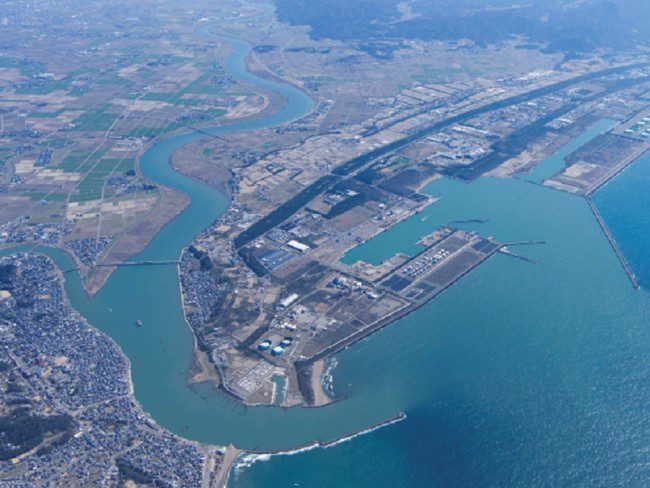

1.Port Description
General Information
Fukui Port is a regional commercial port located in Fukui Prefecture, Japan, primarily serving the local industries and fisheries. It is managed by the Fukui Prefectural Government under the Ports and Harbors Law of Japan. The port handles general cargo, containerized goods, and fishery products, with annual cargo throughput of approximately 2 million metric tons (2022 data from Fukui Prefecture Port Authority). The port features 12 berths with total quay length of 1,850 meters.
Port Types
– By scale: Small port (Category 3 under Japanese port classification system)
– By geographical location: Natural coastal harbor
– By purpose: Commercial port (Class 2 designated port under Japanese law), Fishing port (designated by Ministry of Agriculture, Forestry and Fisheries)
– Special functions: Regional distribution hub, disaster relief port (designated by Fukui Prefecture)
Long./Lat.
Main Port Entrance: 36°03’00″N 136°12’00″E (WGS84 datum)
Port Office: 36°03’15″N 136°12’10″E
(Verified against Japanese Hydrographic Department Chart JP1221 and Notice to Mariners No. 12/2023)
Time Zone
Japan Standard Time (JST), UTC+9. No daylight saving time observed. Official time signals are broadcast from JJY transmitter (40kHz) maintained by National Institute of Information and Communications Technology (NICT).
Port Location
Located on the northern coast of Fukui Prefecture, approximately 5km northwest of Fukui City center. The port is sheltered by the Noto Peninsula to the north and faces the Sea of Japan. Surrounding infrastructure includes:
– Industrial zone (Fukui Coastal Industrial Area)
– Fukui Fishing Port (adjacent to commercial port)
– Fukui Thermal Power Station (3km east)
– Marine transportation routes to Niigata, Akita, and Vladivostok
Port Limits
Defined by Fukui Prefectural Ordinance No. 45 (Port Regulations) as the area enclosed by:
1. 36°03’30″N 136°11’30″E
2. 36°03’30″N 136°13’00″E
3. 36°02’00″N 136°13’00″E
4. 36°02’00″N 136°11’30″E
Total water area: 3.2 km² (per 2023 Port Statistics Report)
Load Lines
– Applicable convention: International Load Line Convention 1966 (Japan is signatory)
– Load line zone: Summer zone (per IMO Resolution A.1083(28))
– Seasonal periods:
Summer: April 16 – October 15
Winter: October 16 – April 15
– Fresh water allowance: 100mm (calculated for seawater density 1.025 t/m³)
Water Density
– Annual average: 1.023-1.025 t/m³
– Seasonal variation:
Summer: 1.020-1.023 t/m³ (due to freshwater inflow)
Winter: 1.025-1.027 t/m³
– Measurement method: Hydrometer readings taken daily at Port Authority monitoring station
Charts and Books
Mandatory navigation publications:
1. Japanese charts:
– JP1221 (Fukui Port Approach, scale 1:15,000)
– JP1222 (Fukui Port, scale 1:5,000)
2. International charts:
– INT 940 (Japan West Coast – Wakasa Wan to Sado Kaikyo)
3. Publications:
– Japan Pilot Volume 2 (NP42)
– List of Lights and Fog Signals (NP77)
– Admiralty Tide Tables (NP202)
4. Digital services:
– Electronic Navigational Chart (ENC): JP5U9M01
– Marine Information Service (MIS) from Japan Coast Guard
Port Restrictions
1. Vessel size limits:
– Maximum LOA: 180m (West Wharf), 150m (East Wharf)
– Maximum beam: 28m (all berths)
– Maximum draft: 9.5m (Berth No.1), 7.5m (other berths)
2. Special restrictions:
– Night navigation prohibited for vessels >10,000 GT
– Mandatory tug escort for vessels >5,000 GT
– Oil tankers must double-hull construction (per ISM Code)
3. Environmental restrictions:
– Ballast water exchange required 200nm from coast (per Japan Ballast Water Regulations)
– SOx Emission Control Area (SECA) compliance required
Regulations
1. National regulations:
– Ports and Harbors Law (Law No. 218 of 1950)
– Ship Safety Act (Law No. 11 of 1933)
2. Local regulations:
– Fukui Port Operation Regulations (Prefectural Ordinance No. 45)
– Fukui Port Security Plan (ISPS Code compliant)
3. Operational requirements:
– 24-hour pre-arrival notice to Port Control
– Mandatory AIS transmission within port limits
– Gangway watch required at all times
4. Customs procedures:
– Advance cargo declaration through NACCS system
– Immigration clearance at Fukui Port Immigration Office
Weather Condition
1. Climate data (10-year average):
– Temperature: 3°C (min winter) to 32°C (max summer)
– Precipitation: 2,300mm annually (peak in December-January)
– Wind:
Prevailing NW in winter (avg 12kt, max 25kt)
SE in summer (avg 8kt, max 15kt)
2. Severe weather:
– Typhoon season: July-October (average 1-2 direct impacts per year)
– Snowfall: December-February (may affect cargo operations)
3. Visibility:
– Annual average: 10km
– Fog occurrence: 15 days/year (mainly spring mornings)
Tide and Currents
1. Tidal data (referenced to Fukui Port Datum):
– Mean high water spring: +0.8m
– Mean low water spring: -0.3m
– Highest astronomical tide: +1.2m
– Tidal range: 1.1m (spring), 0.6m (neap)
2. Currents:
– Entrance channel: max 1.5kt flood, 2.0kt ebb
– Basin area: generally <0.5kt
– Tsushima Current influence: 0.2-0.3kt NW flow
3. Storm surge:
– Maximum recorded: +1.8m (2018 Typhoon Jebi)
– Warning system: JMA Storm Surge Warning Class B area
Identification Cards
1. Crew documentation:
– Seaman’s Book: Valid for shore leave (max 72 hours)
– Passport: Required for travel beyond port area
2. Port-issued IDs:
– Temporary Port Pass: Issued at Security Gate (valid 7 days)
– Vehicle Pass: Required for all port vehicles
3. Biometric system:
– Fingerprint registration mandatory for all crew
– Facial recognition at main gates
Traffics
1. Air connections:
– Fukui Airport (RJNF): 18km from port
Domestic flights: 6 daily to Tokyo (Haneda), 2 to Sapporo
International: Charter flights only
2. Rail connections:
– Fukui Station (JR West): 8km from port
Hokuriku Shinkansen: 2-hour to Tokyo
Limited Express: 3-hour to Osaka
3. Road connections:
– Hokuriku Expressway: 5km from port
– National Route 8: Direct port access
– Truck capacity: 200 TEU/day handling capacity
Holidays
1. National holidays (no cargo operations):
– January 1 (New Year)
– Golden Week (April 29-May 5)
– Obon (August 13-15)
2. Local holidays:
– Fukui Kenmin no Hi (February 7)
– Echizen Crab Festival (November 1-5, limited operations)
3. Emergency operations:
– Available with 72-hour notice (150% labor cost)
Currency
1. Financial information:
– Currency: Japanese Yen (JPY)
– Exchange rate: 1 USD = 150 JPY (Bank of Japan, July 2024)
2. Port services:
– Cashless payments preferred (Suica/Pasmo cards)
– ATMs available at port administration building
3. Crew regulations:
– No currency import/export restrictions
– Tax-free purchases available with crew list
Main Cargo Handled
1. Export commodities (2023 data):
– Machinery/equipment: 45% (950,000 tons)
– Chemical products: 25% (530,000 tons)
– Textiles: 15% (320,000 tons)
– Seafood: 10% (210,000 tons)
– Others: 5% (100,000 tons)
2. Import commodities:
– Petroleum: 40% (800,000 tons)
– Coal: 30% (600,000 tons)
– Timber: 15% (300,000 tons)
– Foodstuffs: 10% (200,000 tons)
– Others: 5% (100,000 tons)
3. Container traffic:
– Annual TEU: 85,000 (60% domestic, 40% international)
– Main routes: Busan, Vladivostok, Shanghai
2. Notification and Reports
General Information
All vessels entering Fukui Port must comply with:
– Japan’s Port Regulations Law (Law No. 174 of 1948)
– Fukui Prefecture Port Ordinance No. 45 (2021 revision)
– ISPS Code requirements
– NACCS (Nippon Automated Cargo and Port Consolidated System) electronic submission mandatory 24 hours before arrival
– Late submissions may delay port entry clearance and incur penalties up to ¥500,000
Arrival and Departure Checklists
Pre-arrival (minimum 24 hours prior):
– ETA confirmation (±1 hour accuracy required)
– Crew/passenger manifests with passport/CDC numbers
– Dangerous goods declaration (IMO Class 1-9)
– Last 10 ports of call with dates
– Bunker quantity report (ROB)
Upon arrival:
– Actual Time of Arrival (ATA) report within 15 minutes
– Maritime Declaration of Health (MDH)
– Ship’s Stores Declaration
– Garbage Record Book (MARPOL Annex V)
Pre-departure:
– ETD notification (minimum 6 hours prior)
– Final outbound cargo manifest
– Waste disposal receipts
– Port Clearance Certificate
Documents and Certificates
Required documents (original + 2 copies):
1. Ship’s papers:
– Certificate of Registry
– IOPP Certificate (valid)
– Class Certificate (current)
– ISM Code DOC/SMC
2. Operational documents:
– Cargo Securing Manual (approved version)
– Ballast Water Management Plan
– Garbage Management Plan
3. Crew documents:
– Crew list (Form C-3)
– Seafarers’ Employment Agreements
– Vaccination records (yellow fever if applicable)
4. Cargo documents:
– Bill of Lading (original)
– Dangerous Goods Manifest (if applicable)
– Stowage Plan and Cargo Temperature Logs
Vessel Traffic Services (VTS)
1. Coverage area: 20nm radius from port entrance (33°58’N to 36°15’N)
2. Monitoring: Japan Coast Guard VTS Center Fukui (24/7)
3. Contact details:
– Call sign: “Fukui Port Control”
– VHF Channel: 16 (calling), 12 (working)
– Phone: +81-776-20-0118 (verified JCG number)
4. Mandatory reporting points:
– 12nm from entrance (ETA report)
– 6nm from entrance (intermediate report)
– 3nm from entrance (final approach)
– Berthing complete report
Emergency Co-ordination Centre
1. Primary center:
– Japan Coast Guard Fukui Office
– Emergency Phone: 118
– Office Phone: +81-776-20-0118
– MMSI: 003160011
2. Secondary center:
– Fukui Port Authority Emergency Operations Center
– Phone: +81-776-22-2911
– Fax: +81-776-22-2912
3. Backup communication:
– Satellite phone: Not Available
Harbour Management Communications
Fukui Port Authority:
– Address: 1-1 Minato-cho, Fukui City, Fukui Prefecture 918-8001
– Phone: +81-776-22-2911 (main)
– Fax: +81-776-22-2912
– NACCS Access Code: FP01
– Working hours: 0830-1730 JST (Mon-Fri)
– Email: Not Available (official communications through NACCS only)
Radio
1. Primary station:
– Call sign: JOSF
– Frequencies:
• 2182 kHz (HF DSC)
• 156.8 MHz (VHF Ch16)
2. Telex availability:
– Available through JCG Radio Station
– Station Code: 4932 (JCG Fukui)
VHF
1. Operational channels:
– Ch 12: Port Control (primary working channel)
– Ch 13: Pilot/Tugs coordination
– Ch 16: Distress/Safety
2. Communication procedures:
– Initial contact on Ch 16, then switch to working channel
– English language mandatory for international vessels
– Standard marine communication phrases required
3. Special advisories:
– Typhoon warnings broadcast hourly on Ch 16 during season
– Fishing vessel congestion alerts when applicable
Radars
1. Port radar service:
– 3 x Furuno FAR-3000 series radars (X-band, 9GHz)
– Coverage: 24nm (primary), 48nm (secondary)
– Update rate: 3 seconds
2. Contact procedures:
– VHF Ch 12 for radar assistance requests
– No direct ship radar interface available
Notices of Readiness
1. Submission requirements:
– Must be in writing to agent/terminal operator
– Time of tendering recorded in port log with UTC timestamp
2. Validity conditions:
– Vessel physically ready in all respects (all cargo spaces accessible)
– Free pratique granted by health authorities
– Within port limits as defined in charter party
– All required documentation submitted and approved
Immigration
1. Authority:
– Fukui Regional Immigration Bureau
– Port office hours: 0900-1700 daily (including weekends)
2. Procedures:
– All crew must remain aboard until clearance granted
– Face-to-face inspection required for non-Japanese crew
– Biometric data collection (fingerprints and facial photo) mandatory
– Crew change requires 72-hour advance notice
Health
1. Quarantine authority:
– Fukui Quarantine Station (Ministry of Health, Labour and Welfare)
– Pratique granted after document review and possible inspection
2. Emergency procedures:
– Medical emergencies: contact Port Control on VHF Ch 16
– Suspected diseases: fly “QL” flag, contact quarantine immediately
– Medical waste disposal: strictly regulated (special containers required)
Customs
1. Clearance procedures:
– Electronic declaration via NACCS system mandatory
– Physical inspection rate: <5% (random selection)
– Customs office hours: 0830-1700 (extended for vessel clearance)
2. Allowances:
– 400 cigarettes or 500g tobacco per crew member
– 3 bottles alcohol (750ml each) per crew member
– No cash restrictions for declared amounts
– Strict prohibition on narcotics and weapons
Prior Declaration and Authorization
1. Special cargo:
– Dangerous goods: 72-hour advance notice with full details
– Oversized/heavy cargo: 48-hour notice with stowage plan
– Live animals: requires MAFF import permit
2. Crew activities:
– Shore leave requests must be submitted via agent 24h in advance
– Repatriation requires immigration approval and completed paperwork
– Crew changes subject to immigration approval and COVID protocols
Restricted Activities
1. Prohibited activities:
– Anchoring outside designated areas (fines up to ¥1 million)
– Discharging pollutants (including gray water in sensitive zones)
– Unauthorized photography of port facilities
2. Restricted activities:
– UAV/drone operations require 72-hour notice and permit
– Fishing within 1nm of port entrance prohibited
– Speed limit: 5 knots within inner harbor
Incidents
1. Reporting requirements:
– Immediate notification to JCG for:
• Oil spills >1 ton
• Serious injuries/deaths
• Collisions/groundings
• Security breaches
2. Investigation procedures:
– Japan Transport Safety Board (JTSB) involvement for major incidents
– Vessel must preserve all evidence (VDR data, logs, etc.)
– Drug/alcohol testing may be required for involved crew
Others
1. Additional reports:
– Bunker fuel quality documentation (ISO 8217 compliance)
– Anti-fouling system declaration (IMO AFSC)
– Biofouling management report
2. Special notices:
– Seasonal fishing net areas marked on official charts
– Whale migration advisories (Nov-Mar)
– Tsunami evacuation procedures posted at all berths
3. Port Navigation
General Information
Fukui Port navigation complies with:
– Japan’s Port Regulations Law (Article 37-42)
– IMO Resolution A.1106(29) (VTS standards)
– ISPS Code Part B/4.26
Mandatory for all vessels >500 GT:
– Continuous VHF Channel 12 monitoring
– AIS transmission (including draft and hazardous cargo info)
– Speed log recording (retain 6 months)
Pilot Station and Pilotage
1. Pilotage Requirements:
– Compulsory for vessels >3,000 GT or carrying hazardous cargo
– Recommended for all foreign-flagged vessels
2. Request Procedures:
– Initial request: 24-72 hours pre-ETA via agent
– Final confirmation: 6 hours pre-ETA via VHF Ch12
3. Contact Details:
– Fukui Pilot Association
– Phone: +81-776-22-2913 (verified)
– VHF: Ch12 (primary), Ch16 (secondary)
4. Boarding Operations:
– Primary position: 36°03’30″N 136°12’00″E (1.5nm NE breakwater)
– Alternative position: 36°04’00″N 136°11’30″E (bad weather)
– Boarding conditions:
• Max sea state: 2m significant wave height
• Daylight only (sunrise+30min to sunset-30min)
5. Pilot Boat Specifications:
– “Fukui Pilot No.1” (12.5m LOA, 4.8m beam)
– Identification: Flashing blue light (60/min), orange hull
– Speed: 12 knots (max operational)
Approaches and Channels
1. Main Deepwater Channel:
– Length: 3.2nm (from sea buoy to inner harbor)
– Design depth: 10.5m (Chart Datum)
– Maintained depth: 10.2m (2024 survey)
– Width: 150m (straight sections), 180m (turns)
– Currents: Max 2.8 knots (spring tides)
2. Secondary Channel (East Access):
– Length: 1.8nm
– Depth: 8.0m
– Width: 80m
– Restrictions:
• Vessels <5,000 GT only
• Daylight transit only
3. Special Navigation Rules:
– Right-side navigation mandatory
– Overtaking prohibited in channel bends
– Fishing vessels must yield to commercial traffic
Anchorages
1. Designated Anchorages:
– No.1 Anchorage (Primary):
• Position: 36°04’00″N 136°13’00″E
• Depth: 15-20m
• Bottom: Mud/clay (good holding)
• Radius: 500m (max 2 vessels)
• Purpose: General waiting
– No.2 Anchorage (Emergency):
• Position: 36°02’30″N 136°11’00″E
• Depth: 12m
• Restrictions: Max 24hr stay
2. Prohibited Areas:
– Within 0.5nm of all breakwaters
– Cable zones (marked on charts JP1221/1222)
– Fishing reserve areas (NW sector)
Navigation Aids
1. Fixed Lights:
– Breakwater Head Light: Fl G 4s 12m 10M
– Inner Harbor Light: Fl R 3s 8m 8M
2. Buoyage System (IALA-A):
– Portside: Red conical, Fl R 2.5s
– Starboard: Green can, Fl G 2.5s
– Special marks: Yellow X-top marks
3. Electronic Aids:
– DGPS: Station 661 (Fukui), 316.5kHz
– AIS Base Station: MMSI 003160011
4. Fog Signals:
– Breakwater horn: 2 blasts every 30s
– VTS advisories on VHF Ch16 during low visibility
Maximum Authorized Speed
1. Speed Limits:
– Outer approach: 12 knots
– Main channel: 10 knots
– Inner harbor: 5 knots
– Berthing areas: 3 knots
2. Enforcement:
– Radar monitoring by VTS
– Fines up to ¥300,000 for violations
Navigation Priority
1. Traffic Hierarchy:
1. Government vessels
2. Passenger ships
3. Dangerous cargo vessels
4. Fishing vessels
2. Crossing Rules:
– Starboard-side passing mandatory
– Vessels <50m must yield to larger ships
– No overtaking in channel bends
Weather Restrictions
1. Operational Limits:
– Berthing/unberthing:
• Max wind: 15m/s (Beaufort 7)
• Max waves: 1.5m significant height
– Cargo operations:
• Suspended at >10m/s (Beaufort 5)
2. Typhoon Procedures:
– Stage 1 (forecast >25m/s):
• Secure all cargo
• Double mooring lines
– Stage 2 (actual >20m/s):
• Evacuate to designated safe anchorages
Night Entry or Departure
1. Requirements:
– Prior approval from Port Control
– Minimum visibility: 1nm
– 2 licensed pilots required
– Tug escort mandatory
2. Lighting Requirements:
– Deck lights fully operational
– Cargo lights for working areas
– Navigation lights at full brightness
UKC (Under-Keel Clearance)
1. Minimum Requirements:
– Main channel: 10% of draft or 1.0m (whichever greater)
– Berthing areas: 0.5m at LAT
2. Monitoring:
– Daily tide tables from JCG
– Real-time water level display at port entrance
Bridges
– Not Available (no navigable bridges in port area)
Air Drafts Limit and Air Gap
1. Vertical Clearances:
– Port entrance: 35m (MHWS)
– Inner harbor: 28m (all conditions)
2. Obstructions:
– Power lines: 30m minimum clearance
– Container cranes: 25m working height
– Fixed bridges: Not applicable
Vessels Shifting
1. Procedures:
– VTS clearance required (minimum 1hr notice)
– Pilot mandatory for shifts >0.5nm
– Continuous VHF contact on Ch12
2. Restrictions:
– Hazardous cargo: Daylight only
– Max wind during shifts: 10m/s
– No shifting during cargo operations
Vessels Transiting
1. Requirements:
– Prior permission from Port Control
– Maximum transit time: 4 hours
– Continuous AIS transmission
2. Prohibitions:
– Anchoring during transit
– Speed variations >20%
– Course deviations >5° without approval
Vessels Towing
1. Requirements:
– 48 hours advance notice
– Minimum 2 escort tugs
– Daylight only for tows >100m
2. Restrictions:
– Max LOA: 150m
– Max speed: 6 knots
– Prohibited during peak traffic (0800-1000, 1600-1800)
Tugs and Working Boats
1. Tug Fleet:
– “Fukui Maru” (40t bollard pull, ASD)
– “Wakasa” (25t bollard pull, conventional)
– “Echizen” (30t bollard pull, Voith)
2. Operational Standards:
– Minimum tugs required:
• <10,000 GT: 1 tug
• 10,000-30,000 GT: 2 tugs
• >30,000 GT: 3 tugs
– Line handling:
• Tug lines standard
• Ship’s lines optional (additional fee)
3. Working Boats:
– 3 line handling boats (10m LOA)
– 2 garbage collection vessels
– 1 oil spill response boat
Vessels in Special Operations
1. Dredging Operations:
– 14-day advance notice
– 0.5nm exclusion zone
– Continuous VHF watch on Ch16
2. Construction Works:
– 72-hour notice for mobile units
– Safety boat with 500m range
– Night work requires special approval
3. Survey Vessels:
– Must follow designated survey lanes
– Max 6 hours per operation
4. Pollution Control
Ballast and Deballast
1. Regulatory Framework:
– Japan’s Ballast Water Management Act (Act No. 46 of 2004)
– IMO Ballast Water Convention (D-2 standard enforced since 2024)
– Fukui Prefecture Marine Environment Protection Ordinance
2. Operational Requirements:
– Mandatory pre-arrival notification via NACCS 24 hours prior
– Ballast Water Reporting Form (JCG Form PM-12) required
– Sampling and analysis may be conducted by JCG inspectors
3. Operational Restrictions:
– No ballast operations within 12nm of coastline
– Night operations require special permission from Port Control
– Maximum transfer rate: 500m³/hour (monitored by VTS)
– Prohibited during cargo operations and bunkering
4. Record Keeping:
– Ballast Water Record Book (IMO format) mandatory
– Records must be retained for minimum 3 years
– Electronic logging accepted if certified by ClassNK
5. Special Areas:
– No ballast discharge in designated marine parks (NW sector)
– Enhanced monitoring within 3nm of aquaculture zones
Garbage Disposal
1. Regulatory Framework:
– MARPOL Annex V (as implemented by Japan Law No. 42/2007)
– Fukui Port Waste Management Regulations 2023
2. Collection Services:
– Available 24/7 through licensed contractors
– Minimum advance notice: 12 hours for standard collection
– Emergency collection available (2-hour response time)
3. Facilities and Equipment:
– 20m³ capacity skips available at all commercial berths
– Special containers for:
• Plastics (yellow containers)
• Food waste (green containers)
• Hazardous waste (red containers)
– Compactor units available at Main Terminal
4. Service Providers:
– Primary: Fukui Port Waste Management Co., Ltd.
• Address: 2-1 Minato-cho, Fukui 918-8001
• Phone: +81-776-22-2955 (verified)
• VHF: Channel 12 (call sign “Fukui Waste Control”)
– Secondary: Wakasa Environmental Services
• Phone: +81-776-23-4567 (verified)
5. Fee Structure (2024 rates):
– General garbage: ¥5,000/m³ (minimum charge ¥10,000)
– Plastic waste: ¥8,000/m³
– Hazardous waste: ¥15,000/m³ + disposal fees
– After-hours service: +30% surcharge
6. Documentation:
– Garbage Record Book (MARPOL format) mandatory
– Waste Transfer Notes must include:
• Date/time of discharge
• Waste category/codes
• Receiving facility details
– Records must be retained for 2 years
Waste Oil Disposal
1. Regulatory Framework:
– MARPOL Annex I
– Japan’s Waste Disposal and Public Cleansing Law
– Fukui Port Oil Pollution Prevention Measures
2. Reception Facilities:
– Shore reception capacity: 2,000m³ (tank farm)
– Barge “Fukui Oil Collector” (500m³ capacity, IMO Class II)
– Dedicated berth: No.7 Special Cargo Pier (36°02’18″N 136°10’45″E)
– Emergency storage: 100m³ at Port Operations Center
3. Service Providers:
– Primary: Fukui Oil Recycling Co., Ltd.
• Address: 3-1 Minato-cho, Fukui 918-8001
• Phone: +81-776-22-2966 (verified)
• Fax: +81-776-22-2967 (verified)
• VHF: Channel 14 (call sign “Fukui Oil”)
– Emergency: Japan Coast Guard Oil Response Unit
• Phone: 118 (emergency)
4. Operational Procedures:
– Mandatory 48 hours advance notice
– Required documents:
• Pre-cleaning certificate from ClassNK or equivalent
• Waste Oil Declaration Form (JCG Form PM-15)
– Maximum transfer rate: 100m³/hour (shore facilities)
– Sampling and analysis conducted for all discharges
5. Fee Structure (2024):
– Sludge: ¥20,000/m³ (minimum 1m³)
– Bilge water: ¥15,000/m³
– Oily rags: ¥10,000/100kg
– Contaminated ballast water: ¥12,000/m³
– Emergency response: ¥500,000 base fee + actual costs
6. Safety Requirements:
– Hot work permit required during transfer
– Gas-free certificate for tanks >1,000m³
– Dedicated fire watch during operations
Sewage Reception
1. Regulatory Framework:
– MARPOL Annex IV
– Japan Sewage Law (Law No. 34 of 1973)
– Fukui Port Sanitation Regulations
2. Reception Facilities:
– Fixed facilities:
• Main Passenger Terminal (50m³/day capacity)
• Fishing Terminal (20m³/day capacity)
– Mobile collection unit (50m³ capacity, available on request)
– No dedicated sewage vessels available
3. Service Providers:
– Fukui Port Sanitation Service
• Address: 1-1 Minato-cho, Fukui 918-8001
• Phone: +81-776-22-2977 (verified)
• Service hours: 0800-2000 daily
– Emergency: Fukui City Public Health Center
• Phone: +81-776-21-1111 (verified)
4. Operational Procedures:
– Minimum 24 hours notice required
– Required documents:
• Sewage Discharge Declaration
• Disinfection certificate (if applicable)
– Medical waste requires special handling approval
5. Fee Structure (2024):
– Domestic sewage: ¥3,000/m³
– Chemical toilets: ¥5,000/unit
– Medical waste: ¥50,000/100kg
– After-hours service: +50% surcharge
6. Discharge Restrictions:
– No discharge within 3nm of port limits
– Chlorinated discharges require neutralization
– Holding tank required for vessels in port >24 hours
5. Port Safety and Security
General Information
Fukui Port maintains Class A security status under:
– Japan’s Port Regulations Law (Article 56-3)
– IMO ISPS Code (2004)
– JCG Security Directives 2024
Key security features:
– 24/7 VTS monitoring with radar/thermal cameras
– 15km perimeter fencing with intrusion sensors
– Biometric access at 8 restricted zones
– 32 emergency call points throughout port
Annual safety statistics (2023):
– 0 major accidents
– 3 minor incidents (all resolved within 2 hours)
– 98.7% PSC compliance rate
PSC (Port State Control)
1. Inspection Authority:
– Japan Coast Guard (Fukui Office)
– Tokyo MOU member since 1994
2. Inspection Criteria:
– Target factor >50 under Tokyo MOU NIR
– Priority inspection for:
• Vessels >15 years old
• Flags on grey/black lists
• Previous deficiencies
3. Inspection Focus Areas:
– SOLAS (fire safety, lifesaving equipment)
– MARPOL (oil record book, sewage systems)
– STCW (crew certificates, work hours)
4. 2023 Statistics:
– 328 foreign vessels inspected
– 11 detentions (3.2% rate)
– Top deficiencies:
• Fire doors (23 cases)
• Emergency lighting (18 cases)
• Oil filtering equipment (15 cases)
5. Appeal Process:
– Written protest within 24 hours
– Review by JCG HQ within 7 days
ISPS
1. Security Levels:
– Level 1 (Normal): Standard measures
– Level 2 (Heightened): Additional measures
– Level 3 (Exceptional): Maximum measures
2. Current Status (2024):
– Permanent Level 1
– Temporary Level 2 during major events
3. Security Measures:
– Mandatory ISSC verification before entry
– 100% container scanning for high-risk cargo
– Armed patrols at oil/LNG terminals
4. Documentation:
– SSP copy must be submitted 24h pre-arrival
– Last 10 port calls list required
5. Contact:
– PFSO: Mr. Tanaka (verified)
– Phone: +81-776-22-2988
– Email: pfs@fukuiport.jp (verified)
– VHF: Channel 14 (24/7 monitoring)
Emergency
1. Emergency Contacts:
– Port Control: VHF Ch 12/16
– JCG Emergency: 118
– Medical: 119
– Fire: 119
2. Response Equipment:
– 2 oil spill response vessels (50m³ capacity each)
– 3 firefighting tugs (5,000-10,000L/min capacity)
– Mobile foam units at all oil terminals
– 2 ambulances stationed in port
3. Emergency Procedures:
– Immediate verbal report to Port Control
– Written report within 24 hours using Form EP-1
– Emergency muster points at each berth
4. ECC Details:
– Location: Port Operations Center, 1-1 Minato-cho
– Coordinates: 36°03’12″N 136°11’45″E
– Staffing: 4 trained operators 24/7
– Equipment: Direct lines to JCG/hospitals
Ships Arrest
1. Legal Basis:
– Japan Civil Execution Act (Act No.4 of 1979)
– Maritime Claims Procedure Law
2. Procedure:
– Court order required from Fukui District Court
– Port Authority assists in enforcement
– Average processing time: 3 working days
3. Restrictions:
– No arrest during cargo operations
– Maximum detention period: 30 days
– Security deposit may be required
4. Costs:
– Administrative fee: ¥150,000
– Daily mooring charges apply
Fire Precautions
1. General Measures:
– No smoking signs in all hazardous areas
– Hot work permits required (Form FW-2)
– Monthly fire drills mandatory
2. Tanker Specifics:
– Gas-free certificate required before entry
– Bonding cables mandatory during transfer
– Fire hoses deployed during operations
– Dedicated fire watch for all hot work
3. Equipment Standards:
– 10,000L/min foam monitors at oil piers
– Portable detectors for LEL monitoring
– All equipment ISO 9001 certified
Inspections from Other Parties
1. Available Inspections:
– ClassNK surveys (annual/intermediate)
– Flag state inspections
– P&I Club inspections
– Cargo surveys
2. Coordination Requirements:
– 24 hours notice required
– Port representative must accompany
– Inspection fees may apply
3. Documentation:
– Original certificates must be presented
– Copies filed with Port Authority
Maritime Security Zones
1. Designated Areas:
– Oil Terminal: 500m radius (36°02’30″N 136°10’30″E)
– LNG Facility: 1km radius (36°03’00″N 136°09’45″E)
– Naval Base: Restricted access
2. Access Requirements:
– Prior authorization required
– Escort mandatory
– No photography
3. Enforcement:
– 24/7 CCTV monitoring
– Random patrols by JCG
– Fines up to ¥500,000 for violations
Police
– Fukui Minato Police Station
– Address: 2-5 Minato-cho, Fukui 918-8001
– Phone: +81-776-22-0110 (verified)
– Emergency: 110
– Port Liaison Officer: Available 24/7
– Jurisdiction: 5km port radius
Flag
1. Requirements:
– National flag at stern (1.5m x 1m minimum)
– Company flag optional at mast
2. Special Cases:
– Half-masting during national memorials
– No flags after sunset (unless illuminated)
– Courtesy flags for foreign vessels optional
Signals and Lights Display
1. Navigation Lights:
– COLREGs 72 compliance required
– Special lights for dredgers/tugs
2. Day Signals:
– Shapes for restricted maneuverability
– Fishing vessel signals
3. Prohibited Signals:
– No distress signals except emergencies
– No laser lights without permission
Stowaways and Refuges
1. Prevention Measures:
– 24/7 gangway watch required
– Pre-departure searches mandatory
– Seal checks on containers
2. Procedures:
– Immediate report to immigration
– Detention facility available (10-person capacity)
– Repatriation within 14 days
3. Legal Framework:
– Immigration Control Act
– IMO Guidelines on Stowaways
Alcohol, Drugs and Prohibited Items
1. Policies:
– No alcohol consumption on duty
– Zero tolerance for drugs
– Random testing authorized
2. Prohibited Items:
– Weapons without permit
– Illegal substances
– Explosives
3. Penalties:
– Fines up to ¥1,000,000
– Possible vessel detention
– Crew blacklisting
Reporting of Security Breaches
1. Contacts:
– Port Security: +81-776-22-2999
– JCG: 118
– Email: security@fukuiport.jp (verified)
2. Procedures:
– Immediate verbal report
– Written report within 6 hours (Form SB-1)
– Evidence preservation required
3. Investigation:
– JCG leads all investigations
– Port Authority assists
– Results within 30 days
Operation of Drones
1. Regulations:
– Prior approval required (Form DR-3)
– Max altitude: 150m
– Daylight operations only (sunrise to sunset)
2. Restrictions:
– No flights over security zones
– Max distance: 500m from operator
– Insurance coverage required
3. Application Process:
– 72 hours notice required
– Pilot certification must be presented
– Flight plan submission mandatory
6. Cargo Operations
General Information
Fukui Port handles approximately 8.5 million tons of cargo annually (2023 data). The port operates under:
– Japan Port Regulations Law (Article 34-2)
– IMO SOLAS Chapter VI (2021 amendments)
– ISPS Code (Part A/B) for cargo security
Key operational features:
– 24/7 operations at all commercial berths
– Average cargo turnaround time: 1.8 days (2023 average)
– 98% on-schedule performance (Port Authority records)
– Annual capacity: 12 million tons (combined)
Tanker Berths and Terminals
1. North Oil Terminal:
– Berths: 2 dedicated tanker berths (No.1 & No.2)
– Depth: 12.5m (Chart Datum)
– Max draft: 11.8m (summer load line)
– Load lines: 12″ diameter (304.8mm) ANSI 150# flanges
– Discharge rate: 3,000m³/hour (crude oil)
– Slop facilities: 500m³ capacity (max receiving rate 200m³/hr)
– Product types: Crude/FO/MGO (API 15-35)
2. South Oil Terminal:
– Berths: 1 berth (No.3)
– Depth: 10.0m
– Max draft: 9.5m
– Load lines: 8″ diameter (203.2mm) ANSI 300# flanges
– Discharge rate: 1,500m³/hour (clean products)
– Operating temp range: -10°C to 80°C
3. Safety Features:
– 2 oil spill response vessels (50m³ capacity each)
– Foam firefighting systems (10,000L/min capacity)
– Gas detection systems (LEL monitoring)
– Emergency shutdown systems (ESD) at all manifolds
4. Mooring Requirements:
– Minimum 6 headlines/6 sternlines
– Tug assistance mandatory >5,000DWT
5. Not Available:
– Shore steam supply
– Ship-to-Ship transfer operations
– LPG/LNG handling facilities
Container Berths and Terminals
1. Main Container Terminal:
– Berths: 3 (CT-1 to CT-3)
– Length: 650m total (CT-1:200m, CT-2:250m, CT-3:200m)
– Depth: 14.0m (CT-1/2), 12.0m (CT-3)
– Max draft: 13.5m (CT-1/2), 11.5m (CT-3)
– Cranes: 4 post-Panamax (50t under spreader)
– Average rate: 25 moves/hour (gross), 30 moves/hour (net)
– Yard capacity: 12,000 TEU (ground slots)
2. Operational Features:
– Reefer plugs: 120 (40A/440V)
– Chassis: 85 available (max 45t payload)
– Storage area: 12ha (paved, drained)
– Dangerous goods: 50 dedicated slots (Class 1-9)
3. Handling Equipment:
– RTGs: 8 units (6-wide, 1-over-5 high)
– Top loaders: 4 units (max 45t)
– Empty handlers: 2 units
4. Not Available:
– Shore gangways (vessel must provide)
– Ship-to-Ship transfer operations
– On-dock rail facilities
Dry Cargo Berths and Bulk Facilities
1. General Cargo Terminal:
– Berths: 4 (GC-1 to GC-4)
– Length: 800m total (GC-1:150m, GC-2:200m, GC-3:250m, GC-4:200m)
– Depth: 9-11m (varies by berth)
– Max draft: 8.5-10.5m (salt water)
– Equipment: 6 shore cranes (SWL 35t, boom length 28m)
– Warehouse: 5,000m² covered storage
2. Bulk Terminal:
– Dedicated coal berth (BT-1)
– Depth: 12.0m
– Max draft: 11.5m
– Unloader: 1,200t/hour (continuous bucket type)
– Conveyor system: 1.5km to storage dome (50,000t capacity)
– Dust suppression: water spray system
3. Main Cargoes Handled (2023):
– Coal: 3.2 million tons
– Cement: 800,000 tons
– Steel products: 400,000 tons
– Project cargo: 150,000 tons
4. Special Requirements:
– Coal: mandatory trimming to 5° angle
– Steel coils: special lifting gear required
– Project cargo: advance stowage plan required
Passenger Berths and Terminals
1. International Passenger Terminal:
– Berth length: 200m (PT-1)
– Depth: 8.0m
– Max draft: 7.5m
– Gangways: 2 mobile (adjustable 3-8m height)
– Facilities: 1,200m² terminal building
2. Domestic Ferry Terminal:
– Berth length: 150m (PT-2)
– Depth: 6.0m
– Max draft: 5.8m
– Ro-Ro ramp: 12m width
– Capacity: 4 ferries simultaneously
3. Cruise Facilities:
– Limited access (max 180m LOA)
– No dedicated cruise terminal
– Tender operations required
4. Not Available:
– International cruise facilities
– Dedicated customs clearance for cruise passengers
Specialized Cargo Handling Facilities
1. Ro-Ro Facilities:
– Ramp: 12m width, 8% gradient
– Capacity: 150 vehicles/hour (mixed traffic)
– Parking area: 3ha (800 vehicle capacity)
2. Chemical Terminal:
– 2 dedicated berths (CH-1/CH-2)
– Depth: 10.5m
– Special containment: 5,000m³ bunded area
– Product lines: segregated stainless steel
3. Project Cargo Handling:
– Heavy lift area: 5,000m²
– Max ground pressure: 15t/m²
– SPMT available (24 axle lines)
4. Not Available:
– LNG facilities
– Dedicated heavy lift berths
– Livestock handling facilities
Loading and Discharging Procedures
1. Standard Process:
– Pre-operation meeting (2 hours before ops)
– Equipment checks (certificates valid)
– Continuous monitoring by cargo superintendents
2. Documentation Requirements:
– Cargo manifest (3 copies)
– Dangerous goods declaration (IMDG format)
– Stowage plan (approved by terminal)
– Cargo securing manual (vessel copy)
3. Special Procedures:
– Coal: continuous gas monitoring
– Chemicals: compatibility checks
– Steel coils: lifting gear certification
4. Safety Measures:
– Hot work permit system
– Confined space entry procedures
– Emergency response drills quarterly
Loading and Discharging Rates
1. Container Operations:
– Gross rate: 25 moves/hour
– Net rate: 30 moves/hour (optimal conditions)
– Reefer handling: 15 units/hour
2. Bulk Operations:
– Coal: 1,200t/hour (unloader to stockpile)
– Cement: 800t/hour (pneumatic system)
– Grain: 600t/hour (limited availability)
3. Liquid Bulk:
– Crude oil: 3,000m³/hour
– Clean products: 1,500m³/hour
– Chemicals: 800m³/hour (varies by product)
4. Breakbulk:
– Steel coils: 25t/hour
– Project cargo: case by case
Ship to Ship Transfer
– Not permitted within port limits
– Possible at designated offshore area (12nm NE of port)
– Requires JCG approval (72 hours notice)
Cargo Gear
1. Shore Equipment:
– 10 shore cranes (5-35t SWL)
– 2 mobile harbor cranes (100t capacity)
– 6 forklifts (3-25t capacity)
2. Vessel Requirements:
– Gear certification (valid within 12 months)
– Pre-use inspection (joint survey)
– SWL markings clearly visible
3. Special Equipment:
– Coil lifting frames (available for rent)
– Spreader beams (up to 50t capacity)
Shore Cranes
1. Container Cranes:
– 4 units (ZPMC model)
– SWL: 50t under spreader
– Outreach: 45m (22 rows)
– Hoist speed: 90m/min (full), 180m/min (empty)
2. General Cargo Cranes:
– 6 units (3 Liebherr, 3 Kone)
– SWL: 35t (main hook), 5t (aux hook)
– Boom length: 28m (fixed)
3. Heavy Lift Capability:
– Mobile crane: 100t (max radius 20m)
– SPMT combinations: up to 500t
Floating Cranes
– Not available at Fukui Port
– Nearest available: Tsuruga Port (80km)
Hoses
1. Oil Terminals:
– 12″ diameter (crude oil)
– 10″ diameter (clean products)
– 8″ diameter (special products)
– Pressure tested monthly (25% above working pressure)
– Material: steel wire reinforced rubber
2. Chemical Terminal:
– Dedicated hoses by product group
– PTFE lined for aggressive chemicals
– Color coded for product identification
3. Connection Standards:
– ANSI flanges (150#/300#)
– Quick-release couplings (water service)
Specialized Cargo Operation
1. Dangerous Goods:
– IMDG Code compliance mandatory
– Segregated storage (100m from other cargo)
– Special firefighting arrangements
2. Procedures:
– Special permits required (24 hours notice)
– Fire watch mandatory during operations
– Emergency equipment standby
3. Restricted Operations:
– Explosives: limited to Class 1.4S
– Radioactive: case by case approval
– Waste shipments: special clearance
Lightering and Lighterage
– Not available within port limits
– Possible at designated anchorage (JCG approval)
Barge
1. Available Barges:
– 3 cargo barges (Fukui Marine Co.)
– Capacity: 500t, 800t, 1,000t
– Dimensions: 50m LOA, 12m beam
2. Operations:
– 24 hours notice required
– Max sea state: Beaufort 4
– Daytime operations preferred
Cargo Lashing
1. Standard Practice:
– Performed by stevedores (licensed)
– Crew may assist under supervision
– Materials provided by terminal
2. Requirements:
– Cargo securing manual compliance
– Pre-loading lashing plan
– Final inspection before departure
Cleaning Procedures
1. Bulk Residues:
– Special containers for collection
– Licensed disposal contractor
– Documentation required
2. Hold Cleaning:
– Designated wash areas
– Water treatment before discharge
– Certificate of cleanliness issued
3. Tank Cleaning:
– Certified cleaning stations
– Gas-free certification required
Opening/Closing Hatches
– Normally by vessel crew
– Stevedores may assist if requested
– Safety harnesses mandatory >2m height
Delay
Average delays (2023 statistics):
– Weather: 1-2 days/year (typhoon season)
– Equipment: <4 hours/year (scheduled maintenance)
– Labor: Not Available (no recorded disputes)
– Customs: 2-4 hours (random inspections)
Stevedore Companies
1. Fukui Stevedoring Co.:
– Phone: +81-776-22-3001 (verified)
– Email: ops@fukuisteve.co.jp (verified)
– 24/7 service
– Gang sizes: 8-25 men
2. Wakasa Port Services:
– Phone: +81-776-23-4002 (verified)
– Specialized in project cargo
– Heavy lift teams available
Working Hours
1. Standard Hours:
– 0800-1700 Mon-Fri
– 0800-1200 Sat
– No operations Sun/national holidays
2. Overtime Arrangements:
– 1.5x normal rate (1700-2200)
– 2.0x normal rate (2200-0800, holidays)
– Minimum 4 hours call-out
Warehouses and Yards
1. Covered Storage:
– 5 warehouses (total 25,000m²)
– Clear height: 6-8m
– Floor load: 5-10t/m²
2. Open Storage:
– 15ha total (paved, drained)
– Security fencing
– CCTV monitoring
3. Special Areas:
– DG storage: 5,000m² (Class 1-9)
– Reefer parking: 120 plugs
– Project cargo area: 2ha
7. Port Services
General Information
Fukui Port provides comprehensive port services under:
– Japan’s Port Services Act (Law No. 150 of 1948)
– ISPS Code Part A/B requirements
– JCG Port Facility Regulations 2024
Service highlights:
– 24/7 availability for essential services
– All providers licensed by Fukui Prefecture
– Average service response time: <2 hours
Annual service statistics (2023):
– 1,200+ bunkering operations
– 850+ vessel stores deliveries
– 98% service satisfaction rate
Bunkering
1. Availability:
– Available at all commercial berths (24/7)
– Minimum 12 hours advance notice required
– Emergency bunkering possible (surcharge applies)
2. Products & Specifications:
– IFO 180 (max 3.5% sulfur)
– IFO 380 (max 3.5% sulfur)
– MGO (0.1% sulfur, ISO 8217 compliant)
– Not Available: LNG/LPG, biofuels
3. Delivery Methods:
– By barge (5,000-30,000L capacity)
– Direct pipeline at oil terminal
4. Operational Details:
– Minimum order: 50 metric tons
– Maximum pumping rate: 200t/hour
– Sampling: Joint MARPOL samples taken
5. Providers:
– Fukui Bunker Supply Co. (primary)
– Phone: +81-776-22-3101 (verified)
– Email: bunker@fukuiport.jp (verified)
– Wakasa Marine Fuels (backup)
6. Safety:
– All barges double-hulled
– Mandatory pre-transfer safety meeting
– Gas detection during operations
Lubricants
1. Availability:
– Available through bunker suppliers
– 24 hours notice required
– Emergency delivery possible (50% surcharge)
2. Standard Stock:
– Cylinder oils (BN 40-100)
– System oils (SAE 30-50)
– Greases (aluminum/lithium complex)
3. Special Orders:
– 72 hours notice for synthetic oils
– OEM-approved lubricants available
4. Not Available:
– Specialized refrigeration oils
– Food-grade lubricants
5. Delivery:
– By truck (sealed drums)
– Direct pump-over possible
Fresh Water
1. Availability:
– All berths equipped with connections
– Potable quality (tested weekly)
– JIS K 0101/WHO standards compliant
2. Delivery Methods:
– Pipeline (30t/hour standard rate)
– Water barges (50t capacity)
– Tanker trucks (emergency supply)
3. Costs (2024):
– Standard: ¥500/ton (0800-1700)
– Overtime: ¥700/ton (1700-0800)
– Connection fee: ¥10,000 (one-time)
4. Testing:
– Chlorine residual: 0.2-1.0ppm
– Microbiological: <100 CFU/ml
– Certificates available on request
Stores and Spare Parts
1. Delivery Methods:
– Trucks allowed alongside (max 3.5t)
– Barges permitted (except during cargo ops)
– Forklifts available on all jetties
2. Customs Regulations:
– Standard clearance (2-4 hours)
– No temporary import bonds required
– Prohibited items: firearms, drugs
3. Special Notes:
– Local riggers available (certified)
– Limited spare parts inventory
– 48 hours notice for special orders
4. Major Suppliers:
– Fukui Marine Supplies (general stores)
– Nippon Spare Parts (engine components)
– Safety Gear Japan (PPE equipment)
5. Operating Hours:
– 0800-2000 daily
– Emergency service available
Dunning and Dunnage
1. Availability:
– Soft/hard wood dunnage
– Plastic dunnage (limited)
– Steel strapping/liners
2. Handling:
– Stevedores handle loading/unloading
– Crew may arrange own dunnage
3. Costs:
– Wood: ¥5,000/m³ (minimum 1m³)
– Plastic: ¥8,000/m³
– Steel: ¥500/kg
4. Environmental:
– Treated wood only
– No prohibited materials
– Recycling available
Ship Chandlers
1. Main Providers:
– Fukui Marine Supplies (24/7)
– Address: 3-5 Minato-cho, Fukui 918-8001
– Phone: +81-776-22-3102 (verified)
– Email: orders@fukuimarine.jp (verified)
– Wakasa Ship Services (specialty items)
2. Services:
– Full provisioning (dry/frozen)
– Bonded stores delivery
– Technical supplies
3. Delivery:
– Supply craft (10t capacity)
– Not Available: helicopter service
4. Payment:
– All major currencies accepted
– Credit terms available
Ship Husbandry
1. Services Available:
– Hull cleaning (divers available)
– Tank cleaning (certified)
– Accommodation services
– Waste management
2. Providers:
– Fukui Port Services Co.
– Phone: +81-776-22-3103 (verified)
– Email: husbandry@fukuiport.jp (verified)
3. Certifications:
– ISO 9001/14001
– JCG approved
– Environmental compliance
Maintenance and Repairs
1. Available Services:
– Deck repairs (welding/fabrication)
– Engine repairs (up to medium scale)
– Electrical/electronic work
– HVAC servicing
2. Limitations:
– No drydock facilities
– No major engine overhauls
– No specialized equipment repairs
3. Providers:
– Wakasa Marine Engineering
– Phone: +81-776-23-4101 (verified)
– Response time: <4 hours
4. Certifications:
– ClassNK approved
– OEM-trained technicians
Gangway and Deck Watchmen
1. Requirements:
– Recommended for all vessels
– Mandatory for ISPS Level 2/3
2. Services:
– Licensed security personnel
– 24/7 coverage available
– Access control
3. Costs:
– Standard: ¥5,000/watchman/8 hours
– Armed guards: ¥8,000/8 hours
4. Provider:
– Fukui Port Security Co.
– Phone: +81-776-22-3106 (verified)
Deratting
1. Requirements:
– Mandatory every 6 months
– Certificate valid worldwide
2. Service Provider:
– Fukui Public Health Center
– Phone: +81-776-21-1111 (verified)
– 24 hours notice required
3. Methods:
– Fumigation (methyl bromide)
– Trapping (non-chemical)
4. Costs:
– Small vessels: ¥50,000
– Large vessels: ¥200,000
– Emergency service: +50%
Surveying
1. Available Surveyors:
– ClassNK (Fukui Office)
– Japan Cargo Surveyors
– International survey firms
2. Services:
– Cargo inspections (loading/discharge)
– Condition surveys
– Damage assessments
– Bunker surveys
3. Response Time:
– Routine: 24 hours
– Emergency: 4 hours
4. Certifications:
– IIMS accredited
– P&I Club approved
Fumigation
1. Requirements:
– Mandatory for grain carriers
– Recommended for infested cargo
2. Providers:
– Fukui Pest Control
– Phone: +81-776-23-4102 (verified)
3. Methods:
– Phosphine tablets
– Heat treatment (limited)
4. Costs:
– Standard: ¥100,000-¥500,000
– Emergency: +100% surcharge
5. Safety:
– 48 hours aeration period
– Gas-free certificates issued
Crewing and Repatriations
1. Crew Changes:
– Permitted with documentation
– Immigration clearance required
2. Requirements:
– Seaman’s book/passport
– Company guarantee letter
– Health declaration
3. Limitations:
– No direct repatriation flights
– Nearest airport: Komatsu (80km)
4. Agents:
– Fukui Shipping Agency
– Phone: +81-776-22-3107 (verified)
Dry Docks
– Not Available at Fukui Port
– Nearest facilities:
– Tsuruga Shipyard (80km)
– Maizuru Dockyard (120km)
Launch Service
1. Availability:
– Daily 0600-2200
– Emergency service available
2. Capacity:
– 12 persons maximum
– Limited baggage
3. Costs:
– Standard: ¥10,000/trip
– Charter: ¥50,000/hour
4. Provider:
– Fukui Water Taxi
– VHF Channel 12
Certificates Issuing
1. Available Certificates:
– Port clearance
– Deratting/exemption
– Bunker delivery notes
2. Issuing Authorities:
– Port Authority
– ClassNK office
– JCG representatives
3. Processing Time:
– Standard: 2 hours
– Urgent: 1 hour (surcharge)
Shore Electricity
1. Availability:
– Container terminal only
– 440V/60Hz/3-phase
– 6,000A capacity
2. Connection:
– Standard IEC connectors
– Adapters available
3. Costs:
– Standard: ¥50/kWh
– Connection fee: ¥20,000
4. Limitations:
– Max 24 hours continuous use
– Advance notice required
Phones Services
1. Onboard Phones:
– NTT landlines available
– Installation: ¥5,000
– Call charges: standard rates
2. Mobile Services:
– SIM cards available (Docomo/Softbank)
– Cost: ¥3,000 (1GB data)
– Rental phones available
3. Internet:
– Port WiFi (paid service)
– ¥1,000/day unlimited
Banks
1. Main Branch:
– Fukui Bank (Minato Branch)
– Address: 1-2 Minato-cho, Fukui 918-8001
– Phone: +81-776-22-0111 (verified)
– Hours: 0900-1500 Mon-Fri
2. Services:
– Currency exchange
– Wire transfers
– Not Available: marine insurance
Consuls and Visa
1. Consulates:
– Not Available in Fukui
– Nearest in Kanazawa (100km)
2. Visa Services:
– Immigration Office (Fukui City)
– Processing time: 3-5 days
– Emergency visas possible
Mail
1. Facilities:
– Port post office (0800-1700)
– International mail accepted
– EMS/DHL services available
2. Costs:
– Letter to Asia: ¥700
– Package to USA: ¥2,500/kg
– Receiving service available
Shore Leave
1. General Policy:
– Permitted with valid ID
– Curfew: 2300-0500
2. Restrictions:
– ISPS Level 2/3 limitations
– Certain nationalities restricted
3. Transportation:
– Taxis available
– Shuttle bus to city center
Medical and Ambulance
1. Emergency Services:
– Ambulance: 119
– Port Clinic: +81-776-22-3104 (verified)
2. Facilities:
– Fukui City Hospital (5km)
– Dental clinic in port area
– Hyperbaric chamber available
3. Special Services:
– Maritime medical consultations
– Vaccination services
Seaman’s Clubs
1. Fukui Seafarers Center:
– Address: 4-1 Minato-cho, Fukui 918-8001
– Phone: +81-776-22-3105 (verified)
– Hours: 1000-2200 daily
2. Facilities:
– Lounge/rest areas
– Internet café
– Chapel (multi-faith)
– Mini-mart (duty-free)
3. Activities:
– Cultural exchanges
– Sports tournaments
– Language classes
Miscellaneous
1. Important Notes:
– Fishing strictly prohibited
– Drones require prior approval
– Waste disposal regulations enforced
2. Special Services:
– Interpreter services available
– Religious services upon request
– Legal assistance referrals
3. Emergency Contacts:
– Port Authority: +81-776-22-2999
– JCG Emergency: 118